

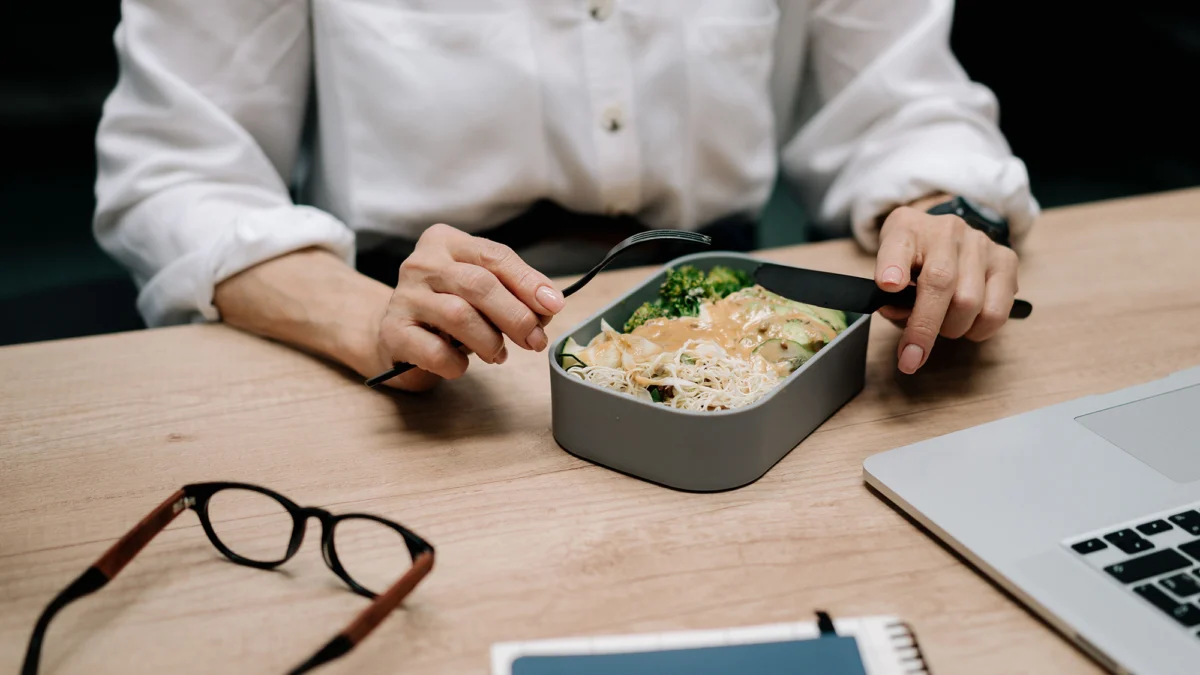
As the summer season concludes and employees reintegrate into their established office routines, restaurant operators are presented with a significant opportunity to reconnect with customers in a familiar yet evolving environment: the workplace. The dynamics of the office lunch occasion have undergone a substantial transformation in recent years, presenting both challenges and promising avenues for growth. The widespread adoption of hybrid work schedules has introduced an element of unpredictability to daily office populations, while simultaneously expanding consumer choices to an unprecedented degree. Furthermore, expectations regarding the quality, variety, and convenience of workplace meals have significantly escalated. Nevertheless, for restaurants, the office environment can still represent a lucrative source of incremental demand, particularly as U.S. employers signal increased hiring for the latter half of the year and as return-to-office policies progressively bring more personnel back to physical workspaces on a consistent basis.
The evolution of consumer palates in the workplace lunch sector is a testament to changing times. Over the past 15 years, a notable shift in preferences has become apparent, offering clear insights into what strategies are proving successful and which are falling short. A comprehensive analysis of current trends indicates that variety remains a paramount concern for consumers, especially those situated in urban centers. These individuals are often surrounded by a diverse array of dining options and have become accustomed to the daily decision-making process involving different cuisines, formats, and price points. Consequently, the most effective workplace lunch programs are those that mirror this inherent desire for choice and novelty. For restaurant operators, the strategic objective is not necessarily to become the sole daily lunch provider for every employee. Instead, the aim is to establish a consistent presence in employees’ meal rotations, offering appealing options that generate genuine excitement and anticipation.
Winning Flavors and Formats in the Corporate Landscape
Within this landscape of diverse culinary preferences, Asian cuisine has emerged as a dominant force in the workplace lunch sector throughout the current year. Data from Fooda, a leading workplace food platform, reveals a striking 53% increase in sales of Asian food during the year to date compared to the same period in the previous year. This surge is largely propelled by popular dishes such as chicken teriyaki bowls, orange chicken bowls, and Pad Thai. While the expansion of the number of available Asian restaurants contributes to this growth, it does not fully account for the phenomenon. Even when examining only those Asian restaurants that were operational in both comparative periods, sales still demonstrated a robust increase of approximately 15%. This performance places Asian food significantly ahead of all other cuisines tracked by the platform.
The format of the meal appears to be as influential as the cuisine itself. Consumers are showing an increasing appetite for well-composed meals, with bowls, in particular, gaining significant traction. These bowls, typically combining a protein, a grain, vegetables, and a sauce, offer a complete and satisfying lunch experience. Asian menus naturally lend themselves to this format, but the trend is not confined to a single culinary category. Overall salad sales have risen by 11% year-over-year, with particularly strong performance observed in options like spicy Caesar salads, crispy chicken wraps, and more substantial grain bowls. Formats such as "Hungry Bowls," rice bowls, and quinoa bowls have all experienced impressive double- and triple-digit growth at locations where they were consistently offered.
Underpinning these consumption patterns is a broader, pervasive health and wellness trend. The sustained popularity of soups, salads, rice bowls, quinoa bowls, and other grain-based meals aligns with a heightened consumer focus on nutrition and well-being. This trend may also be influenced by the growing adoption of GLP-1 medications, which can impact appetite and dietary choices. However, it is crucial not to misinterpret this data as a simple demand for lighter fare. The most successful offerings appear to strike a delicate balance between health consciousness and culinary satisfaction. While employees may seek nutritionally balanced meals, the fundamental expectation remains that lunch should still be an enjoyable and satisfying experience. National brands such as Just Salad, Sweetgreen, and Teriyaki Madness have demonstrated strong performance in workplace settings, effectively embodying these prevailing trends.
For restaurant operators, the takeaway from these evolving consumer preferences is relatively straightforward. Diners in the workplace environment seek variety, but within that spectrum of choices, there is a discernible trend towards flavorful, cohesive meals that are convenient for transport, easy to consume, and satisfying without being overly heavy. Restaurants that can consistently deliver this combination of attributes are strategically positioned to thrive in the competitive office lunch market.
Strategic Approaches to Capitalizing on Return-to-Office Initiatives
The workplace is progressively re-establishing itself as a significant dining destination, signaling a broader opportunity for the restaurant industry. As return-to-office policies become more firmly entrenched, millions of consumers are once again making daily lunch decisions while at their physical workspaces, even within hybrid arrangements. This presents a distinct customer occasion that restaurants should actively consider alongside their existing dine-in, takeout, delivery, and catering channels.
The economic advantages of engaging with the workplace lunch market are also compelling. Workplace food programs tend to concentrate demand within predictable timeframes, enabling restaurants to streamline their operations by offering more focused menus and efficiently preparing larger volumes. In many instances, this allows for food preparation to commence before the traditional peak lunch rush, optimizing kitchen workflow. Furthermore, there is a distinct marketing benefit associated with serving within a corporate environment. By operating within a workplace, restaurants gain exposure to potential customers who might not otherwise encounter their brand. A positive initial experience with a meal at the office can subsequently translate into visits to the restaurant’s brick-and-mortar locations.
The key to successfully tapping into this market lies in approaching the workplace as a unique sales channel, rather than merely another permutation of delivery or catering services. Menus must be designed to travel well, ensuring that food remains appealing and intact during transport. Service must be swift and efficient to accommodate busy work schedules. Pricing strategies need to be competitive and offer clear value to the consumer. Crucially, operators must adopt a model that avoids introducing unnecessary operational complexity within their existing restaurant infrastructure. Engaging with specialized third-party platforms or service providers can effectively manage the intricate logistics, technological integration, and direct relationships with workplace clients. This allows restaurant operators to concentrate on their core competencies: crafting high-quality food and creating dining experiences that foster customer loyalty and repeat business.
Fundamentally, the workplace lunch consumer is not inherently different from the patron who walks into a restaurant. They continue to prioritize quality, value, variety, and dishes that genuinely excite their palate. As a greater number of individuals spend more days back in their physical offices, the opportunity for restaurants lies in proactively meeting these customers where they are, catering to their evolving needs and preferences within the professional environment. This strategic pivot requires a nuanced understanding of workplace dynamics and a commitment to delivering tailored solutions that resonate with the contemporary office worker.
The Broader Economic and Societal Implications
The resurgence of the office lunch market is symptomatic of a larger recalibration in how work and daily life are structured. The post-pandemic era has seen a dynamic interplay between remote flexibility and the recognized benefits of in-person collaboration and company culture. As businesses navigate this new normal, the provision of convenient and appealing food options within the workplace becomes an increasingly important factor in employee satisfaction and retention. Companies that prioritize these amenities may find themselves at a competitive advantage in attracting and keeping top talent.
For local economies, a robust workplace lunch sector can stimulate demand for a diverse range of culinary businesses, from established chains to independent eateries. The increased volume and predictability of orders can provide a stable revenue stream, supporting job creation and contributing to the vibrancy of local business communities. Moreover, the partnerships forged between restaurants and corporate clients can foster innovation, encouraging culinary experimentation and the development of specialized offerings tailored to the specific needs of the workplace demographic.
The trend also has implications for urban planning and the utilization of commercial real estate. As more employees return to offices, the surrounding commercial districts that rely on their patronage are likely to experience a revival. This can lead to increased foot traffic, support for ancillary businesses such as retail and service providers, and a renewed sense of activity in downtown areas. The success of workplace food programs can, therefore, contribute to the broader economic health and social fabric of urban centers.
A Look at the Evolution and Future Trajectory
The concept of workplace dining is not entirely new; however, its current iteration is marked by a level of sophistication and personalization that distinguishes it from previous models. Historically, corporate cafeterias or subsidized dining halls were common, often offering limited choices and catering to a generalized palate. The advent of food delivery apps and the rise of flexible work arrangements fundamentally altered this paradigm. Restaurants, in turn, have had to adapt by developing menus and operational strategies that can cater to the dispersed and discerning workforce.
The data emerging from platforms like Fooda indicates a clear trajectory: consumers are seeking not just convenience, but also quality, variety, and a degree of personalization in their workplace meals. The success of Asian cuisine, with its emphasis on customizable bowls and fresh ingredients, highlights a preference for meals that are both healthy and flavorful. Similarly, the strong performance of salads and grain bowls underscores a growing awareness of nutritional content and a desire for balanced meals.
Looking ahead, the integration of technology will likely play an even more significant role in shaping the future of workplace dining. Advanced ordering platforms, personalized recommendations, and data analytics can help restaurants better understand and anticipate customer preferences. Furthermore, innovations in food preparation and packaging will be crucial to ensuring that meals remain fresh, appealing, and easy to consume, even when prepared off-site. The ongoing evolution of hybrid work models will also necessitate continued flexibility and adaptability from restaurant operators. The ability to seamlessly serve both in-office and remote employees, perhaps through coordinated meal kits or decentralized pick-up points, may become increasingly important.
Ultimately, the workplace lunch occasion represents a dynamic and evolving opportunity for the restaurant industry. By understanding the shifting consumer landscape, embracing innovative operational strategies, and focusing on delivering quality and variety, restaurants can effectively capitalize on the return-to-office trend and forge lasting connections with a valuable customer base. The successful integration of workplace dining into a restaurant’s overall business strategy can lead to sustained growth, enhanced brand visibility, and a deeper understanding of the contemporary consumer.
