

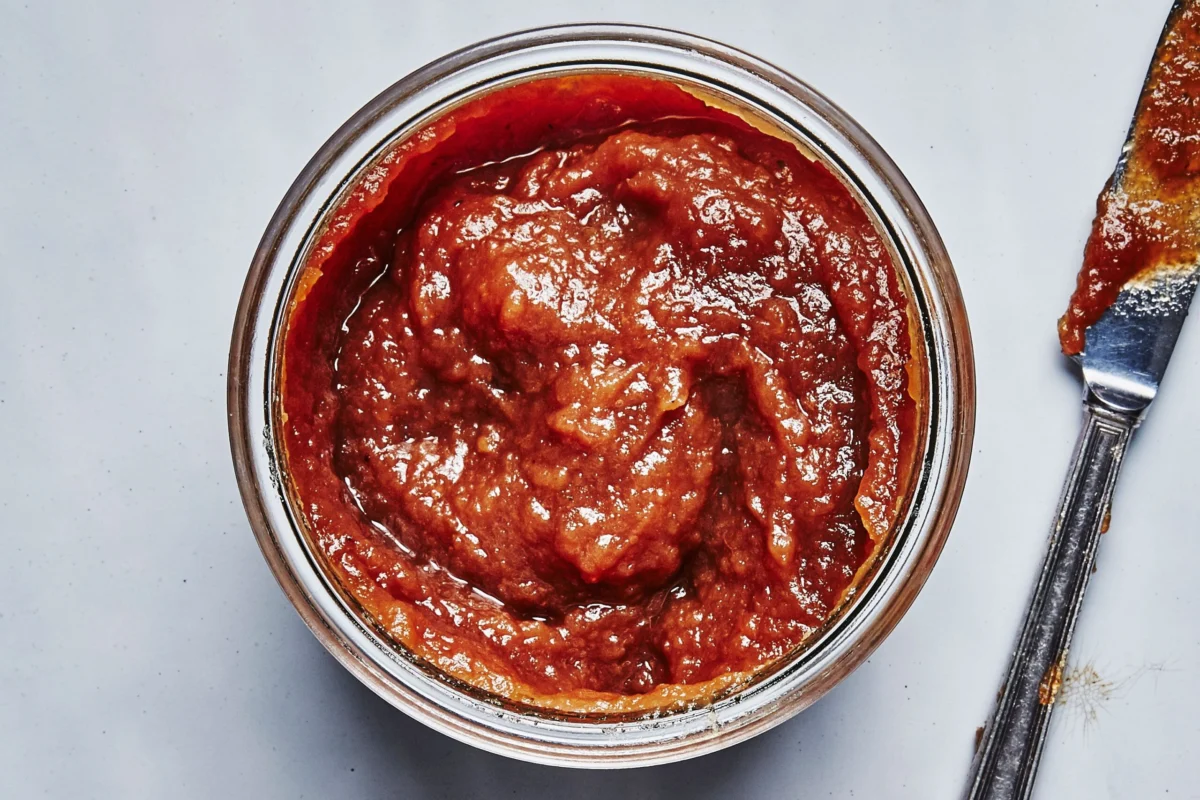
Apple butter, often misconstrued by its nomenclature, is fundamentally a highly concentrated form of applesauce, distinguished by an extended cooking process that transforms it into a dark, velvety, intensely fruity spread. This culinary staple achieves its characteristic texture and rich flavor through prolonged simmering, which caramelizes the fruit sugars and deepens its hue without the inclusion of any actual dairy butter. Typically infused with warm spices such as cinnamon and cloves, and frequently enhanced with apple cider for a sweet-tart complexity, apple butter represents a venerable tradition in fruit preservation and a versatile ingredient in modern gastronomy.
Historical Roots and Evolution of a Culinary Staple
The origins of apple butter can be traced back centuries, primarily to regions in Europe with abundant apple harvests, such as Germany and the Netherlands. In these cultures, fruit preservation techniques were crucial for sustaining populations through lean winter months. Apples, being relatively hardy and storable, became a prime candidate for such methods. The practice of slowly cooking apples down to a thick, spreadable consistency was a natural evolution of applesauce production, designed to extend shelf life and concentrate flavor.
When European immigrants, particularly German settlers, arrived in the American colonies, they brought these culinary traditions with them. The fertile lands of the New World, especially in areas like Pennsylvania and later the Appalachian region, provided an ideal environment for apple orchards to flourish. Apples quickly became a cornerstone of the colonial diet, and apple butter emerged as a vital method of preserving the annual bounty.
Chronology of Apple Butter’s Journey:
- Pre-17th Century Europe: Early forms of fruit preserves, including slow-cooked apple preparations, are common in agricultural communities to utilize excess fruit and provide sustenance during winter.
- 17th-18th Centuries: German and Dutch immigrants introduce their traditional apple butter recipes and preservation techniques to the American colonies, particularly in Pennsylvania, where it quickly becomes a household staple.
- 19th Century: Apple butter production becomes a significant communal event in rural America, especially in the Appalachian Mountains and other apple-growing regions. "Apple Butter Boils" are common harvest-time gatherings, involving large copper kettles set over open fires, requiring continuous stirring by multiple family and community members. This era solidifies apple butter’s place in American culinary heritage.
- Early 20th Century: With the advent of modern canning and refrigeration techniques, home production of apple butter continues, but commercial production begins to emerge, making the spread more widely available beyond regional boundaries.
- Late 20th – 21st Centuries: A resurgence of interest in artisanal, locally sourced, and heritage foods brings renewed appreciation for traditional apple butter. Specialty food stores and farmers’ markets increasingly feature homemade or small-batch varieties, highlighting its natural ingredients and cultural significance.
These communal "apple butter boils" were not merely about food production; they were significant social events, fostering community bonds and passing down culinary knowledge through generations. The slow, arduous process of stirring huge batches of apples for hours, sometimes overnight, underscored the value placed on this essential preserve.
The Craft of Production: From Orchard to Jar
The creation of superior apple butter is an art and a science, beginning with the meticulous selection of apples. Unlike apples destined for pies, which must retain their structural integrity, apple butter requires varieties that readily break down and collapse during cooking. A judicious blend of sweet and tart apples is paramount for achieving a balanced flavor profile. Recommended varieties often include Granny Smith for its tartness, Fuji and Honeycrisp for sweetness and crisp texture, and McIntosh or Golden Delicious for their soft flesh and aromatic qualities. This combination ensures a complex taste that is neither overly sweet nor excessively acidic.
Crucially, for optimal results, there is no need to peel or core the apples prior to initial cooking. The skins contribute a depth of flavor and a natural reddish hue, while the cores are a rich source of pectin. Pectin, a naturally occurring polysaccharide, is a vital gelling agent that aids in the thickening process, contributing to the desired spreadable consistency without the need for artificial additives.
The initial cooking phase involves simmering the sliced apples until they are thoroughly softened. Following this, the mixture is puréed. Traditionally, a food mill is employed for this task, efficiently separating the cooked apple pulp from the skins, seeds, and any whole spices that may have been added. This method also imparts a smooth, consistent texture. For those without a food mill, pressing the cooked mixture through a fine-mesh strainer using a flexible spatula can achieve similar results, albeit with slightly more effort.
The puréed apples then undergo the most critical stage: extended simmering. This phase, often lasting several hours, is where the magic truly happens. Over low heat, moisture evaporates, concentrating the apple solids and sugars. This concentration process, combined with the Maillard reaction (a chemical reaction between amino acids and reducing sugars that gives browned food its distinctive flavor), is responsible for apple butter’s signature dark brown color and intensely rich, almost caramelized flavor. Constant, gentle stirring is often required to prevent scorching, especially as the mixture thickens.
Flavor enhancements are typically introduced during the cooking process. Cinnamon and cloves are classic choices, imparting a warm, comforting spice profile that complements the apple’s natural sweetness. The addition of apple cider not only provides an extra layer of apple flavor but also contributes a touch of acidity that brightens the overall taste and helps to balance the sweetness. Some recipes may also include allspice, nutmeg, or even a hint of ginger, allowing for subtle regional or personal variations.
Nutritional Profile and Culinary Versatility
Apple butter, by its nature, is a relatively wholesome spread. Primarily composed of fruit, it derives its sweetness predominantly from naturally occurring fruit sugars, though some recipes may include a small amount of added sugar or molasses to further enhance flavor and aid in preservation. Compared to many commercial jams and jellies, which often contain significant amounts of added sugar, traditional apple butter can be a lighter option. It also retains some of the dietary fiber from the apples, even after puréeing, contributing to digestive health. Its fat-free and cholesterol-free profile makes it an attractive alternative to dairy-based spreads.
Beyond its nutritional aspects, apple butter’s true strength lies in its remarkable culinary versatility. Its intense apple flavor and smooth, spreadable texture make it suitable for a wide array of applications:
- Breakfast and Brunch: A classic accompaniment to hot breakfast items, apple butter shines when spooned over fluffy waffles, pancakes, or French toast. It can also be slathered generously on warm toast, biscuits, or English muffins, offering a more complex flavor than plain jam.
- Savory Pairings: Its sweet-tart profile makes it an excellent counterpoint to rich meats. Serving apple butter alongside pork chops, roasted chicken, or even turkey provides a delightful balance of flavors, cutting through the richness of the meat. It can be incorporated into glazes for ham or used as a base for marinades.
- Baking and Desserts: Apple butter is a fantastic ingredient in baking. It can be layered into traditional Appalachian Apple Stack Cake, used as a filling for pastries, tarts, or turnovers, or swirled into muffins and quick breads for added moisture and flavor. A dollop over a scoop of vanilla bean ice cream creates a simple yet elegant dessert.
- Beyond the Basics: Its applications extend further. It can be incorporated into salad dressings, whisked into vinaigrettes for fall salads, or used as a condiment on cheese boards, pairing beautifully with sharp cheddars or creamy brie. Some chefs even experiment with incorporating it into savory sauces for duck or game meats.
Economic Impact and Modern Resurgence
The production of apple butter holds significant economic importance for apple-growing regions. It provides a valuable outlet for apples that may not meet the stringent aesthetic standards for fresh market sale but are perfectly suitable for processing. This helps to reduce food waste and ensures a more complete utilization of the annual apple harvest, contributing to the economic stability of orchards and local agricultural economies. States like Pennsylvania, Virginia, and North Carolina, with their rich apple-growing heritage, continue to be strong centers for both home and commercial apple butter production.
In recent decades, apple butter has experienced a notable resurgence in popularity, driven by several contemporary food trends. There is a growing consumer demand for natural, wholesome, and minimally processed foods, which apple butter, especially artisanal varieties, perfectly embodies. Its connection to heritage and traditional cooking methods appeals to consumers seeking authentic food experiences and a link to culinary history.
Artisan producers, often found at farmers’ markets and specialty food stores, are re-introducing apple butter to new generations, sometimes experimenting with innovative flavor combinations while staying true to traditional techniques. This includes variations with bourbon, maple syrup, or unique spice blends, broadening its appeal. Large commercial producers also continue to supply mainstream markets, ensuring its accessibility.
Broader Implications and Enduring Appeal
The story of apple butter is more than just a recipe; it’s a narrative woven into the fabric of agricultural history, community life, and culinary adaptation. Its enduring appeal lies not only in its delicious taste and versatility but also in what it represents: resourcefulness, tradition, and the simple pleasure derived from transforming nature’s bounty into something exquisite.
Culinary historians often emphasize apple butter’s role as a symbol of early American self-sufficiency and communal spirit. As one might infer from historical accounts, they frequently highlight how "this simple fruit spread encapsulates generations of agrarian wisdom and the ingenuity of pioneers in preserving their harvests." Producers today, whether small-batch artisans or larger operations, face the challenge of balancing traditional, labor-intensive methods with modern efficiency. Many express a deep commitment to preserving the authenticity of the product. "Crafting apple butter is a labor of love," a hypothetical artisan might state, "It connects us to our ancestors and reminds us of the value of patience and natural ingredients."
From an agricultural perspective, analysts often point to apple butter as a crucial component of a diversified apple market. Its demand helps stabilize apple prices and provides a consistent revenue stream for growers, even when fresh market conditions are volatile. "The ability to process a significant portion of the apple crop into value-added products like apple butter is vital for the long-term sustainability of our apple industry," an agricultural spokesperson might reasonably suggest.
In conclusion, apple butter stands as a testament to the timeless appeal of simple ingredients transformed through patience and skill. From its humble European beginnings to its deep roots in American colonial and Appalachian culture, it has evolved from a practical necessity to a cherished culinary delight. Its rich flavor, versatility, and historical significance ensure its continued place on tables and in kitchens, preserving not just fruit, but a rich culinary heritage for generations to come.
