

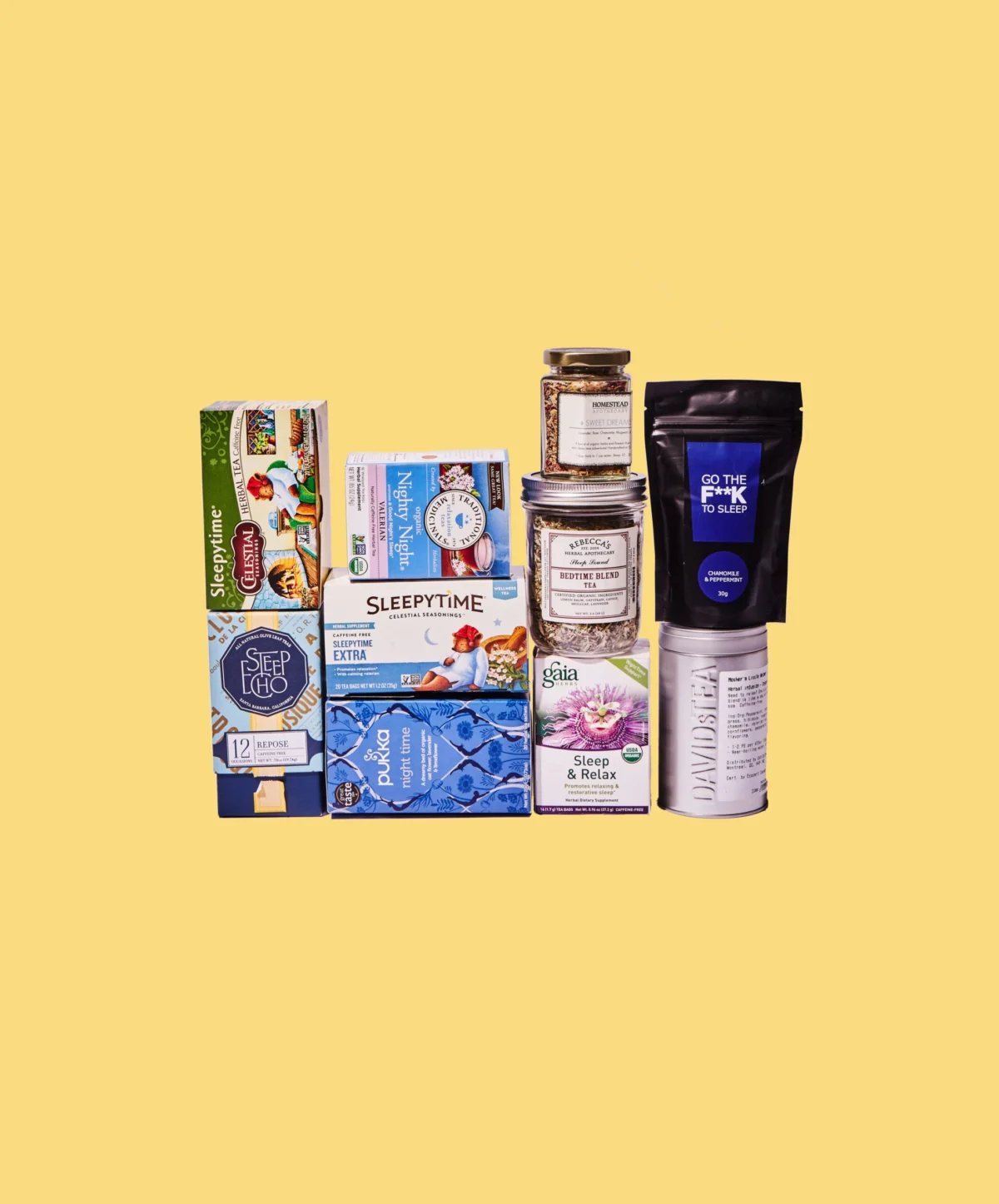
The quest for restorative sleep has driven a significant expansion in the market for herbal sleep aids, with consumers increasingly turning to natural alternatives to address widespread sleep disturbances. What began decades ago with a single, iconic blend has blossomed into a diverse industry, offering an array of botanical concoctions promising tranquility and slumber. This in-depth analysis examines the efficacy, market presence, and consumer appeal of several prominent herbal sleep teas, moving beyond anecdotal experiences to provide a factual and informative overview.
The Pervasive Challenge of Sleep Deprivation
Sleep, a fundamental biological necessity, is increasingly elusive for a significant portion of the global population. According to data from the Centers for Disease Control and Prevention (CDC), over one-third of adults in the United States report not getting enough sleep on a regular basis. Chronic sleep deprivation is linked to a myriad of health issues, including increased risk of obesity, diabetes, cardiovascular disease, and impaired cognitive function. This public health challenge has spurred a booming market for sleep aids, estimated to be worth billions globally, encompassing everything from pharmaceuticals like Ambien to a burgeoning segment of natural and herbal remedies.
Within this landscape, herbal teas have carved out a substantial niche, appealing to consumers seeking gentle, non-habit-forming solutions. The perception of herbal teas as natural, accessible, and free from the side effects associated with some pharmaceutical sleep medications has fueled their popularity. This trend reflects a broader shift towards holistic wellness and self-care, where consumers are more discerning about what they consume and its potential impact on their bodies.

A Brief History of Herbal Sleep Remedies
The use of botanicals to induce sleep and alleviate anxiety is deeply rooted in human history, predating modern pharmacology by millennia. Ancient civilizations across various cultures recognized the sedative properties of certain plants. Valerian root, for instance, has been used as a medicinal herb since ancient Greek and Roman times, with Hippocrates describing its therapeutic properties. Chamomile, another ubiquitous ingredient in modern sleep teas, was revered by the Egyptians for its calming effects and was traditionally used in Europe for insomnia and anxiety.
The modern era saw a significant milestone in 1972 with the introduction of Celestial Seasonings’ original Sleepytime Tea. Featuring its now-iconic comatose bear mascot, this blend quickly became a household name, selling over 4 million boxes annually and cementing the concept of a dedicated "bedtime tea" in the consumer consciousness. Its success paved the way for countless other brands to enter the market, each offering unique blends and approaches to nocturnal relaxation. The increasing mainstream acceptance of herbal remedies, sometimes driven by parallel developments in cannabis legalization and a general destigmatization of plant-based medicine, has further broadened the choices available to consumers.
The Science Behind the Serenity: Key Herbal Ingredients
The effectiveness of herbal sleep teas often hinges on the synergistic action of various botanical compounds. While individual reactions can vary significantly, several key ingredients are consistently employed for their purported sedative and anxiolytic (anxiety-reducing) properties:

- Valerian Root (Valeriana officinalis): Widely regarded as one of the most potent herbal sleep aids, valerian is believed to enhance the amount of gamma-aminobutyric acid (GABA) in the brain. GABA is a neurotransmitter that helps regulate nerve impulses in the brain and nervous system. Low levels of GABA are associated with anxiety and poor sleep. Studies on valerian have shown mixed but generally positive results in improving sleep quality and reducing the time it takes to fall asleep, particularly for those with mild to moderate insomnia. Its distinctive earthy, sometimes "funky" aroma is a hallmark.
- Chamomile (Matricaria chamomilla): A gentle yet effective herb, chamomile contains apigenin, an antioxidant that binds to specific receptors in the brain that may decrease anxiety and initiate sleep. It is often lauded for its mild sedative and muscle-relaxing effects, making it suitable for those seeking light relaxation rather than heavy sedation.
- Passionflower (Passiflora incarnata): This beautiful vine is another popular choice for sleep and anxiety. Research suggests passionflower may also work by increasing GABA levels in the brain, leading to a calming effect. It is frequently included in blends targeting stress-induced sleeplessness.
- Lemon Balm (Melissa officinalis): Known for its bright, citrusy aroma, lemon balm has a long history of use for improving mood and cognitive function, as well as reducing stress and aiding sleep. It is often combined with valerian or chamomile to enhance its calming properties.
- Catnip (Nepeta cataria): While famously stimulating for felines, catnip has a paradoxical calming effect on humans. It contains nepetalactone, which is thought to have mild sedative properties. It is less common in mainstream sleep teas but is sometimes found in artisanal or specialized blends, acting as a muscle relaxant and nerve soother.
- Skullcap (Scutellaria lateriflora): This herb is traditionally used to calm the nervous system, reduce anxiety, and promote sleep. It is believed to act as a nervine, helping to soothe overactive nerves without causing excessive drowsiness.
- Oatstraw (Avena sativa): Derived from the green oat plant, oatstraw is considered a nervine tonic, supporting the nervous system and helping to alleviate exhaustion and stress. It is often used in blends designed for long-term nervous system support rather than immediate sedation.
It is crucial to note that while many herbal remedies have a long history of traditional use and some scientific backing, the herbal supplement market is not as rigorously regulated as pharmaceuticals. Consumers are advised to approach these products with an understanding that effects can vary, and consultation with a healthcare professional is always recommended, especially for individuals with underlying health conditions or those taking other medications.
Top Contenders in the Sleep Tea Market: An Evaluative Review
A comprehensive assessment of various herbal sleep teas reveals a spectrum of potencies, flavor profiles, and target applications. This review, synthesized from extensive consumer feedback and product analysis, highlights key characteristics of leading brands.
1. Traditional Medicinals Nighty Night Extra Valerian
- Profile: This blend is consistently cited as a potent solution for significant sleep disturbances. Its strength lies in its concentrated valerian root content, augmented by passionflower, an herb recognized for its anxiolytic properties.
- Efficacy: Users seeking a rapid and profound sedative effect frequently praise its ability to induce sleep. The "Extra" designation is well-earned, positioning it beyond milder calming teas. It is often recommended for individuals grappling with intrusive thoughts or severe anxiety that prevents sleep.
- Flavor and Aroma: The tea presents a distinctly earthy and somewhat "funky" aroma, a characteristic often associated with valerian. While the scent can be strong, the taste is generally described as mellow, avoiding the bitterness sometimes found in heavily herbal infusions. The subtle notes of what some describe as "gym socks" are quickly overshadowed by its undeniable effectiveness.
- Target Consumer: Ideal for those who require a powerful, fast-acting sleep aid and are not deterred by its robust herbal profile. It’s particularly suited for nights of intense mental overactivity or high stress.
- Verdict: Highly effective for deep sleep induction. Its strength makes it a reliable choice for challenging nights.
2. David’s Tea Mother’s Little Helper

- Profile: A loose-leaf blend known for its intense and complex flavor profile, combining minty, citrusy, and pronounced medicinal notes. Valerian root is a dominant ingredient, indicating its serious intent as a sleep aid.
- Efficacy: This tea is noted for its strong sedative qualities, with reports of significant drowsiness even during daytime consumption, underscoring its potency. It is best reserved for severe cases of sleeplessness or high-stress evenings where deep relaxation is paramount.
- Flavor and Aroma: The scent is potent and pervasive, characterized by lemongrass and other strong herbal essences, necessitating careful storage to prevent flavor transfer to other teas. Its robust flavor can be bitter for some, though adding honey is a common recommendation to enhance palatability.
- Target Consumer: Best for individuals accustomed to strong herbal flavors and those in need of a powerful, "no-nonsense" sleep inducer for exceptionally stressful periods.
- Verdict: A seriously effective sleep aid, albeit with a bold flavor that may require customization. Its strong impact mandates careful timing of consumption.
3. Steep Echo Repose
- Profile: This brand distinguishes itself with a unique base of olive leaves, an ingredient less common in traditional sleep blends. The elegant packaging and sophisticated branding suggest a more refined, boutique experience.
- Efficacy: Unlike the more potent valerian-heavy options, Steep Echo Repose offers a gentler, more calming effect rather than outright sedation. Its blend of chamomile and rose contributes to a pleasant, soothing experience designed for stress reduction.
- Flavor and Aroma: The tea boasts a "lovely" flavor profile, evoking floral arrangements and a sense of luxury. It is designed to match its aesthetic, providing a sensory experience that complements its calming properties. The potency increases with steeping time, allowing for customizable strength.
- Target Consumer: Suited for individuals seeking a milder, sophisticated herbal tea to alleviate late-afternoon stress or general anxiety, rather than a strong sleep aid for severe insomnia. It appeals to those who prioritize sensory experience and subtle relaxation.
- Verdict: An excellent choice for stress relief and gentle calming, providing a luxurious experience without the heavy sedative effects of some other blends.
4. Celestial Seasonings Sleepytime Extra
- Profile: This tea is a classic in the herbal sleep aid category, instantly recognizable by its enduring "snoring bear" mascot. It represents a widely accessible and comforting option, building on decades of consumer trust. The "Extra" version incorporates valerian root to enhance its sedative properties beyond the original blend.
- Efficacy: Sleepytime Extra is a reliable and comforting choice, offering a balanced blend of traditional sleep-inducing herbs like chamomile and mint with the added power of valerian. It delivers a noticeable sedative effect without being overwhelmingly strong.
- Flavor and Aroma: It provides a familiar, slightly sweet, and minty flavor profile, with a strong chamomile presence. The blend is crafted to be palatable and comforting, avoiding the bitterness often associated with more potent herbal teas. Its widespread availability makes it a convenient option for many.
- Target Consumer: An ideal "everyday" sleep tea for a broad audience. It appeals to those seeking a dependable, comforting, and moderately effective sleep aid that is readily available. Its nostalgic appeal also draws in long-time users.
- Verdict: A quintessential herbal sleep tea, offering a comforting flavor and reliable efficacy. It serves as a strong, accessible benchmark for the category.
5. Rebecca’s Herbal Apothecary Bedtime Blend
- Profile: This blend ventures into less conventional territory with ingredients like catnip, oatstraw, lavender, and skullcap. It reflects a more artisanal or specialized approach to herbal medicine, often recommended by practitioners of holistic wellness.
- Efficacy: This tea offers a calm, relaxed energy rather than an immediate knockout effect. Catnip, typically known for its stimulating effects on cats, acts as a muscle-relaxing nervine in humans, contributing to overall relaxation. The combination of ingredients aims to soothe the nervous system gently.
- Flavor and Aroma: The tea brews to a darker, grayish hue and has an aroma described as oatmeal-like. The taste is mellow, with subtle hints that some interpret as "hay," suggesting a natural, unprocessed character. It intentionally avoids the common chamomile or licorice flavors found in many sleep teas.
- Target Consumer: Best suited for those who prefer alternative herbal blends and are looking for a gentle relaxant that can be used both day and night. It caters to individuals who may not respond well to more common sleep tea ingredients or who seek a nuanced calming experience.
- Verdict: A unique and subtle blend that provides calm and relaxation without heavy sedation, appealing to those seeking an alternative flavor profile and a less intense effect.
Expert Perspectives and Regulatory Challenges
Herbalists consistently emphasize the principle of bio-individuality, noting that "each body reacts differently to herbs." This underscores the highly personal nature of finding an effective herbal sleep aid. What works profoundly for one person might have little to no effect on another, or even produce an inverse reaction, such as valerian energizing some individuals instead of sedating them. This variability makes broad recommendations challenging and highlights the importance of personal experimentation and careful observation.

From a medical standpoint, while herbal teas are generally considered safe for most healthy adults when consumed as directed, healthcare professionals advise caution. They stress that these teas are not a substitute for addressing underlying sleep disorders or medical conditions. The lack of stringent regulation in the herbal supplement industry means that product potency, purity, and even ingredient claims can vary significantly between brands and batches. Consumers are encouraged to purchase from reputable manufacturers, be aware of potential interactions with medications, and always consult a doctor before incorporating new supplements, especially if pregnant, nursing, or managing chronic health issues. The casual mention of pharmaceutical options like Ambien in the original context serves as a stark reminder that herbal remedies exist on a different plane of regulation and intended use compared to prescription medications.
Implications for Consumers and Market Trends
The robust and expanding market for herbal sleep teas reflects a persistent consumer demand for accessible, natural ways to improve sleep quality. The array of products available, from potent sedatives to gentle relaxants, allows for personalized solutions based on individual needs and preferences. However, this abundance also places a greater responsibility on the consumer to be informed.
Key implications include:
- Informed Choice: Consumers must educate themselves on the properties of different herbs and the potential effects of various blends. Understanding that "sleepy-time tea" is not a monolithic category, but rather a spectrum of effects, is crucial.
- Managing Expectations: Herbal teas are generally mild in action compared to prescription drugs. Setting realistic expectations about their efficacy is important to avoid disappointment.
- Quality and Sourcing: Given the regulatory landscape, consumers should prioritize brands known for their quality control, transparent sourcing, and organic certifications where possible, to ensure product purity and potency.
- Holistic Approach: Herbal teas are often most effective as part of a broader sleep hygiene strategy, which includes a consistent sleep schedule, a comfortable sleep environment, avoidance of caffeine and alcohol before bed, and stress management techniques.
The market for herbal sleep teas is likely to continue its growth trajectory, driven by ongoing interest in natural wellness and the persistent challenge of sleep deprivation. Innovations in ingredient blends, sustainable sourcing, and appealing branding will continue to shape consumer choices, offering an ever-evolving palette of botanical solutions for the elusive dream of a good night’s sleep.
