

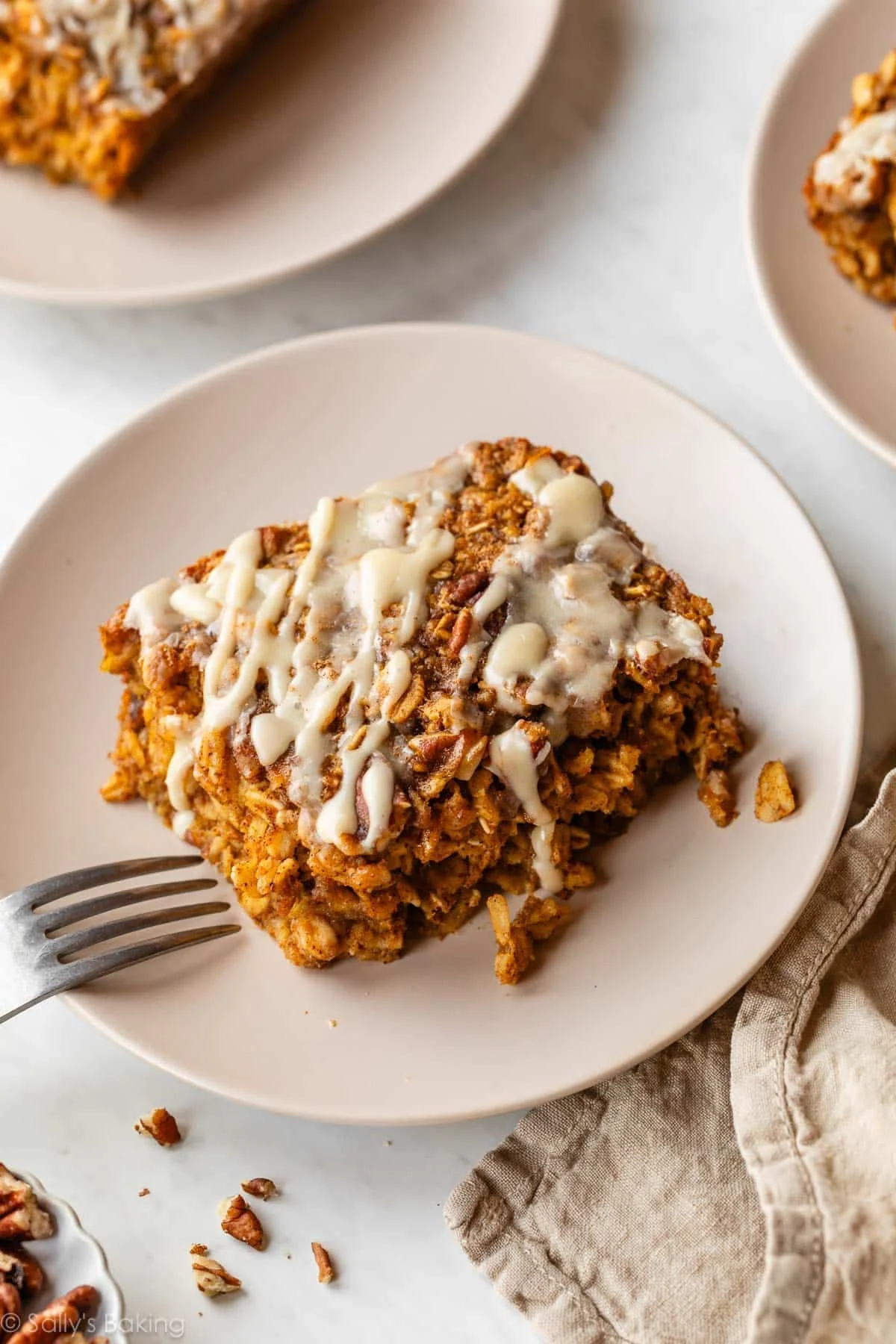
Pumpkin baked oatmeal represents a significant evolution in contemporary breakfast culture, merging the comforting appeal of traditional pumpkin bread with the wholesome, sustained energy of oatmeal into a single, satisfying dish. This preparation, characterized by its use of robust pumpkin puree and a fragrant medley of pumpkin pie spices, distinguishes itself through a remarkably streamlined, one-bowl preparation process and its capacity to bake into a soft, warm, and uniformly spiced breakfast casserole. Its burgeoning popularity underscores a broader consumer shift towards nutritious, convenient, and seasonally appropriate meal options that align with both health-conscious living and efficient meal planning.
The concept of baked oatmeal, while not entirely novel, has experienced a resurgence, particularly within communities seeking alternatives to stovetop preparations that demand constant attention. Unlike its stirred counterpart, baked oatmeal offers a unique textural profile: a creamy interior juxtaposed with subtly chewy edges, making it structurally robust enough to be sliced and served. This method transforms a typically fluid breakfast into a more substantial, almost cake-like form, providing increased satiety and a more refined presentation. For those familiar with traditional baked oatmeal or its banana-infused variations, the transition to a pumpkin rendition is intuitive, leveraging established preparation ease with a seasonally relevant flavor profile. The primary advantage lies in its hands-off baking process, allowing the oven to complete the cooking after a brief initial whisking of ingredients, thereby freeing up valuable morning time.
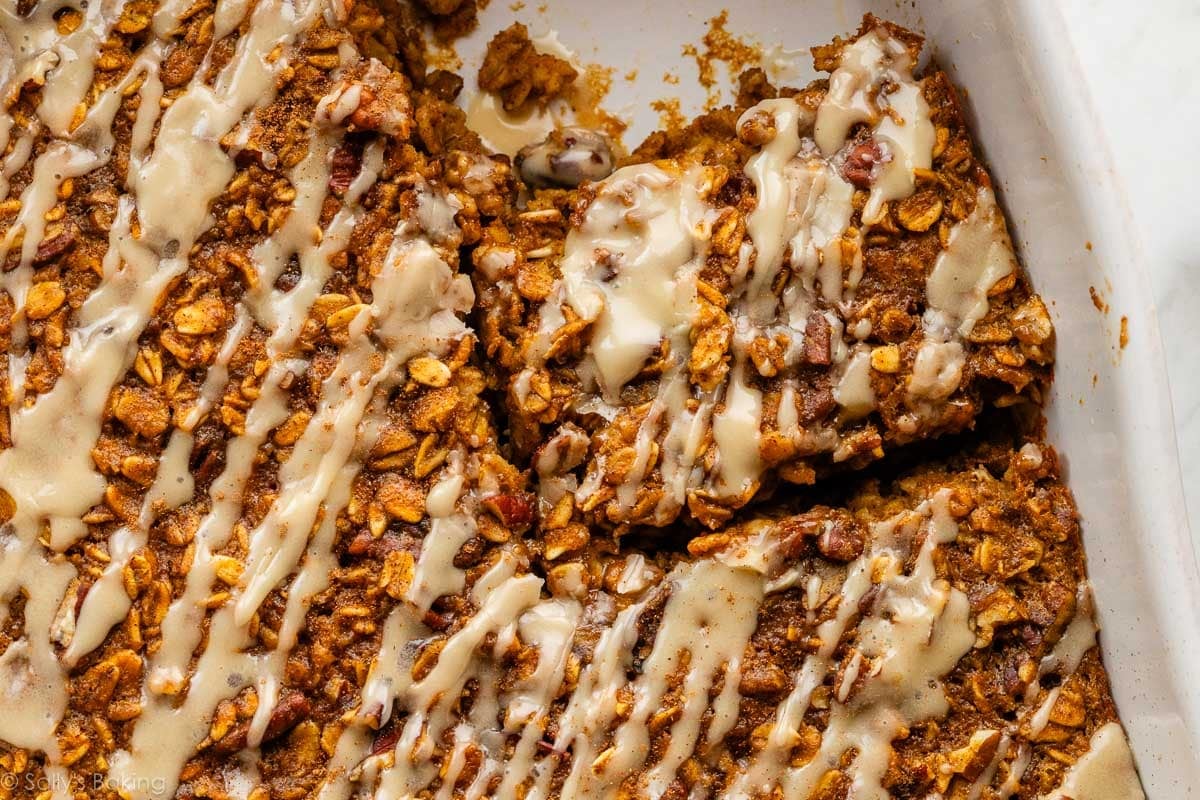
Beyond its preparation simplicity, pumpkin baked oatmeal addresses a crucial demand in modern lifestyles: the need for make-ahead meals. The recipe yields multiple servings, which can be stored and reheated with remarkable ease, maintaining its desirable texture and flavor for up to a week in refrigeration. This characteristic positions it as an ideal candidate for weekly meal preparation, offering a consistent, warm, and comforting breakfast solution without the daily effort. The ability to freeze individual portions for up to three months further extends its utility, providing a readily available option for busy mornings, mitigating the need for quick, often less nutritious, alternatives.
The Genesis and Evolution of Baked Oatmeal as a Breakfast Staple
Oatmeal, derived from oats (Avena sativa), has been a fundamental component of human diets for millennia, prized for its caloric density and nutritional benefits, particularly in regions where oats thrive as a crop. Historically consumed as a porridge, its preparation typically involved cooking oats with water or milk over heat until thickened. The advent of baked oatmeal represents a modern adaptation, likely emerging in the early 20th century as a means to diversify oatmeal consumption and integrate it into broader casserole traditions. This method offered a way to incorporate additional ingredients—fruits, nuts, spices—more uniformly and to produce a more substantial, sliceable product.
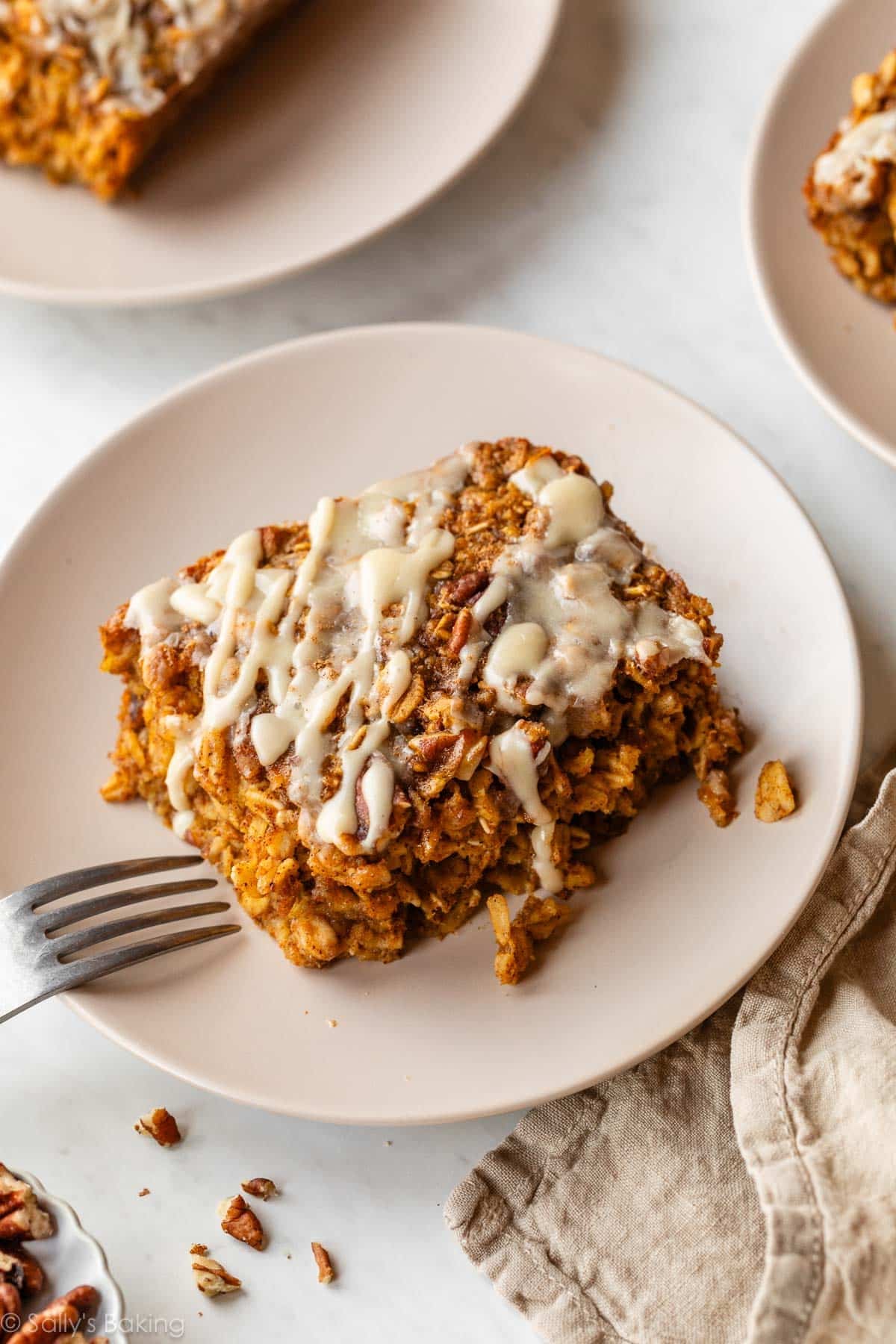
The 21st century has witnessed a significant acceleration in the popularity of baked oatmeal, driven by several interlocking trends. Firstly, the emphasis on healthy eating and the recognition of oats as a superfood—rich in soluble fiber (beta-glucan), vitamins, and minerals—has propelled its consumption. Secondly, the proliferation of food blogs and social media platforms has facilitated the rapid dissemination of innovative recipes, transforming traditional dishes into contemporary culinary experiences. Baked oatmeal, with its photogenic qualities and inherent customizability, proved particularly amenable to this digital trend. Finally, the growing demand for convenient meal solutions, especially for breakfast, has cemented its place. Consumers, increasingly time-constrained, seek options that minimize morning preparation without compromising on nutrition or taste. The "set it and forget it" nature of baked oatmeal aligns perfectly with this ethos.
The Ubiquitous Charm of Pumpkin and Fall Spices
The integration of pumpkin into baked oatmeal taps into one of the most powerful seasonal culinary trends: the "pumpkin spice phenomenon." Originating prominently in the early 2000s, the flavor profile—a blend of cinnamon, nutmeg, ginger, cloves, and sometimes allspice—has transcended its initial application in lattes to permeate virtually every food category during the autumn months. This widespread adoption is not merely a passing fad; market analyses consistently demonstrate a substantial annual surge in sales for pumpkin-flavored products, often beginning as early as late August.
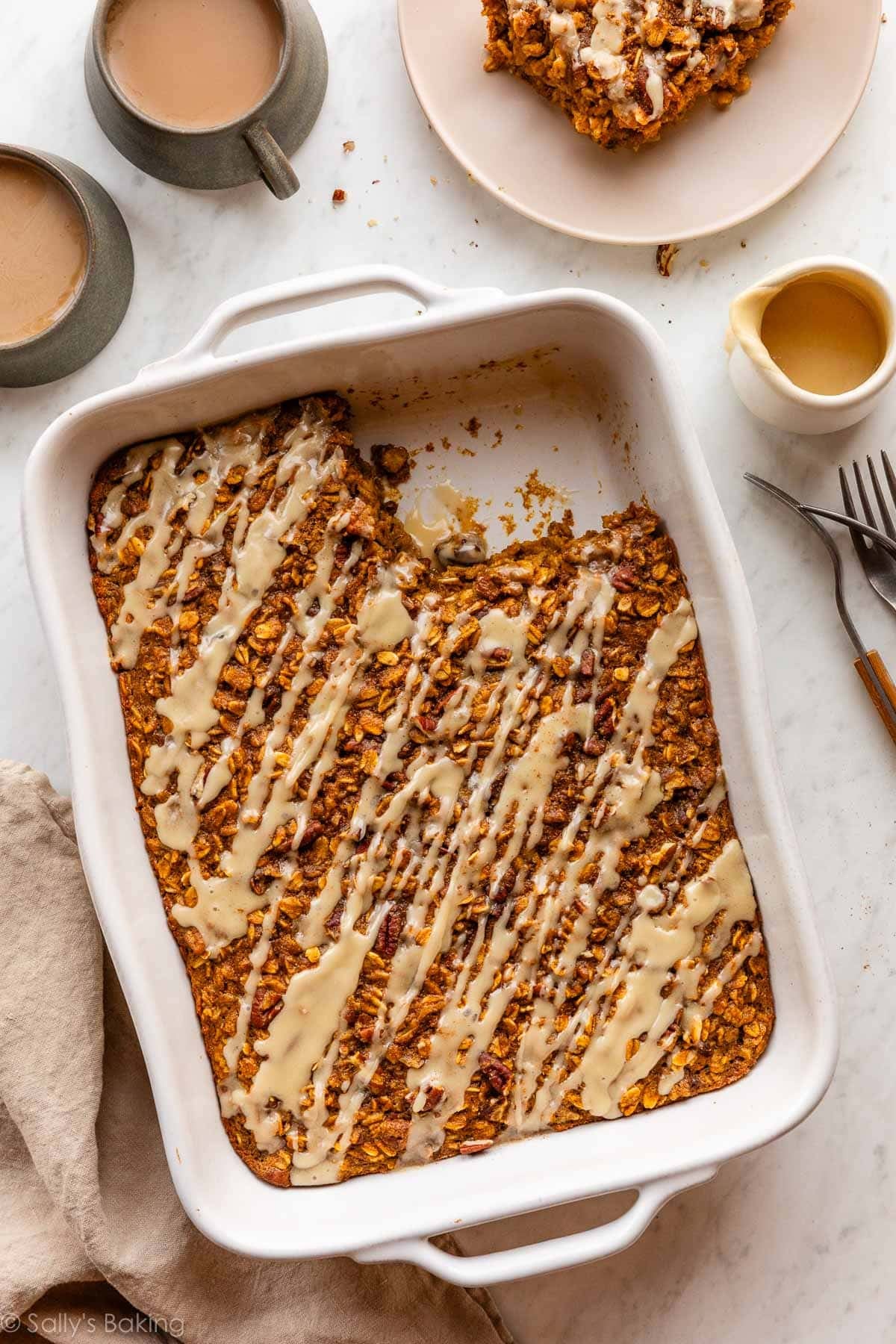
The appeal of pumpkin and its associated spices is multifaceted. Psychologically, these flavors evoke a sense of warmth, comfort, and nostalgia, strongly associated with autumn holidays, family gatherings, and cooler weather. From a sensory perspective, the rich, earthy sweetness of pumpkin puree combined with the pungent, aromatic spices creates a complex and deeply satisfying flavor profile. Economically, the pumpkin spice trend provides a significant boost to seasonal agricultural markets and food manufacturers, contributing billions to the economy annually. For the baked oatmeal, pumpkin puree adds not only flavor but also a desirable moistness and a vibrant orange hue, enhancing its visual appeal and textural integrity.
Nutritional Profile and Wholesome Ingredients
The foundational components of pumpkin baked oatmeal contribute to a robust nutritional profile, making it a genuinely wholesome breakfast choice.
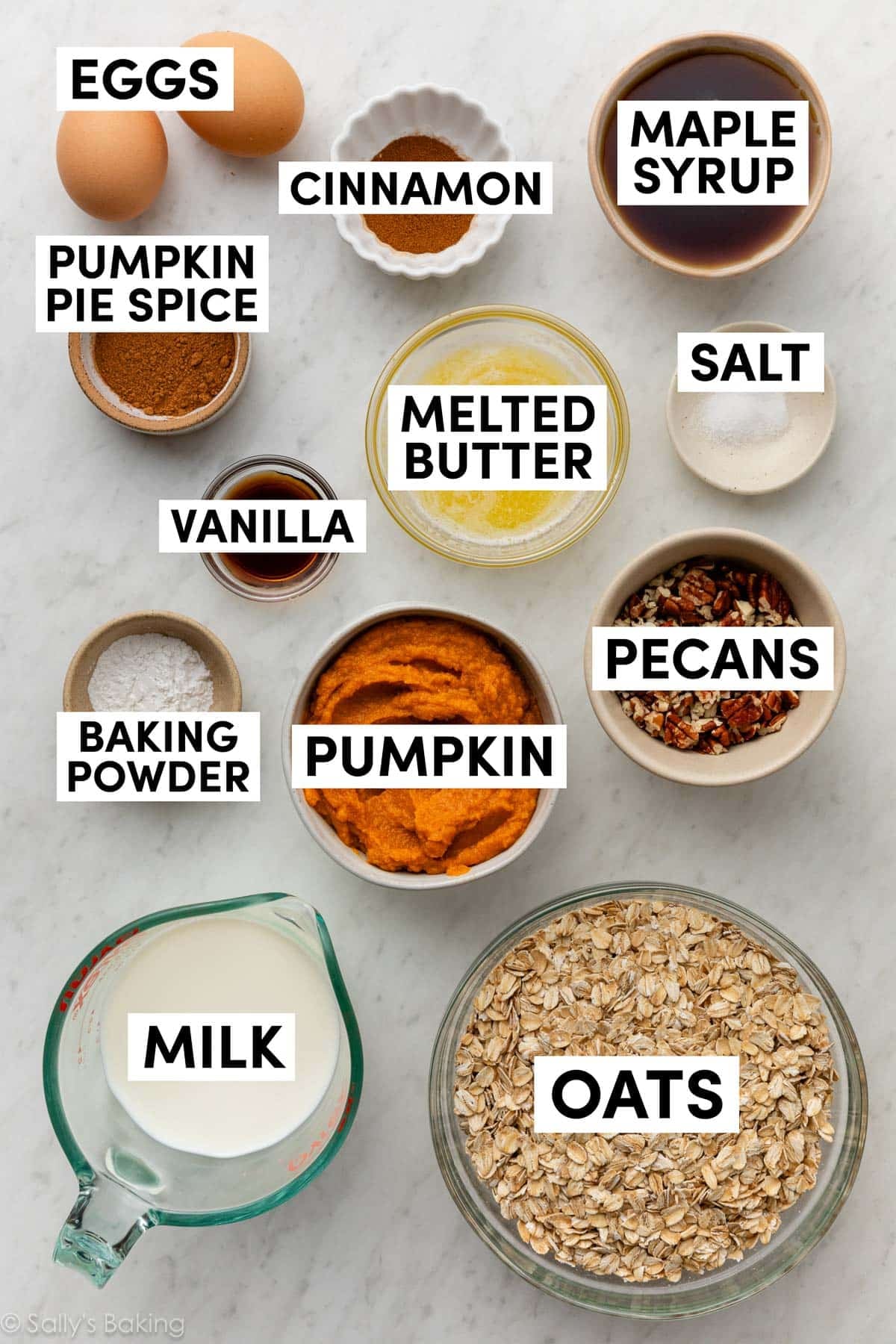
- Rolled Oats: As the primary ingredient, rolled oats are a powerhouse of nutrition. They are an excellent source of dietary fiber, particularly beta-glucan, which is renowned for its cholesterol-lowering properties and its ability to promote satiety, aiding in weight management. Oats also provide complex carbohydrates for sustained energy release, along with essential vitamins and minerals such as manganese, phosphorus, magnesium, copper, iron, and zinc.
- Pumpkin Puree: Beyond its characteristic flavor, pumpkin puree is rich in beta-carotene, a powerful antioxidant that the body converts into Vitamin A, crucial for vision, immune function, and skin health. It also supplies Vitamin C, potassium, and a modest amount of fiber, contributing to digestive health.
- Eggs: Serving as a binding agent and adding richness, eggs are a complete protein source, containing all nine essential amino acids. They also provide choline, essential for brain health, and various vitamins like B12 and D.
- Milk: Whether dairy or plant-based, milk contributes calcium for bone health and additional protein. The choice of milk can also influence the fat content and dietary suitability (e.g., almond milk for lactose intolerance).
- Maple Syrup/Brown Sugar: While providing sweetness, maple syrup, in particular, offers trace minerals and antioxidants. The controlled use of these natural sweeteners ensures the dish remains flavorful without excessive sugar content, a common concern in many processed breakfast foods.
- Melted Butter/Coconut Oil: These fats contribute to the oatmeal’s tender texture and carry the fat-soluble flavors of the spices. Butter adds a classic richness, while coconut oil offers a plant-based alternative with its own distinct flavor profile.
- Pumpkin Pie Spice: This blend of spices—cinnamon, nutmeg, ginger, cloves—not only defines the flavor but also offers potential health benefits. Cinnamon, for instance, has been studied for its anti-inflammatory and blood sugar-regulating properties.
Streamlined Preparation: The One-Bowl Advantage
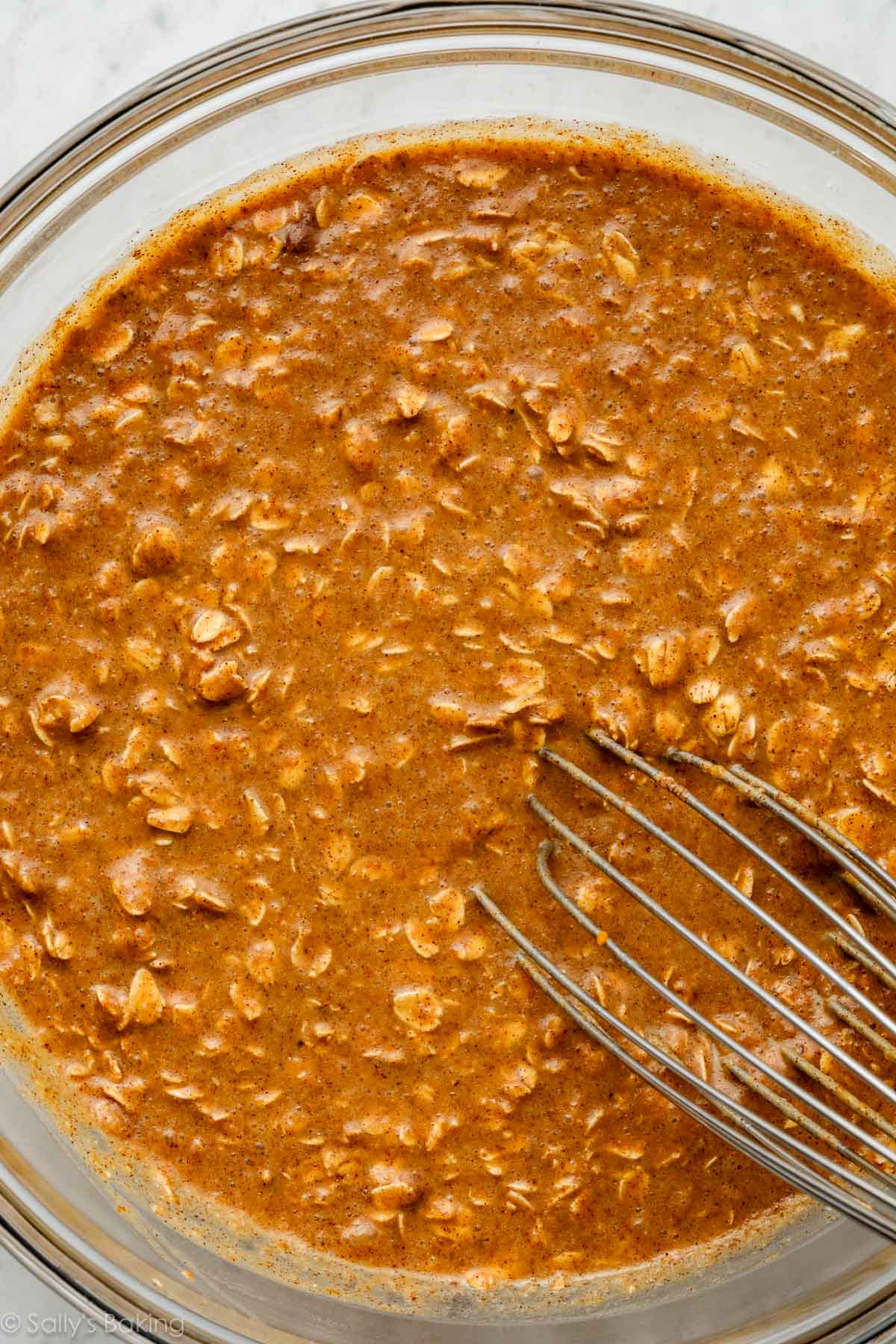
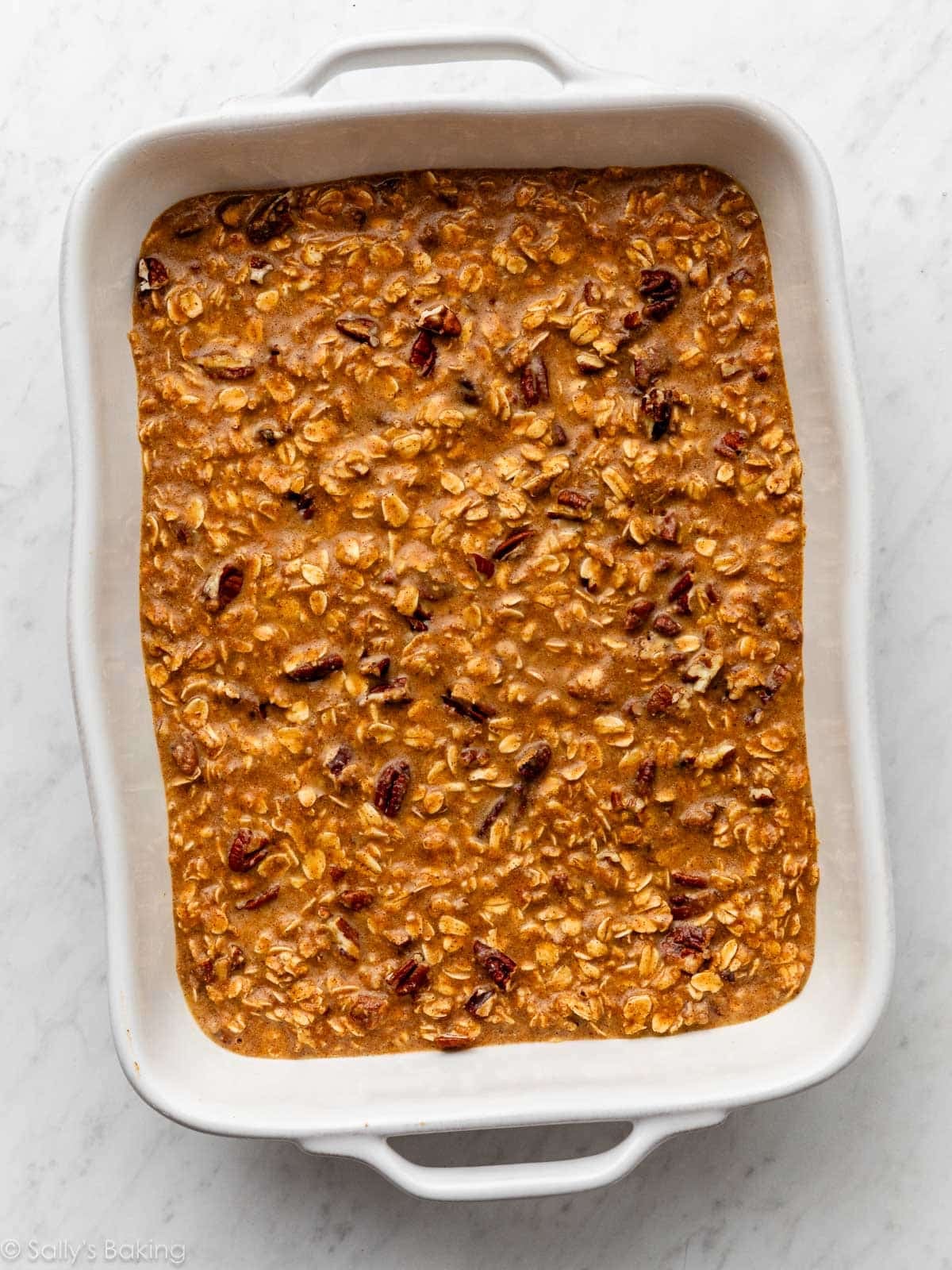
A significant factor contributing to the practical appeal of pumpkin baked oatmeal is its minimalist preparation. The entire mixture comes together in a single bowl, a feature that drastically reduces cleanup and simplifies the cooking process. This "one-bowl" methodology is highly valued in contemporary kitchens, aligning with trends that prioritize efficiency and minimize culinary fuss. The steps are straightforward: combine all wet and dry ingredients, whisk until integrated, and then pour into a prepared baking dish. Optional additions like chopped nuts (pecans, walnuts), chocolate chips, or dried cranberries can be stirred in or sprinkled on top, offering customization without complicating the core process.
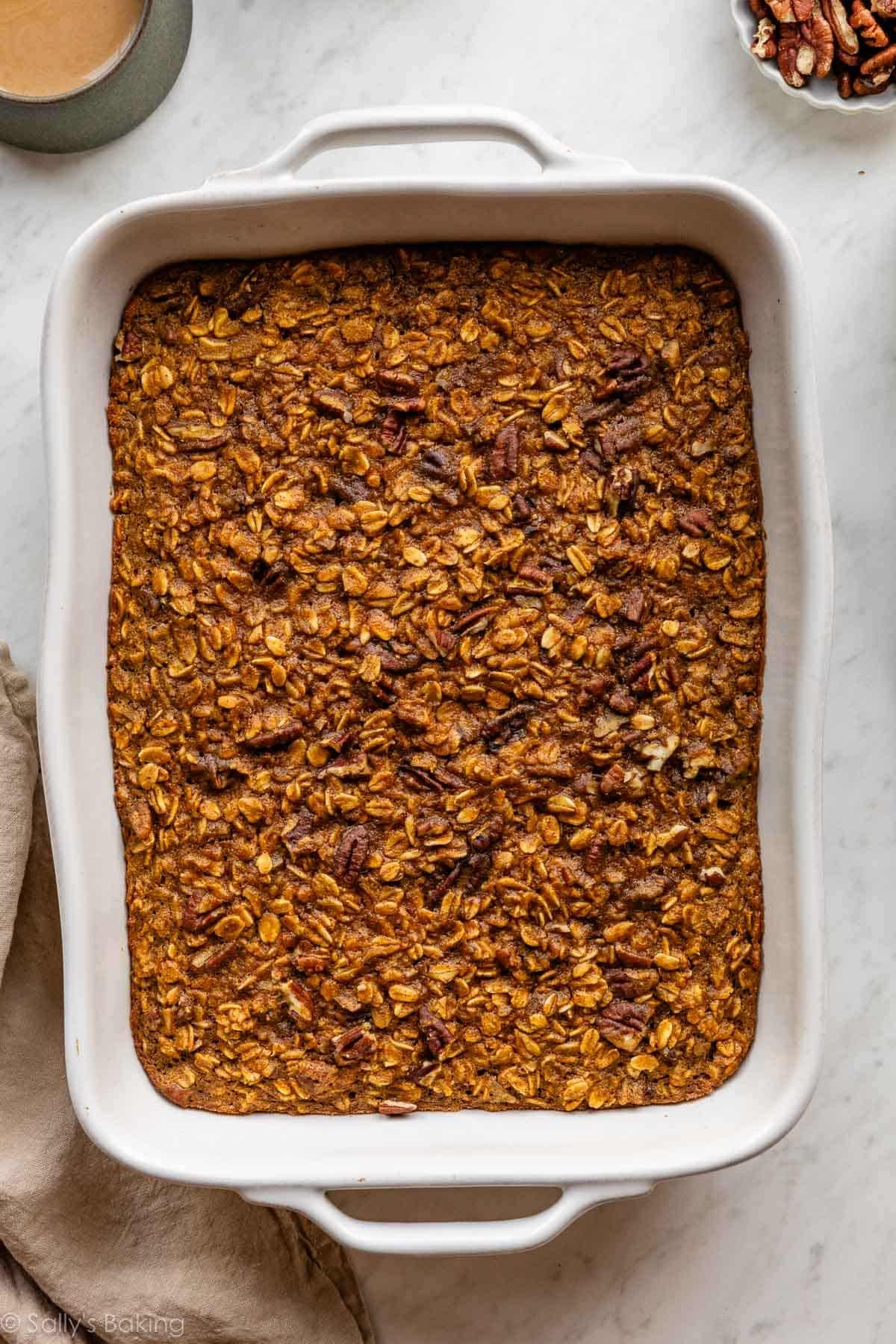
Crucially, achieving the ideal texture is paramount for baked oatmeal. Culinary experts often advise against over-baking, recommending that the center appear almost set when removed from the oven. This allows for residual heat to complete the cooking process as the dish cools, ensuring a soft, creamy interior rather than a dry, overly firm consistency. This nuance in baking technique is a key determinant of the final sensory experience.
Enhancements and Versatility: Beyond the Basic Bake
While delicious on its own, pumpkin baked oatmeal serves as an excellent canvas for further culinary embellishments. A simple drizzle of maple syrup or a dollop of Greek yogurt enhances its flavor and provides additional protein and tang. For more celebratory breakfasts or special occasions, an easy maple glaze, crafted from powdered sugar and maple syrup, can elevate the dish into a decadent treat. This adaptability allows the baked oatmeal to transition from an everyday staple to a more festive offering with minimal effort.
The versatility extends to portioning as well. For those who prefer individual servings or a more portable option, the recipe can be adapted into pumpkin baked oatmeal cups, providing pre-portioned, grab-and-go breakfasts that offer the same flavor and nutritional benefits in a convenient, muffin-sized format. This speaks to the broader trend of meal prepping and the demand for food that fits into dynamic, on-the-go lifestyles.
Expert Commentary and Market Implications
Food industry analysts and nutritionists largely commend the rise of dishes like pumpkin baked oatmeal. Dr. Eleanor Vance, a leading nutritionist specializing in public health, notes, "Baked oatmeal, especially with nutrient-dense additions like pumpkin and oats, exemplifies a perfect marriage of convenience and nutrition. It provides sustained energy, is rich in fiber, and allows for easy incorporation of fruits and healthy fats, making it an excellent choice for individuals and families seeking healthier breakfast options."
Retail market data supports the increasing consumer interest. Reports from major grocery chains indicate a steady increase in sales of rolled oats, pumpkin puree, and baking spices during the autumn months, directly correlating with the popularity of seasonal recipes. A survey conducted by a prominent culinary insights firm revealed that over 60% of consumers prioritize "easy preparation" and "make-ahead potential" when selecting breakfast recipes, with "seasonal flavors" ranking highly among preferred attributes during specific times of the year. This data underscores that pumpkin baked oatmeal is not merely a niche recipe but a reflection of significant shifts in consumer preferences and lifestyle demands.
The broader implications of such culinary trends extend beyond individual kitchens. The emphasis on seasonal ingredients supports local agriculture, particularly pumpkin farming. The demand for convenient, wholesome foods encourages food manufacturers to innovate and offer products that align with these consumer values. Furthermore, the accessibility of such recipes through digital platforms fosters a sense of culinary community and empowers individuals to prepare nutritious meals at home, contributing to overall public health outcomes.
In conclusion, pumpkin baked oatmeal stands as a compelling example of how traditional ingredients and methods can be re-imagined to meet contemporary needs. It embodies the desire for comfort, convenience, and health in one harmonious dish, solidifying its position as a cherished and enduring breakfast option, particularly during the autumn season. Its widespread appeal and adaptability suggest it will continue to be a staple for those seeking a wholesome, flavorful, and effortlessly prepared start to their day.
