

The annual release of holiday gift guides has undergone a significant transformation in recent years, shifting from generic commercial recommendations toward highly curated, niche selections that prioritize utility, accessibility, and the support of small-scale artisans. This trend is exemplified by the latest release from Legal Nomads, a platform that has transitioned its focus from global nomadic travel to the intersection of lifestyle, chronic illness management, and functional design. Following a life-altering medical diagnosis involving a spinal cerebrospinal fluid (CSF) leak, the guide’s curator, Jodi Ettenberg, has pivoted her recommendations to reflect a "little different" life—one where day-to-day functionality and comfort take precedence over traditional travel souvenirs.

The Strategic Shift Toward Adaptive and Ergonomic Design
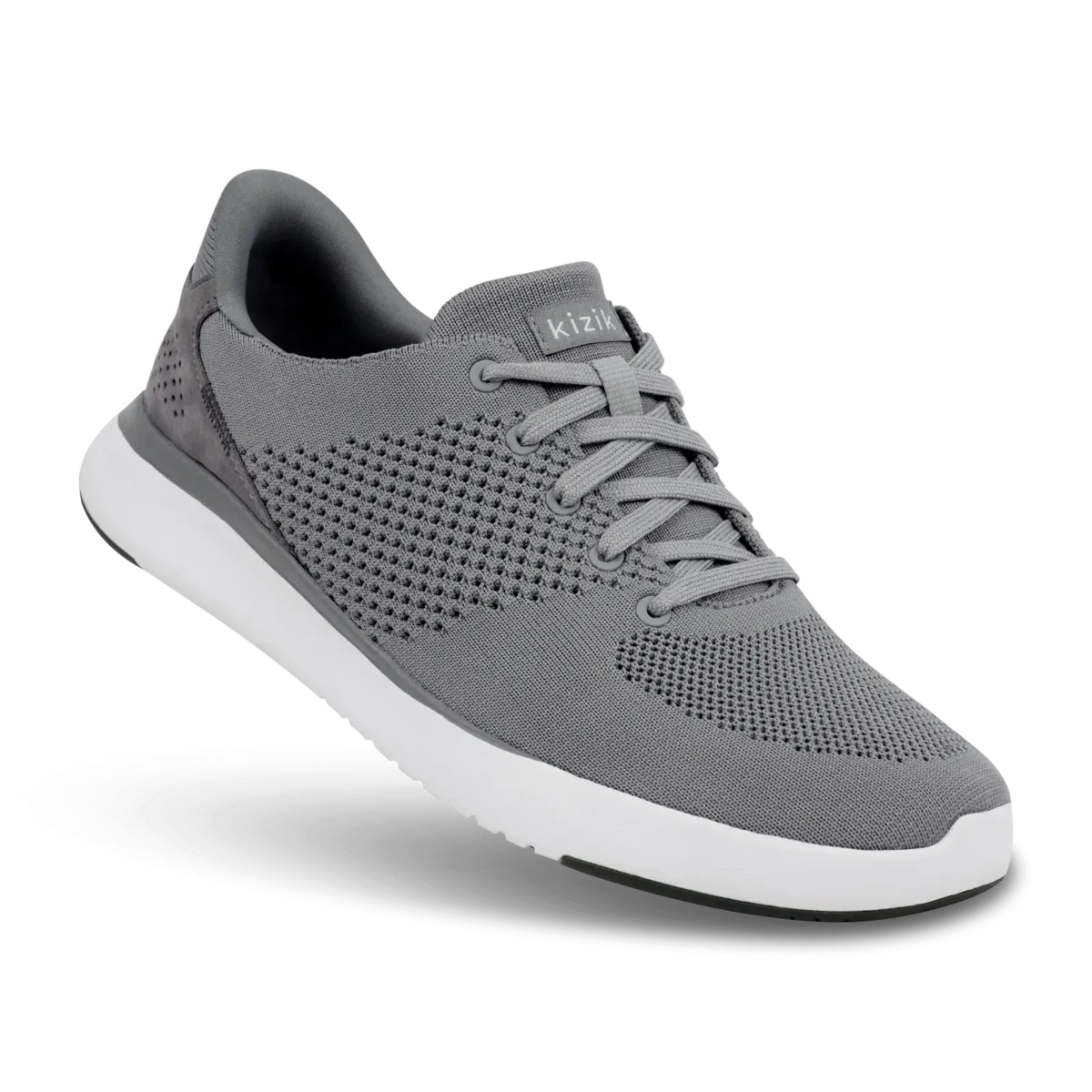
A primary focus of the modern gift guide is the integration of adaptive technology into everyday fashion. The inclusion of Kizik hands-free footwear highlights a growing market segment: the adaptive clothing industry. According to market research, the global adaptive clothing market was valued at approximately $300 billion in 2021 and is projected to grow significantly as the aging population and people with disabilities demand products that do not sacrifice aesthetics for functionality.

The Kizik brand utilizes patented titanium arc technology, allowing users to slip into shoes without bending or using their hands. For individuals suffering from spinal CSF leaks or other mobility-restricting conditions, the ability to avoid the "crouch and tie" motion is not merely a convenience but a medical necessity. The guide notes that while newer models like the Lima remain popular, the ergonomic "heel drop" is a critical factor for those with spinal sensitivities, illustrating a deeper level of consumer awareness regarding orthopedic health.

Similarly, the guide emphasizes ergonomic kitchen tools, specifically the Nakano lightweight chef’s knife. Weighing only 185 grams, this implement addresses the needs of individuals with limited upper-body strength or nerve pain. The transition from heavy, professional-grade cutlery to lightweight, high-performance Japanese steel reflects a broader consumer move toward "inclusive design" in the culinary space.
The Resurgence of Analog Tools and Professional Stationery
Despite the digital saturation of the modern workplace, there is a documented resurgence in the demand for high-quality analog writing implements. The Blackwing 602 pencil, frequently cited as the "Rolls Royce" of pencils, serves as a cornerstone of this movement. Originally manufactured by Eberhard Faber and later discontinued in 1998, the brand achieved cult status among writers like John Steinbeck and animators like Chuck Jones. Its reintroduction in 2010 by the Palomino brand tapped into a "slow movement" within the creative industry.

Complementing this is the rise of specialized stationery, such as Joytop notebooks. These products differentiate themselves through tactile qualities—specifically matte textures and precise line spacing—that appeal to the "sensory-seeking" consumer. Industry analysts suggest that the tactile nature of high-end stationery provides a psychological "grounding" effect, which is increasingly valued by those working in high-stress environments or managing chronic health conditions.

Navigating Global Travel with Medical and Dietary Restrictions
For the celiac and gluten-intolerant community, international travel remains a logistical challenge. The guide highlights the success of the Gluten-Free Translation Card project, which has sold over 12,000 units across 15 languages. These are not simple translations; they are sophisticated medical communication tools that include local ingredient names and cross-contact warnings.

Supporting data suggests that the global gluten-free products market is expected to reach nearly $14 billion by 2032. As travel resumes post-pandemic, the demand for digital, downloadable safety resources has outpaced traditional physical guidebooks. The project’s expansion into languages like Bahasa Indonesia, Croatian, Lithuanian, and Swedish indicates a growing infrastructure for safe global tourism for those with dietary disabilities.

In the realm of entertainment, the "Trip Chaser" card game represents a shift toward travel-themed "edutainment." Developed by veteran travelers Dalene and Pete Heck, the game simulates the complexities of international logistics, bartering, and destination scoring. Its rapid sell-out in the Canadian market underscores the strong consumer appetite for physical games that celebrate global geography and travel savvy.

Sustainability and Environmental Stewardship in Artisan Goods
The gift guide places a heavy emphasis on products with verified environmental credentials. A standout example is Kamoka Pearls, an enterprise based in the Ahe Atoll of Tahiti. Unlike traditional pearl farming, which can disrupt local ecosystems, Kamoka utilizes wind and solar power and has been the subject of a National Geographic study highlighting its positive impact on local fish populations.

The use of kangaroo leather in their "Mana Bracelet" is a strategic choice based on durability and sustainability metrics; kangaroo leather is widely regarded as the strongest leather in the world for its weight, making it ideal for "active luxury" consumers. This focus on "low-impact" jewelry aligns with a 2023 consumer report stating that 60% of luxury shoppers now prioritize sustainability when making purchase decisions.

In the domestic sphere, the "Plantstraws" system from Sweden addresses the "indoor jungle" trend that surged during the COVID-19 pandemic. Created by designer Elin Fyhr, the brass and cotton-wicking system allows for passive irrigation. This product caters to the "plant parent" demographic while emphasizing minimalist, playful design. For consumers who struggle with plant maintenance—often humorously referred to as "plant killers"—the intersection of aesthetic brass sculpture and functional irrigation represents a high-value gift option.

The Intersection of Art, Humor, and Mental Health
A unique feature of this year’s curation is the prominence of "bird-themed" art and humor, which serves as a commentary on modern existentialism and mental health. Birdstrips, created by illustrator Jess, and Effin Birds, by Aaron Reynolds, have garnered massive social media followings by juxtaposing whimsical avian illustrations with relatable, often profane, commentary on daily life.

The guide suggests that this "bird outrage" serves as a cathartic outlet for consumers navigating a tumultuous global landscape. Furthermore, the inclusion of "Fowl Language" puzzles and "Effin Birds" candles indicates a diversification of these brands into the "wellness and relaxation" sector. Puzzles, in particular, saw a 300% sales increase during global lockdowns and have remained a staple for individuals seeking low-impact, screen-free entertainment.

Advanced Wellness Technology: Photobiomodulation
Perhaps the most technical recommendation in the guide is the FlexBeam, a portable red light therapy device. This reflects the growing consumer interest in photobiomodulation (PBM) for pain management. PBM uses specific wavelengths of red and near-infrared light to stimulate cellular repair and reduce inflammation.

For patients with mast cell disorders or spinal CSF leaks, the guide notes the importance of wavelength specificity. Higher wavelengths (Setting 3) are used to penetrate deeper tissues without triggering mast cell degranulation, a common concern for those with hyper-sensitive immune systems. The transition of this technology from high-end sports clinics to portable, consumer-ready devices marks a significant milestone in the "home health" revolution.

The Nostalgia of Place: Embroidered Cartography
Finally, the guide highlights the work of Sadie and June, an Ottawa-based studio that creates hand-embroidered heart maps. By connecting two geographic locations with a single thread, these pieces tap into the "nostalgia of place" and the emotional connections formed through travel and migration. This type of "sentimental cartography" has seen a surge in popularity as people increasingly seek personalized, one-of-a-kind items that tell a story of human connection across borders.

Chronology of the Guide’s Evolution
- 2010–2017: The guide focused primarily on nomadic travel gear, street food resources, and lightweight packing solutions for long-term travelers.
- 2017: The curator suffered a medical injury (spinal CSF leak), leading to a hiatus and a re-evaluation of the platform’s mission.
- 2018–2022: The focus shifted toward chronic pain management, accessibility, and "stationary travel" through art and food.
- 2023: The current guide emerges as a comprehensive synthesis of professional-grade tools, adaptive fashion, and sustainable artisanry, serving both the travel-ready and the home-bound.
Broader Impact and Market Implications
The transition of influencers and curators like Jodi Ettenberg from generalist travel to specialized accessibility indicates a broader shift in the digital economy. As the "influencer" market matures, consumers are moving away from aspirational lifestyle content and toward high-utility, expert-vetted recommendations.

This guide serves as a blueprint for "inclusive commerce," where products are evaluated not just for their brand name, but for their ability to improve the quality of life for a diverse audience. By highlighting small businesses—from Norwegian tech startups to Tahitian pearl farmers and Canadian embroiderers—the guide facilitates a decentralized marketplace that prioritizes ethics, ergonomics, and the enduring value of well-made objects.
