

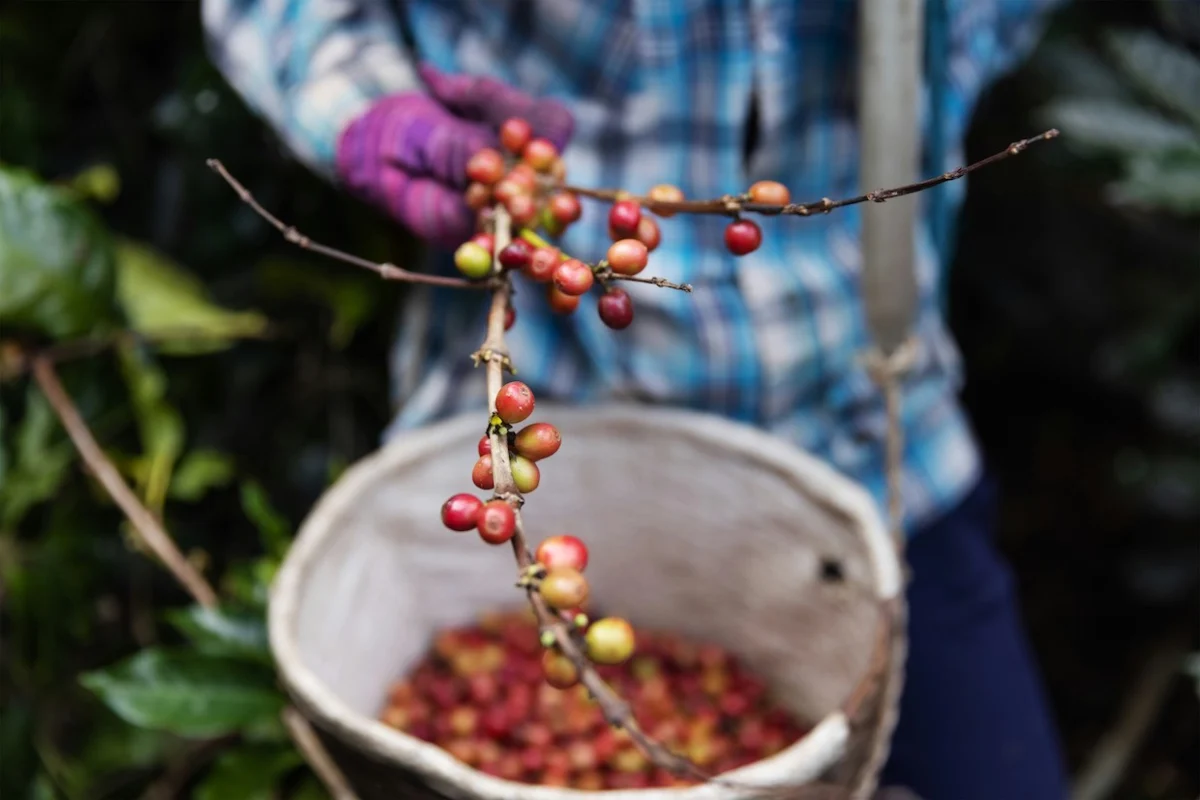
A comprehensive review of over two decades of academic inquiry into coffee sustainability has revealed a field experiencing significant growth in the 21st century, yet characterized by considerable fragmentation. This extensive analysis, published in the latest issue of the peer-reviewed journal Sustainable Futures, was conducted by researchers from the University of Naples Parthenope and the University of Tuscia in Italy. Their findings offer a detailed map of current research trajectories and highlight critical areas requiring more focused attention within the global coffee supply chain.
The study employed a rigorous PRISMA-guided systematic review methodology, complemented by VOSviewer bibliometric mapping software. This dual approach allowed the researchers to systematically identify, screen, and analyze 137 peer-reviewed publications published between 2000 and 2024. The selected articles were specifically focused on the complexities of the coffee supply chain, rather than coffee in a broader sense, and critically, had to directly address at least one of four key research questions: the roles of various stakeholders, the innovative reuse of coffee byproducts, consumer behavior patterns, and the implementation of digital traceability systems. The outcome is not just a summary of existing knowledge, but a strategic overview of the academic landscape, pinpointing both established research clusters and significant knowledge gaps.
The Ascent of Coffee Sustainability Research
The review meticulously documents a discernible acceleration in publication activity related to coffee sustainability, particularly from the late 2010s onwards. This surge in scholarly interest is attributed to a confluence of global factors. Escalating climate instability, with its direct impact on coffee cultivation regions, has become a paramount concern. Simultaneously, a growing consumer consciousness has translated into a rising demand for ethically produced and sustainably sourced products, pushing the industry to re-evaluate its practices.
Furthermore, the rapid advancements in digital technologies, such as blockchain and the Internet of Things (IoT), have presented new avenues for enhancing transparency and efficiency within complex supply chains. This technological evolution, coupled with increasing regulatory attention to the sustainability of global food systems, has collectively fueled a more intense academic focus on the coffee sector.
Geographically, the research landscape is dominated by institutions in the United States and Brazil, followed by significant contributions from India, Italy, and Indonesia. However, the study explicitly identifies substantial research lacunae, particularly within critical coffee-producing regions across Central America, East Africa, and Southeast Asia. The limited participation from these regions, where much of the foundational work of coffee cultivation occurs, represents a significant blind spot in the global understanding of coffee sustainability challenges and solutions.
Key Pillars of Coffee Sustainability Research
The Italian research team’s analysis illuminates several key thematic clusters within the vast body of coffee sustainability literature. While the research may appear fragmented across various journals and institutions, the underlying interconnectedness of the coffee supply chain itself is a recurring theme. Sustainability challenges, the review emphasizes, now permeate every stage of this intricate global network, from the initial cultivation and processing of coffee cherries to the intricate stages of roasting, packaging, marketing, and ultimately, the consumer’s final cup.
Stakeholder Dynamics in a Connected Chain
Despite the apparent divergence in academic research topics, the review underscores that the coffee supply chain operates as a remarkably interconnected system. The authors advocate for a more unified and data-informed approach to addressing sustainability within the coffee sector. This call for cohesion stems from the recognition that the actions and impacts of each stakeholder – from smallholder farmers to multinational corporations and conscious consumers – are intrinsically linked. Understanding these complex relationships and power dynamics is crucial for developing effective and equitable sustainability strategies.
Unlocking the Potential of Coffee Waste and Circularity
A significant area identified as both a critical challenge and an immense untapped opportunity is the management of coffee waste, encompassing both production and consumption levels. The review highlights the stark reality that over 90% of spent coffee grounds are still relegated to landfills. This represents a substantial loss of valuable organic material that, according to the existing literature, possesses considerable potential for a wide array of applications.
The research points to the transformative possibilities of transforming coffee grounds into valuable resources. These include their use as a rich component in compost and fertilizers, their integration into the formulation of cosmetics and personal care products, their potential as a source for bioenergy, their application in innovative construction materials, and even their incorporation into new food products and pharmaceuticals.
Despite the clear technical viability of these circular economy principles, the widespread adoption of such practices faces considerable hurdles. The primary obstacles identified include the high costs associated with specialized processing, the presence of regulatory barriers that may not yet accommodate novel waste-stream valorization, and a general lack of standardized protocols and certifications. Overcoming these challenges will require concerted efforts in research, policy development, and industry collaboration.
The Evolving Landscape of Consumer Preferences
Consumer preferences are emerging as a powerful driver of change throughout the entire coffee supply chain, dictating production methods, trade practices, and market dynamics. The review cites prior survey research indicating that a significant majority of consumers in North America and Europe, exceeding 60%, actively seek out certified coffees. This includes certifications such as organic, Fair Trade, and Rainforest Alliance, demonstrating a clear preference for products that align with ethical and environmental values.
Furthermore, these consumers exhibit a willingness to pay a premium for coffee products that offer enhanced traceability and are sourced from single-origin farms. This demand has, in turn, prompted a shift among producers towards more sustainable agricultural practices, including organic farming and shade-grown cultivation methods. Exporters and roasters are responding by investing more heavily in direct-trade relationships and implementing sophisticated traceability systems to meet these evolving consumer expectations.
However, the review also cautions that meeting these increasingly sophisticated consumer demands can impose significant cost burdens on smallholder farmers, who form the backbone of coffee production in many regions. Without adequate support systems and equitable pricing mechanisms, the pursuit of sustainability can inadvertently exacerbate existing inequalities within the supply chain, potentially marginalizing the very producers whose livelihoods are most dependent on coffee cultivation. This highlights the critical need for integrated strategies that support both environmental stewardship and farmer economic well-being.
The Role of Technology in Enhancing Sustainability
The review identifies a growing body of research focusing on the application of digital technologies to improve coffee sustainability. Blockchain, Artificial Intelligence (AI), the Internet of Things (IoT), and Geographic Information Systems (GIS) are consistently cited as the most prominent digital tools being explored. These technologies hold the promise of significantly enhancing traceability from farm to cup, optimizing complex logistics and supply chain management, providing crucial decision-support tools for farmers at the ground level, and empowering consumers with detailed information regarding the origin, quality, and sustainability credentials of their coffee.
The potential benefits are substantial: blockchain can create immutable records of transactions and certifications, AI can predict crop yields and disease outbreaks, IoT sensors can monitor environmental conditions on farms, and GIS can map land use and biodiversity. These advancements can lead to more efficient resource management, reduced waste, and greater accountability throughout the supply chain.
Despite this technological optimism, the authors of the review repeatedly emphasize that the most significant barriers to widespread adoption are not conceptual but rather practical and infrastructural. The substantial costs associated with implementing and maintaining these advanced technologies remain a major impediment, particularly for smallholder farmers operating with limited capital. Furthermore, the lack of widespread access to reliable internet connectivity and the necessary digital infrastructure in many coffee-producing regions limits the scalability and equitable distribution of these technological benefits. Addressing these practical challenges will require targeted investments in infrastructure, training programs, and the development of more accessible and affordable technological solutions tailored to the specific needs of the coffee-growing communities.
Implications and Future Directions
The findings of this comprehensive review carry significant implications for the future of coffee sustainability research and practice. The fragmented nature of current research suggests a need for greater interdisciplinary collaboration and the development of shared research agendas. Greater focus on regions with limited existing research, particularly Central America and East Africa, is essential for a holistic understanding of global coffee sustainability.
The identified blind spots in research underscore the urgency of addressing the practical implementation challenges of sustainability initiatives. While the technical potential for waste valorization and the benefits of digital technologies are evident, their successful integration hinges on overcoming economic, infrastructural, and regulatory hurdles.
Moreover, the review highlights the critical need for a more equitable approach to sustainability. As consumer demand drives certain practices, it is imperative to ensure that the economic burdens and benefits are fairly distributed across the entire supply chain, with particular attention paid to supporting the livelihoods of smallholder farmers. The study’s authors explicitly advocate for a "cohesive and data-driven approach to sustainability in the coffee sector," emphasizing that siloed efforts are insufficient to tackle the complex, interconnected challenges of this global industry.
The financial support for this impactful study was provided by Italy’s National Recovery and Resilience Plan, underscoring a commitment from national bodies to foster research that can contribute to more sustainable global supply chains. The researchers declared no competing financial interests or personal relationships that could have influenced their work, reinforcing the objectivity and integrity of their findings. As the coffee industry continues to grapple with the multifaceted pressures of climate change, evolving consumer expectations, and the imperative for social and environmental responsibility, this detailed mapping of research efforts serves as an invaluable guide for future endeavors, pointing towards both promising pathways and critical areas demanding immediate and concerted attention.
