

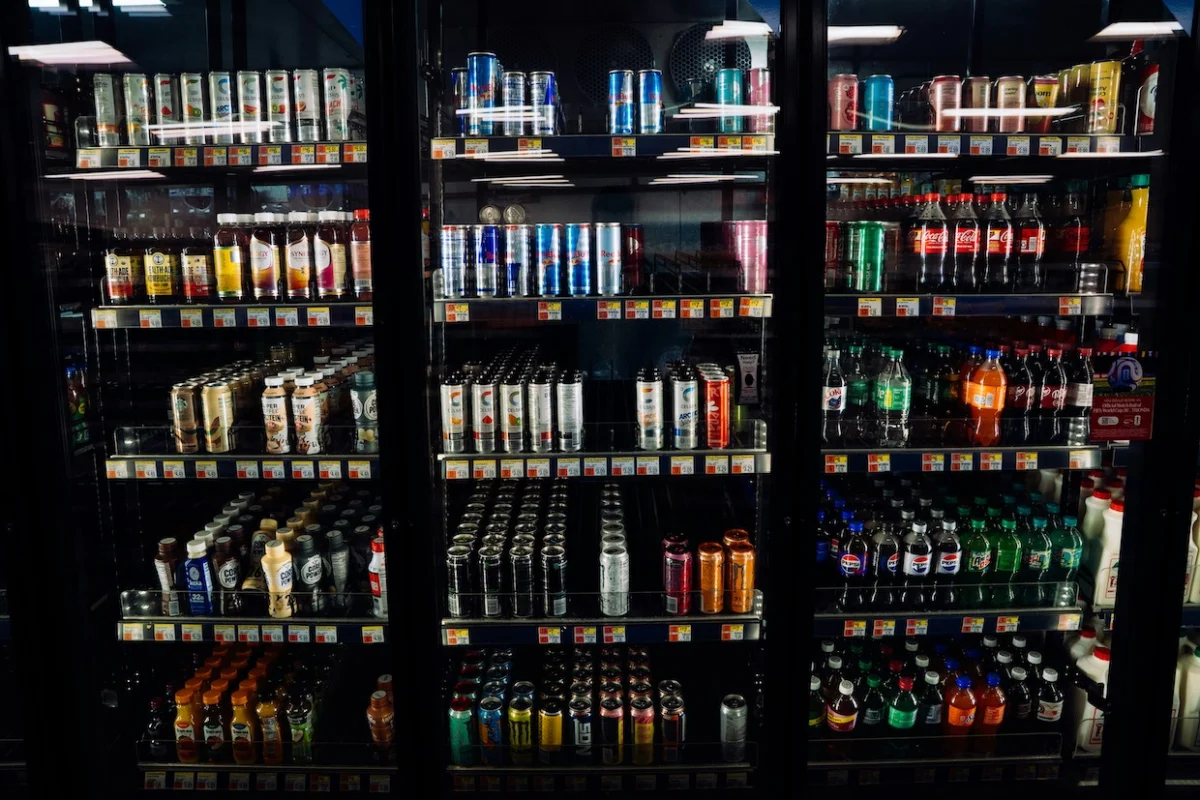
The U.S. Food and Drug Administration (FDA) has signaled a significant shift in its regulatory focus for 2026, identifying new guidance on caffeine labeling as a key priority. This potential regulatory development could have far-reaching implications for a wide spectrum of beverages, from packaged coffee-based drinks and ready-to-drink (RTD) products to cafe beverages where caffeine has been intentionally added. The move comes amidst growing public and governmental concern over the health impacts of high caffeine consumption, particularly among vulnerable populations such as children and adolescents.
Evolving Regulatory Landscape for Caffeine
The FDA’s inclusion of "Labeling Caffeine Content in Foods and Beverages; Draft Guidance for Industry" on its updated 2026 Human Foods Program guidance agenda underscores the agency’s intention to address this evolving area. While the inclusion on the agenda signifies the FDA’s commitment to prioritizing this issue, it does not guarantee the finalization or implementation of specific regulations within the designated year. These guidance documents, by their nature, generally do not impose legally enforceable requirements. As of now, the FDA has not released proposed label language, identified the specific products that would fall under this new guidance, or established any definitive deadlines for companies to amend their product labels or menu offerings.
Under the current FDA policy, a critical distinction is made between added caffeine and naturally occurring caffeine. For packaged foods and beverages, caffeine must be declared in the ingredient list if it is added as a standalone ingredient. However, manufacturers are typically not mandated to specify the exact milligram (mg) quantity of caffeine present in these products. This policy has left consumers with limited precise information regarding the stimulant content of many popular beverages, contributing to a lack of transparency.
The treatment of naturally occurring caffeine presents a more complex scenario. For instance, roasted coffee beans, which naturally contain caffeine, are not required to list caffeine as a separate ingredient or disclose its amount simply due to its presence as a natural component. Similarly, restaurants and other retail food establishments are currently not obligated to inform their customers about the caffeine content of the beverages they serve. This current framework has been a point of contention for consumer advocates and public health officials who argue for greater clarity and consumer protection.
The Driving Forces Behind the FDA’s Focus
The FDA’s renewed attention to caffeine labeling appears to be significantly influenced by increasing scrutiny of the energy drink market. In recent years, energy drink manufacturers have faced mounting criticism for allegedly providing inadequate warnings about the potential health risks associated with their products, particularly for children and teenagers. This has sparked bipartisan calls for regulatory action.
A notable instance of this heightened scrutiny occurred in June, when Texas Attorney General Ken Paxton launched an investigation into Celsius Holdings. The investigation was prompted by concerns regarding the company’s representations and marketing practices for energy drinks that are allegedly targeted at minors. This action was reportedly fueled by a lawsuit involving a 17-year-old Texas girl whose death was purportedly linked to excessive caffeine consumption from Alani Nu, an energy drink brand owned by Celsius Holdings through its subsidiary Alani Nutrition. The lawsuit highlights the severe potential consequences of unchecked caffeine intake and the industry’s responsibility to ensure product safety and responsible marketing.
Further amplifying these concerns, in July 2023, Senate Majority Leader Chuck Schumer formally addressed the FDA with a letter "demanding" an investigation into the energy drink maker Prime. Schumer’s letter specifically cited allegations that Prime was targeting children on social media platforms with highly caffeinated beverages. He cautioned parents about the substantial caffeine content in Prime drinks, noting that they reportedly contain more caffeine than even well-known brands like Red Bull, raising alarm bells about the potential for overconsumption and adverse health effects among young consumers. These high-profile actions from state and federal officials demonstrate a growing consensus that current labeling practices may not be sufficient to protect public health.
Broader Implications for the Beverage Industry
The potential for updated FDA guidance on caffeine labeling could reshape how a variety of beverages are presented to consumers. This includes not only packaged goods but also the growing market for ready-to-drink (RTD) coffee beverages, which often feature added caffeine for an enhanced energy boost. Furthermore, cafes that offer specialty drinks with added caffeine sources, such as extra espresso shots or caffeine-infused syrups, may also find themselves subject to new disclosure requirements.
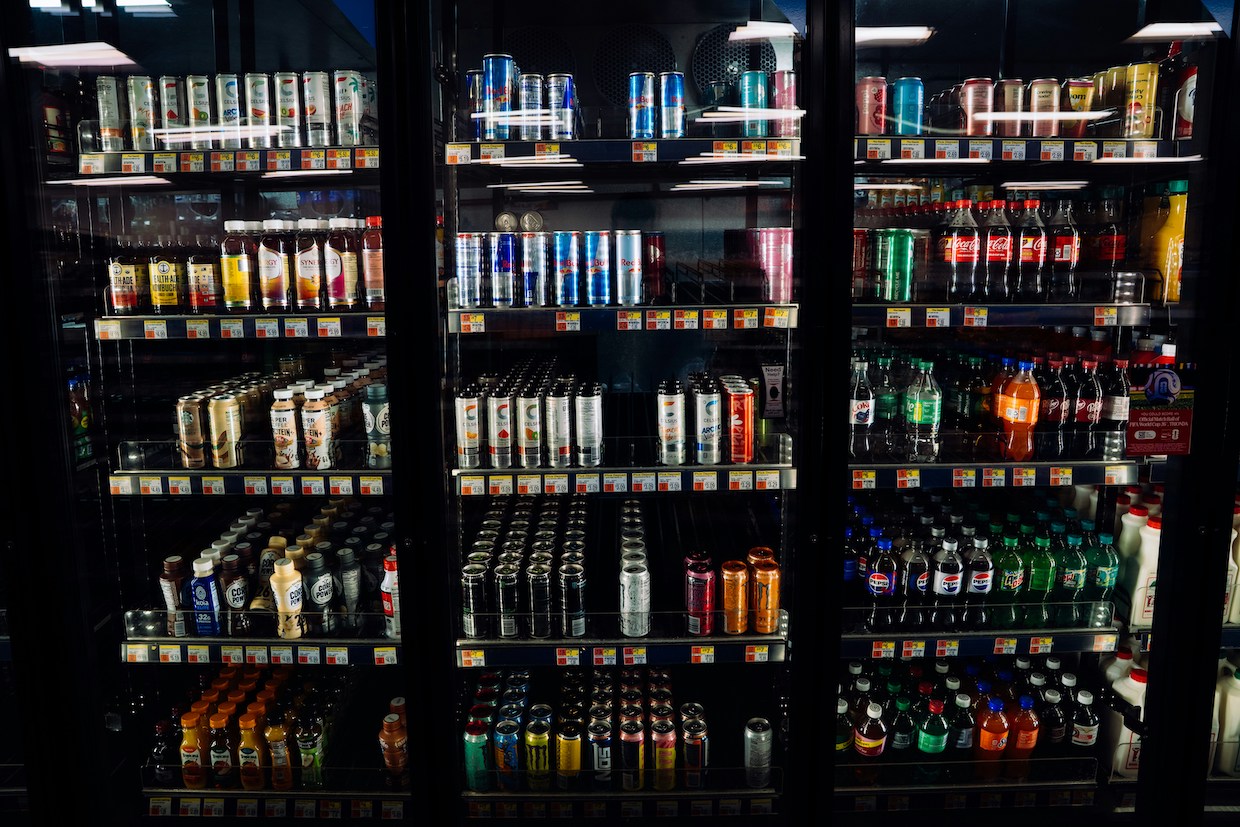
The move by the FDA is part of a larger initiative to enhance transparency and consumer understanding of food and beverage ingredients. The agency’s 2026 Human Foods Program priorities also include other critical areas, suggesting a comprehensive approach to food safety and consumer information. While the specific details of the caffeine labeling guidance remain to be seen, industry analysts suggest that it could lead to several key changes:
- Mandatory Milligram Declaration: A primary outcome could be the requirement for manufacturers to declare the precise milligram amount of caffeine per serving on product labels. This would provide consumers with unprecedented clarity and enable them to make more informed choices based on their individual caffeine sensitivities and consumption habits.
- Clarification of "Added" vs. "Natural" Caffeine: The guidance may also seek to clarify the distinction between added and naturally occurring caffeine, potentially leading to more consistent labeling across different product categories. This could address the current disparity in labeling requirements between a naturally caffeinated cup of coffee and a caffeinated soda or energy drink.
- Impact on RTD and Specialty Beverages: The ready-to-drink coffee and energy drink sectors, which have experienced significant growth, are likely to be most directly affected. Companies may need to invest in reformulating products or redesigning labels to comply with new regulations. Similarly, cafes that offer custom or enhanced beverages might need to implement new systems for communicating caffeine content to their patrons.
- Increased Consumer Awareness: Beyond regulatory compliance, the FDA’s initiative is expected to foster greater consumer awareness about caffeine intake. Clearer labeling could empower individuals to better manage their caffeine consumption, potentially mitigating associated health risks such as sleep disturbances, anxiety, and cardiovascular issues, particularly for sensitive individuals and children.
Historical Context and Previous FDA Actions
The current regulatory landscape for caffeine labeling has evolved over time. For decades, the FDA has addressed caffeine through various channels, primarily focusing on its status as a food additive and its inclusion in ingredient lists. The agency has previously issued consumer updates regarding caffeine consumption, such as the "Spilling the Beans: How Much Caffeine Is Too Much?" advisory, which provides general guidance on safe caffeine intake levels. However, these advisories have largely relied on voluntary compliance and consumer education rather than strict labeling mandates for caffeine quantities.
The recent surge in popularity of energy drinks and the proliferation of RTD caffeinated beverages have brought the issue to the forefront. The significant increase in the variety and potency of caffeinated products available on the market has outpaced the existing regulatory framework, prompting calls for more robust oversight.
The FDA’s consideration of caffeine labeling guidance also occurs within a broader context of the agency’s ongoing work on food additives and labeling policies. In a separate but related initiative, the FDA is currently reviewing a food-additive petition that could impact the use of methylene chloride in coffee decaffeination processes. This ongoing review, as reported by Daily Coffee News on June 30, 2026, highlights the FDA’s commitment to reassessing various aspects of food production and ingredient safety, demonstrating a proactive approach to addressing potential public health concerns across different segments of the food and beverage industry.
Industry Reactions and Future Outlook
While official statements from major coffee companies and beverage manufacturers directly addressing the FDA’s potential caffeine labeling guidance have been limited, industry observers anticipate a period of adjustment and potential strategic shifts. Companies that have already embraced transparent labeling practices, by voluntarily disclosing caffeine content, may find themselves at a competitive advantage.
The beverage industry, particularly the segments focused on energy drinks and RTD coffees, has seen substantial growth in recent years. According to market research reports, the global energy drink market was valued at over $60 billion in 2023 and is projected to continue its upward trajectory. The RTD coffee segment is also experiencing robust expansion, driven by consumer demand for convenient and sophisticated coffee options. Any new labeling requirements could necessitate significant investment in research, development, and marketing to ensure compliance and maintain consumer trust.
The FDA’s proactive stance on caffeine labeling is a clear signal that the agency is responsive to public health concerns and evolving market trends. While the exact nature and scope of the forthcoming guidance remain subjects of anticipation, the underlying intent is to empower consumers with more comprehensive information. This move aligns with a broader global trend towards increased transparency in food labeling, aiming to foster healthier consumption patterns and mitigate potential risks associated with popular ingredients like caffeine. The coming months will be crucial for the industry as it awaits further details from the FDA, potentially paving the way for a more informed and responsible approach to caffeinated beverages.
