

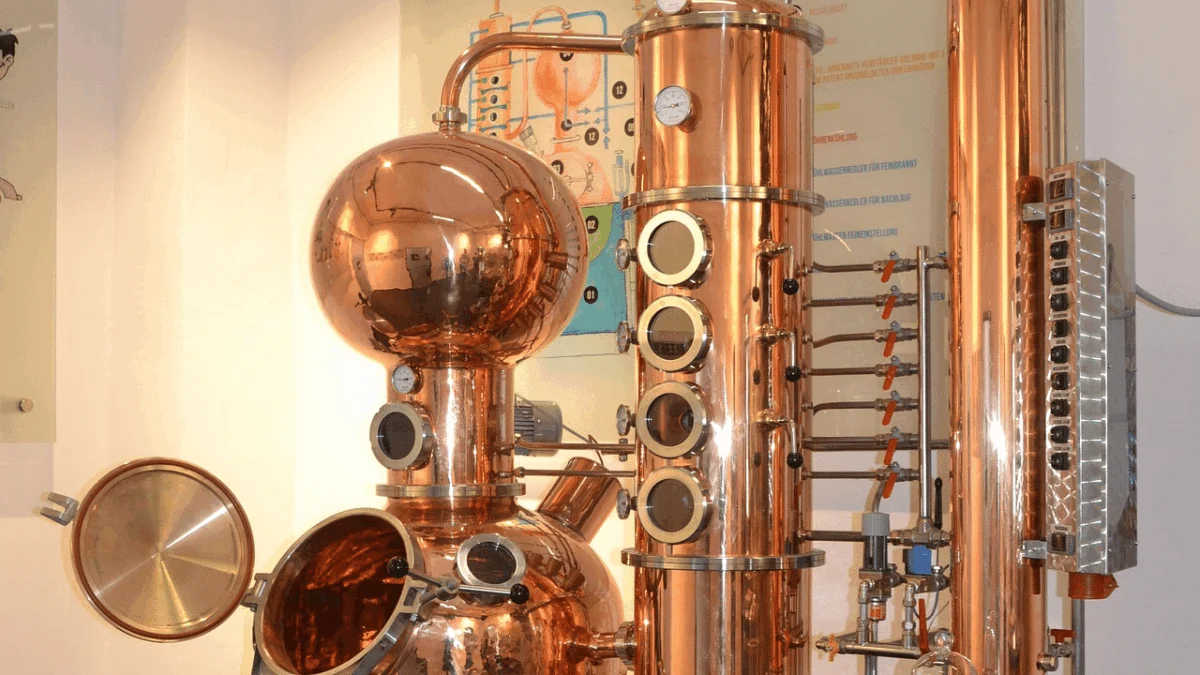
The final profile of a gin is the culmination of a sophisticated series of technical decisions made by a distiller, extending far beyond the initial selection of botanical ingredients. While the public often focuses on the "secret recipe" of herbs and spices, the industry reality is that the same raw materials can yield vastly different spirits depending on the methods of extraction, distillation, and dilution employed during the manufacturing process. This technical complexity defines the difference between a standard spirit and a premium, award-winning gin.
To understand the architecture of gin, one must first look at the foundation: the Neutral Grain Spirit (NGS). Most commercial gins begin as a high-proof, clean vodka-like base. This spirit serves as a blank canvas, having been distilled to at least 95% or 96% alcohol by volume (ABV) to remove any residual flavors from the original grain. By starting with a neutral base, the distiller ensures that the volatile aromatic compounds extracted from the botanicals remain the primary focus of the sensory experience.
The Quantitative Science of Botanical Ratios
The first critical decision in gin production involves the precise measurement of botanical mass relative to the volume of spirit. An industry-standard benchmark for botanical quantity is generally cited between 20 and 35 grams of total botanicals per liter of spirit. However, these figures fluctuate based on the desired intensity of the final product and whether the distiller is aiming for a "single-shot" or "multi-shot" distillation.
Because international regulations—including those in the United Kingdom and the European Union—mandate that gin must have a "predominantly juniper" flavor, the ratio usually begins with juniper berries comprising approximately 60% of the total botanical weight. From this baseline, the artistry of the distiller takes over. Secondary "core" botanicals, such as coriander seed, are often used at roughly half the weight of the juniper (30% of the total). Tertiary ingredients, including angelica root, cassia bark, or cinnamon, are typically scaled down to one-tenth of the juniper quantity. Highly potent botanicals, such as dried citrus peels or floral elements like lavender and orris root, may be used in quantities as low as one-hundredth of the juniper weight.
These ratios are not merely suggestions but are the result of rigorous laboratory testing. If a distiller increases the coriander ratio too significantly, the gin may become overly "soapy" or spicy; if the angelica root is over-utilized, the spirit may take on an excessively earthy, musk-like quality. The precision required at this stage is comparable to high-end perfumery.
Extraction Methods: Maceration versus Vapor Infusion
Once the ratios are established, the distiller must choose how to marry the botanicals with the spirit. There are two primary schools of thought: maceration and vapor infusion.
Maceration, often referred to as the "steep and boil" method, involves soaking the botanicals directly in the neutral spirit. This process can occur at room temperature for an extended period—such as Beefeater’s well-known 24-hour soak—or it can happen directly inside the pot still as it begins to heat. Maceration tends to produce a "heavier," more robust gin, as the liquid ethanol acts as a powerful solvent, extracting deep oils and heavier flavor molecules from the ingredients.
In contrast, vapor infusion involves suspending the botanicals in a "gin basket" within the neck of the still. As the ethanol is heated and turns into vapor, it passes through the botanicals, gently volatilizing the essential oils without the ingredients ever touching the liquid spirit. This method, famously utilized by brands like Bombay Sapphire, generally results in a lighter, more floral, and delicate flavor profile.
Advanced distillers often use a hybrid approach, macerating hardy botanicals like juniper and roots while vapor-infusing delicate ingredients like fresh citrus or rose petals. The placement of the basket also impacts the result; a basket placed higher in the still’s neck encounters cooler vapors, leading to a different extraction profile than a basket placed lower, where the temperature is higher and the vapor velocity is greater.
A Chronology of Gin Production Standards
The evolution of gin production has been shaped by both technological advancements and regulatory shifts. Understanding this timeline provides context for why modern distillers make certain technical choices:
- 17th Century: The precursor to gin, Genever, was produced in the Netherlands. Distillers used "malt wine" (a less refined spirit) and added juniper primarily for its medicinal properties and to mask harsh off-flavors.
- 1830s: The invention of the Coffey still (continuous still) allowed for the production of high-purity Neutral Grain Spirit. This led to the creation of the "London Dry" style, which moved away from the sweetened "Old Tom" gins of the era.
- 1920s: The "Gin Craze" in the United States and Europe led to the standardization of recipes and the first formal efforts to regulate what could legally be labeled as "gin."
- 2008-Present: The "Craft Gin Revolution" saw a massive influx of small-scale distilleries. This era introduced experimental techniques, such as vacuum distillation (cold distillation), which allows for the extraction of flavors from fresh botanicals that would otherwise be "cooked" or ruined by the heat of a traditional pot still.
The Technical Execution of the "Cut"
The most subjective and vital part of the distillation process is the "cut." Distillation is a linear process governed by time and temperature. As the still runs, the character of the distillate changes constantly.
- The Foreshots and Heads: These are the first liquids to emerge from the still. They contain high concentrations of methanol and other low-boiling-point compounds that are often harsh, solvent-like, or even toxic. These are always discarded or recycled.
- The Heart: This is the "sweet spot" of the distillation. It contains the most desirable aromatic compounds and the cleanest ethanol. The distiller must decide exactly when the heads end and the heart begins.
- The Tails: As the distillation nears its end, the vapors become heavier and the temperature rises. This phase brings out earthy, bitter, and sometimes "fusty" notes. While some distillers include a small portion of the early tails to add complexity and "fix" the aroma, most of the tails are cut to prevent the gin from tasting oily or burnt.
The timing of these cuts determines the "clarity" of the gin. A distiller making a London Dry Gin must be particularly skilled, as the regulations for this category are the strictest in the industry.
Regulatory Impact: The London Dry Standard
The term "London Dry" is not a geographical indicator but a process designation. To be labeled as London Dry, a gin must meet the following criteria:
- It must be made from a high-quality neutral spirit.
- All botanicals must be introduced during the distillation process (no flavors can be added afterward).
- The resulting distillate must come off the still at a minimum of 70% ABV.
- The only thing that can be added after distillation is water and a minute amount of sugar (no more than 0.1 grams per liter).
This regulation forces distillers to get the "heart" of the distillation perfect. If the flavor is unbalanced after the still stops, the distiller cannot "fix" it by adding extracts or essences later. Other categories, simply labeled "Distilled Gin," allow for post-distillation additives, giving the producer more flexibility but often less prestige among connoisseurs.
Economic and Practical Considerations: Multi-shot vs. Single-shot
The final major technical hurdle is the method of dilution. In a "single-shot" distillation, the distiller uses the exact amount of botanicals needed for a single batch. Once the heart is collected, it is diluted with water to the bottling strength (typically 40% to 47% ABV) and bottled.
In "multi-shot" distillation, the distiller creates a "gin concentrate" by using a much higher ratio of botanicals than necessary for the volume of spirit in the still. The resulting liquid is so intensely flavored that it must be blended with more Neutral Grain Spirit and water before bottling.
From a business perspective, the multi-shot method is highly efficient. It allows a distillery to produce significantly more gin using the same amount of energy and still time. While purists often argue that single-shot gin has a superior "mouthfeel" and integrated flavor, many of the world’s most famous gin brands successfully utilize the multi-shot method to meet global demand without a discernible loss in quality.
Global Market Implications and Industry Outlook
The technical precision of gin production has direct implications for the global spirits market. According to recent industry data, the global gin market was valued at approximately $15.3 billion in 2023 and is projected to grow at a compound annual growth rate (CAGR) of 5% through 2030. This growth is driven by the "premiumization" trend, where consumers are increasingly willing to pay more for spirits with transparent and complex production methods.
Market analysts suggest that the rise of "terroir-based" gins—those using local, foraged botanicals—is pushing distillers to further refine their technical skills. Using fresh, non-dried ingredients introduces variables like moisture content and seasonal potency, requiring distillers to adjust their "cuts" and maceration times for every batch.
In conclusion, the production of gin is a rigorous discipline that balances chemical engineering with sensory artistry. From the selection of the base spirit to the timing of the final cut and the method of dilution, every step is a calculated move to capture volatile flavors in a bottle. As the industry continues to evolve, the focus remains on the technical mastery of the still, ensuring that gin remains one of the most diverse and technically demanding spirits in the world.
