

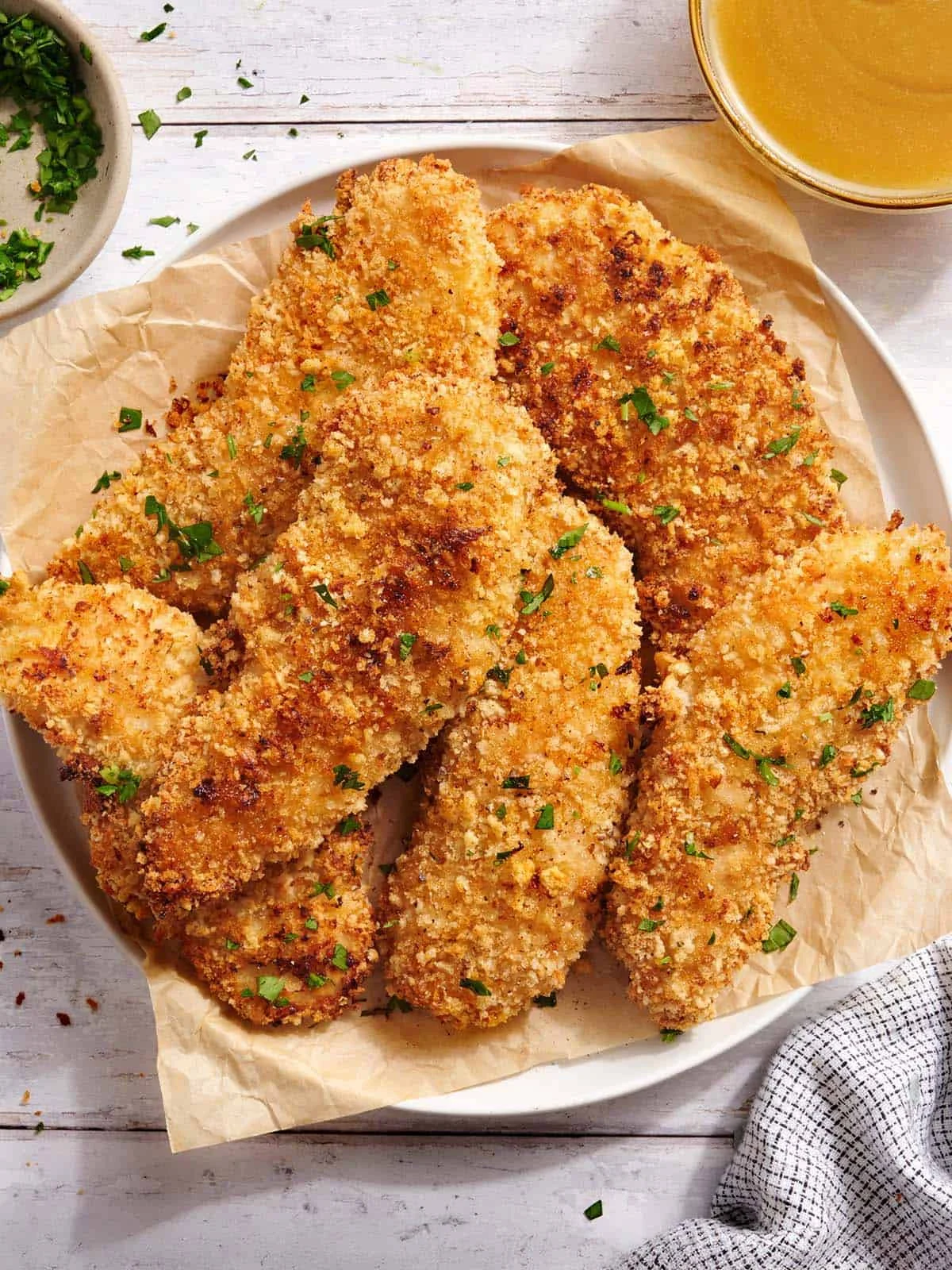
The domestic culinary landscape is undergoing a significant shift as consumers increasingly seek out restaurant-quality alternatives that align with both stringent budgetary requirements and modern nutritional standards. A prominent example of this trend is the development of the oven-baked chicken tender, a dish designed to replicate the sensory appeal of traditional deep-fried poultry while utilizing a more efficient, health-conscious preparation method. By prioritizing pantry-staple ingredients and innovative binding techniques, home cooks are now able to produce high-quality proteins at a fraction of the cost of commercial fast-food outlets. Current market data suggests that a standard three-piece chicken strip meal at a national franchise can cost between $5.00 and $6.00, whereas the homemade equivalent, prepared in a controlled environment, averages approximately $1.76 per serving. This represents a potential cost saving of over 60%, making the dish a cornerstone of contemporary budget-friendly meal prep.
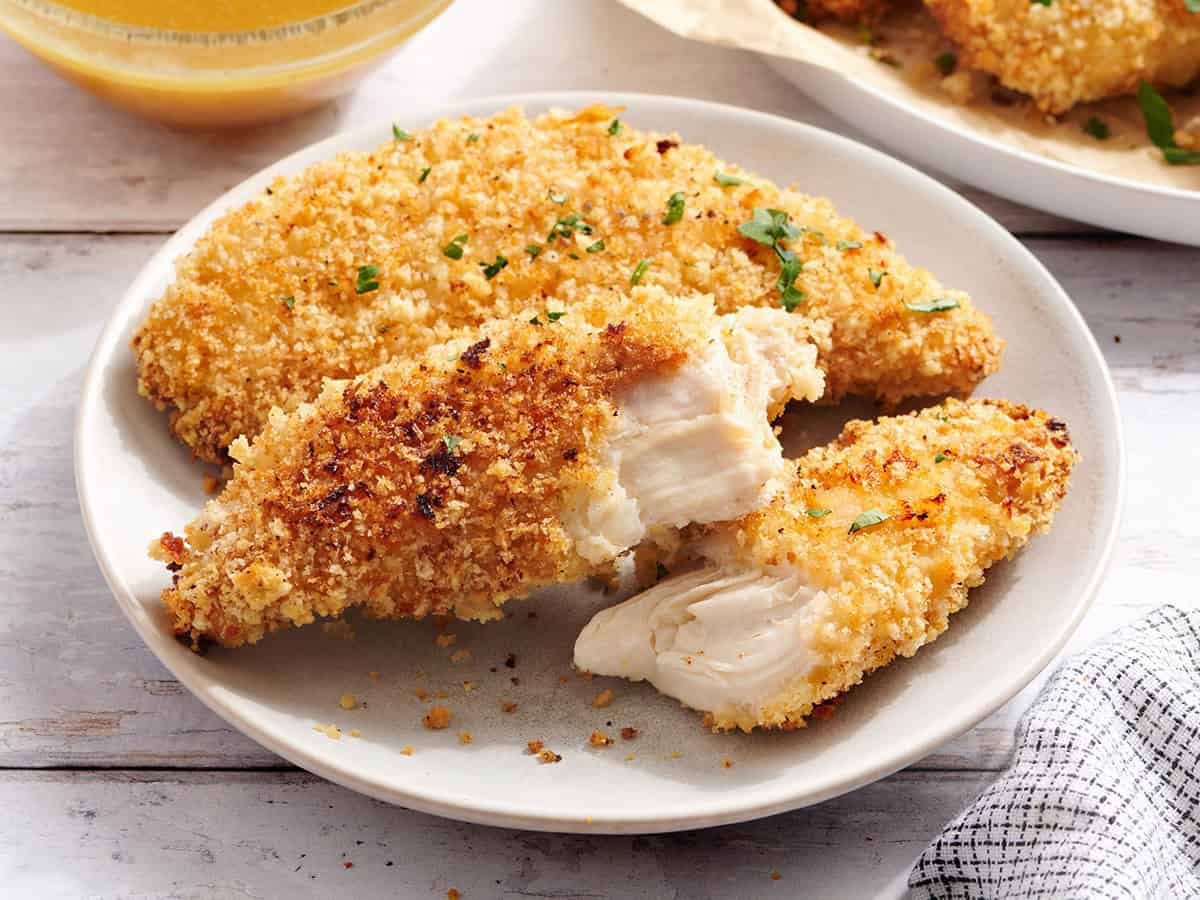
Technical Innovations in Home Poultry Preparation
The primary challenge in transition from deep-frying to oven-baking is the maintenance of texture. Conventional baking often results in a lackluster, pale coating or dry interior meat. To circumvent these issues, culinary specialists have refined a multi-stage preparation process that focuses on two key innovations: the use of Greek yogurt as a binder and the pre-toasting of breadcrumbs.
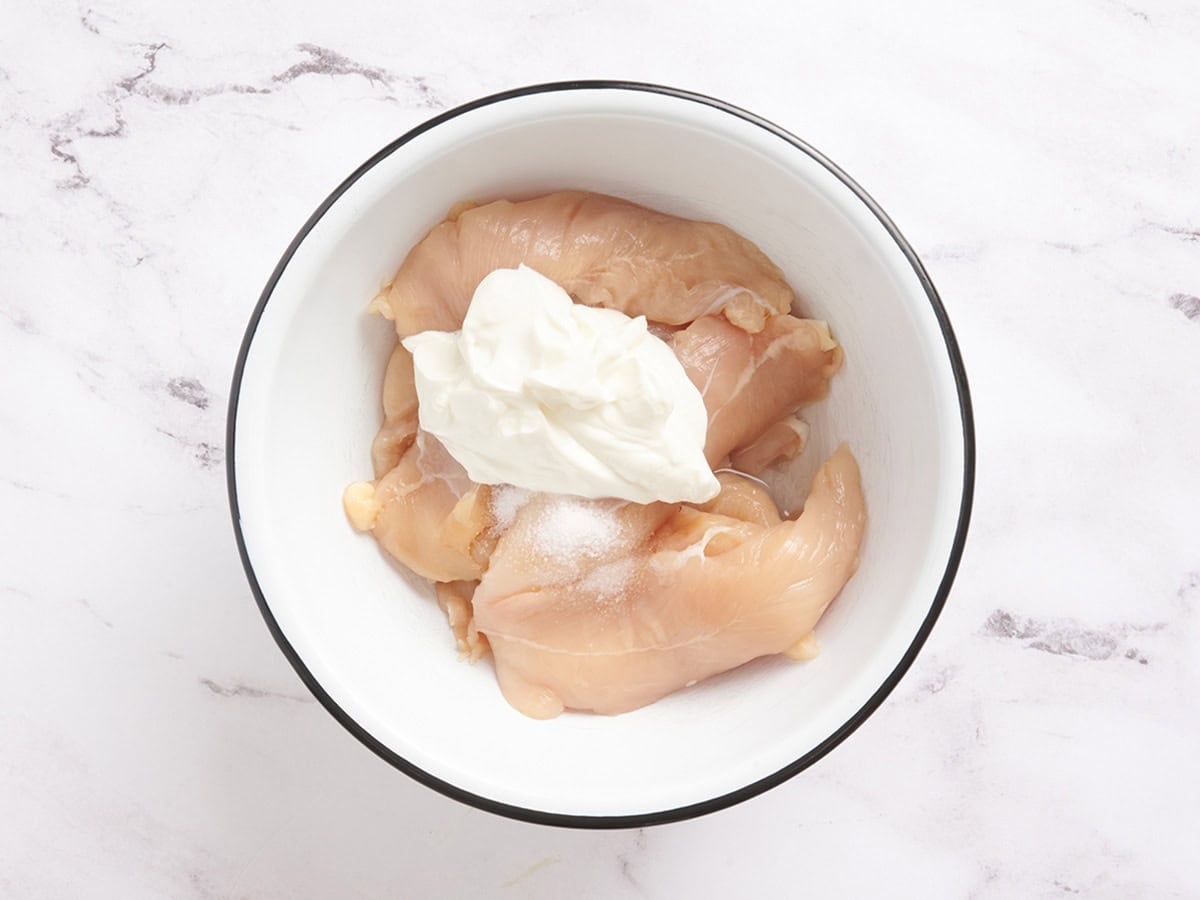
The traditional "standard breading procedure" involves a three-step process of flour, egg wash, and breadcrumbs. While effective, this method is labor-intensive and requires multiple bowls and significant cleanup. The modernized approach utilizes plain Greek yogurt thinned with a small amount of water. This substitution serves a dual purpose. Chemically, the lactic acid in the yogurt acts as a mild tenderizer for the chicken breast meat, ensuring a juicy interior. Physically, the viscosity of the yogurt provides a superior adhesive surface for the breading to cling to without the need for a secondary flour coating.
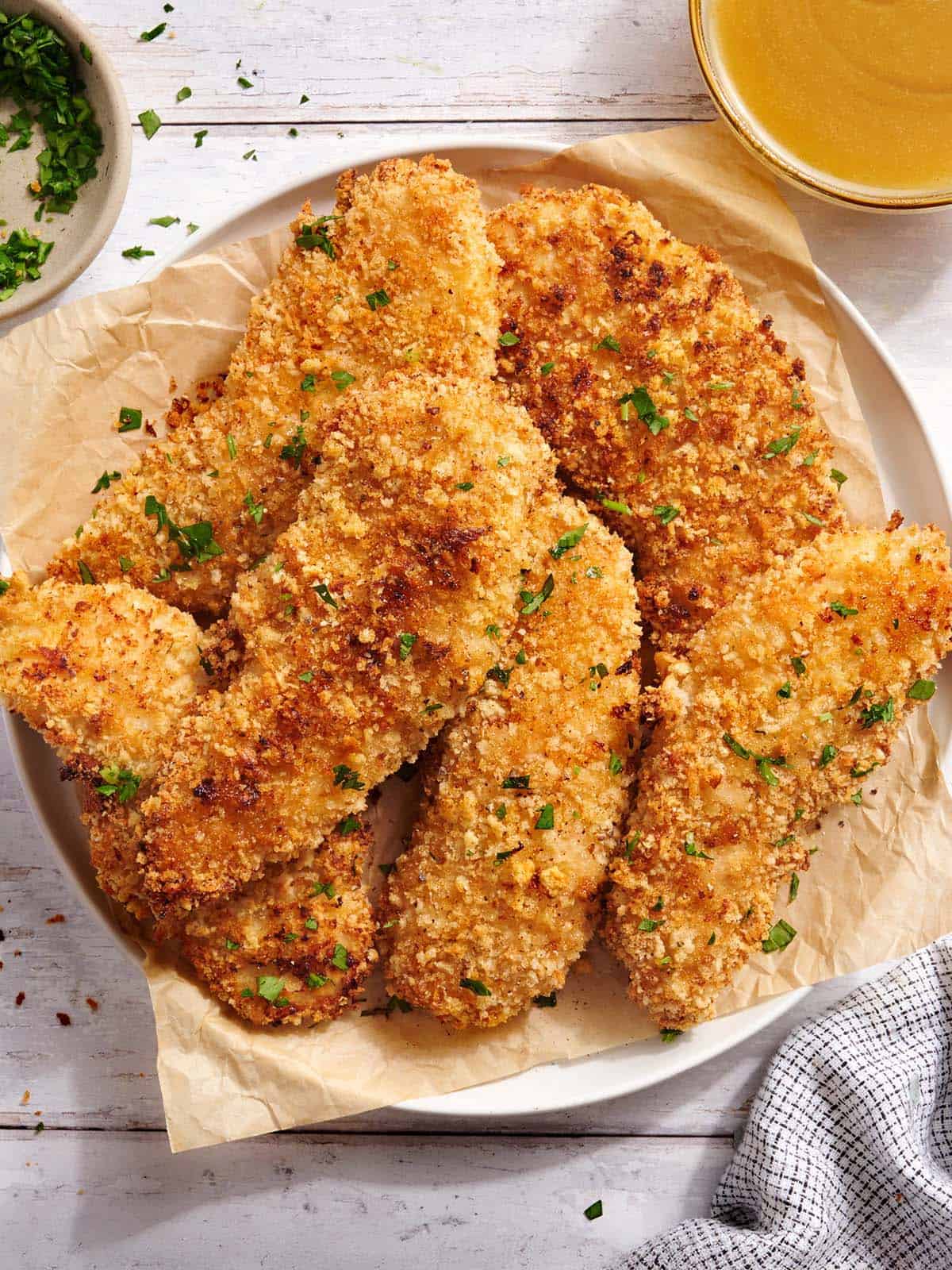
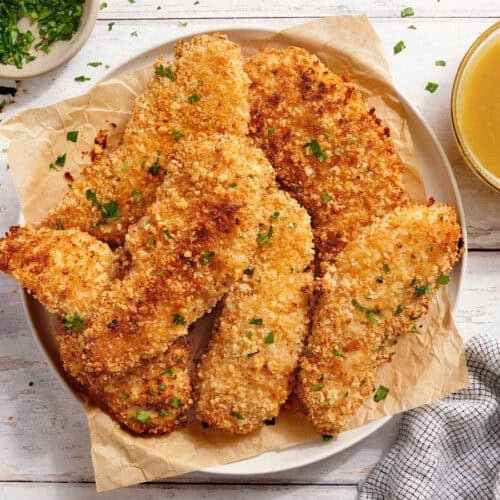
Furthermore, the "golden-brown" aesthetic associated with fried foods is difficult to achieve in a 400°F oven before the chicken itself becomes overcooked. By toasting panko breadcrumbs in a small amount of neutral oil prior to application, the cook initiates the Maillard reaction early. This ensures that the chicken tenders emerge from the oven with a deeply golden, crispy exterior that matches the visual and textural expectations of a fried product.
Economic Analysis and Ingredient Sourcing
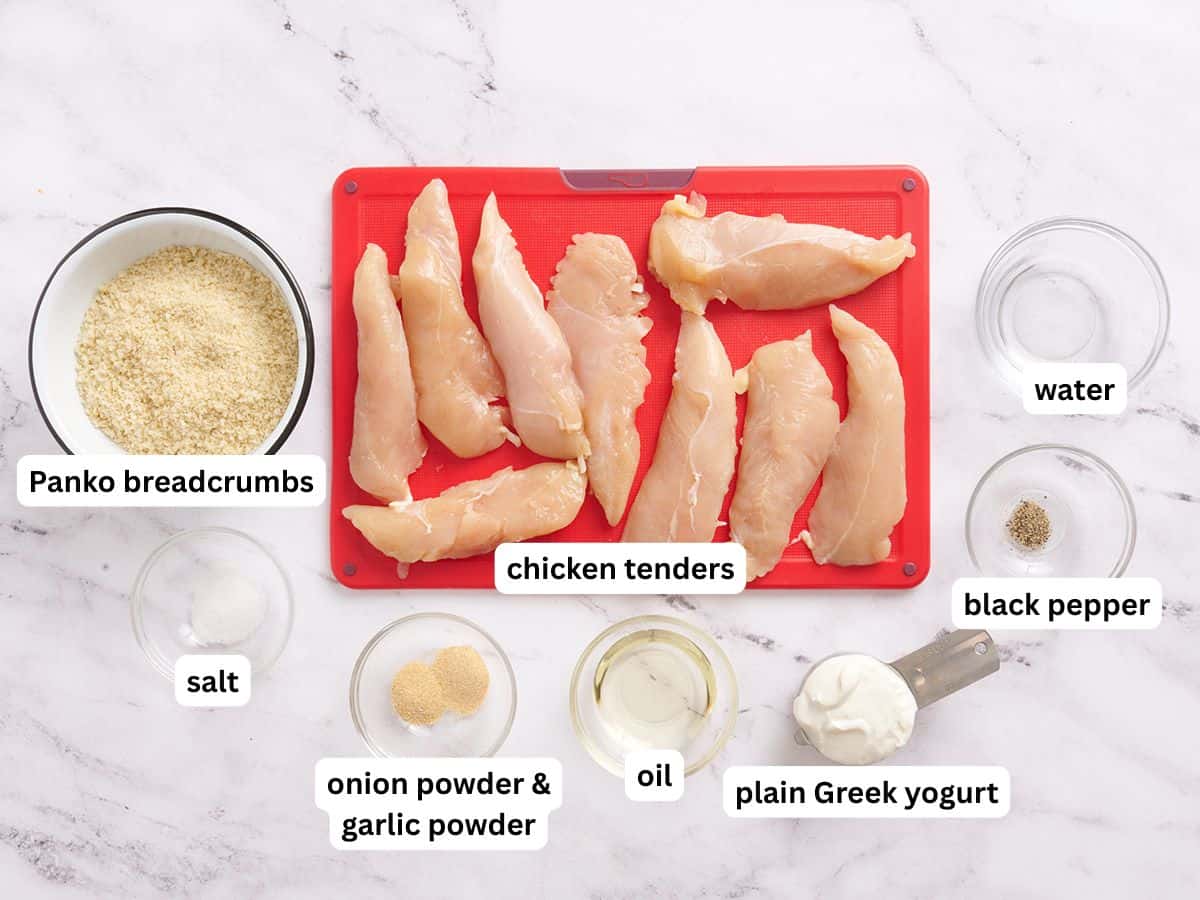
The financial viability of the oven-baked chicken tender is rooted in strategic ingredient sourcing. According to retail data from major suppliers such as Walmart, the price of raw chicken tenders has remained relatively competitive, hovering around $4.92 per pound. A standard recipe yield typically utilizes one pound of chicken to produce eight to nine individual tenders, which equates to four servings of two to three pieces each.
The total cost breakdown for a standard batch is as follows:
- Chicken Tenders (1 lb): $4.92
- Panko Breadcrumbs (1.75 cups): $0.85
- Plain Greek Yogurt (1/3 cup): $0.45
- Pantry Staples (Oil, Spices, Salt): $0.81
- Total Recipe Cost: $7.03
- Cost Per Serving: $1.76
When compared to the "Sandwich Index" or general fast-food inflation—which has seen prices rise by an estimated 20-30% in several regions over the last three years—the homemade alternative offers a stable hedge against rising food costs. Furthermore, the absence of "mystery ingredients," such as industrial preservatives or artificial flavor enhancers often found in processed frozen poultry, provides an intangible but significant value to health-conscious households.
Chronological Preparation and Safety Standards
The production of high-quality baked chicken tenders follows a specific sequence designed to maximize efficiency and food safety.
- Pre-Processing and Sanitation: The process begins with preheating the oven to 400°F (204°C) and lining a standard baking sheet with parchment paper to prevent sticking and facilitate cleanup.
- Hydration and Coating: One pound of chicken tenders is combined with 1/3 cup of plain Greek yogurt, 1/4 teaspoon of salt, and 3 tablespoons of water. This mixture is agitated until the chicken is thoroughly submerged and evenly coated. The poultry is then refrigerated to allow the yogurt to adhere.
- Seasoning the Panko: In a separate vessel, 1.75 cups of panko breadcrumbs are mixed with 1/2 teaspoon each of onion and garlic powder, 1/4 teaspoon of salt, 1/8 teaspoon of black pepper, and 2 tablespoons of a neutral oil (such as canola or vegetable oil).
- The Pre-Toast Phase: The seasoned crumbs are spread onto the baking sheet and toasted for two to five minutes. Constant monitoring is required during this phase, as panko has a low burn threshold.
- Assembly: Each tender is removed from the yogurt mixture, allowing excess liquid to drain, and pressed firmly into the toasted crumbs.
- The Final Bake: The breaded tenders are returned to the oven for a 30-minute duration. At the 15-minute mark, each piece is inverted to ensure uniform crispness.
- Thermal Validation: In accordance with USDA food safety guidelines, the thickest portion of the chicken must reach an internal temperature of 165°F (74°C) to ensure the elimination of foodborne pathogens.
Nutritional Profile and Dietary Adaptations
From a nutritional standpoint, the oven-baked method offers a leaner profile than its submerged-oil counterparts. A standard serving of two tenders contains approximately 307 calories, 29 grams of protein, and 11 grams of fat. This high protein-to-calorie ratio makes it an ideal component for weight management or athletic diets.
The recipe is also inherently flexible, allowing for various dietary modifications:
- Gluten-Free Requirements: Standard panko can be replaced with rice-based panko or crushed gluten-free crackers.
- Dairy-Free Requirements: Plain dairy-free yogurt (such as soy or almond-based) can be substituted for Greek yogurt, though the water ratio may need to be adjusted to maintain the correct consistency.
- Air Fryer Integration: The rise of countertop convection technology has further simplified this process. Utilizing an air fryer at 400°F for approximately 13 minutes can achieve similar results with even less active cooking time.
Broader Impact on Household Management
Beyond the immediate nutritional and financial benefits, the adoption of homemade chicken tender recipes reflects a broader trend in "batch cooking" and "meal prepping." As modern family schedules become increasingly congested, the ability to produce large quantities of freezer-stable protein has become a necessity for many.
The chicken tenders described in this report are designed for longevity. Once baked and cooled, they can be flash-frozen on a baking sheet to prevent clumping and then stored in airtight containers for up to three months. This "cook once, eat twice" philosophy reduces the daily cognitive load of meal planning and decreases the likelihood of a household relying on expensive, less healthy "emergency" takeout options.
Industry Implications and Consumer Response
Market analysts suggest that the "DIY" movement in convenience foods is a direct response to the "shrinkflation" observed in the frozen food aisles of major supermarkets. As many commercial brands reduce package sizes while maintaining or increasing prices, consumers are turning to Nashville-style test kitchens and independent culinary researchers for optimized, cost-effective recipes.
The response from the home-cooking community has been overwhelmingly positive, with particular praise directed toward the yogurt-binding method for its simplicity and the pre-toasting of crumbs for its textural accuracy. By demystifying the process of creating "crunchy" food in a standard oven, these culinary techniques empower the average consumer to take control of their food supply chain.
In conclusion, the oven-baked chicken tender is more than a simple recipe; it is a strategic tool for modern living. By combining the principles of food science, economic discipline, and efficient time management, it addresses the primary concerns of today’s consumer: cost, health, and convenience. As food prices continue to fluctuate, the mastery of such versatile, high-protein staples will remain an essential skill for the domestic kitchen.
