

The Air Fryer Phenomenon: A Culinary Shift
The air fryer, once a niche appliance, has firmly established itself as a kitchen staple in millions of homes worldwide. Market data from various industry reports indicates a consistent upward trajectory in air fryer sales, with projections suggesting continued growth. For instance, reports from consumer electronics associations have shown double-digit percentage increases in air fryer unit sales year-over-year since the late 2010s, with market penetration now exceeding 40% in some Western countries. This widespread adoption is largely attributed to the appliance’s versatility, promising faster cooking times, reduced oil consumption, and ease of use. While initially celebrated for its ability to produce healthier versions of fried foods, consumers have steadily discovered its broader capabilities, including roasting, reheating, and, notably, baking. The appeal lies in its compact size, rapid preheating, and efficient circulation of hot air, which can mimic the results of a conventional oven on a smaller scale, making it ideal for individual portions or small batches without heating up an entire kitchen.

Historical Context and Modern Reinterpretation
The concept of an upside-down cake is rooted in culinary history, dating back centuries to various cultures that baked fruit-laden cakes in skillets or pans, inverting them before serving to reveal a caramelized fruit topping. Pineapples, apples, and peaches have traditionally been popular choices. This classic dessert, known for its visual appeal and rich, moist texture, has now found a new expression in the digital age, adapted for modern appliances and tastes. The individual blueberry upside-down cake is a contemporary twist, moving away from a large, communal cake towards personal servings. This reinterpretation speaks to a broader cultural shift towards personalization and convenience in food preparation, where traditional recipes are reimagined to fit the demands of smaller households and busy schedules.
The "Small Batch" and Individual Portion Trend

The rising demand for small-batch and individual portion recipes is a significant culinary trend reflecting demographic and lifestyle changes. With a growing number of single-person households and couples without children, the need for large-format meals and desserts has diminished. Consumers are increasingly seeking recipes that yield fewer servings to minimize waste, manage portion control, and offer variety without commitment to a large quantity. This trend is also fueled by an increased awareness of dietary needs and health, where individual portions allow for better control over calorie and sugar intake. The individual blueberry upside-down cake perfectly aligns with this ethos, providing a "special" dessert experience without the excess often associated with traditional baking. Its design makes it an ideal treat for one or two, eliminating leftovers and simplifying indulgence.
Ingredient Spotlight: The Allure of Blueberries
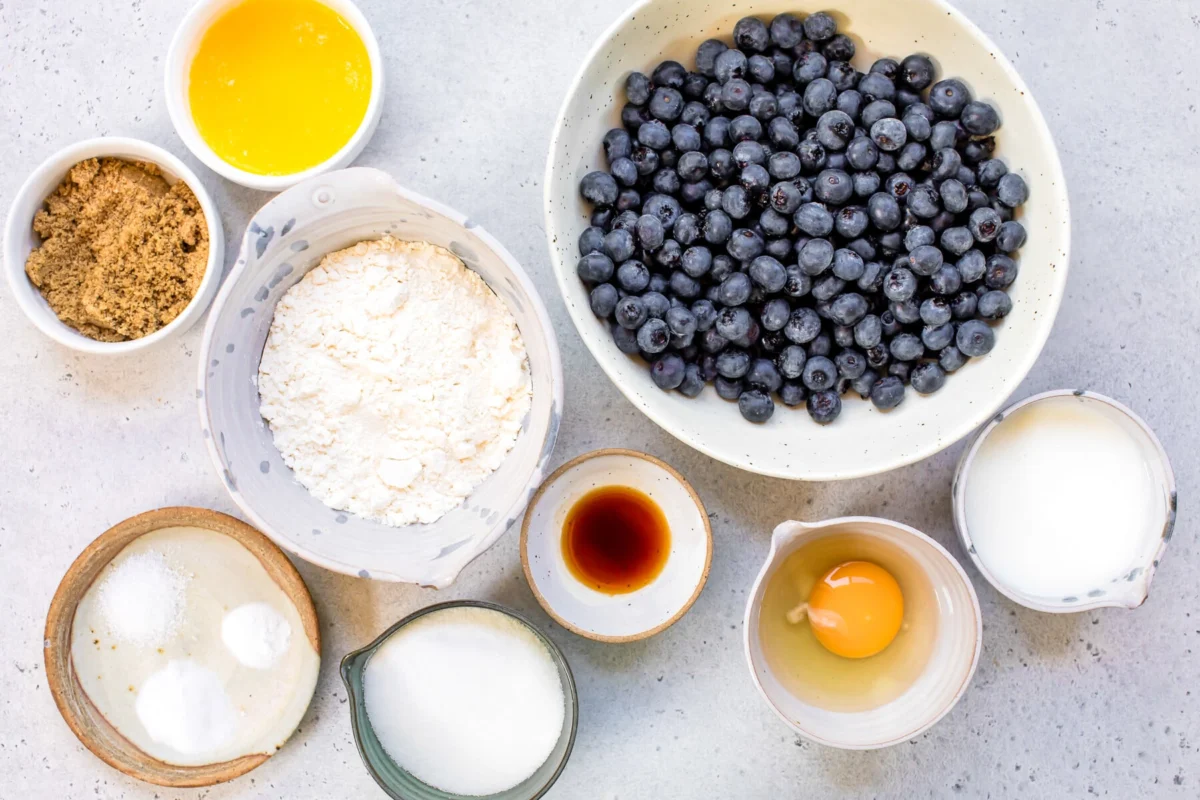
Blueberries, the star ingredient of these mini cakes, play a crucial role in their appeal. Renowned for their vibrant color, sweet-tart flavor, and impressive nutritional profile, blueberries are a favorite among health-conscious consumers. Rich in antioxidants, fiber, and vitamins C and K, they offer both flavor and health benefits. The way blueberries transform during baking is central to the upside-down cake’s charm; as they heat, they release their natural sugars and juices, creating a luscious, jammy, and naturally sweet topping that caramelizes slightly. This characteristic makes them particularly suitable for desserts where a less-sugary profile is desired, aligning with consumer preferences for treats that are sweet but not "overly sweet," as noted by culinary creators in the space. The versatility of blueberries also allows for year-round enjoyment, with fresh berries preferred in season and frozen berries serving as an excellent substitute during off-seasons, ensuring the recipe’s accessibility regardless of seasonality.

Crafting the Mini Blueberry Upside Down Cake: A Practical Approach
The methodology for preparing these individual blueberry upside-down cakes emphasizes simplicity and efficiency. The process begins with layering blueberries and a sweetener at the base of individual ramekins or similar heat-proof containers. This forms the future "top" of the cake. Following this, a simple cake batter, typically comprising common pantry staples, is prepared and poured over the fruit layer. The magic then happens in the air fryer, which, for small batches, offers a swift and efficient cooking method. The controlled environment of the air fryer ensures even baking and the perfect development of the jammy fruit layer and tender cake texture.
For those catering to a larger gathering, the recipe is easily scalable for a conventional oven. The adaptability of the recipe to both air fryer and oven settings underscores its practical design, making it suitable for impromptu treats or planned celebrations. The use of ramekins provides a charming presentation for individual servings, enhancing the "special" feel of the dessert without requiring extensive effort. The quick preparation time (typically around 10 minutes prep and 15 minutes cook) positions this dessert as an attractive option for busy individuals seeking homemade quality with minimal time investment.

Expert Perspectives on Culinary Innovation and Health Trends
Culinary trend analysts and food industry experts frequently point to recipes like the individual blueberry upside-down cake as indicators of broader shifts in consumer behavior and technological integration in the kitchen. "The air fryer has demystified baking for many," states Dr. Evelyn Reed, a food technology consultant. "It offers a low-risk environment for experimentation, and recipes like these mini cakes demonstrate how traditional concepts can be revitalized for modern appliance capabilities. This isn’t just about convenience; it’s about empowering home cooks."
Nutritionists also weigh in on the trend towards fruit-forward, less-sweet desserts. "There’s a definite move away from excessively sugary treats," notes Sarah Chen, a registered dietitian. "Recipes that highlight the natural sweetness of fruits like blueberries, and allow for moderation through individual portions, are perfectly aligned with current health and wellness guidelines. It’s about enjoying dessert mindfully." The inherent "less sweet" nature of the described cake, allowing the fruit’s natural sugars to shine, resonates with a growing segment of the population actively seeking to reduce added sugar intake.

Operational Flexibility: Ahead-of-Time Preparation and Scaling
A key attribute enhancing the appeal of these individual blueberry upside-down cakes is their operational flexibility. The ability to prepare them a day in advance makes them an excellent option for entertaining or for meal prepping dessert components. Once baked and cooled, the cakes can be stored in an airtight container at room temperature, maintaining their quality and allowing for convenient serving. This "make-ahead" feature is highly valued by consumers who prioritize efficiency and stress reduction in event planning.
Furthermore, the recipe offers straightforward scaling options. Culinary platforms frequently incorporate features that allow users to adjust recipe quantities, and this design facilitates doubling or tripling the recipe with ease. For larger quantities, baking in a conventional oven becomes more time-efficient, utilizing standard baking dishes such as 8×8-inch, 9×9-inch, or 13×9-inch pans, depending on the desired yield. This scalability ensures that the recipe remains viable whether serving a single individual, a small family, or a larger gathering, demonstrating its practical utility across diverse social contexts.

Variations and Adaptability
The foundational structure of the blueberry upside-down cake lends itself well to numerous variations, further broadening its appeal. While blueberries offer a classic profile, other fruits can be substituted based on seasonal availability or personal preference, such as raspberries, sliced peaches, or mixed berries. Different sweeteners, including various sugar alternatives or natural syrups, can be explored to cater to specific dietary needs or taste preferences. The inclusion of spices like cinnamon or a hint of citrus zest can also introduce new layers of flavor, allowing for creative personalization. This inherent adaptability transforms a simple recipe into a versatile template for a range of individual fruit-based desserts.
Broader Impact and Implications

The proliferation of recipes like the individual air fryer blueberry upside-down cake signifies several broader implications for the culinary world and consumer behavior. Economically, it supports the booming air fryer market, driving demand for innovative accessories and expanding the appliance’s perceived value. It also impacts ingredient suppliers, particularly those providing fresh and frozen fruits, as well as baking staples. Socially, it democratizes baking, making it accessible to individuals with limited kitchen space, time constraints, or those who might be intimidated by traditional baking methods. The "quick treat" aspect caters to instant gratification, a hallmark of modern consumer culture. This trend encourages culinary creativity within the confines of convenience, proving that sophisticated flavors and presentation are achievable even with simplified techniques and appliances. It also subtly promotes a more mindful approach to dessert consumption by offering perfectly portioned delights.
The Future of Home Baking
As technology continues to integrate more deeply into daily life, the trajectory of home baking is set to evolve further. Smart appliances, advanced recipe databases, and personalized dietary planning tools will likely continue to influence what and how people bake. Recipes like the individual blueberry upside-down cake stand as a testament to this ongoing evolution: a classic concept revitalized by modern innovation, perfectly aligned with contemporary desires for convenience, customization, and quality. They represent not just a delicious dessert but a microcosm of the dynamic interplay between culinary tradition, technological advancement, and changing consumer preferences, heralding a future where gourmet experiences are increasingly accessible within the comfort of one’s own kitchen.
