

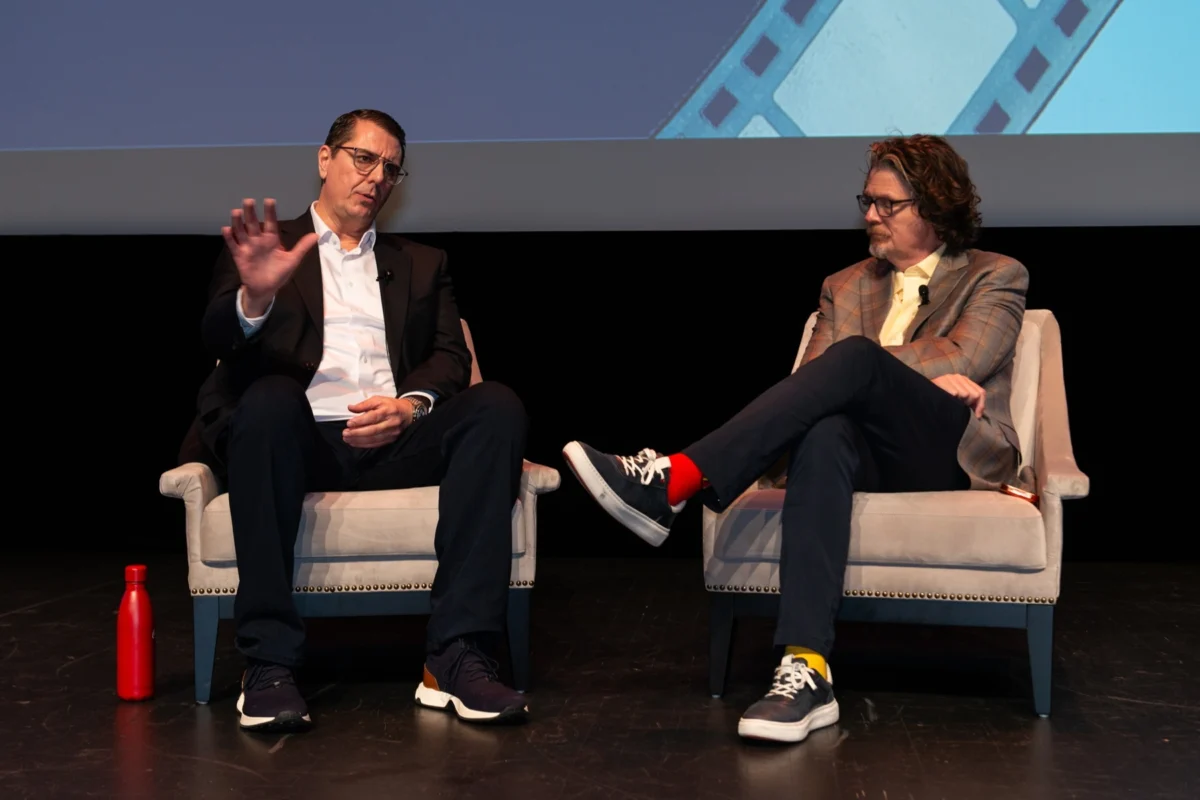
Manu Steijaert, a seasoned executive with an upbringing deeply intertwined with the McDonald’s brand, is steering the company’s International Operated Markets (IOM) with a focus on localized innovation and a forward-looking strategic vision. In an exclusive interview at the recent Global Restaurant Leadership Conference in Cannes, France, Steijaert provided insights into the multifaceted approach that defines McDonald’s presence in its most developed global markets, including Canada, the United Kingdom, France, and Australia. His tenure at McDonald’s, which began in his youth, has equipped him with a unique perspective on the brand’s evolution and its enduring appeal.
Steijaert’s personal journey with McDonald’s began in 1978, when his father, an engineer by profession, decided to establish a McDonald’s franchise in their native Belgium. At the tender age of five, the seeds of a lifelong connection were sown. His early immersion continued as he started working in the restaurants at just 13 years old, eventually taking the reins of the family business for two years when his father fell ill. This hands-on experience, followed by a pivotal conversation with the managing director of McDonald’s in Belgium, led him to join the corporation, a decision he describes as one he "basically never looked back" from. Over the years, Steijaert has ascended through the ranks, holding significant positions such as Chief Customer Officer, and has been instrumental in spearheading major initiatives, including the development of the company’s innovation hub, Speedee Labs.
Adapting to Local Tastes: The 70/30 Menu Strategy
A cornerstone of McDonald’s international success, as articulated by Steijaert, is its strategic approach to menu localization. While iconic global staples like the Big Mac and French Fries remain consistent, a significant portion of the menu – approximately 30% – is adaptable to local preferences and demands. This flexibility allows markets to curate offerings that resonate deeply with regional palates. For instance, in France, customers can enjoy unique items such as the Chicken Paprika and Curry Sauce, demonstrating McDonald’s commitment to culinary relevance.
"If you look at how consumers look at us, they consider us a global brand, and they consider us part of their local communities," Steijaert explained. This dual perception is cultivated not only through menu diversity but also through the integral role of franchisees. "I think that makes a big difference as well," he emphasized. "We are a big local employer, and we adapt and are engaged in local communities." This localized presence fosters a sense of belonging and reinforces McDonald’s position as a familiar and accessible part of everyday life in diverse cultural landscapes.
The localized menu also presents unique marketing opportunities. A prime example is McDonald’s U.K.’s "World Menu Heist" promotion last year. This initiative showcased products from various global markets, introducing consumers to items like the Big Rosti from Germany (a beef patty with potato rosti, bacon, cheese, and a baconnaise/cheese sauce) and Chicken McWings from China (chicken wings with a Szechuan pepper sauce). Such campaigns not only highlight the breadth of McDonald’s international offerings but also tap into consumers’ curiosity and appreciation for global flavors.
Navigating Operational Nuances: The Case of Drive-Thru Dominance
Beyond menu variations, McDonald’s operates within diverse daily business cycles that can significantly differ across markets. The contrast between France and Canada regarding drive-thru usage starkly illustrates this point. In France, less than 30% of sales originate from the drive-thru, whereas in Canada, this figure surges to an impressive 80%. Furthermore, French markets experience concentrated sales within a five-hour window, leading to more pronounced peak periods compared to other regions. These operational disparities present complex management challenges.
However, these mature markets also serve as fertile ground for knowledge sharing and the cross-pollination of ideas. The challenges faced in France, for example, spurred significant innovation. Due to the intense peak business hours, many French McDonald’s restaurants struggled with insufficient space to accommodate additional order points. "We could not fit any more registers," Steijaert recalled, highlighting the constraint that prevented them from capitalizing on peak demand.
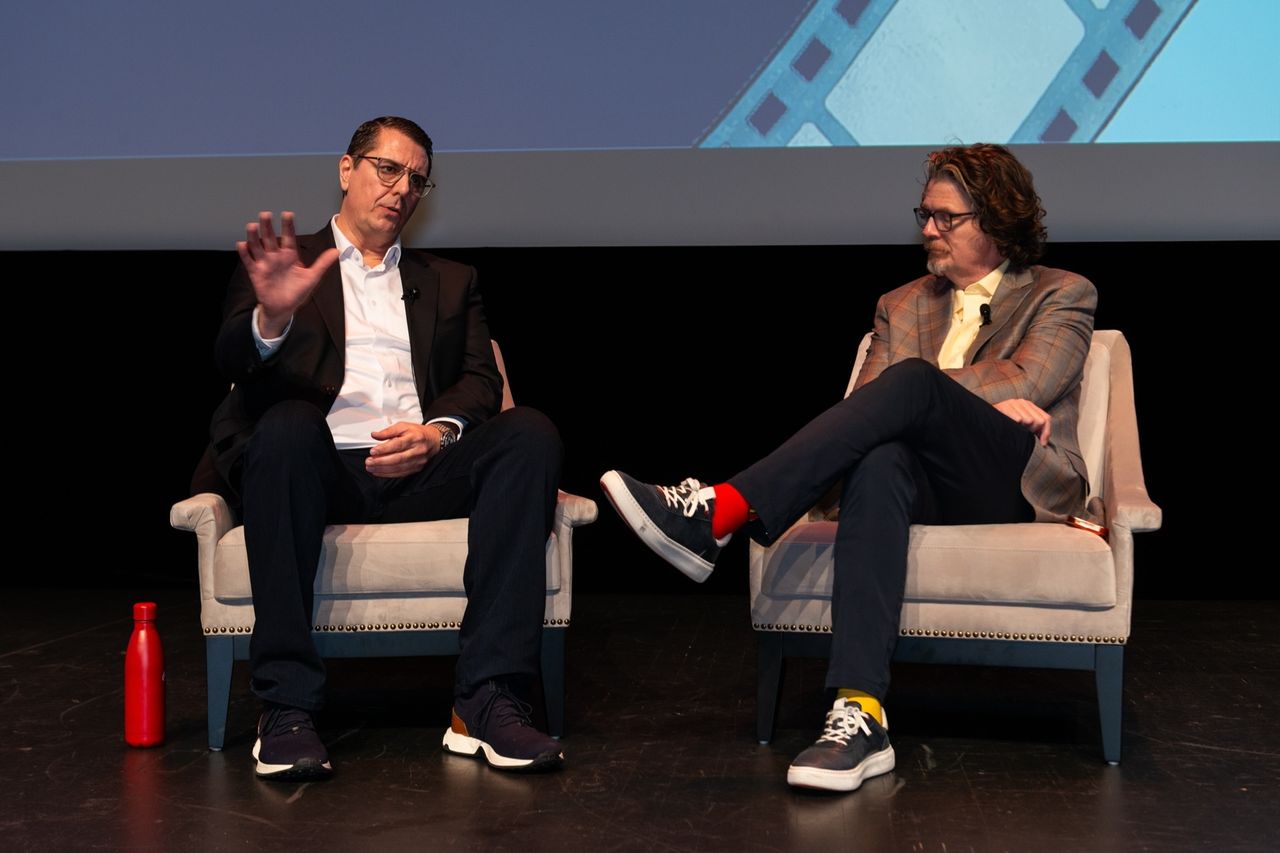
This operational bottleneck led to the introduction of kiosks in 2007. Contrary to a common misconception, Steijaert clarified, "Kiosks were actually never a labor-saving initiative." Instead, their primary purpose was to alleviate the order-taking capacity issue during peak times. The success of these kiosks eventually led to their expansion into other mature global markets and their integration as a key component of McDonald’s global remodels in 2017, a decade after their initial implementation. This demonstrates a cyclical process of identifying a market-specific challenge and developing a solution that, in turn, becomes a globally transferable innovation.
The "Next" Strategy: A Ten-Year Blueprint for Growth and Adaptability
McDonald’s recently unveiled its ambitious corporate strategy, dubbed "Next," a comprehensive 10-year plan designed to enhance customer experience, elevate menu quality, integrate advanced technology, and refine marketing efforts. This strategy is a proactive response to the dynamic and evolving landscape of the fast-food industry.
"The competitive environment is changing," Steijaert stated, underscoring the multifaceted pressures facing the industry. "There’s technology. There’s geopolitics. And I think a single company, be it in the restaurant business or outside of the restaurant business, it’s really hard to predict where we’re going to be about 10 years from now." The "Next" strategy aims to provide the agility required to navigate these uncertainties while maintaining a steadfast focus on consumer needs. It embeds an understanding of future consumer trends with a robust framework to address emergent challenges and mitigate risks.
Elevating Chicken Offerings: A Strategic Growth Frontier
A significant pillar of the "Next" strategy involves substantial menu improvements, with a particular focus on chicken and beverages, areas where McDonald’s aims to capture greater market share. The introduction of hand-breaded chicken, currently being tested in Chicago and slated for expansion across the U.S. and further trials in Ireland, is a key initiative in this regard.
Steijaert highlighted the strategic imperative behind this focus: "We have about 40% global share of beef. Beef grows about 3% a year. Chicken grows about 5% a year. We only have 20% (market share in chicken). If you think about our fair share, you can see it’s a massive potential growth opportunity." This disparity presents a compelling case for investing in and optimizing chicken offerings to align with market growth rates and capture a more equitable share of the category.
The operational complexities and investment required for hand-breaded chicken are not insignificant. The process adds an estimated 90 to 100 labor hours per store per week and requires an investment of $100,000 or more per restaurant for development. These figures have understandably raised concerns among some operators regarding the effort involved.
However, McDonald’s is drawing upon its extensive global experience, particularly from its operations in Asia, where hand-breaded chicken is already a well-established offering. "We already do it in 10,000 restaurants in Asia, so we have some knowledge there," Steijaert pointed out. The company is adopting a phased approach to its current tests, prioritizing learning and operational refinement.
"This is not a discussion about if," Steijaert asserted, conveying a strong sense of conviction. "It’s becoming a discussion about how. And if anybody can do it, we should be able to." This statement reflects a confidence in McDonald’s capacity to implement and scale complex operational changes, leveraging its global infrastructure and accumulated expertise to unlock the significant growth potential within the chicken category. The success of this initiative will be a key indicator of McDonald’s ability to execute its long-term "Next" strategy and maintain its leadership in the global fast-food market.
