

A significant investment of €850,000, approximately $994,000 USD, has been announced by the non-profit organization World Coffee Research (WCR) in collaboration with the United Nations Industrial Development Organization (UNIDO) to bolster Uganda’s coffee sector. This ambitious project aims to enhance Ugandan farmers’ access to disease-resistant coffee varieties and solidify the nation’s long-term coffee production capabilities. The initiative is further supported by substantial contributions from the Lavazza Foundation, The J.M. Smucker Co., and JDE Peet’s, underscoring a broad industry commitment to the sustainability and growth of Ugandan coffee.
Uganda has recently ascended to the position of Africa’s largest coffee exporter, a testament to its growing influence in the global coffee market. Official government data indicates that in the 12 months concluding in October 2025, Uganda generated an impressive $2.4 billion in coffee export earnings, surpassing Ethiopia and highlighting the economic significance of this agricultural commodity for the nation. This new investment is strategically designed to build upon this momentum, addressing critical challenges that have historically impeded the sector’s full potential.
Project Genesis and Key Objectives
The nearly $1 million project, spearheaded by WCR, is being implemented under the umbrella of UNIDO’s ACT Coffee Programme, which stands for Advancing Climate-Resilience and Transformation in African Coffee. This program itself receives crucial funding from the Italian Cooperation through its Ministry of Foreign Affairs and International Cooperation, demonstrating a multi-stakeholder approach to agricultural development.
Andrea De Marco, UNIDO program manager and partnership advisor, emphasized the strategic importance of this collaboration. "Uganda’s coffee sector holds extraordinary potential, and this initiative demonstrates precisely the kind of public-private partnership that can unlock it," De Marco stated in an announcement shared with Daily Coffee News. His remarks highlight the belief that targeted investment and collaborative efforts are paramount to realizing the full economic and social benefits of Uganda’s coffee industry.
The primary objectives of the project are multifaceted, focusing on improving the resilience and productivity of Ugandan coffee farms. Key challenges that have historically hampered the sector include the pervasive threat of coffee wilt disease (CWD), limited access to high-quality and genetically consistent planting material, and persistent vulnerabilities to other pests and diseases such as leaf rust and coffee berry disease, compounded by the escalating impacts of climate change.
Expanding Planting Infrastructure and Disease Resistance
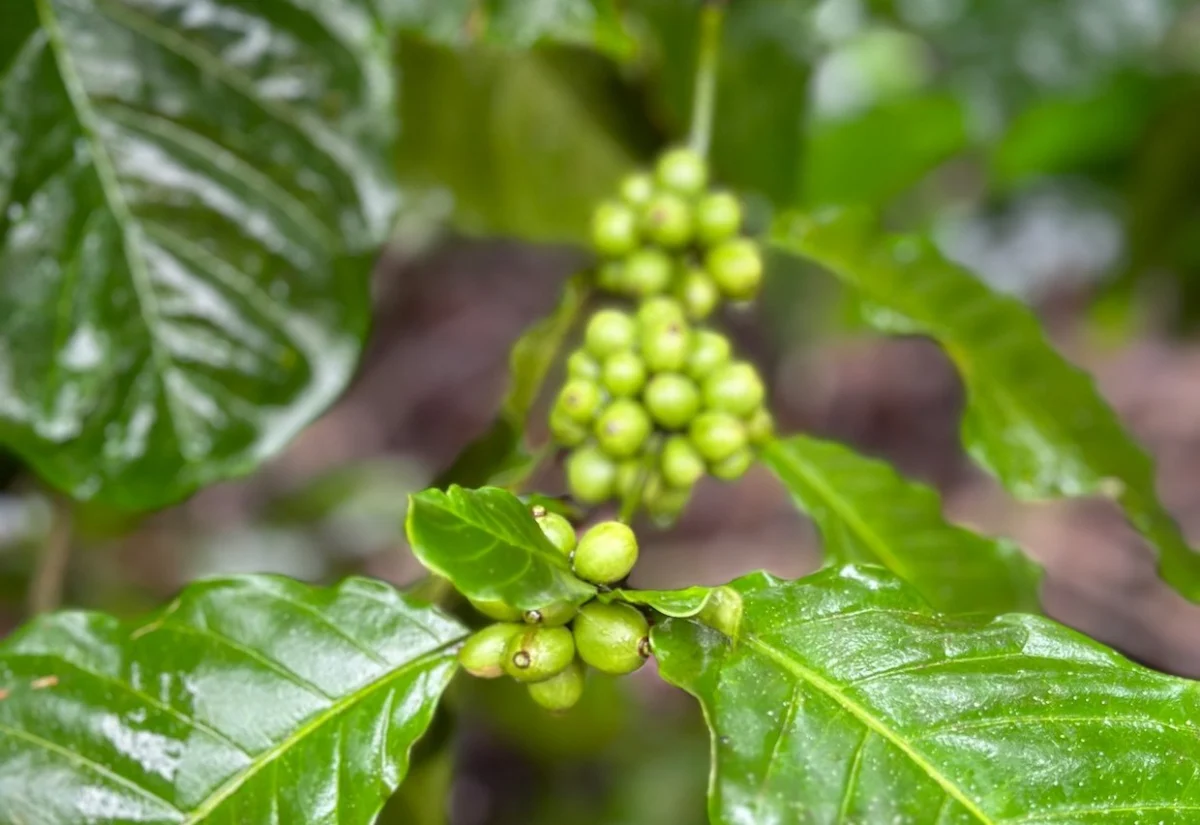
A central component of the initiative involves a broad expansion of Uganda’s coffee planting infrastructure. The project plans to establish new robusta mother gardens and nurseries strategically located across northern, central, and western Uganda. These facilities are engineered to produce an estimated 460,000 high-yielding, CWD-resistant trees annually. The focus is on the commercially released NARO Kituza Robusta (KR) lines, which have demonstrated significant promise in combating the debilitating effects of coffee wilt disease.
Recognizing the diverse agro-ecological zones within Uganda, the project incorporates region-specific adaptation strategies. In the drier northern regions, a critical innovation will be the grafting of robusta coffee onto liberica rootstock. This technique is employed to significantly enhance drought tolerance, a crucial adaptation strategy in areas increasingly susceptible to water scarcity due to climate change.
To ensure the integrity and efficacy of the planting material, over 5,000 robusta mother garden plants will undergo rigorous genotyping. This process aims to verify their genetic purity, providing farmers with a high degree of confidence that the new trees will consistently deliver the expected levels of productivity and resilience. This focus on genetic integrity is a vital step in building a more stable and predictable coffee supply chain.
A Foundation Built on Prior Research and Industry Commitment
This new project is not an isolated endeavor but builds upon a robust foundation of prior research and strategic planning. It directly supports a prioritized investment roadmap for Uganda’s coffee research and development and seed systems, a document meticulously developed by the country’s National Agricultural Research Organisation (NARO) and the National Coffee Research Institute (NaCORI) in close collaboration with WCR. This roadmap identified critical areas for intervention, and the current project represents a significant step towards implementing those recommendations.
The timing of this announcement also aligns with a broader industry commitment to supporting coffee-growing regions globally. In January 2025, WCR announced the renewal of commitments from its extensive network of over 190 member companies spanning 29 countries. These renewed commitments totaled more than $10 million through 2027, with major contributors like JDE Peet’s and The J.M. Smucker Co. among the ten companies making significant three-year pledges. This broad-based industry support underscores the recognition of WCR’s pivotal role in driving research and development for the global coffee sector.
National Ambitions and Global Market Dynamics
The initiative directly contributes to Uganda’s ambitious national goal of achieving 20 million bags of annual coffee production by the year 2030. This target was established within the country’s 2017 Coffee Roadmap, a comprehensive strategy aimed at transforming the sector into a leading global player. For context, as reported by Daily Coffee News last year, Uganda’s coffee production was forecast at approximately 6.88 million bags for the 2025/26 marketing year. While this represents substantial output, the 2030 target signifies a significant leap in production capacity, requiring sustained investment in research, infrastructure, and farmer support.
The project’s focus on disease-resistant varieties and enhanced planting materials is crucial for achieving this ambitious target. By mitigating losses from pests and diseases and improving the genetic quality of seedlings, farmers can achieve higher yields and more consistent harvests, directly contributing to the national production goals.
Implications for Ugandan Farmers and the Global Coffee Market
The implications of this nearly $1 million investment are far-reaching, extending from individual smallholder farmers to the global coffee supply chain. For Ugandan farmers, the project promises enhanced livelihoods through increased yields, improved crop resilience, and greater confidence in the quality and productivity of the planting material they use. Access to disease-resistant varieties can significantly reduce crop losses, thereby stabilizing incomes and fostering a more sustainable farming practice. The focus on genetic purity also ensures that farmers are investing in trees that will perform as expected, reducing the risk of disappointment and financial loss.
For the broader Ugandan economy, strengthening the coffee sector translates into sustained export earnings, job creation, and rural development. As coffee remains a vital foreign exchange earner, its robust growth directly contributes to national economic stability and the funding of public services.
On a global scale, this project contributes to a more resilient and sustainable coffee supply. By enhancing production in a key exporting nation and focusing on disease resistance and climate adaptation, the initiative helps to mitigate the risks associated with climate change and disease outbreaks that can disrupt global coffee markets. The increased availability of high-quality robusta coffee, known for its bold flavor and caffeine content, can also help meet the growing global demand for this specific coffee varietal.
The Role of Public-Private Partnerships
The success of this project hinges on the effective synergy between public institutions, private sector entities, and non-profit research organizations. UNIDO’s role in coordinating and facilitating the ACT Coffee Programme, coupled with WCR’s expertise in coffee genetics and research, provides a strong scientific and programmatic backbone. The financial backing from the Lavazza Foundation, The J.M. Smucker Co., and JDE Peet’s demonstrates the private sector’s recognition of the long-term value in investing in sustainable coffee production. This model of public-private partnership is increasingly recognized as essential for tackling complex challenges in global agriculture and development.
The initiative’s reliance on research from NARO and NaCORI highlights the importance of integrating local scientific expertise with international knowledge and resources. This collaborative approach ensures that interventions are contextually relevant and scientifically sound, maximizing their potential impact on the ground.
Looking Ahead: A Roadmap for Sustainable Growth
The establishment of new mother gardens and nurseries, coupled with advanced techniques like grafting and genetic verification, represents a tangible and strategic investment in Uganda’s coffee future. The project’s focus on robusta, a key export commodity for Uganda, is particularly significant. By improving the quality and resilience of robusta production, Uganda can further solidify its position as a leading global supplier.
The commitment to producing up to 460,000 resistant trees annually signifies a substantial increase in the availability of superior planting material, which has been a persistent bottleneck. This consistent supply chain of improved seedlings is vital for both replacing older, less productive trees and for expanding cultivation areas.
As Uganda strives to meet its ambitious production targets, this project serves as a critical enabler, addressing fundamental challenges related to plant health and genetic quality. The successful implementation of this €850,000 initiative, driven by international collaboration and robust scientific backing, is poised to yield significant dividends for Ugandan farmers, the national economy, and the global coffee landscape for years to come.
