

Colombia, a nation synonymous with high-quality Arabica coffee, stands as the world’s third-largest producer of this prized bean. The country’s coffee industry, which began its commercial ascent in 1870, is a cornerstone of its economy, contributing a significant 22% to the national Gross Domestic Product (GDP). This vital sector is powered by approximately 560,000 coffee farms, a vast majority of which are small-scale operations that collectively account for a substantial 15% of the total national coffee output. Coffee is more than just a commodity in Colombia; it is deeply woven into the fabric of its national identity and cultural heritage. Historically, its economic significance has been immense, at times representing up to 80% of the nation’s total exports. The period between 1870 and 1930, heavily influenced by the burgeoning coffee trade, saw profound economic integration and positive political and social transformations across the country.
Despite the deep-rooted importance and global recognition of Colombian coffee, a critical challenge is hindering the full potential of its agricultural sector, particularly in the adoption of agroforestry systems in key regions. Recent analyses highlight a stark reality: a mere 5% of smallholder coffee farmers demonstrate technical efficiency (TE). This low figure points to systemic issues in agronomic management, including inefficient input utilization, suboptimal fertilizer and pesticide application, inadequate pest and disease monitoring, labor shortages, and substandard production conditions. These deficiencies not only impact yield and quality but also represent a significant barrier to embracing more sustainable and resilient farming practices, such as agroforestry.
The Agroforestry Promise in Colombia’s Andean-Amazonian Piedmont
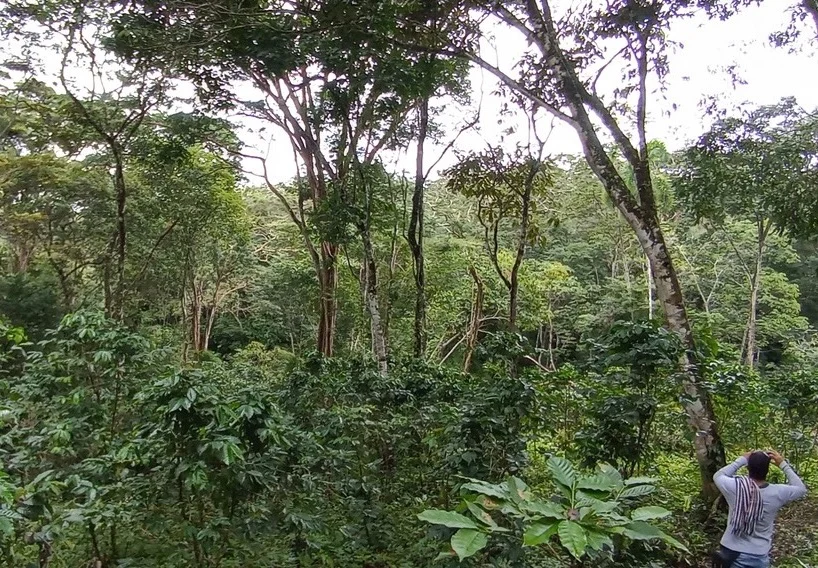
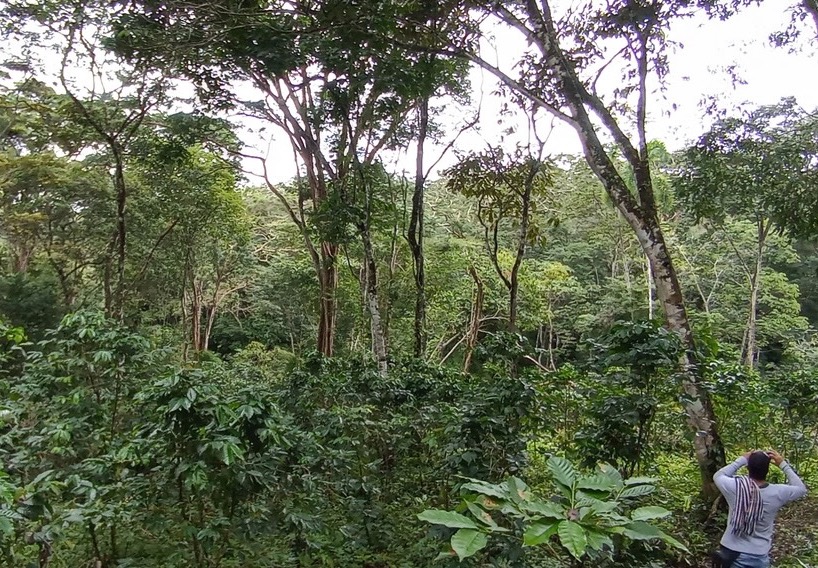
The traditional heartland of Colombian coffee production, often referred to as the "cafetal zone," encompasses departments like Risalda, Caldas, Antioquia, and Quindío. In these established regions, coffee cultivation is predominantly carried out in full-sun systems, a method that, while familiar, can be less resilient to climate fluctuations and may not optimize biodiversity. However, a more promising frontier for coffee cultivation exists in what are termed the "low marginal zones," notably in the department of Meta. Here, at elevations ranging from 400 to 900 meters (approximately 1,300 to 3,000 feet) above sea level, farmers have pioneered a unique approach to coffee farming: agroforestry systems. These systems integrate coffee cultivation with timber trees and forest cover, leveraging the natural environment to enhance resilience and sustainability. This particular niche, nestled within the mountains of the Eastern Cordillera, offers exceptional potential for coffee production, with municipalities like Mesetas and Uribe emerging as key areas.
The Ecological and Social Landscape of Meta
The department of Meta, while holding significant agricultural potential, presents a complex socio-ecological landscape. According to a report on key crops by Municipal Agricultural Evaluations (EVA/UPRA), Meta’s total cultivated area spans 539,010 hectares (1.33 million acres). However, coffee is not the dominant crop; oil palm, maize, rice, soy, plantain, sugarcane, and cacao take precedence. This ecological context is crucial, as Meta lies at the confluence of two of Earth’s most vital biomes: the Amazon rainforest and the Andes mountains, forming the Andean-Amazonian piedmont. The Andes are globally recognized as biodiversity hotspots, characterized by a high degree of endemic flora and fauna. Simultaneously, the Amazon basin provides indispensable ecosystem services, contributing approximately 15% of the world’s freshwater supply.
This region, however, is under immense pressure. It is experiencing rapid landscape and ecosystem transformation driven by accelerating deforestation and the relentless advance of the agricultural frontier. Compounding these environmental challenges is a complex social and political reality marked by the lingering effects of armed conflict, the prevalence of illicit crops like coca, and significant forced displacement. Amidst these difficulties, non-Indigenous peasants and displaced communities have identified coffee cultivation within forest environments, transitioning to agroforestry systems, as a potential sustainable alternative to their former livelihoods.
A Transition to Peace Through Coffee
Historically, the regions of Mesetas and Uribe were significant strongholds for the FARC guerrillas and major centers for coca cultivation. Consequently, they serve as powerful examples of how a transition towards peace can be facilitated by transforming production systems. The local communities, including the Uribenses and coffee growers displaced from other parts of the country, view the shift to coffee as a crucial, albeit small, step in this peace-building process. The establishment of coffee cooperatives, facilitating the processing and sale of their produce, is a testament to their progress and collective effort.
Despite these positive developments, a significant hurdle remains: a widespread lack of awareness about coffee cultivation in these regions, even among many Colombians. Producers in Uribe and Mesetas face challenges in marketing their products beyond their immediate localities due to this limited recognition. This anonymity underscores the need for greater visibility and market access for their unique, sustainably grown coffee.
The Pervasive Technical Gap
The pursuit of more sustainable production systems, which includes increasing timber species diversity, intercropping, and preserving native trees, is evident in these agroforestry initiatives. However, a profound lack of technical efficiency (TE) among coffee growers in this zone is a significant impediment. There is an apparent knowledge gap concerning accurate agricultural management practices, which poses one of the most substantial challenges to the transition towards sustainable agriculture. Farmers in these biodiverse and ecologically rich regions, while possessing an inherent understanding of their environment, require substantial technical and educational support to optimize their practices and achieve their full potential.
Insights from the Field: Displaced Farmers and Limited Knowledge
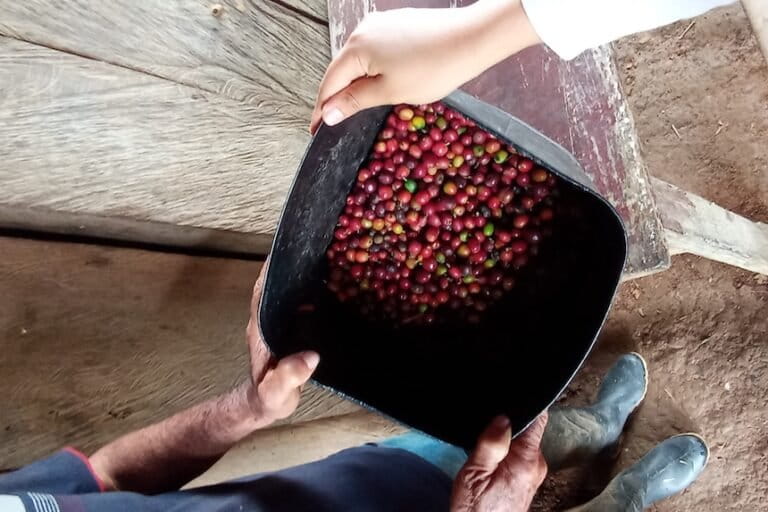
In-depth scientific research reveals that many coffee growers in these areas are individuals displaced by violence, often from neighboring departments like Huila and Tolima. A notable portion of these farmers are also illiterate. Their understanding of pest and disease control for coffee is largely informal, based on recommendations shared among themselves. This often leads to the purchase of locally available chemical products, sometimes applied indiscriminately due to a lack of precise guidance. The inability to easily access urban centers for proper product acquisition further exacerbates the issue, leading to the use of whatever chemicals are at hand for pest and disease management.
Furthermore, awareness of biological control methods for common coffee pests, such as the coffee berry borer (CBB), remains limited. While some farmers are aware of beneficial agents like the fungus Bauveria bassiana, they often lack access to the product, as it is not readily sold within their municipalities. This lack of access to sustainable pest management solutions forces a continued reliance on less environmentally sound methods.
Profitability Concerns and the Appeal of Agroecology
A recurring concern among coffee growers is the low profitability of coffee cultivation. They perceive the maintenance of coffee plantations as increasingly complex and financially unrewarding, especially in a region where coca previously offered a more immediate, albeit illicit, source of income. Despite these economic pressures, a strong interest in improving management practices and continuing coffee cultivation has been observed. However, skepticism and a lack of knowledge regarding agroecological practices, such as the use of farm-produced compost and organic matter for fertilization, companion cropping for enhanced yields, and biological pest regulation, are prevalent. This hesitation reflects a need for robust education and demonstration of the tangible benefits of these sustainable approaches.
Addressing the Challenges: A Call for Integrated Support
The path forward requires a concerted effort to provide comprehensive information and technical assistance on agricultural management. This includes crucial aspects such as phytosanitary practices encompassing chemical, biological, and cultural control of pests and weeds, as well as optimal planting methods and the utilization of native coffee varieties. In a region historically scarred by armed conflict, accelerated deforestation, and agricultural expansion, coffee holds the potential to become a thriving industry, leveraging the unique biodiversity of this area as it navigates its journey towards peace.
The evident desire among farmers to adopt sustainable agricultural practices necessitates greater attention from the scientific community, civil society organizations, and governmental agencies. Farmers urgently need tailored technical assistance in coffee management and phytosanitary practices. This underscores the imperative for increased scientific research focused on the specific needs and challenges of agroforestry coffee systems in regions like Meta.
Reframing Colombian Coffee and the Meaning of Peace
This situation calls for a broader societal understanding that coffee cultivation in this "forgotten region" differs significantly from conventional methods. Its continued improvement and progress, vital for providing sustainable income to the land stewards, demand focused attention and support. It is also a call to recognize that the transition to peace is not solely a political endeavor. It is intrinsically linked to how the land is cultivated, how communities are empowered, and how sustainable livelihoods are built upon ecological principles. By addressing the technical gap and fostering a deeper understanding of agroforestry, Colombia can unlock the full potential of its coffee sector, contributing not only to economic prosperity but also to environmental conservation and lasting peace.
The challenges faced by coffee farmers in Meta, particularly those displaced and operating in complex socio-ecological environments, highlight a critical juncture for Colombian agriculture. The transition from conflict and illicit economies to sustainable, peace-building industries hinges on effective knowledge transfer, resource accessibility, and supportive policy frameworks. The success of agroforestry coffee in these regions could serve as a powerful model for other areas grappling with similar post-conflict development and environmental preservation goals. Further research and investment in farmer training, accessible biological control agents, and market development are essential to ensure that these promising agroforestry initiatives can flourish and contribute to a more sustainable and peaceful future for Colombia.
