

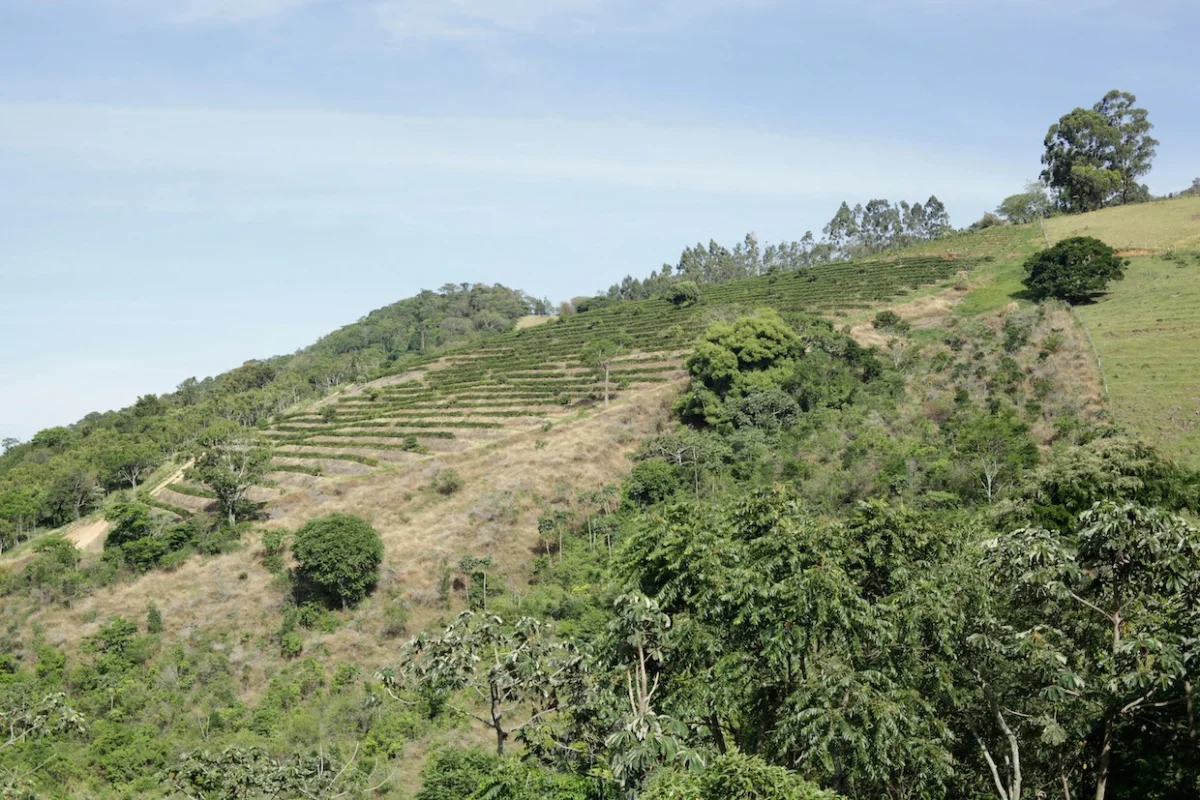
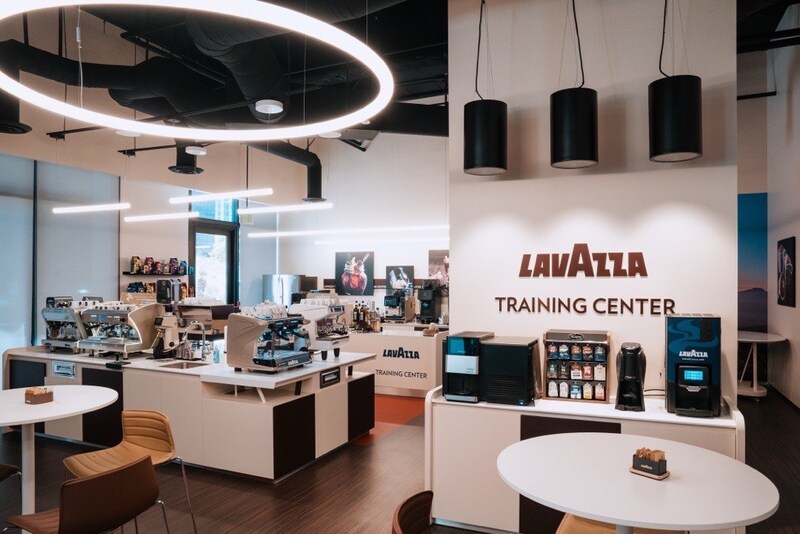
The global coffee industry is experiencing a dynamic period, marked by significant investments in education and infrastructure, critical discussions on climate resilience, and shifts in market dynamics driven by abundant harvests. Italian coffee giant Lavazza has further cemented its commitment to the North American market with the inauguration of its second major training center in Los Angeles, a strategic move that follows its Dallas facility launch in December 2025. This expansion underscores Lavazza’s dedication to fostering coffee expertise and culture across the continent, adding to its already extensive global network of 58 training locations.
Lavazza Cultivates Expertise with Los Angeles Training Hub
Lavazza’s new Los Angeles Training Center represents a significant expansion of its educational footprint in North America. The facility, strategically located to serve the vibrant West Coast coffee scene, is designed to be a nexus for professional development, innovation, and the promotion of coffee culture. This initiative is part of a broader global strategy by Lavazza to empower baristas, roasters, and coffee professionals with the skills and knowledge necessary to excel in an ever-evolving industry. The center is equipped with state-of-the-art espresso machines, brewing equipment, and roasting facilities, providing hands-on training opportunities.
The opening of the Los Angeles center, following closely on the heels of the Dallas facility, signals a deliberate investment in key U.S. markets. Dallas, opened in December 2025, primarily serves the rapidly growing Southern and Central regions, while the Los Angeles location is poised to cater to the extensive network of cafes and specialty coffee businesses on the West Coast. Together, these facilities aim to enhance Lavazza’s brand presence and its ability to support wholesale partners and the wider coffee community.
The company’s investment in training infrastructure is not merely about brand building; it’s about contributing to the overall quality and sustainability of the coffee sector. By equipping professionals with advanced techniques and a deeper understanding of coffee origins, processing, and sensory evaluation, Lavazza aims to elevate the consumer experience and foster a more informed appreciation for specialty coffee. This commitment to education aligns with Lavazza’s long-standing heritage and its vision for the future of coffee.
World Economic Forum Highlights Imperative for Climate Insurance in Coffee Value Chains
In a pivotal development for the future of coffee cultivation, the World Economic Forum (WEF) has published a compelling article advocating for the widespread adoption of climate insurance within the coffee industry. The piece argues that this financial instrument is no longer a niche consideration but a critical component for fortifying coffee value chains against the escalating impacts of climate change. The WEF’s call to action emphasizes that climate shocks, such as extreme weather events, unpredictable rainfall patterns, and rising temperatures, pose a direct threat to the livelihoods of millions of coffee farmers and the stability of global coffee supply.
The article posits that insurance should be integrated as part of a comprehensive adaptation strategy, rather than being viewed as a solitary solution. It calls for a shared responsibility in bearing the costs associated with building resilience. This means that the financial burden should not fall solely on farmers, who are often the most vulnerable to climate-related losses. Instead, the WEF suggests a collaborative model involving farmers, exporters, roasters, large corporations, and ultimately, consumers, to distribute the financial risks and invest in adaptation measures.
The implications of climate change for coffee production are profound. According to the International Coffee Organization (ICO), coffee-growing regions are particularly susceptible to the effects of global warming. Many prime coffee-growing areas could become unsuitable for cultivation by 2050, leading to significant reductions in yield and quality. This necessitates proactive measures to mitigate risks and ensure the long-term viability of coffee farming. Climate insurance can provide a crucial safety net, enabling farmers to recover from crop losses and reinvest in climate-resilient practices, such as diversifying crops, implementing water-efficient irrigation systems, and adopting shade-grown coffee techniques.
The WEF’s analysis underscores the urgency of this issue, suggesting that inaction could lead to widespread social and economic disruption in coffee-producing countries, many of which rely heavily on coffee exports for their national economies. By promoting a more equitable distribution of risk and cost, the WEF aims to foster a more sustainable and resilient global coffee industry that can withstand the challenges of a changing climate.
Brazil’s Record-Breaking Harvest Signals Potential Global Surplus and Price Pressure
As the 2026/27 coffee harvest commences in Brazil, analysts are projecting unusually high yields, with private-sector forecasts hovering around an impressive 75.3 million to 75.9 million 60-kilogram bags. This robust output is attributed to favorable weather conditions experienced during the crop’s development and is expected to contribute significantly to a global coffee surplus. StoneX, a leading agricultural commodity analytics firm, has projected a global surplus of approximately 10 million bags for 2026.
This substantial increase in supply from Brazil, the world’s largest coffee producer, is poised to exert downward pressure on global coffee prices. The sheer volume of the Brazilian crop often dictates market trends, and a surplus of this magnitude could lead to a more competitive pricing environment for buyers. For producers, this scenario presents a dual challenge: while higher volumes can potentially offset lower per-unit prices, the overall profitability can be significantly impacted if prices fall too sharply.
The Brazilian coffee industry has made significant strides in improving its production efficiency and resilience over the years. Investments in technology, better agricultural practices, and improved infrastructure have contributed to the consistent output of high-quality beans. However, the sector remains susceptible to climatic fluctuations, and while the current season is exceptionally favorable, the long-term outlook for coffee production globally is increasingly intertwined with climate change mitigation and adaptation strategies.
The potential for a sustained period of lower prices could have ripple effects across the entire coffee value chain. While consumers might benefit from more affordable coffee, producers in other regions, particularly those with higher production costs or smaller yields, could face increased economic hardship. This underscores the importance of market transparency and the need for robust support mechanisms for coffee-growing communities worldwide.
Esteemed Educators and Industry Leaders Honored for Contributions
The coffee community is celebrating the achievements of its dedicated professionals, with significant recognition bestowed upon key individuals. Javier Hoyos García, Executive Director of TECNICAFÉ in Cauca, Colombia, has been named the 2026 Educator of the Year by the Coffee Quality Institute (CQI). This prestigious award highlights García’s extensive contributions to coffee education. Since beginning his work as a CQI instructor in 2019, he has trained over 1,000 students, playing a vital role in developing skilled professionals within the coffee sector. His dedication to knowledge transfer and capacity building is instrumental in elevating coffee quality and sustainability standards globally.
In a similar vein, the Hawaii Coffee Association has appointed Abigail Munoz as its new Executive Director. Munoz, who is affiliated with Monarch Coffee, was unanimously approved by the association’s board. Her appointment signifies a strategic focus on advancing the association’s planning initiatives and further strengthening the Hawaiian coffee industry. Her leadership is expected to guide the association through critical growth phases and address the unique challenges and opportunities facing coffee producers in the region.
These accolades underscore the vital role of education and leadership in the advancement of the coffee industry. Individuals like Javier Hoyos García and organizations like the Hawaii Coffee Association are crucial in nurturing talent, promoting best practices, and ensuring the continued prosperity of coffee cultivation and commerce.
La Marzocco Espresso Machines Fuel a Thriving Resale Market
A recent feature in The New York Times has shed light on the burgeoning resale market for La Marzocco espresso machines, positioning the brand as the "Ferrari of espresso machines." The article highlights how these high-end machines, renowned for their exceptional build quality and performance, have become highly coveted items among cafe owners and dedicated collectors. The sustained demand for used La Marzocco machines speaks volumes about the brand’s enduring appeal and the investment value placed on its products.
The resale market for premium coffee equipment is a testament to the longevity and craftsmanship associated with certain brands. For cafe owners, acquiring a used La Marzocco can represent a significant cost saving while still accessing professional-grade performance. For enthusiasts and collectors, these machines are not just tools but coveted pieces of engineering and design, often appreciating in value over time. This trend indicates a maturing coffee culture where quality, durability, and performance are highly prioritized, driving demand for both new and pre-owned professional equipment.
Legal and Business Developments in the Coffee Sector
In other notable business news, the embezzlement lawsuit filed by Ron Crume, co-founder of 7 Brew, against his business partner over Creative Modular Construction has been dismissed. An Arkansas Business report indicated that the parties involved reached a "full resolution," bringing an end to the legal proceedings. This development allows the companies to move forward without the distraction of litigation.
Meanwhile, Scott Martin, co-founder of Coffee Nation (which was acquired by Whitbread and rebranded as Costa Express), has successfully secured £2 million in a second funding round for his new venture, Unity Coffee. Unity Coffee operates as an automated retail platform, and this significant investment will likely fuel its expansion and further development of its innovative vending solutions within the beverage sector.
Nestlé has reported solid first-quarter growth for 2026, with organic growth reaching 3.5% and real internal growth at 1.2%. The company indicated that its coffee segment was a key driver of these volume gains, helping to offset the impact of a global infant-formula recall linked to potential cereulide contamination. This resilience in its coffee business highlights the consistent demand for Nestlé’s coffee products despite broader challenges.
Conversely, Keurig Dr Pepper (KDP) experienced a mixed first quarter. While overall net sales increased by 9.4% to $3.98 billion, driven by a strong performance in U.S. refreshment beverages, its U.S. coffee segment saw a decline. Net sales in U.S. coffee fell by 2.3% to $857 million, with adjusted operating income dropping by 21.3%. This downturn in the coffee segment was attributed to factors including volume-mix declines, increased cost pressures, and higher marketing expenditures. The contrasting performances within KDP’s portfolio illustrate the diverse market dynamics affecting different beverage categories.
Career Opportunities and Industry Insights
For those seeking to advance their careers in the coffee industry, CoffeeIndustryJobs.com remains a vital resource. The platform lists a variety of opportunities across the sector, from entry-level positions to senior management roles, connecting talent with leading companies.
In recent news highlights, major coffee companies have joined forces with Airbus in a pre-competitive initiative to create an openly accessible map of global coffee production. This groundbreaking project aims to provide unprecedented data and insights into coffee-growing regions, fostering greater transparency and collaboration within the industry. Additionally, the World of Coffee event in San Diego showcased innovative new home coffee equipment and advancements in green coffee and roastery technology, signaling continued progress in product development and consumer experience. Starbucks has also been exploring the integration of generative AI, piloting "vibe ordering" through a ChatGPT app, pushing the boundaries of customer interaction. Meanwhile, Philz Coffee has reversed a directive to remove Pride flags from its cafes, with the CEO issuing an apology, addressing a sensitive social issue within the corporate environment. In China, Luckin Coffee has opened a massive roastery in Qingdao, claiming to house the world’s largest coffee roasting machine, underscoring the rapid growth and scale of operations in the Chinese market.
The coffee industry continues to be a landscape of innovation, adaptation, and growth, with players at all levels striving to meet evolving consumer demands, address critical sustainability challenges, and foster a deeper appreciation for this beloved beverage.
For the latest in coffee industry news, subscribe to the DCN newsletter. If you have news to share or inquiries, please contact DCN’s editors.
