

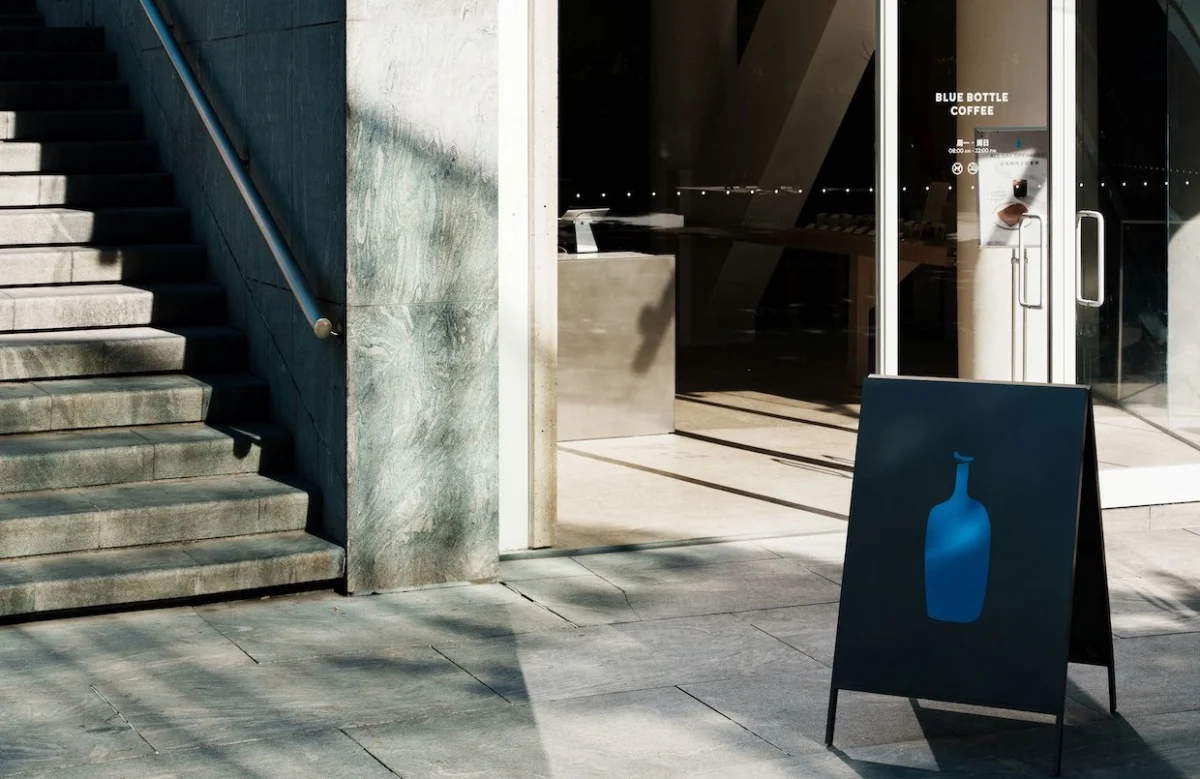
Nestlé has officially confirmed its agreement to sell its premium coffee chain, Blue Bottle Coffee, to Centurium Capital, the influential private equity firm and majority shareholder of the burgeoning Chinese coffee giant Luckin Coffee. This significant announcement, made within Nestlé’s latest quarterly sales release on April 23, 2026, provides the first direct confirmation from any of the involved parties regarding a definitive sales agreement. The transaction is subject to customary closing conditions and is anticipated to be finalized within the first half of 2026. Financial details of the acquisition have not been disclosed.
The confirmation arrives after months of speculation, with initial reports of a potential deal surfacing in Chinese media outlets in March 2026. At that time, Daily Coffee News reached out to Nestlé, Blue Bottle, and Centurium for comment but received no official statements. The groundwork for this eventual sale was laid earlier, as Reuters first reported in December 2025 that Nestlé was exploring options for divesting its stake in Blue Bottle.
A Strategic Shift for Nestlé and a Bold Move for Centurium Capital
The sale of Blue Bottle Coffee marks a significant strategic pivot for Nestlé, the Swiss food and beverage conglomerate, as it re-evaluates its portfolio in the dynamic global coffee market. Nestlé’s acquisition of the Oakland-founded specialty coffee company in 2017 was a landmark event in the industry, valued at approximately $425 million, which translated to a company valuation exceeding $700 million at the time. This acquisition underscored a broader trend of substantial investment and consolidation within the "Third Wave" specialty coffee sector, a movement characterized by a focus on artisanal quality, unique sourcing, and enhanced consumer experience.
However, the integration of Blue Bottle into Nestlé’s vast global operations has evidently not met the strategic objectives envisioned by the Swiss multinational. The divestiture suggests a recalibration of Nestlé’s approach to the high-end specialty coffee segment, potentially allowing the company to concentrate its resources on more established or differently positioned coffee brands within its extensive portfolio.
For Centurium Capital, this acquisition represents a significant expansion of its footprint in the global coffee landscape. As the controlling shareholder of Luckin Coffee since 2022, Centurium has overseen a remarkable turnaround for the Chinese coffee chain. Following a severe accounting scandal in 2020 that resulted in a $180 million settlement with the U.S. Securities and Exchange Commission, Luckin Coffee has undergone a rigorous restructuring. Under Centurium’s stewardship, Luckin has experienced a dramatic resurgence, reporting an impressive $7.03 billion in revenue for 2025 and expanding its store count by 8,708 net new locations, concluding the year with a formidable global network of 31,048 stores.
Transaction Details and Scope
Nestlé’s sales release provided limited specifics regarding the assets included in the Centurium deal. However, citing a Nestlé spokesperson, Food Dive reported that the transaction encompasses Blue Bottle’s physical cafe network and the majority of its consumer packaged goods business. Crucially, Nestlé is expected to retain the rights to Blue Bottle-branded single-serve Nespresso pods. This retention of the Nespresso pod rights suggests a strategic decision by Nestlé to maintain its presence in the convenient, single-serve coffee market while offloading the more operational and brand-intensive aspects of Blue Bottle’s retail and broader CPG operations.
The implications of this asset allocation are noteworthy. While Blue Bottle’s cafes and a substantial portion of its product lines will transition to Centurium’s ownership, Nestlé’s continued involvement with the Nespresso brand indicates a desire to leverage its existing infrastructure and market penetration in the at-home and office coffee consumption segments. This move could be interpreted as Nestlé focusing on its core competencies and established revenue streams, while allowing Centurium to nurture and expand Blue Bottle’s direct-to-consumer and cafe-based growth.
A Look Back: The Rise of Blue Bottle and Nestlé’s Investment
Founded in Oakland, California, in 2002, Blue Bottle Coffee quickly established itself as a leader in the Third Wave coffee movement. Its emphasis on meticulous sourcing, expert roasting, and a minimalist, aesthetically pleasing cafe experience resonated with a growing segment of coffee enthusiasts seeking higher quality and more nuanced flavor profiles. The company expanded rapidly, building a devoted following and a reputation for excellence that attracted significant investor interest.
Nestlé’s acquisition in 2017 was seen as a bold move by the global food giant to gain a significant foothold in the rapidly evolving specialty coffee market. At the time, the deal was a clear signal of Nestlé’s intent to diversify its coffee offerings beyond its established brands like Nescafé and Nespresso, and to tap into the premium segment where consumer loyalty and higher margins were perceived to be greater. The acquisition aimed to infuse Nestlé’s operational scale and global reach with Blue Bottle’s artisanal cachet and innovative approach.
The Luckin Coffee Connection: A Tale of Redemption and Ambition
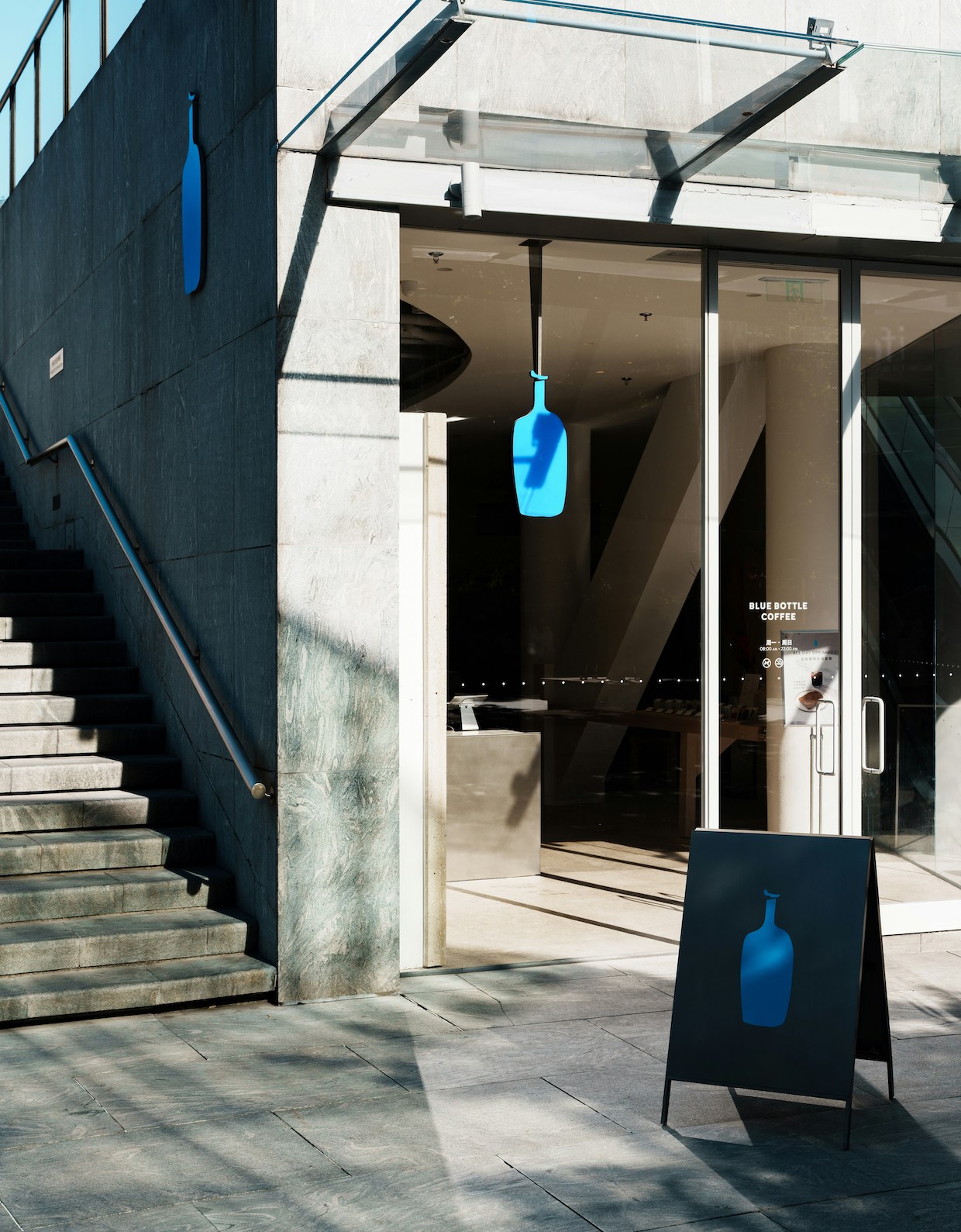
The involvement of Centurium Capital, and by extension Luckin Coffee, adds a fascinating dimension to this acquisition. Luckin Coffee’s journey from a highly publicized accounting scandal to its current status as a dominant force in the Chinese coffee market is a remarkable story of corporate resilience and strategic repositioning. Centurium Capital, as a key player in this turnaround, has demonstrated its ability to navigate complex financial landscapes and drive significant growth in the fiercely competitive Chinese consumer market.
Luckin’s recent performance highlights its immense scale and ambition. The opening of its massive roastery in Qingdao, which boasts the world’s largest roasting machine, underscores its commitment to vertical integration and production efficiency. This investment in infrastructure, coupled with its aggressive expansion strategy, positions Luckin as a formidable player in the global coffee industry.
The synergy between Centurium’s experience with Luckin and its acquisition of Blue Bottle could be substantial. Centurium may seek to leverage Luckin’s operational expertise, supply chain management, and extensive retail footprint to enhance Blue Bottle’s efficiency and reach, particularly in Asia. Conversely, Blue Bottle’s premium positioning and established brand equity in Western markets could offer Centurium a valuable international asset, potentially paving the way for cross-market collaborations or the introduction of Blue Bottle’s concepts into Luckin’s existing network.
Blue Bottle’s Current Footprint and Future Prospects
According to Nestlé’s marketing materials, Blue Bottle currently operates over 100 cafes across the United States and Asia, complemented by its e-commerce and subscription services. As of December 2025, the company maintained 78 locations within the U.S. The geographical distribution of these cafes, with a significant presence in both established Western markets and burgeoning Asian economies, presents an attractive proposition for Centurium Capital.
The integration of Blue Bottle into Centurium’s portfolio raises several questions about its future direction. Will Centurium maintain Blue Bottle’s core identity as a premium specialty coffee brand, or will there be an effort to adapt its model to achieve a scale more akin to Luckin Coffee’s rapid expansion? The retention of the Nespresso pod rights by Nestlé suggests a clear delineation of market segments. Centurium will likely focus on growing Blue Bottle’s physical presence and its direct consumer engagement channels, while Nestlé continues to capitalize on the convenience of its pod-based offerings.
The success of this acquisition will hinge on Centurium’s ability to manage the distinct brand identities and operational models of both Luckin Coffee and Blue Bottle Coffee. While Luckin has proven its ability to scale rapidly within the Chinese market, Blue Bottle’s appeal lies in its curated experience and artisanal positioning. Balancing these different approaches will be a key challenge and opportunity for Centurium Capital as it navigates the complexities of the global coffee industry. The coming months will be critical in observing how this new chapter unfolds for Blue Bottle Coffee under its new ownership.
