

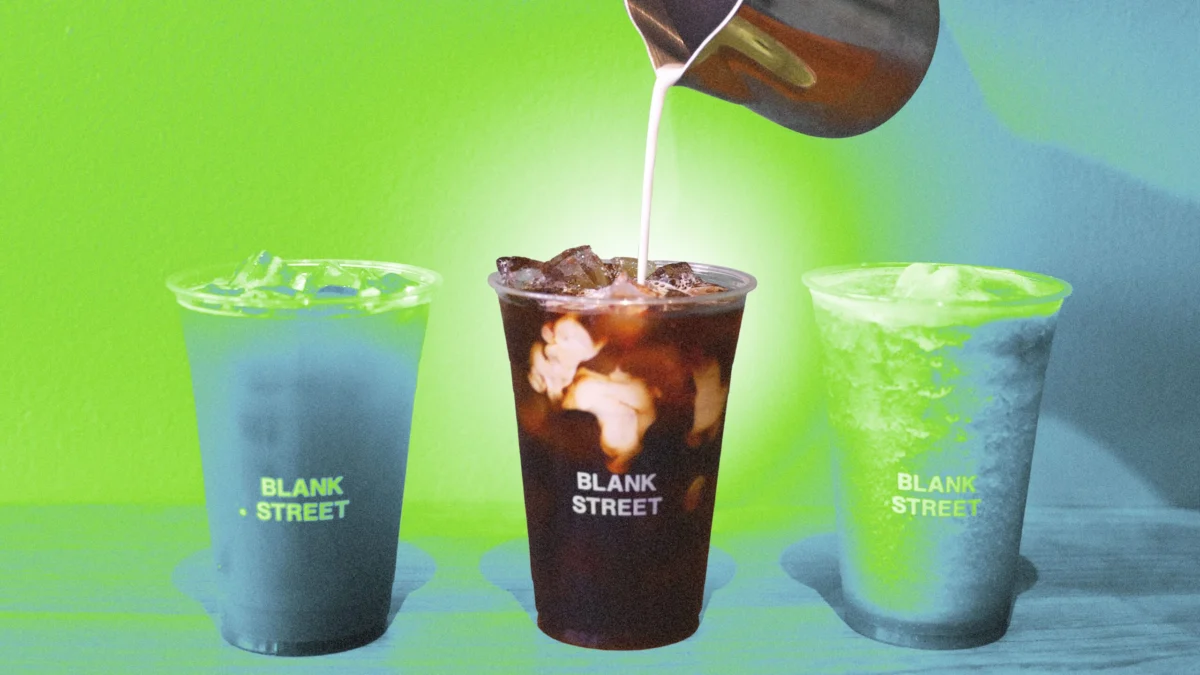
In an era where personal hydration and on-the-go lifestyles have made carrying water bottles and various beverages a ubiquitous practice—from the gym to breakfast meetings, the office, and dinner—the traditional lines of personal beverage etiquette have become increasingly blurred. This societal shift has inevitably spilled over into professional settings, prompting a viral debate this week: Is it acceptable to bring an iced coffee to a job interview? This seemingly minor point of contention has ignited a broader discourse on what constitutes professionalism in the modern workplace, pitting traditional corporate expectations against the evolving norms championed by younger generations.
The catalyst for this widespread discussion was a TikTok video posted by Caitlin Wehniainen, a recruiter with 16 years of experience, primarily dealing with Fortune 500 companies known for their "super buttoned-up operations." In her widely circulated post, Wehniainen articulated a firm stance against candidates arriving at interviews with iced coffee or lattes in hand. She argued that such an action conveys a sense of casualness, making the interview appear "just like a stop on your list of errands for the day," thereby projecting an unprofessional image and a lack of gravitas for the occasion. Her perspective quickly resonated with some, particularly those from older generations or traditional corporate backgrounds, who view interviews as formal engagements demanding utmost respect and preparation.
However, Wehniainen’s video swiftly became a digital discourse wildfire, attracting a torrent of comments and reactions across various social media platforms, including Threads and Instagram. The responses were polarized, reflecting a significant generational and philosophical divide. Many commenters, especially younger individuals, pushed back against Wehniainen’s assertion, arguing that an interview is, in fact, a scheduled appointment within their day, and bringing a common beverage should not detract from their qualifications or seriousness. They questioned the relevance of such "outdated and unfair rules of perception and professionalism" in a contemporary context, advocating for a focus on a candidate’s skills and experience rather than superficial etiquette.
One particularly notable counter-argument, emerging on Threads, labeled the recruiter’s stance as "ableist," highlighting that some health conditions can necessitate constant hydration or specific beverage intake. This point underscored a critical dimension of the debate: whether traditional etiquette rules inadvertently create barriers or disadvantage individuals with specific needs, pushing for a more inclusive understanding of professional conduct. The intensity of the reactions demonstrated that the iced coffee debate was not merely about a drink, but a proxy for a deeper discussion about workplace power dynamics, generational expectations, and the very definition of professionalism in the 21st century.
To understand the depth of this debate, it is crucial to place it within the historical context of workplace etiquette. Professional norms have always been fluid, evolving significantly over decades. In the mid-20th century, strict dress codes, often involving suits, ties, and formal attire, were standard across most industries. Personal expression was largely suppressed in favor of uniformity and corporate conformity. The late 20th century saw the rise of "business casual," largely influenced by the tech industry’s more relaxed approach, signaling a gradual shift away from rigid formality. This evolution accelerated in the post-2000 era, with startups and creative industries further blurring lines, sometimes even embracing jeans and t-shirts as acceptable office wear. The COVID-19 pandemic, which normalized remote work and more casual home office attire, further challenged established notions of professional appearance and conduct. The current debate about an iced coffee, therefore, represents a collision point between these historical shifts and the lingering expectations of a more traditional past.
Career coaches and HR professionals offer nuanced perspectives on the issue. Erin McGoff, a prominent career coach known for her practical advice, weighed in, explaining that while some recruiters might indeed view an iced coffee as a "red flag," others might not "give it a second thought." This variability highlights the subjective nature of professional judgment and the lack of universal consensus on such specific etiquette points. McGoff emphasizes that the core issue transcends the beverage itself; it’s fundamentally about the image a candidate projects to potential employers. A 2017 study published in Personality and Social Psychology Bulletin indicated that first impressions are formed remarkably quickly, often within the first few seconds of an encounter, and are heavily influenced by non-verbal cues, including appearance and seemingly minor behavioral details. While an iced coffee might seem insignificant, in a high-stakes environment like an interview, every detail can contribute to the overall perception.
The psychology of first impressions further complicates the matter. Humans are wired to make rapid judgments, often relying on heuristics and stereotypes. In an interview setting, where information is limited and stakes are high, interviewers may unconsciously look for signals of fit, respect, and seriousness. A casual beverage, particularly in a disposable cup, might inadvertently trigger associations with a lack of preparation or a less committed attitude, even if the candidate possesses superior qualifications. Recruiters, especially those in "buttoned-up operations," are often tasked with identifying candidates who not only possess the necessary skills but also align with the company’s culture and implicit professional standards. Their advice, therefore, often reflects the realities and expectations of the corporate environments they serve, even if they personally might hold more progressive views on professionalism.
McGoff’s powerful summary encapsulates the broader implications of the debate: "People aren’t debating coffee, they’re debating the unspoken dynamic we accept between candidates and employers. Do these secret rules exist? Yes. If you don’t know them, do you get penalized? Also yes. Is that fair? Nope." This statement cuts to the heart of the matter, exposing the inherent power imbalance in the interview process. Employers often hold the keys to opportunity, and candidates, knowingly or unknowingly, are judged by a set of often unwritten and unspoken rules.
This reality raises significant questions about equity and access. Individuals from diverse socio-economic backgrounds, or those new to corporate environments, may not be privy to these "secret rules." A candidate from a family or community with less exposure to formal corporate culture might genuinely be unaware that an iced coffee could be perceived negatively, whereas someone from a more traditional background might instinctively avoid it. This knowledge gap can inadvertently penalize otherwise highly qualified candidates, creating an uneven playing field. Critics argue that focusing on such trivial aspects distracts from evaluating genuine talent, skills, and potential, perpetuating a system that values conformity over competence.
For candidates navigating this complex landscape, practical advice often leans towards caution and discretion. While McGoff notes there’s "not a drink in the world that you should need to bring to into an interview," she offers guidance for those who feel they must. The key, she suggests, is presentation. Opting for a "low-key container like a sleek, black Yeti thermos" rather than a "jangly, single-use plastic take out cup" can make a significant difference. The former conveys preparedness and self-possession; the latter, a rushed or casual approach. If a candidate needs to stay hydrated or requires a specific beverage for health reasons, a discreet, professional-looking reusable bottle filled with water is almost universally acceptable. The emphasis should always be on minimizing distractions and ensuring that nothing detracts from the candidate’s professional demeanor and the substance of their conversation.
The debate also sharply highlights the ongoing generational divide in the workplace. Gen Z, born roughly between the mid-1990s and early 2010s, entered the workforce with distinct values and expectations. Research by institutions like Gallup and Pew Research Center consistently shows that Gen Z prioritizes authenticity, work-life balance, purpose-driven work, and challenges traditional hierarchies more readily than previous generations. They are less inclined to conform to norms they perceive as arbitrary or performative, valuing transparency and genuine self-expression. For many Gen Z candidates, bringing an iced coffee is simply a part of their daily routine, a personal choice that should not reflect on their professional capabilities. This clashes directly with the expectations of many hiring managers and recruiters, often Baby Boomers or Gen X, who were socialized into a more rigid corporate environment where strict adherence to etiquette was a cornerstone of professional success.
This clash of values presents a significant challenge for employers and HR departments. On one hand, maintaining a certain level of professionalism and decorum is often seen as essential for upholding a company’s brand and culture. On the other hand, overly rigid or anachronistic rules risk alienating a generation of highly skilled and diverse talent. In a competitive job market, companies that fail to adapt to evolving candidate expectations may struggle to attract and retain top talent. The implications extend beyond mere beverage choices; they touch upon dress codes, communication styles, work-life boundaries, and even the very structure of the workday.
Forward-thinking organizations are increasingly recognizing the need for greater clarity and flexibility. This might involve explicitly communicating cultural norms and expectations to candidates, rather than relying on unspoken rules. It also prompts companies to critically evaluate why certain norms exist and whether they genuinely contribute to productivity and a positive work environment, or if they are simply relics of a bygone era. Striking a balance between fostering a professional image and cultivating an inclusive, modern workplace that values authenticity and diverse perspectives is a delicate but necessary act.
In conclusion, the viral debate over bringing an iced coffee to a job interview is far more than a discussion about a simple beverage. It symbolizes a significant cultural inflection point in the professional world, reflecting the tension between deeply entrenched corporate traditions and the rapidly evolving values of a new generation of workers. It underscores the persistent challenge of unspoken rules, the inherent power dynamics of the hiring process, and the ongoing redefinition of what it means to be "professional" in the 21st century. As workplaces continue to transform, both candidates and employers will need to navigate these evolving expectations with greater awareness, empathy, and a willingness to adapt, ensuring that genuine talent and potential are recognized above all else.
