

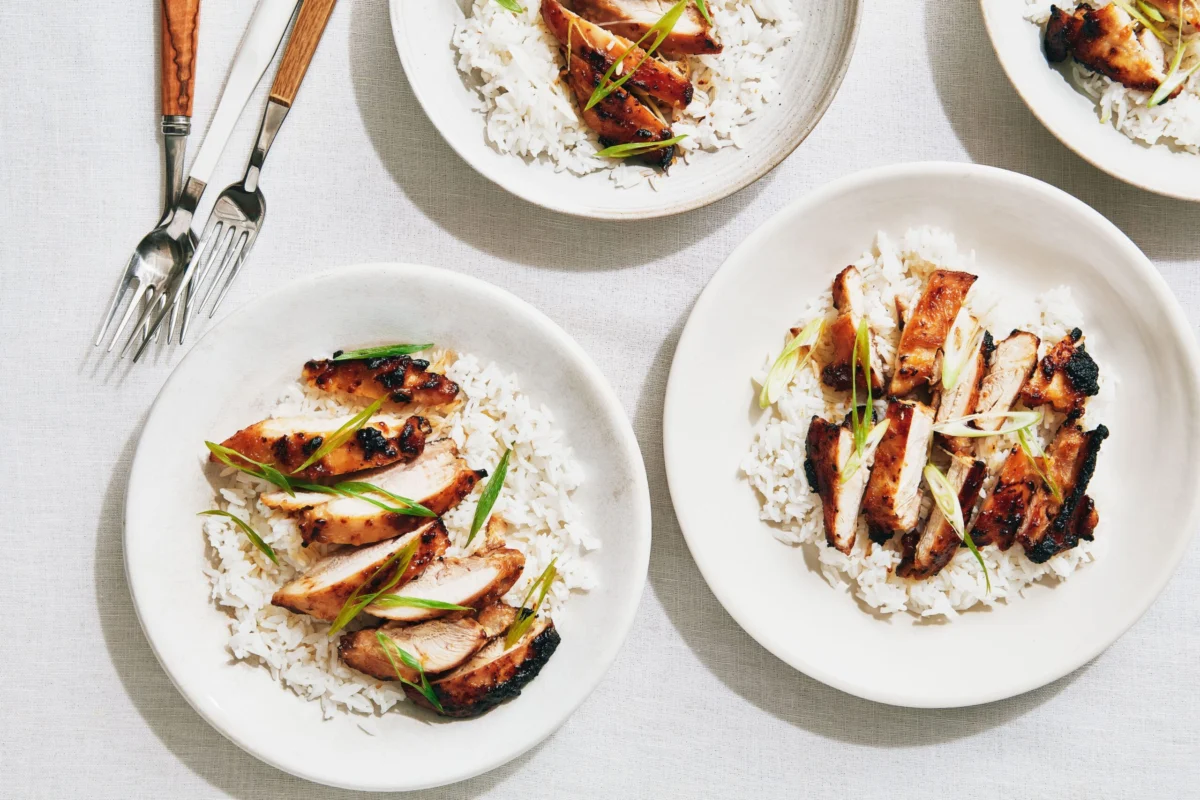
Bon Appétit’s "It’s That Simple" series has garnered significant attention for its accessible and flavorful recipes, none more emblematic than its widely acclaimed Sticky Miso Chicken. This dish, celebrated for its minimal ingredient list, straightforward technique, and profound flavor profile, epitomizes a growing culinary trend towards efficiency without compromising on taste. Its remarkable ease of preparation, requiring only three core ingredients and a rapid cooking time, has positioned it as a staple for countless home cooks seeking reliable, delicious meals amidst busy schedules. The recipe’s consistent popularity underscores a broader shift in consumer preferences towards practical, impactful culinary solutions that integrate global flavors into everyday cooking.
The Genesis of "It’s That Simple": A Response to Modern Demands
The "It’s That Simple" series was conceived by Bon Appétit as a direct editorial response to a prevalent demand from its readership: recipes that deliver exceptional results with minimal fuss. Launched to demystify cooking and empower individuals of all skill levels, the series focuses on concise ingredient lists, intuitive instructions, and techniques that prioritize flavor development over complexity. The Sticky Miso Chicken recipe, as featured, perfectly encapsulates this philosophy, serving as a testament to the idea that culinary excellence does not necessitate extensive time or elaborate preparation. Its consistent presence in weekly meal rotations for many underscores its success in meeting the modern imperative for both convenience and quality in home cooking. This strategic pivot by leading food publications reflects an understanding of evolving lifestyle patterns, where time scarcity is a significant factor in meal preparation decisions.
The Culinary Science of Flavor: Miso, Honey, and Soy
At the heart of the Sticky Miso Chicken’s profound appeal lies its deceptively simple, yet scientifically potent, three-ingredient marinade: equal parts miso and honey, complemented by a judicious glug of soy sauce. This combination is a masterclass in flavor synergy, leveraging the unique properties of each component to create a complex taste profile from minimal input.
Miso, a traditional Japanese seasoning produced by fermenting soybeans with salt and kōji (a fungus), is a powerhouse of umami. Its rich, savory, and slightly sweet notes add an unparalleled depth that forms the backbone of the marinade. The fermentation process breaks down proteins into amino acids, particularly glutamate, which is responsible for the characteristic umami taste. Studies by organizations like the Umami Information Center have consistently highlighted umami as the fifth basic taste, crucial for enhancing the palatability and satisfaction derived from food. The specific type of miso used, whether white (shiro) or red (aka), can subtly alter the flavor profile, ranging from sweeter and milder to saltier and more robust, offering flexibility to the discerning cook.
Soy sauce, another cornerstone of East Asian cuisine, further amplifies the umami profile. Also a fermented product, typically made from soybeans, wheat, salt, and water, it contributes a salty, savory complexity that balances the sweetness and provides another layer of fermented richness. The interplay between miso and soy sauce creates a robust flavor foundation that permeates the chicken, ensuring a deeply savory experience. The presence of both fermented ingredients not only enhances flavor but also contributes to the perceived "depth" and "roundness" of the dish, a quality highly prized in gourmet cooking.
Honey serves a dual, critical role in this triumvirate. As a natural sweetener, it balances the inherent saltiness and savory notes of the miso and soy sauce, introducing a pleasant sweetness that rounds out the flavor profile and makes it broadly appealing. Beyond taste, honey’s high sugar content contributes significantly to the dish’s aesthetic and textural qualities. During the broiling process, these sugars caramelize rapidly under high heat, creating a beautiful, burnished, and irresistibly sticky glaze. This caramelization not only enhances visual appeal, giving the chicken a "glossy, like ceramics pulled straight from the kiln" finish, but also develops new flavor compounds through the Maillard reaction, adding further complexity and depth to the crust. This chemical process, responsible for the browning of food and the development of rich, savory flavors, is accelerated by the sugars in honey and the amino acids in miso and soy sauce, creating a perfect environment for a flavorful crust. The simplicity of this ingredient list belies its sophisticated flavor output, a testament to the careful selection of components that each "punch above its weight," as observed by culinary experts.
Efficiency in the Modern Kitchen: The Immediate Marinade and Broiler Technique
One of the most significant innovations highlighted by the Sticky Miso Chicken recipe is its departure from conventional, time-consuming marinating practices. Traditional marinades often stipulate extended periods, ranging from "at least an hour" to "preferably overnight," a requirement that frequently serves as a deterrent for home cooks navigating demanding schedules. The Bon Appétit recipe, however, champions an "immediate" marinade application, directly addressing the common challenge of time scarcity in modern households.
This efficiency is primarily attributed to the marinade’s paste-like consistency rather than a thin liquid. The thick mixture of miso and honey adheres readily and thoroughly to the chicken, allowing for direct application before cooking. This method bypasses the need for prolonged soaking, as the concentrated flavors are effectively delivered to the surface of the meat, where they can develop a rich crust under high heat. While an overnight marination remains an option for those with foresight for meal preparation—potentially allowing for deeper flavor penetration and tenderization—its non-essential nature makes the recipe remarkably adaptable to spontaneous weeknight cooking, aligning with the "It’s That Simple" ethos.
The cooking method further emphasizes speed and convenience. A short "stint under the fierce heat of the broiler" transforms the coated chicken into a "burnished, sticky crust" in approximately 15 minutes. Broiling, a technique that utilizes direct overhead heat, is renowned for its ability to cook food rapidly and create a desirable crisp exterior. This quick cooking time is a critical factor for busy individuals, allowing for a substantial meal to be prepared with minimal active involvement. Culinary safety experts advise monitoring broilers closely, especially older "drawer-style" models, recommending initial checks after 10 minutes to prevent overcooking or burning due to the intense heat. This rapid turnaround from pantry to plate addresses a key challenge for modern households: delivering nutritious, flavorful meals without sacrificing precious evening hours. The minimal active cooking time, often less than 20 minutes from prep to plate, stands in stark contrast to many traditional recipes, making it an ideal candidate for weeknight dinner rotations.
Versatility and Adaptability: Beyond the Chicken
The Sticky Miso Chicken recipe’s utility extends beyond its primary preparation, offering considerable versatility in serving and accompaniment. Its robust flavor profile makes it a highly adaptable centerpiece for various meal configurations, catering to diverse preferences and dietary needs.
Traditionally, the chicken is recommended to be served with rice tucked underneath. This pairing is not merely coincidental; the rice acts as a neutral canvas, absorbing the flavorful, caramelized drippings and "every saucy streak" that fall from the chicken during cooking and serving. This creates a cohesive and deeply satisfying dish where no flavor is wasted, enhancing the overall dining experience. The starch from the rice also provides a comforting counterpoint to the rich, savory chicken.
Beyond rice, the recipe readily accommodates a variety of roasted vegetables. Adding "oiled-up broccoli or asparagus to the baking sheet" alongside the chicken transforms the meal into a more nutritionally complete offering, integrating fiber and vitamins with minimal additional effort. This ‘one-pan’ or ‘one-sheet’ cooking approach is increasingly popular due to its reduced cleanup and streamlined preparation. Other possibilities include roasted bell peppers, snap peas, green beans, or even root vegetables like carrots or sweet potatoes, which can be added earlier to account for longer cooking times. This adaptability to various vegetables means the dish can be modified based on seasonal availability or personal preference, further solidifying its practicality.

For those seeking a simpler presentation, the chicken can stand alone, perhaps garnished with a "shower of scallions" for a touch of freshness, color, and mild allium bite. The scallions provide a welcome textural contrast and a slight pungency that cuts through the richness of the miso-honey glaze. This flexibility ensures that the recipe can be tailored to individual preferences, dietary needs, or the contents of one’s pantry, reinforcing its status as a highly practical and repeatable dish. This adaptability is a key characteristic of recipes that gain widespread adoption in diverse home kitchens, allowing them to remain fresh and appealing over repeated servings.
The Rise of Convenience Cooking and Global Flavors: A Broader Culinary Trend
The widespread embrace of Bon Appétit’s Sticky Miso Chicken is not an isolated phenomenon but rather a reflection of broader shifts in contemporary culinary culture. Data from market research firms such as Statista indicates a sustained increase in home cooking activities, particularly since 2020, yet concurrently highlights a persistent demand for time-saving solutions. Surveys consistently reveal that "quick and easy" are among the top criteria consumers consider when selecting recipes. For instance, a 2023 report by the Food Marketing Institute found that nearly 60% of consumers prioritize convenience in meal preparation, often citing lack of time as the primary barrier to cooking more frequently.
This recipe perfectly intersects with this demand by offering maximum flavor impact for minimal effort. It capitalizes on the growing consumer comfort with and interest in global flavors. Asian-inspired dishes, rich in umami and often characterized by a balance of sweet, savory, and tangy notes, have moved from specialty cuisine to mainstream weeknight staples. The increasing availability of ingredients like miso and soy sauce in standard grocery stores reflects this trend, making such recipes accessible to a wider demographic than ever before. This mainstreaming of once-specialty ingredients has been facilitated by globalization and increased cultural exchange, expanding the average home cook’s culinary repertoire.
Furthermore, the concept of "meal fatigue" is a recognized challenge for home cooks. The repetitive nature of daily meal planning often leads to a search for new, yet reliable, options. Recipes like the Sticky Miso Chicken, which are both simple and consistently delicious, offer a valuable solution, providing a dependable fallback that mitigates decision fatigue. The repeated preparation by the recipe’s original author, citing "a hundred times," exemplifies this user-friendliness and capacity to remain appealing even after repeated consumption. This sustained appeal is a hallmark of truly successful, impactful recipes in the digital age, demonstrating their ability to integrate seamlessly into diverse household routines.
Expert Perspectives and Industry Insights
Culinary experts and food industry analysts have observed the profound impact of recipes that blend simplicity with sophisticated flavor. Chef and food writer J. Kenji López-Alt, renowned for his scientific approach to cooking, frequently champions techniques that optimize flavor development with minimal fuss, aligning with the principles embodied by the Sticky Miso Chicken. He notes that the strategic use of high-impact ingredients like fermented products can deliver complex tastes without requiring extensive preparation steps, making such recipes highly valuable for the average home cook.
Food trend forecasters also emphasize the increasing consumer focus on "ingredient intelligence" – understanding how a few key ingredients can transform a dish. "Consumers are becoming savvier about flavor profiles," explains Sarah Miller, a culinary trend analyst at Global Food Insights. "They’re looking for recipes that teach them how to maximize taste using fewer components, rather than overwhelming them with long lists. Umami-rich ingredients like miso are perfectly positioned for this, as they provide a depth of flavor that would otherwise require multiple ingredients or lengthy cooking."
Representatives from Bon Appétit have consistently articulated the editorial strategy behind series like "It’s That Simple," stating their commitment to fostering culinary confidence among their audience. "Our goal is to remove barriers to entry for home cooking," commented a Bon Appétit spokesperson, speaking generally about the series’ philosophy. "Recipes that prove deliciousness doesn’t equal difficulty are incredibly valuable to our community. They empower people to cook more often and explore new flavors with confidence, which ultimately leads to a more engaged and adventurous culinary audience." This strategic alignment between editorial content and consumer demand highlights the recipe’s significance within the broader food media landscape, demonstrating how publications adapt to and shape evolving culinary habits.
Economic and Societal Implications
The widespread adoption of simple, accessible recipes like the Sticky Miso Chicken carries several positive economic and societal implications. Economically, promoting home cooking can contribute to household savings by reducing reliance on more expensive takeout or restaurant meals. A study by LendingTree in 2023 indicated that Americans spend an average of $250 per month on dining out, a cost that can be significantly mitigated by efficient home meal preparation. Recipes requiring minimal, readily available ingredients also contribute to budget-friendly cooking, making quality meals accessible to a broader economic spectrum. The relative affordability of chicken, miso, honey, and soy sauce compared to premium cuts or elaborate ingredients makes this dish particularly cost-effective.
Societally, encouraging home cooking fosters a greater connection to food preparation and potentially healthier eating habits. When individuals cook more often, they typically have greater control over ingredients, portion sizes, and nutritional content. The ease of preparation associated with this recipe lowers the barrier to entry for cooking, potentially increasing culinary literacy and confidence across various demographics. This can lead to a virtuous cycle where positive cooking experiences encourage further culinary exploration and a deeper appreciation for diverse cuisines. Moreover, the inherent nature of a home-cooked meal often encourages family or communal dining, fostering stronger social bonds and promoting shared experiences around food.
Furthermore, the emphasis on versatility and adaptable side dishes (like adding vegetables to the same baking sheet) indirectly promotes more balanced diets by making it easier to incorporate fresh produce into meals. This holistic approach to meal planning, driven by practical and flavorful recipes, contributes to overall well-being and a more sustainable food culture, reducing potential food waste by utilizing common pantry staples and seasonal ingredients effectively. The minimal ingredient list also reduces the likelihood of purchasing obscure items that might sit unused, contributing to a more efficient and less wasteful kitchen.
Conclusion: An Enduring Culinary Staple
The Sticky Miso Chicken, as championed by Bon Appétit’s "It’s That Simple" series, has transcended its origins as a mere recipe to become a paradigm for modern weeknight cooking. Its ingenious blend of minimal ingredients, rapid preparation, and profound flavor profile addresses the core demands of contemporary home cooks: efficiency, accessibility, and undeniable deliciousness. By harnessing the power of umami-rich fermented ingredients and the speed of broiler cooking, it offers a reliable, versatile, and deeply satisfying meal solution that appeals to both novice and experienced cooks.
This recipe’s enduring popularity is a clear indicator of a significant shift in culinary expectations, where the focus is increasingly on intelligent simplicity and maximum flavor impact. It demonstrates that sophisticated tastes do not require complex methods, and that a few well-chosen ingredients, expertly combined, can yield results so consistently delightful they become ingrained in the fabric of daily life. As such, the Sticky Miso Chicken stands not just as a recipe, but as a symbol of empowered, enjoyable, and sustainable home cooking for the 21st century, continuing to influence how millions approach their dinner tables.
