

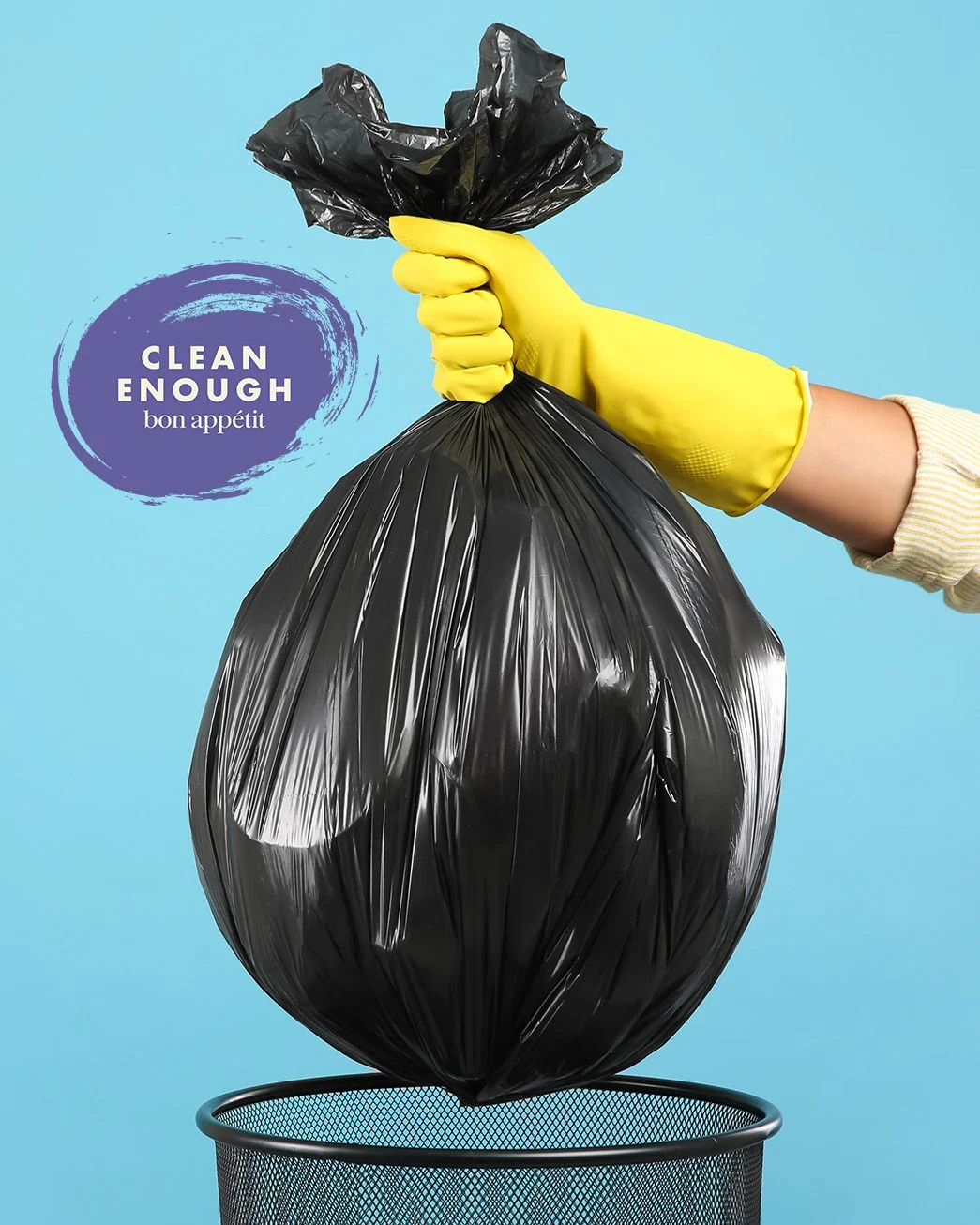
The seemingly innocuous kitchen trash can, often relegated to an out-of-sight, out-of-mind status, harbors a complex ecosystem of microorganisms and serves as a potential vector for pests, demanding a more rigorous approach to household hygiene than commonly practiced. While the convenience of a foot-pedal operated bin mitigates direct contact with decaying refuse, the underlying issue of bacterial proliferation and residue accumulation persists, transforming this essential utility into a significant health concern if neglected. The widespread assumption that merely replacing a trash bag suffices for cleanliness is a misconception that public health experts are keen to dispel.
The Microbial Menace Within Our Kitchens
A stark reality, illuminated by a 2007 study conducted by the Hygiene Council, reveals that the average residential kitchen trash can is home to an astonishing 411 types of bacteria per square inch. This figure, while perhaps not the highest bacterial count in a typical kitchen environment, nonetheless underscores a critical area of concern for household sanitation. The warm, often damp, and nutrient-rich conditions within a trash bin create an ideal breeding ground for a diverse array of pathogens. Among the most concerning are common foodborne bacteria such as Salmonella and Escherichia coli (E. coli). These microorganisms, frequently introduced through raw meat packaging, spoiled produce, and other food waste, can rapidly multiply and, if transferred to food preparation surfaces or utensils, pose a significant risk of gastrointestinal illness.
Beyond these well-known culprits, trash cans can foster the growth of various other opportunistic bacteria and fungi. The constant presence of decomposing organic matter leads to the formation of biofilms – sticky layers of microorganisms that adhere to surfaces, making them notoriously difficult to remove with simple wiping. These biofilms can protect bacteria from common cleaning agents and serve as a persistent source of contamination. Moreover, the dark and enclosed environment is perfectly suited for mold growth, which not only contributes to unpleasant odors but can also trigger allergic reactions or respiratory issues in sensitive individuals. The sheer volume and variety of microbial life necessitate a proactive and systematic cleaning regimen to mitigate these risks.
Beyond Odor: The Pest Problem
The bacterial and fungal growth within a dirty trash can extends its threat beyond microscopic pathogens to macroscopic pests. Lingering food particles, whether on the lid, rim, or the bottom of the bin due to bag tears or spills, act as an irresistible beacon for common household invaders such as mice, cockroaches, and even fruit flies. These creatures are not merely a nuisance; they are carriers of additional pathogens and can quickly establish themselves in a domestic environment.
Mice, for instance, are known to spread diseases like Hantavirus, Salmonellosis, and Leptospirosis through their droppings, urine, and saliva. Cockroaches, similarly, can transmit bacteria like Salmonella and E. coli, exacerbate asthma and allergies through their shed skin and droppings, and contaminate food and surfaces. Even seemingly innocuous fruit flies, attracted to fermenting organic matter, can carry bacteria from one surface to another.
The problem is exacerbated in multi-unit dwellings, where the hygiene habits of one resident can inadvertently impact neighbors. A meticulously clean apartment can still fall victim to pest infiltration if an adjacent unit provides an inviting food source in a neglected trash can. This highlights the interconnectedness of urban living and the communal responsibility for maintaining basic hygiene standards. Therefore, maintaining a pristine trash can is not just about personal health but also about contributing to the overall public health and well-being of a community. The author’s personal experience with pest infiltration despite maintaining a clean kitchen underscores the ease with which these unwanted visitors can migrate, emphasizing the crucial role of eliminating attractive food sources within the home.

The Imperative of Regular Cleaning: A Chronological Approach
Given the scientific evidence of bacterial load and pest attraction, the recommendation from hygiene experts is clear: kitchen trash cans should be cleaned every time they are emptied. This might sound frequent, but its necessity is rooted in preventing the cumulative build-up of contaminants. The process, when integrated into a routine, is surprisingly quick and efficient, drastically reducing risks.
A logical, step-by-step protocol for maintaining a hygienic trash bin would involve:
- Pre-emptory Exterior Wipe: Before even removing the full trash bag, lightly spray the exterior surfaces of the trash can – including the lid, sides, and pedal (if applicable) – with an all-purpose cleaning solution. This initial wipe-down with a disposable paper towel captures external grime and immediately prevents the spread of bacteria from frequently touched surfaces.
- Interior Rim and Lid Underside: After the exterior, use the same damp paper towel to clean the underside of the lid and the rim around the inside of the bin. These areas are prone to splashes and condensation, making them prime locations for bacterial growth and food particle accumulation.
- Liner Bin Treatment (if applicable): For bins with removable liner compartments (for trash and recycling), lift them out. Spray the inside bottom and sides of each liner bin with the cleaning solution and wipe them thoroughly. Any spills or leaks from bags are likely to accumulate here.
- Base of the Outer Bin Inspection: Once the liner bins are removed, inspect the very bottom of the outer trash can. This area, often overlooked, is where liquid or small debris can collect, especially if the bin has a pedal mechanism or ventilation holes that allow access for pests. Utilize a vacuum cleaner with a crevice attachment to remove any solid debris, or simply tip the bin to dislodge it.
- Final Outer Bin Wipe: Spray the "floor" of the outer bin and wipe it clean with a fresh disposable paper towel.
- Disposal of Cleaning Materials: All soiled paper towels should be immediately placed into the now-empty trash bag before it is sealed and removed from the premises. This prevents re-contamination of the cleaned bin or other kitchen surfaces.
This meticulous, consistent approach ensures that fresh bacteria and food residues do not have the opportunity to establish themselves, thus interrupting the cycle of microbial growth and pest attraction.
Differentiating Cleaning and Disinfection: A Public Health Imperative
It is crucial to understand the distinction between "cleaning" and "disinfecting," concepts often conflated in household hygiene. Cleaning refers to the physical removal of dirt, debris, and some microorganisms from a surface, typically achieved with soap and water or an all-purpose cleaner. While cleaning makes a surface look and smell fresh and significantly reduces microbial load, it does not necessarily kill all pathogens.
Disinfecting, on the other hand, involves the use of chemical agents specifically designed to kill bacteria, viruses, and fungi on surfaces. For a disinfectant to be effective, it must be applied to a pre-cleaned surface and allowed to remain wet for a specific "dwell time" – the duration specified on the product label – before being wiped away. This contact time is critical for the active ingredients to neutralize microorganisms. Products labeled as "cleaner and disinfectant" offer the convenience of both steps, but the dwell time instruction must still be followed.
While a daily wipe-down with an all-purpose cleaner is essential for removing visible gunk and preventing accumulation, a full disinfection of the kitchen trash can is advisable at least once a month, or concurrent with a deep cleaning of the entire kitchen. Special attention should be paid to frequently touched areas such as the lid’s exterior, the pedal, and the handles of any liner bins. This periodic disinfection serves as a critical measure to eliminate any lingering resistant pathogens that might have survived routine cleaning. Public health organizations like the Centers for Disease Control and Prevention (CDC) consistently emphasize the importance of both cleaning and disinfecting high-touch surfaces to prevent the spread of infectious diseases in household environments.
Broader Impact and Implications: A Holistic View of Home Hygiene
The implications of neglected kitchen trash can hygiene extend beyond the immediate environment. On a public health level, inadequate waste management in homes contributes to the overall burden of foodborne illnesses and infectious diseases. Regular cleaning practices, while seemingly minor, play a vital role in breaking chains of transmission within households, protecting vulnerable populations such as children, the elderly, and immunocompromised individuals.
Economically, pest infestations stemming from unclean waste receptacles can incur significant costs. Eradicating an established mouse or cockroach population often requires professional pest control services, which can be expensive and disruptive. Furthermore, the damage caused by pests to food stores, electrical wiring, and structural components of a home can lead to further financial burdens. The proactive measure of consistent trash can hygiene serves as a cost-effective preventative strategy against these potential expenses.
Environmentally, proper waste management practices at the household level, including the regular cleaning of bins, contribute to a more sustainable and sanitary living environment. It reduces the likelihood of attracting wildlife that might spread waste outside the bin, and helps maintain a cleaner waste stream as materials are collected for disposal or recycling.
Cultivating a Culture of Cleanliness
The challenge often lies in establishing and maintaining the habit of frequent trash can cleaning. Like many aspects of household maintenance, consistency is key. When cleaning becomes an integrated part of the routine of emptying the trash, it transforms from an onerous chore into a quick, manageable task. The feeling of "overwhelm" often associated with deeply soiled bins is a direct result of delayed maintenance.
For those whose current kitchen trash cans have reached a point of severe neglect, where the thought of cleaning feels insurmountable, investing in a new, well-designed bin might be a logical starting point. Modern kitchen trash cans often feature smoother, easier-to-clean materials, tighter-fitting lids, and internal liner systems that minimize spills. Regardless of whether a new bin is acquired or an existing one is thoroughly rehabilitated, the critical step is to initiate and steadfastly adhere to the recommended daily wipe-down habit.
This journalistic analysis reveals that the kitchen trash can, far from being a mere repository for discards, is a crucial component of home hygiene. Its cleanliness is inextricably linked to public health, pest control, and the overall sanitation of the living environment. Adopting a rigorous, consistent cleaning and periodic disinfection regimen is not merely a suggestion for tidiness but an essential practice for safeguarding health and well-being.
