

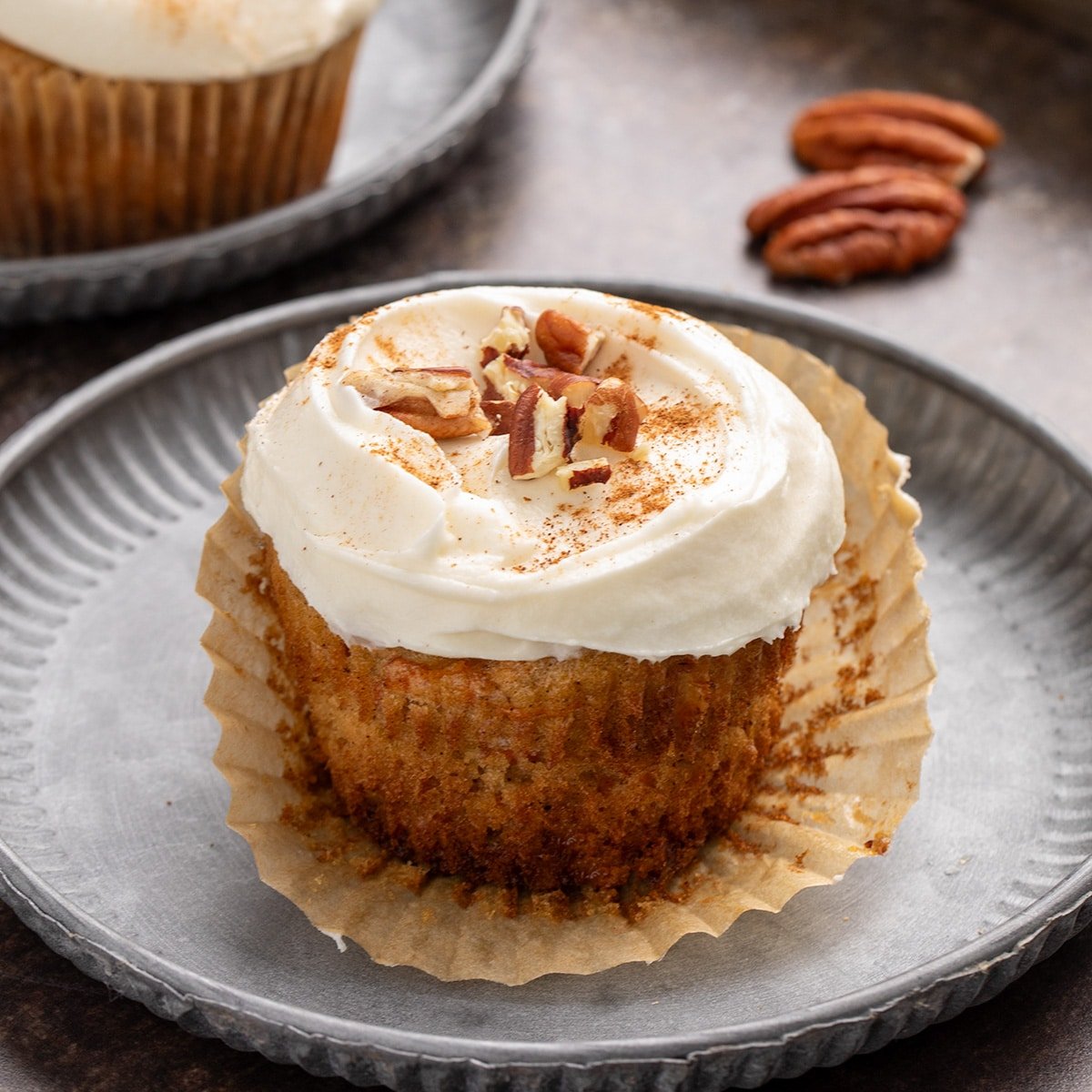
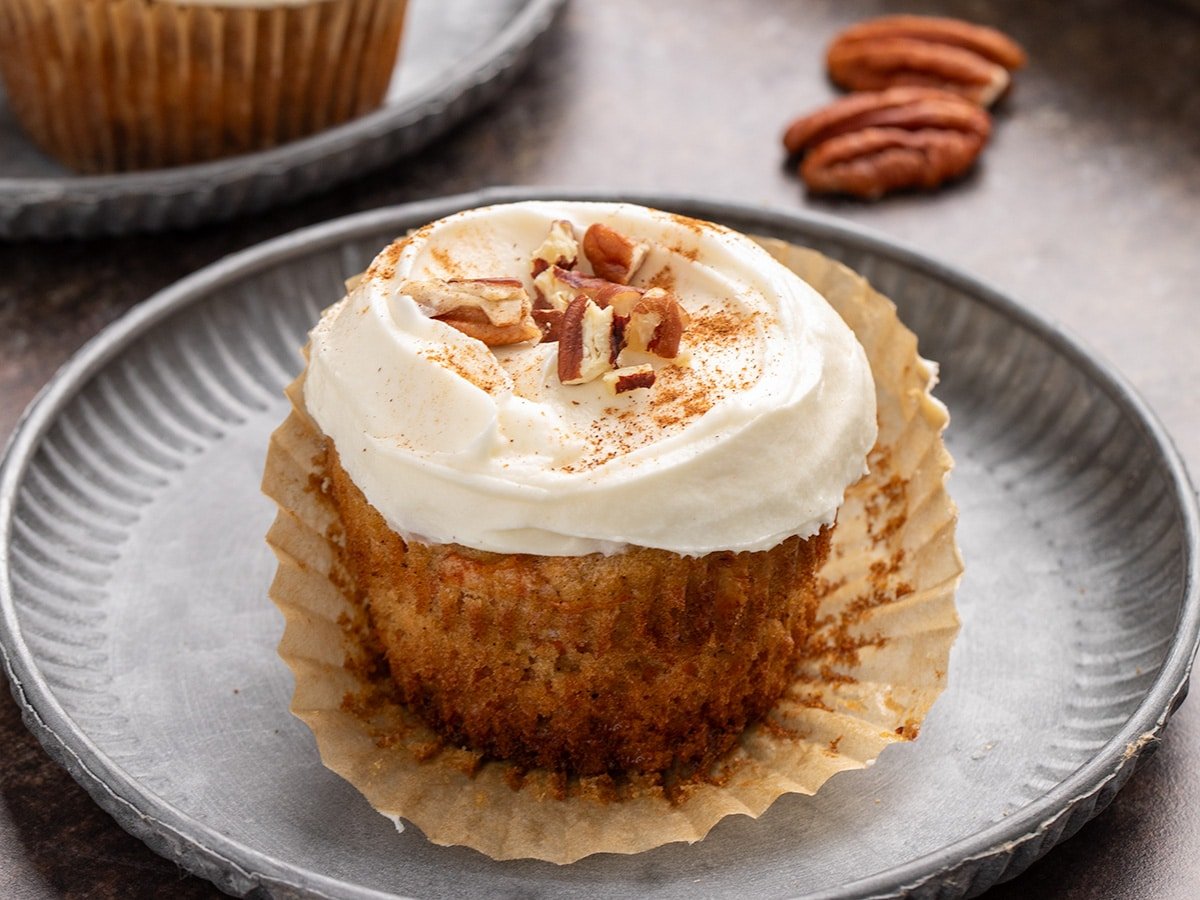
These gluten-free carrot cake cupcakes are a testament to the fact that dietary restrictions do not necessitate a sacrifice in flavor or texture. Boasting a soft, warmly spiced crumb infused with the authentic taste of real carrots, these individual treats capture the essence of classic carrot cake in a perfectly portioned cupcake format. The unique baking method, leveraging the support of muffin wells, allows for a reduced flour content compared to a full-sized cake, resulting in an exceptionally tender crumb. The delicate balance struck between sweetness and spice ensures a delightful experience without overwhelming richness, making them a popular choice for both everyday enjoyment and special occasions.
The Science Behind the Perfect Crumb
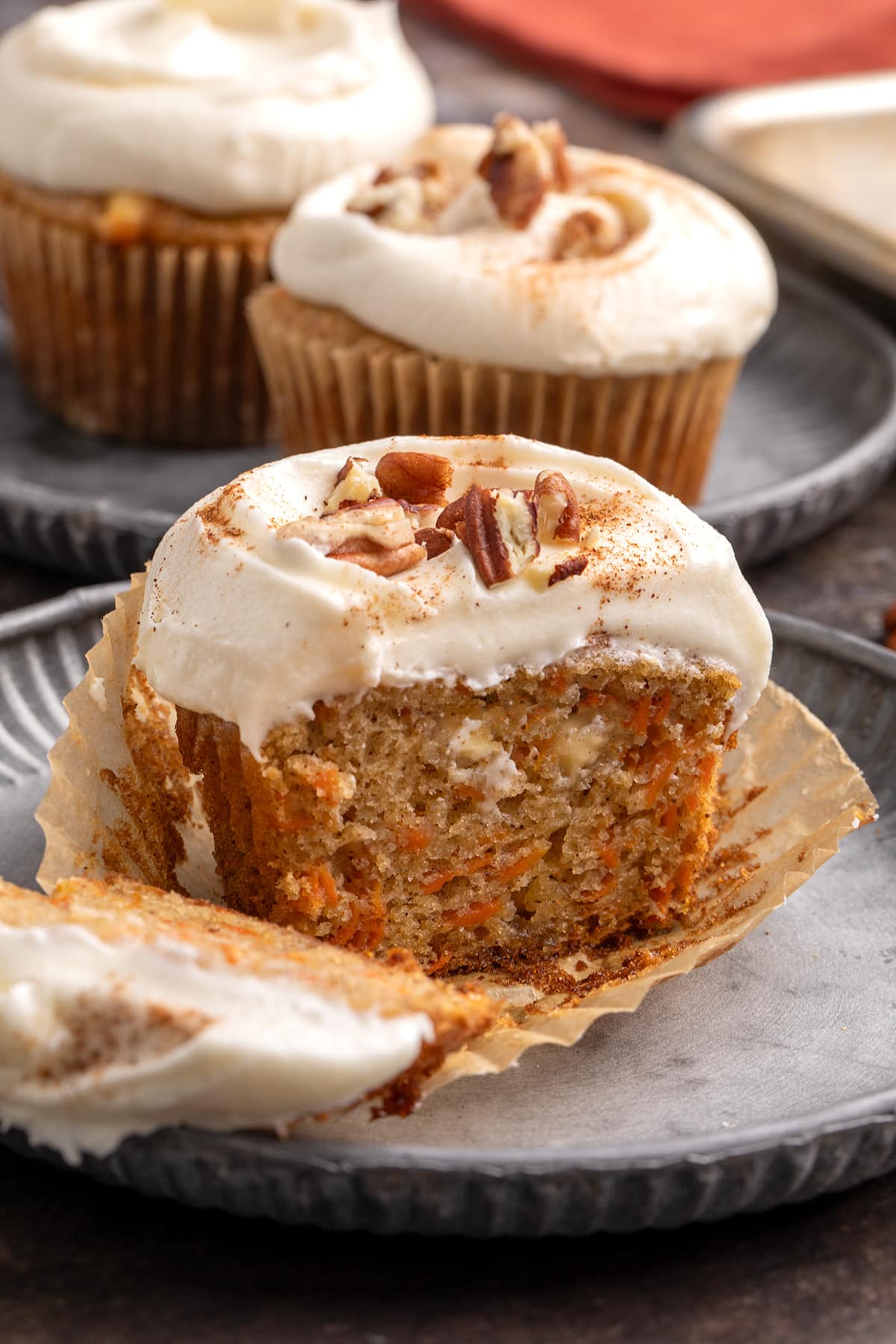
The success of these gluten-free carrot cake cupcakes lies in meticulous attention to ingredient preparation and technique. A key element is the way the carrots are incorporated: grated on the larger holes of a box grater rather than being finely shredded. This seemingly small detail significantly impacts the final outcome. These thicker shreds soften during baking while retaining their structural integrity, contributing sweetness and body to the cupcake rather than dissolving into the batter. This allows for a generous ratio of carrots to flour, yielding a moist, intensely flavorful crumb visibly studded with tender pieces of carrot.
The carefully calibrated combination of oil, brown sugar, and warming spices ensures that the carrot flavor remains prominent without an unctuous or overly sweet profile. This precise balance also contributes to the cupcakes’ remarkable tenderness, even when served chilled, making them an ideal make-ahead treat.
Essential Ingredients for Flavor and Structure
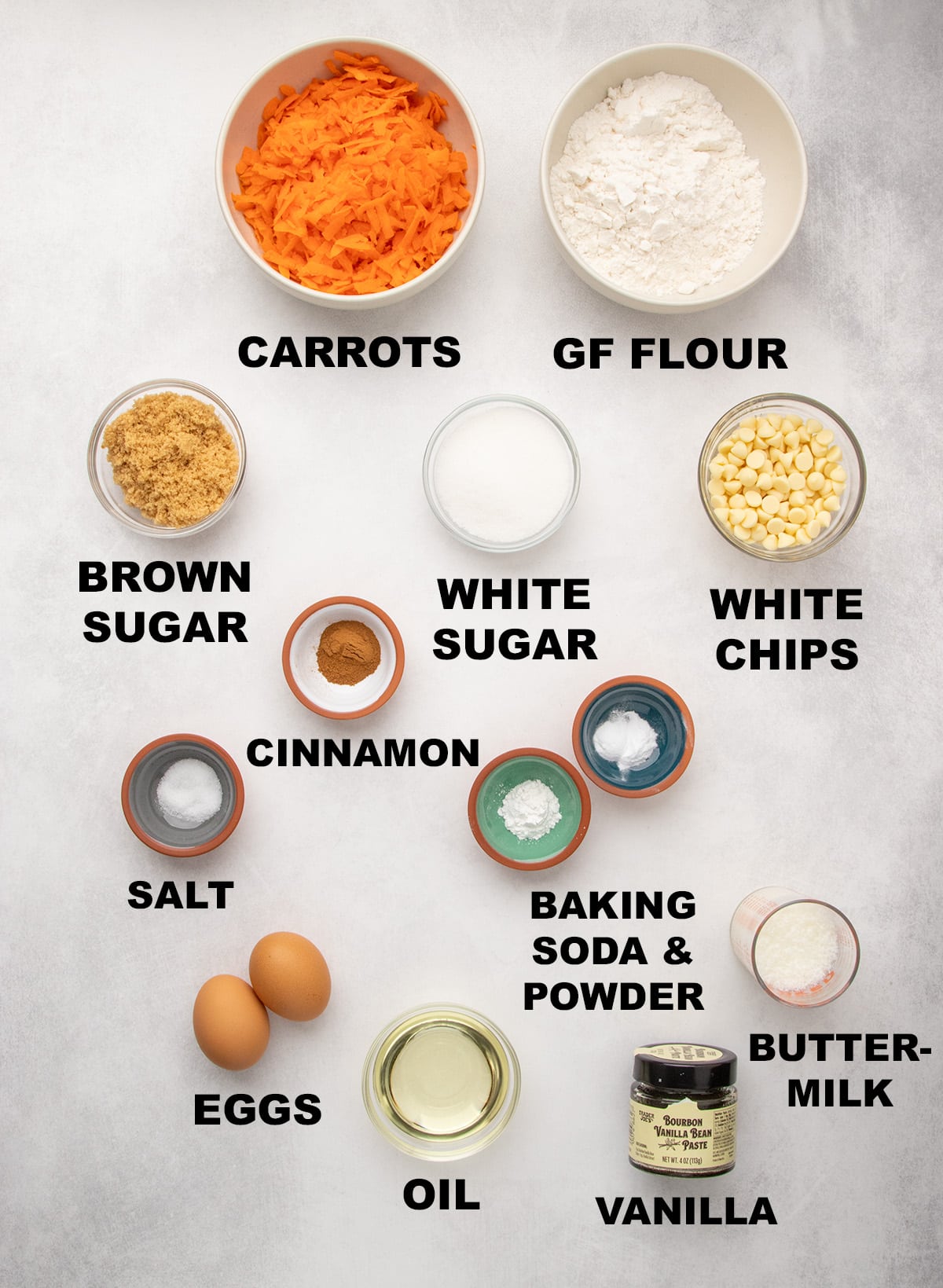
The creation of these delectable gluten-free carrot cake cupcakes relies on a specific set of ingredients, each playing a vital role in achieving the desired texture and taste.
- Gluten-Free Flour Blend: A high-quality all-purpose gluten-free flour blend is foundational. For optimal results, blends that include xanthan gum are recommended. If using a blend like Bob’s Red Mill 1-to-1, an additional small amount of xanthan gum may be beneficial to prevent a crumbly texture. This blend provides the necessary structure in the absence of gluten.
- Leavening Agents: Baking soda and baking powder work in tandem to provide lift and create a light, airy texture. Baking soda reacts with acidic ingredients to produce carbon dioxide, while baking powder provides a double-acting lift.
- Sweeteners: A combination of granulated sugar and brown sugar is used. Brown sugar contributes moisture and a subtle caramel note, enhancing the overall depth of flavor.
- Spices: Cinnamon is the primary spice, offering warmth and a classic carrot cake aroma. Other warming spices like nutmeg or ginger could be added for further complexity, though the recipe focuses on a pure cinnamon profile.
- Fat: Neutral oil, such as vegetable or canola oil, is crucial for moisture and tenderness. Unlike butter, oil remains liquid at room temperature, contributing to a consistently soft crumb that holds up well even when refrigerated.
- Moisture and Binding: Eggs provide binding and richness, contributing to the overall structure and moisture content of the cupcakes. Buttermilk adds a pleasant tang and contributes to a tender crumb due to its acidity.
- Flavor Enhancers: Vanilla bean paste offers a rich, nuanced vanilla flavor that complements the spices and carrots.
- The Star Ingredient: Carrots: Freshly grated carrots are paramount. Opting for the larger shred size on a box grater ensures that the carrots soften while maintaining their identity within the cupcake, contributing both flavor and a pleasing texture.
A Step-by-Step Culinary Journey
For those who appreciate a visual guide, the process of creating these gluten-free carrot cake cupcakes is straightforward and rewarding.
Preparing the Dry Ingredients
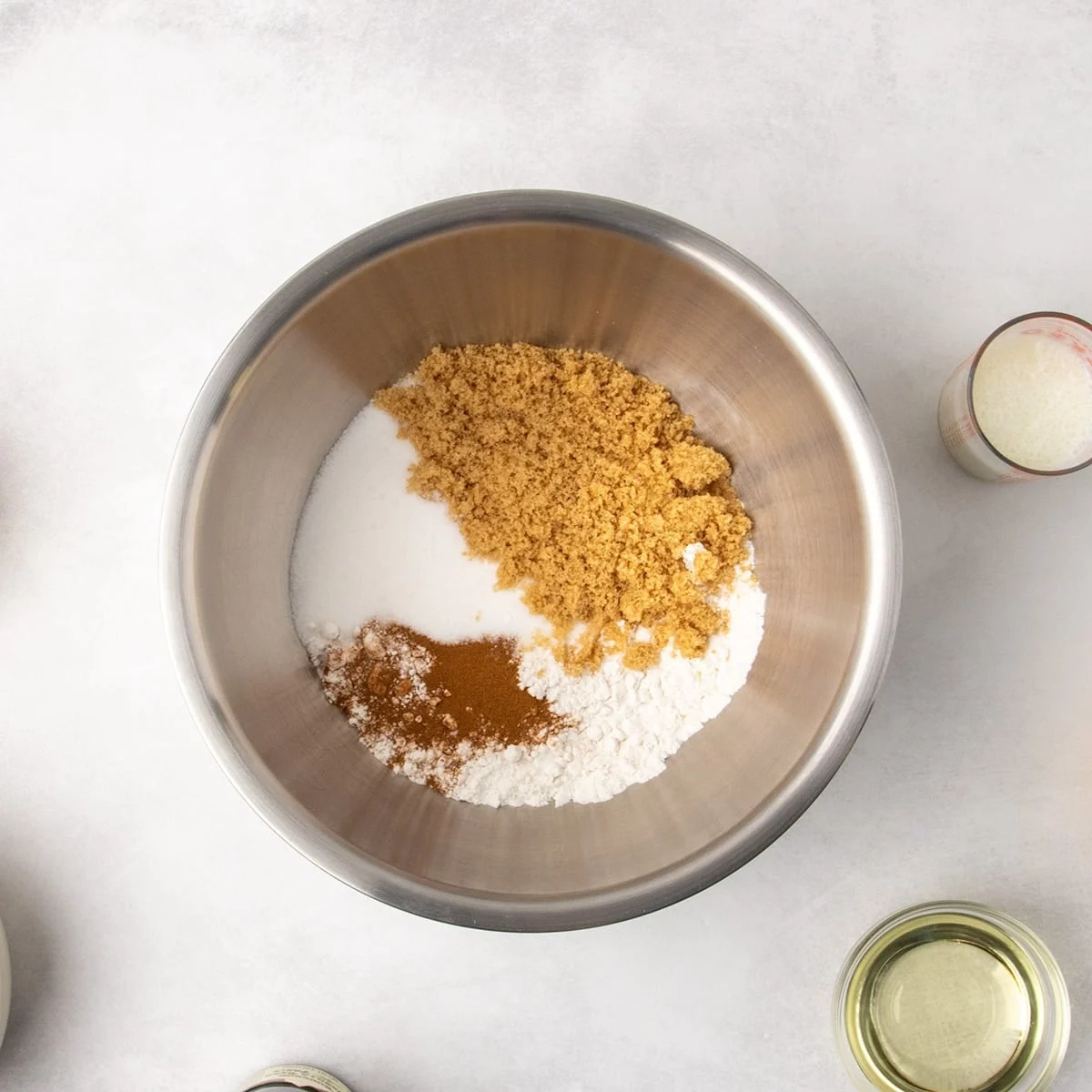
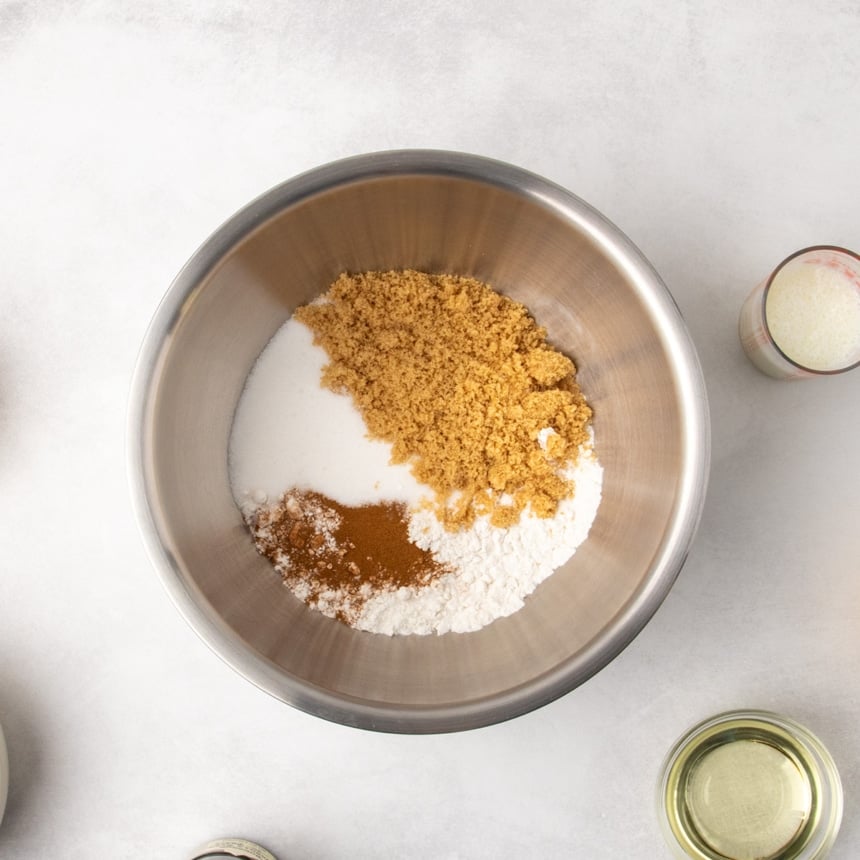
The initial step involves combining all the dry ingredients in a single large mixing bowl. This typically includes the gluten-free flour blend, baking soda, baking powder, salt, cinnamon, granulated sugar, and brown sugar. It is important to break up any lumps in the brown sugar to ensure even distribution.
Incorporating the Wet Ingredients
A well is then formed in the center of the dry ingredients, creating a convenient space for the wet ingredients. Neutral oil, beaten eggs, buttermilk, and vanilla bean paste are added. These are then mixed until the batter is smooth. The resulting batter will be soft, largely due to the liquid nature of the oil at room temperature.
Adding the Mix-Ins
The grated carrots and any chosen mix-ins, such as white chocolate chips, are gently folded into the batter. Adding these ingredients towards the end of the mixing process ensures a uniform batter and prevents overmixing, which can negatively impact the texture of gluten-free baked goods. The carrots, in particular, are added last to facilitate even distribution throughout the cupcake batter.
The Baking Process
Standard, lined cupcake tins are used, with the batter filled approximately three-quarters of the way up each well. It is crucial not to overfill the wells. This is a deliberate technique to encourage the cupcakes to bake with a flatter top, similar to a cake, rather than a domed muffin top, which facilitates easier and more even frosting. If the cupcake wells are smaller than average, it is advisable to bake smaller batches to avoid overfilling.
Expert Insights for Superior Results
Several key tips can elevate the quality of your gluten-free carrot cake cupcakes from good to exceptional.
Mastering the Fill Level
The intention behind filling cupcake wells only three-quarters full is to achieve a level surface ideal for frosting. Unlike muffins, which are designed to dome, cupcakes aim for a flatter profile to maximize the surface area for decorative toppings. This is achieved through a thinner batter and a carefully controlled baking temperature, which promotes a more delicate crumb structure. If your muffin tin has smaller wells, it is better to bake more cupcakes than to risk overfilling and compromising the desired shape.

The Art of Carrot Grating
The choice of grater setting is critical. Utilizing the largest holes on a standard box grater—those approximately a quarter-inch wide—is recommended. This size is sufficient to ensure the carrot pieces soften thoroughly during baking, contributing moisture and a subtle sweetness, while still maintaining their distinct texture and preventing them from disappearing into the batter. In this recipe, the carrots play a role in the structural integrity of the cupcake.
Freshness is Key for Carrots
The use of freshly grated carrots is non-negotiable for optimal flavor and texture. Pre-shredded carrots often contain less moisture and can be too thick to soften adequately, potentially detracting from the sweetness and overall appeal. For the most intensely sweet and flavorful cupcakes, it is suggested to grate carrots from their middle section to the tapered end, where natural sugars are most concentrated.

Embracing Mix-In Versatility
While white chocolate chips are a popular addition, this recipe offers flexibility for personal preference. If dairy is a concern, dairy-free white chocolate chips can be used. Alternatively, consider other dry mix-ins such as raisins, other small dried fruits, chopped pecans or walnuts, or even cinnamon chips for an intensified spice flavor. For consistent results, measuring these additions by weight is recommended for accuracy.
The Convenience of Canned Frosting
For those seeking an expedited preparation process, commercially available canned frosting presents a practical solution. Brands like Duncan Hines or Betty Crocker offer cream cheese frostings that are often gluten-free and dairy-free, aligning well with the ease of the cupcake recipe itself. This allows for a quicker assembly without compromising the overall enjoyment of the treat.

Navigating Ingredient Substitutions for Dietary Needs
The adaptability of this recipe extends to accommodating various dietary restrictions beyond gluten.
Dairy-Free Adaptations
To make the cupcakes dairy-free, the buttermilk can be substituted with a mixture of three tablespoons of dairy-free sour cream or Greek-style yogurt combined with three tablespoons of unflavored dairy-free milk, such as coconut or soy milk. For the mix-ins, dairy-free white chocolate chips or other suitable dairy-free alternatives like small dried fruits or chopped nuts can be used. For the frosting, opting for a canned cream cheese frosting from brands like Duncan Hines or Betty Crocker is often a reliable dairy-free choice.

Egg-Free Alternatives
In instances where eggs need to be omitted, several effective substitutes can be employed. Chia eggs, Bob’s Red Mill Egg Replacer, or JustEgg liquid egg replacer are viable options that can help bind the ingredients and provide necessary structure.
Storage and Preservation
The oil-based formulation of these cupcakes contributes to their extended shelf life. They can be stored in an airtight container in the refrigerator for up to five days. It is recommended to allow them to reach closer to room temperature before serving to enhance their texture and flavor.

For longer-term storage, unfrosted cupcakes can be individually wrapped and frozen for up to three months. They can be defrosted at room temperature or briefly microwaved. Frosted cupcakes can also be frozen, though they will require defrosting at room temperature to maintain the integrity of the frosting.
Nutritional Considerations
The approximate nutritional information for one frosted cupcake is provided as: Calories: 256 kcal, Carbohydrates: 48g, Protein: 3g, Fat: 15g, Saturated Fat: 6g, Polyunsaturated Fat: 2g, Monounsaturated Fat: 6g, Trans Fat: 0.2g, Cholesterol: 49mg, Sodium: 271mg, Potassium: 114mg, Fiber: 1g, Sugar: 17g, Vitamin A: 2971 IU, Vitamin C: 1mg, Calcium: 64mg, Iron: 0.3mg. It is important to note that these figures are automatically calculated and should be considered approximations.

The development and refinement of gluten-free recipes, particularly those that mimic beloved classics, represent a significant area of innovation in the culinary world. The demand for high-quality, delicious gluten-free options continues to grow, driven by increasing awareness of celiac disease and gluten sensitivities, as well as a broader interest in healthier eating habits. This recipe for gluten-free carrot cake cupcakes stands as a prime example of how dedicated bakers and food developers are meeting this demand with thoughtful ingredient selection and skillful execution. The emphasis on real carrot flavor, a tender crumb, and balanced spice ensures that these cupcakes are not merely a substitute for their gluten-containing counterparts but a delightful treat in their own right, capable of satisfying a wide range of palates.
