

The National Capital Region, encompassing both Ottawa and Gatineau, has witnessed a significant evolution in its specialized culinary landscape over the last decade. For residents and visitors managing celiac disease—a serious autoimmune condition where the ingestion of gluten leads to damage in the small intestine—navigating the restaurant scene requires more than just identifying "gluten-friendly" menu items. It necessitates a rigorous understanding of cross-contamination protocols, ingredient sourcing, and kitchen management. While Ottawa’s selection of dedicated facilities remains smaller than that of major metropolitan hubs like Montreal or Toronto, the city has developed a robust network of bakeries, food trucks, and ethnically diverse eateries that cater to the strict medical requirements of the celiac community.

The Clinical and Economic Context of Gluten-Free Dining
Celiac disease affects approximately 1 in 114 Canadians, according to data from the Canadian Celiac Association. For these individuals, the distinction between a lifestyle choice and a medical necessity is paramount. Unlike gluten-sensitive diners, celiacs cannot risk exposure to shared fryers, common cutting boards, or airborne flour. In a commercial kitchen, the presence of even 20 parts per million (ppm) of gluten is enough to trigger a harmful immune response.

Economically, the gluten-free market in Canada is a multi-billion dollar industry. This has led to an influx of "gluten-friendly" options in mainstream restaurants. However, as the local dining landscape in Ottawa demonstrates, there is a critical gap between offering a gluten-free crust and maintaining a celiac-safe environment. The National Capital Region is currently bridging this gap through a combination of dedicated 100% gluten-free facilities and high-knowledge kitchens that implement strict safety protocols.

Dedicated Gluten-Free Facilities in the National Capital Region
The gold standard for celiac safety is the dedicated facility, where no gluten-containing ingredients enter the premises. Ottawa hosts several key establishments that have built their reputations on this absolute safety.

Strawberry Blonde Bakery
Located in the Westboro neighborhood, Strawberry Blonde Bakery operates as a vegan, nut-free, kosher, and 100% gluten-free facility. By removing the most common allergens from their production line, they serve a broad demographic of diners with complex dietary needs. Their business model includes custom cakes, seasonal holiday menus, and a wholesale wing that ships products nationwide, illustrating the scalability of specialized dietary businesses in the region.

Gutsies
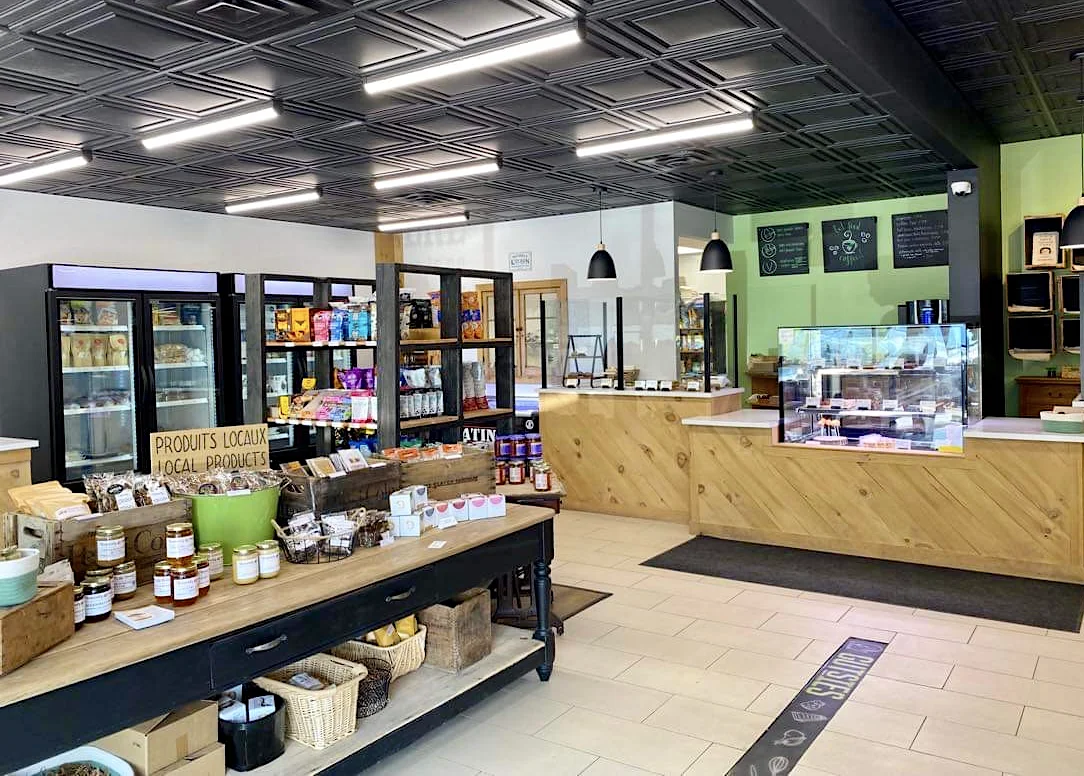
Situated in Orléans, Gutsies serves as both a bakery and a specialty retail hub. The establishment is notable for its integration of the regional supply chain, stocking hard-to-find items from Montreal-based gluten-free producers such as La Marquise Sans Gluten. This "hub-and-spoke" model allows Ottawa residents access to a wider variety of artisanal goods that would otherwise require inter-provincial travel. The shop also produces its own line of additive-free meals, catering to the intersection of celiac disease and other inflammatory conditions.

2 Sprinkles (Formerly 5 Cupcakes)
Operating primarily through online orders and local farmers’ markets, such as the Lansdowne Market, 2 Sprinkles represents the burgeoning "market-to-consumer" sector of the Ottawa food scene. Their focus on baked (rather than fried) donuts and specialized breads like herb garlic and onion cheese highlights a shift toward high-quality artisanal textures that were historically difficult to achieve with gluten-free flour blends.

Ethnic Cuisines and Natural Gluten-Free Integration
A significant trend in the Ottawa dining scene is the utilization of naturally gluten-free culinary traditions. Many international cuisines rely on rice, corn, or cassava rather than wheat, providing a safer baseline for celiac diners.

Latin American and Mexican Influence
The opening of The Tortilla Maker of Canada in Orléans in 2023 marked a milestone for authentic, corn-based Mexican cuisine in the region. By utilizing 100% masa harina for tortillas and tamales, the establishment avoids the wheat-contamination risks common in "Tex-Mex" fusion restaurants. Similarly, Venezuelan cuisine has seen a rise in popularity through vendors like Chicha Canada and Arepas Place. These businesses focus on rice and corn-based products, such as arepas and chicha—a traditional Andean beverage.

South Asian and African Gastronomy
Establishments such as Thali and Coconut Lagoon, under the direction of Chef Joe Thottungal, have set a high bar for dietary transparency. By clearly marking gluten-containing items and focusing on rice-based pancakes (dosas) and lentil-based stews, these restaurants cater to celiac diners within a high-end dining context. In the African sector, YKO Chicken BBQ on Dalhousie Street provides a rare example of a menu that is almost entirely gluten-free by default, utilizing starches like plantain, cassava, and rice.

Navigating the Cross-Contamination Challenge in Mixed Kitchens
For restaurants that are not 100% gluten-free, the implementation of a "Celiac Protocol" is essential. This involves dedicated fryers, separate preparation areas, and rigorous staff training.

The Pizza and Pub Sector
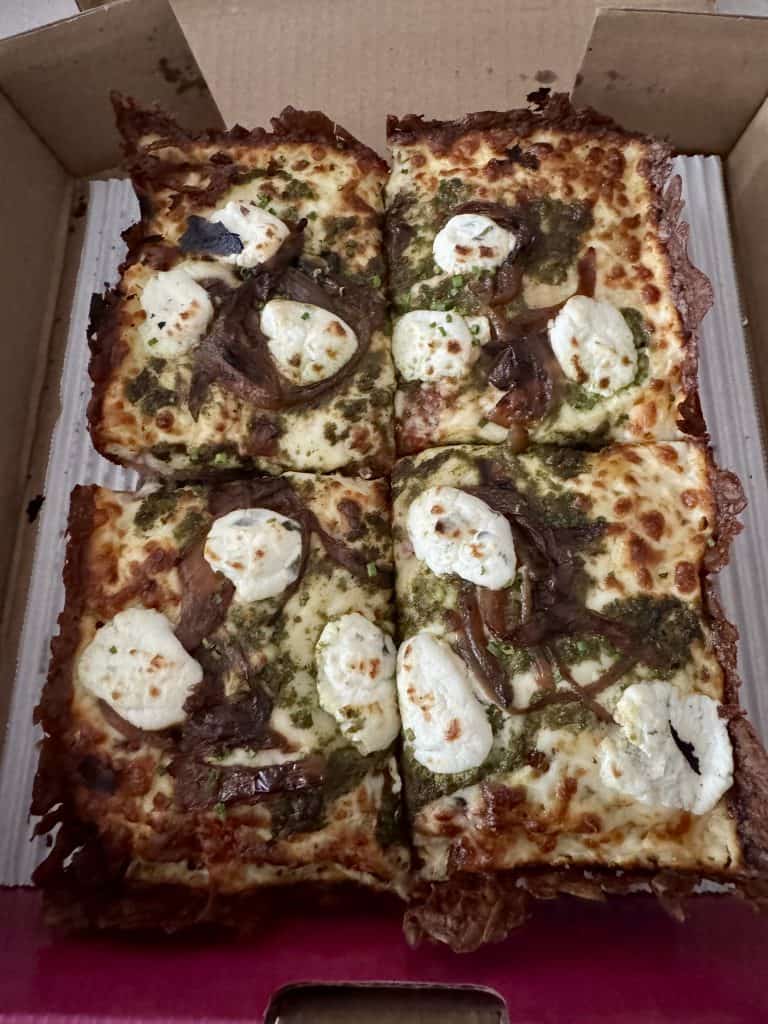
Pizza remains one of the most difficult items for celiacs to eat safely due to airborne flour. However, local operators like Pizza Nerds and Pizza Stay Gold have implemented mitigation strategies. Pizza Stay Gold, which specializes in Detroit-style deep-dish pizza, utilizes separate pans and cutting boards, though they maintain a shared fryer for other menu items—a distinction that requires clear communication between the kitchen and the customer.

In the pub and diner category, Little Mac’s on Wellington Street West represents an anomaly. Despite not being a dedicated facility, the menu is nearly entirely gluten-free, including fried chicken and waffles. Their approach—using gluten-free flour for the majority of the menu and isolating the small number of wheat products—demonstrates a proactive business model that prioritizes the safety of the celiac consumer without alienating the general public.
The Poutine Problem
Poutine, a staple of the region, often contains wheat-based thickeners in the gravy. Establishments like Smokin’ RR’s in Stittsville and Patate Lou Lou in Gatineau have addressed this by offering certified gluten-free gravy and utilizing dedicated fryers for their potatoes. This commitment to the "dedicated fryer" is the most critical factor for celiac safety in the fast-food sector, as shared oil is a primary source of cross-contamination.

The Role of Farmers’ Markets and Pop-Up Economies
Ottawa’s seasonal farmers’ markets (Lansdowne, Westboro, Main Street, and Carp) serve as an incubator for specialized gluten-free businesses. Vendors like Rocket Scone and Kokoro Bake Shop utilize these venues to offer small-batch, celiac-safe goods. Kokoro Bake Shop, for instance, employs a "GF-first" baking schedule, where all gluten-free items are prepared and sealed before any wheat-based products enter the workspace, a strategy designed to minimize airborne contamination.

Furthermore, the "Pop-Up" model allows specialized businesses from other cities to service the Ottawa market. Toronto-based companies like The Bean Sprout GF and Riz Gluten Free conduct periodic delivery runs to Ottawa, providing access to gluten-free Chinese dumplings and wontons—items that are notoriously difficult to find in celiac-safe forms due to the prevalence of wheat-based soy sauce and wrappers in traditional kitchens.

Regulatory Landscape and Future Outlook
While Canada has made strides in allergen labeling, the National Capital Region’s celiac community often looks toward the United Kingdom and the European Union as models for food regulation. In those jurisdictions, allergens must be clearly marked by law on all restaurant menus, and kitchen certifications are more strictly standardized.

The growth of the Ottawa Celiac Association and the increasing number of Gluten-Free Food Program (GFFP) certified restaurants, such as La Dolce Vita on Preston Street, suggest a trend toward professionalization in the dietary-restricted sector. As more restaurants recognize the economic value of the "loyal celiac" (who often dictates where an entire group will dine), the industry is likely to see further investment in dedicated equipment and certified staff training.

Conclusion
The state of gluten-free dining in Ottawa and Gatineau is one of specialized excellence rather than broad-spectrum availability. While the city lacks the sheer volume of dedicated restaurants found in larger global capitals, the existing infrastructure of high-knowledge kitchens and dedicated bakeries provides a safe and diverse landscape for those with celiac disease. The success of these establishments relies on a transparent relationship between the proprietor and the consumer, where the nuances of cross-contamination are treated not as a nuisance, but as a fundamental component of food safety and public health. For the celiac diner, the National Capital Region offers a sophisticated, albeit carefully navigated, gastronomic experience that spans global flavors and local traditions.
