

The recovery of a digital archive spanning nearly 15 years has brought a renewed focus to the career of Jodi Ettenberg, a former corporate lawyer turned prominent travel writer, while highlighting the complex psychological landscape of "living grief" associated with chronic disability. Ettenberg, the founder of the long-running publication Legal Nomads, recently announced the restoration of thousands of photographs and personal documents stolen during a 2010 burglary in Brooklyn, New York. The return of these materials, facilitated by a stranger who discovered the hardware at a flea market, serves as a poignant milestone in Ettenberg’s ongoing struggle with a debilitating spinal cerebrospinal fluid (CSF) leak that has largely confined her to bed since 2017.
The Chronology of a Disrupted Career
The narrative of Ettenberg’s career is one defined by two distinct phases: a decade of high-intensity global exploration and a subsequent period of profound physical limitation. In 2008, Ettenberg resigned from her position as a lawyer in Montreal to embark on a planned one-year sabbatical. This journey evolved into Legal Nomads, a platform that became a cornerstone of the early travel blogging industry, focusing on the intersection of food, culture, and storytelling.
A pivotal moment in this timeline occurred in 2010. While meeting colleagues in Brooklyn, Ettenberg’s residence was burglarized. The perpetrator seized her laptop and all primary and backup external hard drives, effectively erasing the visual record of her first two years of world travel, law school graduation, and rare family gatherings. Despite an impassioned public plea at the time, the equipment remained missing for over a decade.
In August 2017, one week after her birthday, Ettenberg’s life underwent a more permanent disruption. During a medical procedure intended to investigate symptoms related to her long-term health, she sustained a spinal CSF leak. This condition occurs when a hole or tear in the dura mater—the tough membrane covering the brain and spinal cord—allows fluid to escape. The resulting loss of fluid pressure causes the brain to sag within the skull, leading to severe neurological symptoms and "orthostatic" headaches that worsen when the patient is upright.
Understanding the Medical and Psychological Impact of Spinal CSF Leaks
The medical challenges faced by Ettenberg are representative of a broader, often misunderstood patient population. Spinal CSF leaks are frequently misdiagnosed as migraines, Chiari malformation, or even psychological distress. According to the Spinal CSF Leak Foundation, the condition can be caused by medical procedures (iatrogenic), trauma, or underlying connective tissue disorders such as Ehlers-Danlos Syndrome (EDS).
For Ettenberg, the leak resulted in a near-total loss of her previous lifestyle. The physical requirements of travel blogging—constant movement, photography, and public speaking—became impossible. This transition from global nomad to bedbound patient introduced a phenomenon Ettenberg identifies as "living grief," a term closely related to the psychological concept of "ambiguous loss."

The Framework of Living Grief and Ambiguous Loss
The concept of ambiguous loss was pioneered by Dr. Pauline Boss in the 1970s. It describes a state of grief where there is no closure or clear understanding of the loss. This typically occurs in two scenarios: when a person is physically absent but psychologically present (such as a missing person), or when a person is physically present but psychologically changed (as seen in dementia or severe chronic illness).
In the context of chronic illness, living grief represents the ongoing mourning of the self. Unlike bereavement, which follows a definitive death and is supported by established societal rituals, living grief is often invisible and unvalidated. Ettenberg notes that society lacks the "tapestry of rituals" for those who lose their function rather than their lives. This leads to a unique form of isolation where the patient must navigate the "othering" of disability while facing pressure from the able-bodied world to "recover" on an arbitrary timeline.
A Decade of Silence: The Recovery of the Brooklyn Archive
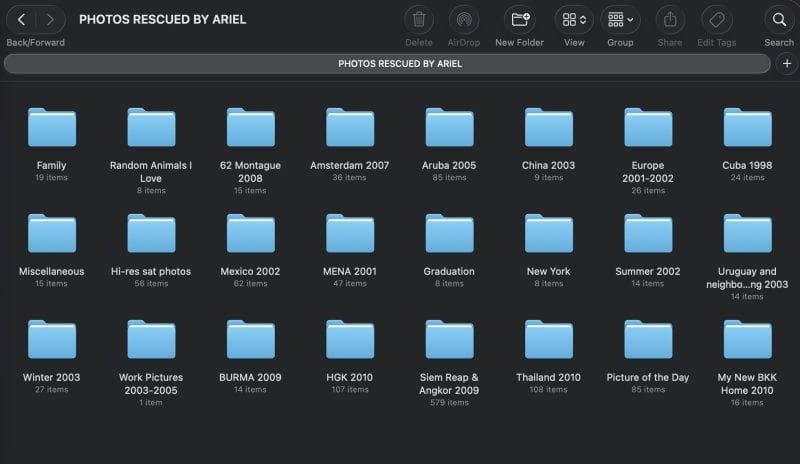
The recent recovery of Ettenberg’s 2010 archive began with an unsolicited message on social media from Ariel, a New York-based filmmaker. Over ten years ago, Ariel had purchased several used external hard drives at a Brooklyn flea market. Upon discovering the drives contained personal photographs rather than being empty, he opted to preserve the data rather than reformat the hardware, hoping to eventually locate the owner.

The folders contained a comprehensive history of Ettenberg’s early career, including:
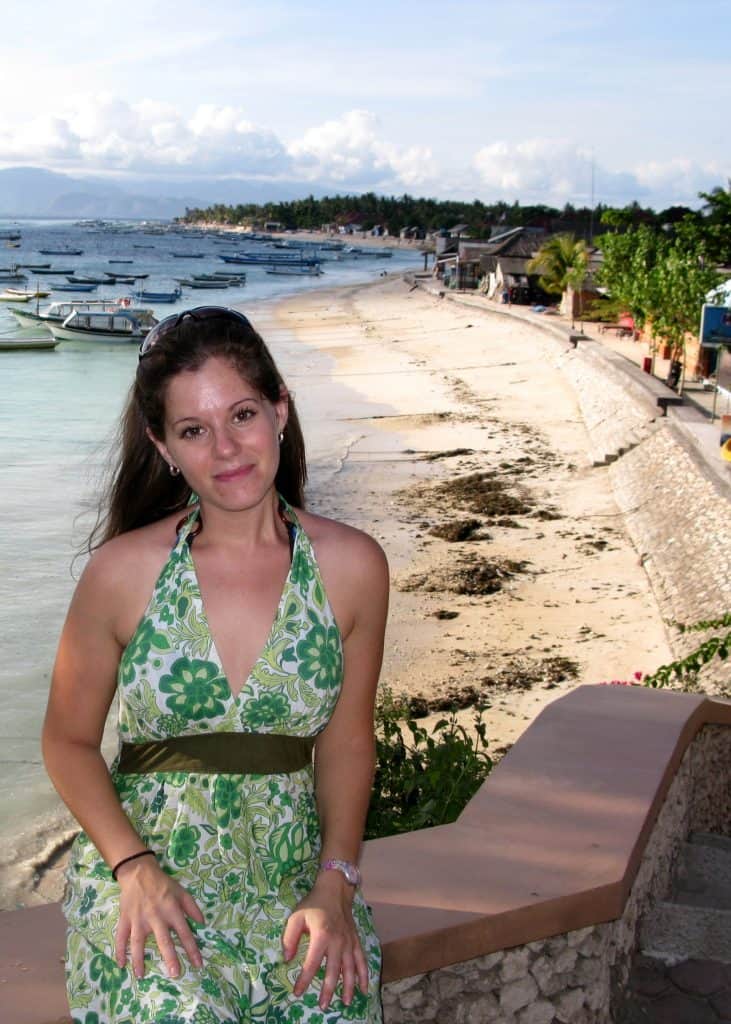
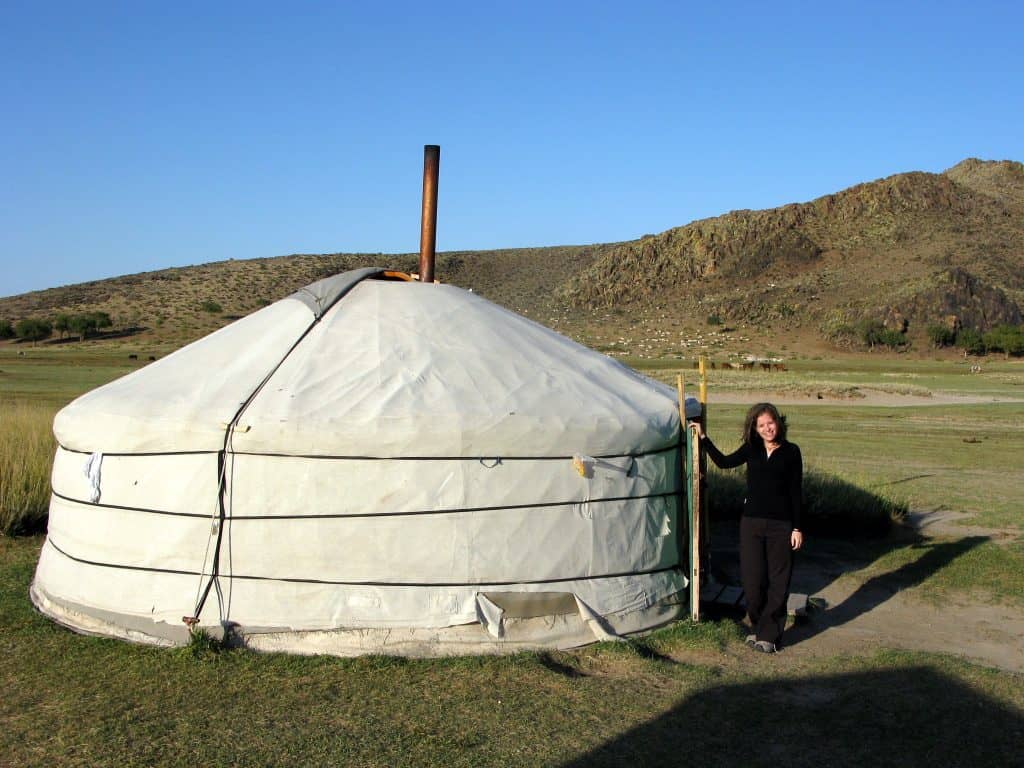
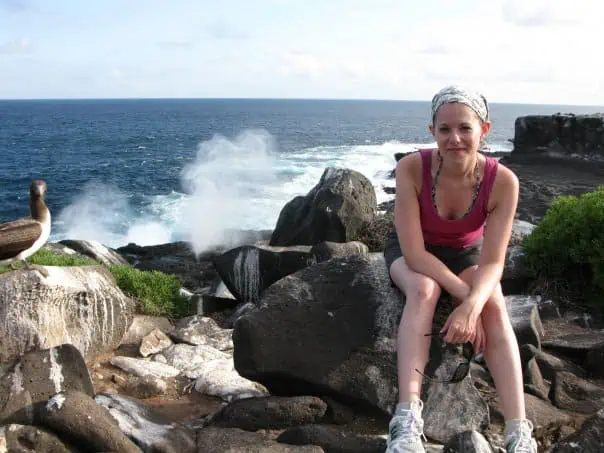
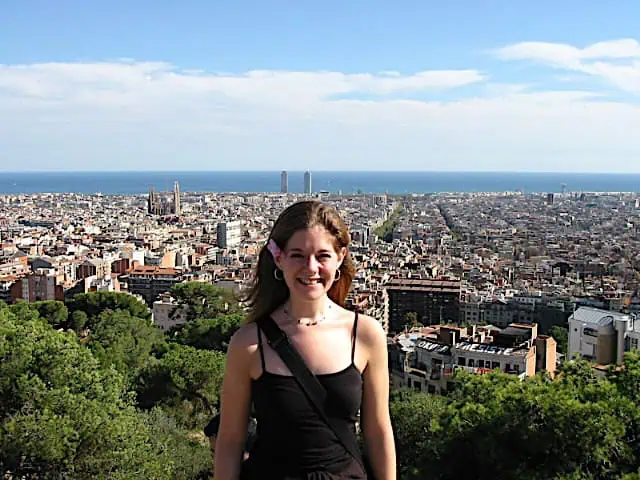
- Travel Documentation: High-resolution imagery from the Gobi Desert, the Galapagos Islands, and remote regions of Southeast Asia.
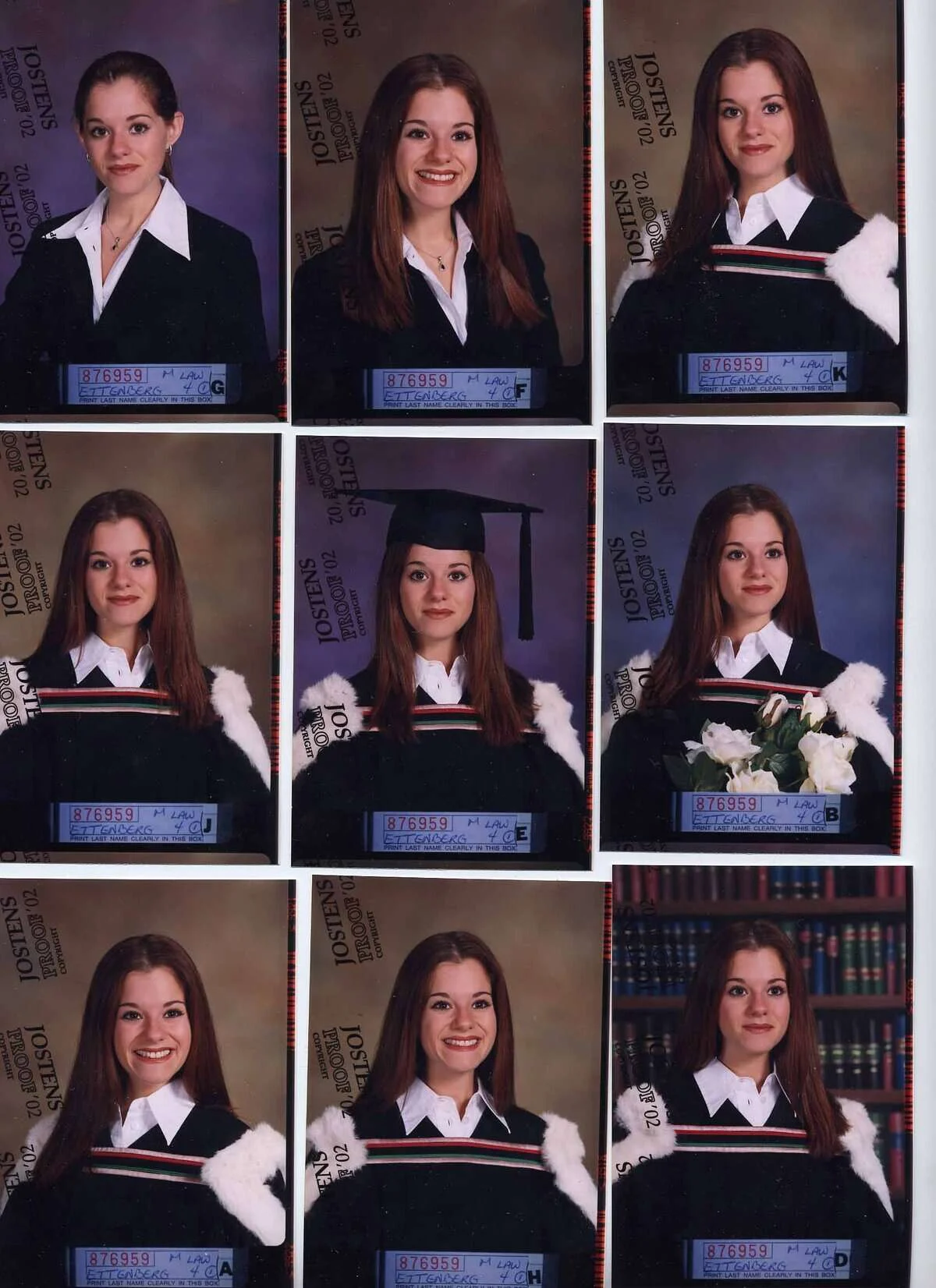
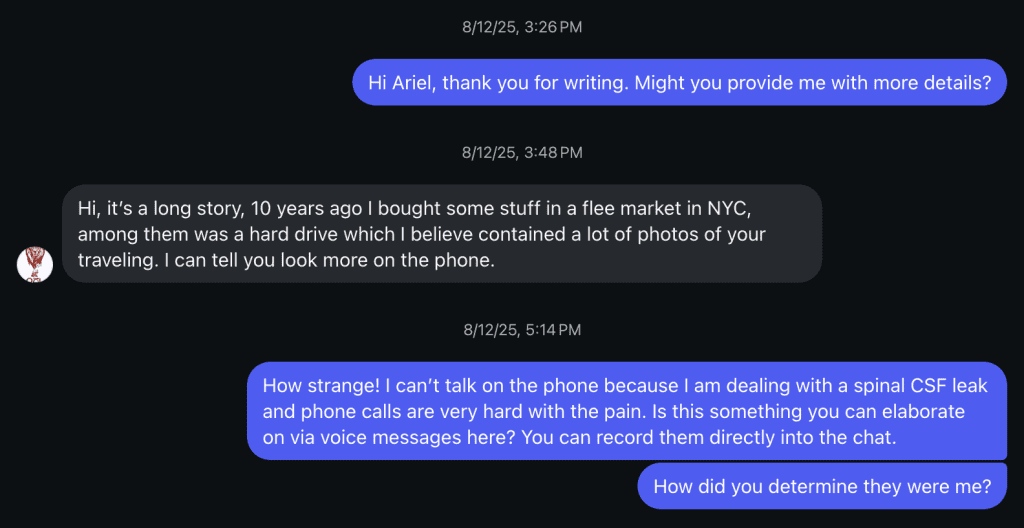
- Academic Milestones: Proofs from her graduation from McGill University Faculty of Law.
- Family Records: Candid photographs of her stepmother, Deborah, who passed away in early 2024, and her mother.
Ariel’s decision to safeguard this data for over a decade, despite several relocations and personal hardships, highlights a rare instance of digital altruism. He eventually used Ettenberg’s distinctive name and professional profile to facilitate the reunion. The transfer of these files occurred on Ettenberg’s birthday in August 2023, providing a symbolic counterweight to the anniversary of her 2017 injury.

Supporting Data: The Evolution of Playground Safety and Long-term Injury
Ettenberg’s narrative also touches upon the historical context of childhood injury and its long-term physiological consequences. She traces her adult tradition of mountain climbing to a traumatic fall from a 12-foot metal playground structure in the 1980s. At the time, playground equipment often lacked guardrails and was frequently installed over concrete or asphalt surfaces.
Data from the Consumer Product Safety Commission (CPSC) indicates that playground safety standards underwent a massive overhaul in the late 1980s and early 1990s, moving toward impact-absorbing surfaces like rubber mulch or engineered wood fiber. Ettenberg’s childhood fall resulted in a fractured rib and chronic back pain, which she now believes masked underlying genetic issues that may have predisposed her to the 2017 CSF leak. This "compounding" of injuries is a common theme in the histories of patients with chronic connective tissue disorders.
Broader Implications for the Disabled Community
The story of Jodi Ettenberg serves as a case study for the intersection of technology, disability advocacy, and the human condition. Her experience highlights several critical issues currently facing the disabled community and the public at large:
1. The Vulnerability of the Digital Legacy
The loss and recovery of Ettenberg’s photos emphasize the fragility of personal history in the digital age. Before the ubiquity of cloud storage, a single physical theft could erase a lifetime of work. Her story underscores the necessity of redundant, off-site backup systems for journalists and travelers.

2. The Crisis of Meaning in Invisible Illness
Ettenberg’s writing on living grief addresses the "crisis of meaning" that occurs when an individual’s productivity—the metric by which society often measures worth—is stripped away. Her advocacy focuses on reframing the narrative from "fighting to get better" to "learning to live within new limits." This shift is vital for the mental health of the millions globally living with long-term disability.

3. The Role of Community and Serendipity
The involvement of the online community in 2010 and the eventual return of the hard drives in 2023 demonstrate the power of digital networks to foster empathy. While social media is often criticized for its negative impacts, Ettenberg’s experience shows its potential as a tool for restoration and support.
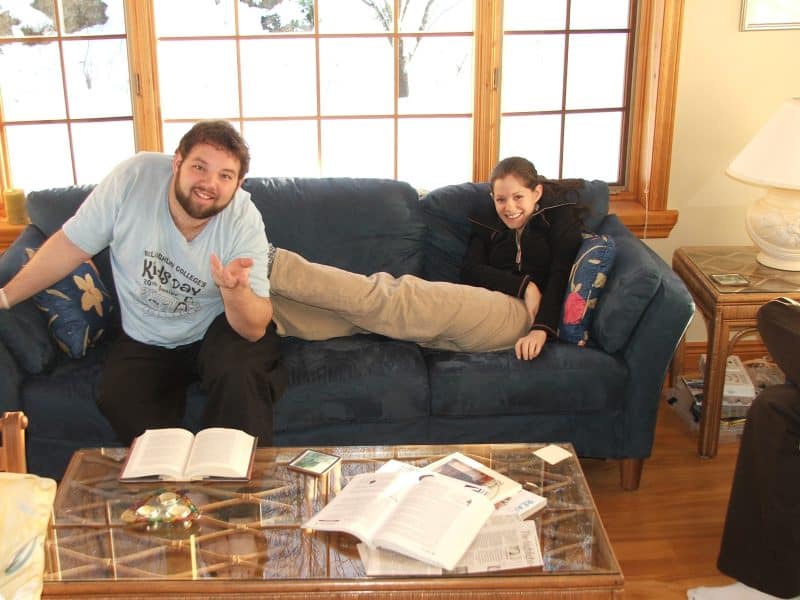
Conclusion: A New Tradition of Resilience
As she enters her late 40s, Ettenberg remains a vocal advocate for CSF leak awareness and the validation of chronic illness. While she can no longer participate in the birthday mountain climbs that once defined her physical autonomy, the recovery of her digital past has allowed for a reconciliation with her former self.
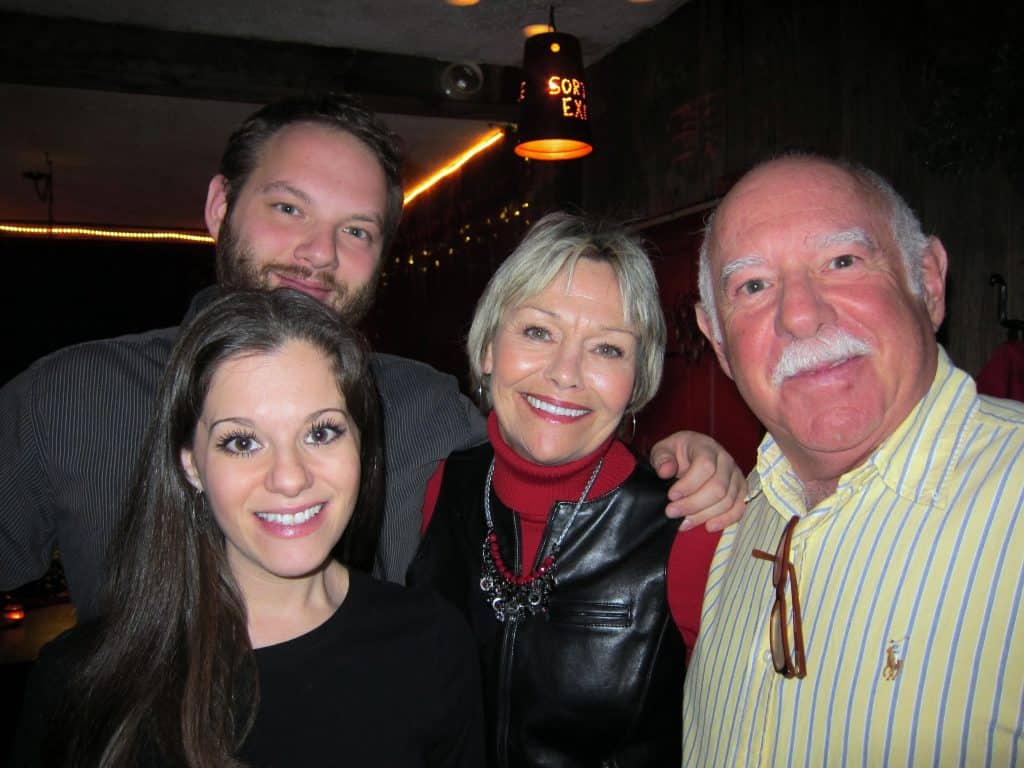
The return of the stolen memories does not cure the physical leak, nor does it erase the years of "living grief." However, it provides a factual record of a life lived with intensity and purpose—a record that was nearly lost to a flea market in Brooklyn. For the medical community, her story is a reminder of the profound psychological stakes involved in chronic patient care. For the public, it is a testament to the enduring impact of small acts of kindness and the possibility of finding "bright spots" within a life redefined by limitation.
