

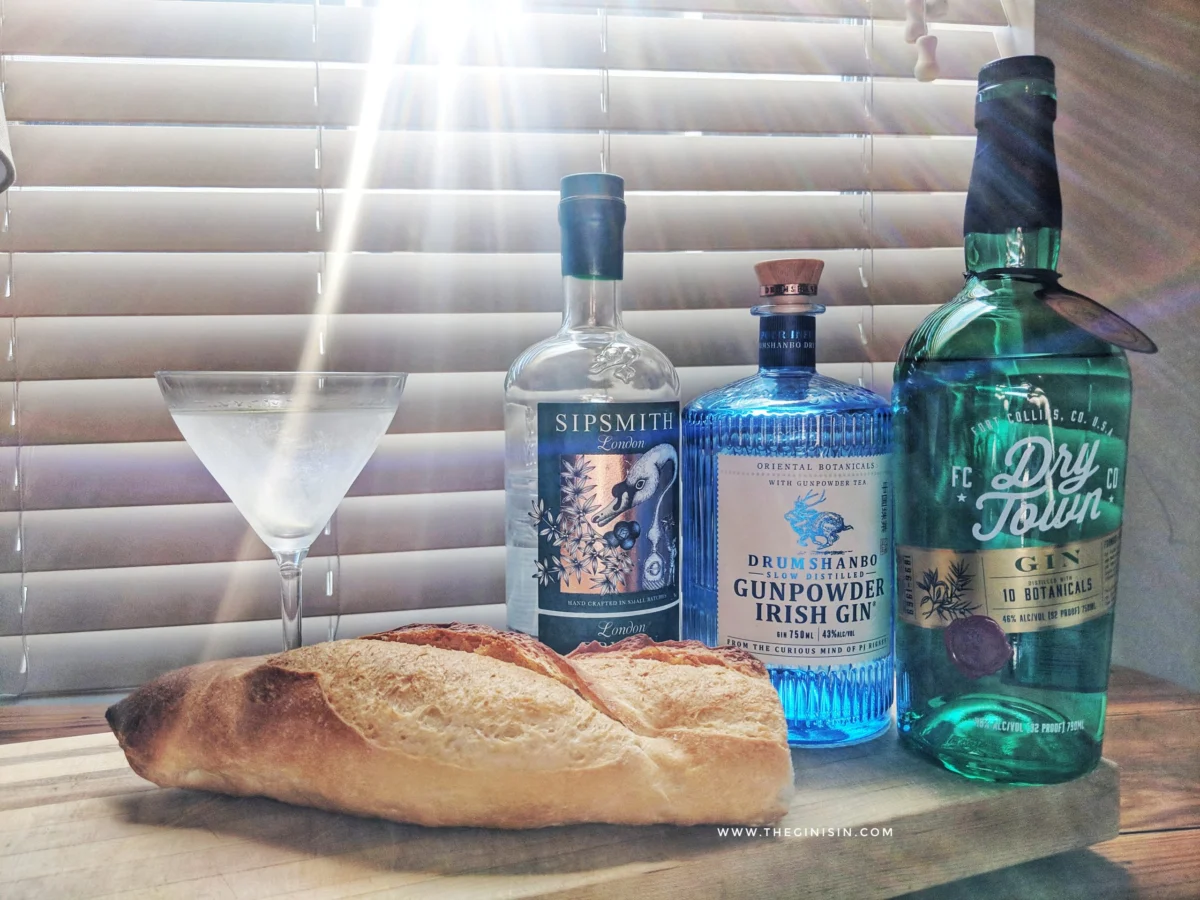
The question of whether gin contains gluten is a central concern for millions of individuals living with Celiac disease or non-celiac gluten sensitivity, yet the scientific consensus remains absolute: distilled gin is gluten-free. Despite being frequently produced from base grains that contain gluten—such as wheat, barley, or rye—the chemical process of distillation effectively removes these proteins from the final product. This reality is supported by major health organizations, including the Celiac Disease Foundation and the Mayo Clinic, which affirm that the distillation process creates a spirit that is safe for consumption by those who must strictly avoid gluten.
The Chemical Mechanism of Distillation
To understand why gin is gluten-free, one must examine the molecular behavior of gluten during the distillation process. Gluten is a complex protein found in wheat, barley, and rye. Proteins are large, heavy molecules with high molecular weights and are non-volatile, meaning they do not evaporate at the temperatures used to distill alcohol.
During the production of gin, a fermented "wash" containing the base grain is heated in a still. As the temperature rises, the ethanol and various aromatic compounds reach their boiling points and transition into a gaseous state. These vapors rise through the still, leaving behind the heavier solids, including proteins, minerals, and unfermented sugars. The vapors are then channeled into a condenser, where they are cooled back into a liquid form. Because gluten cannot transition into a gas, it remains in the boiling vessel (the "pot") and never enters the condenser. Consequently, the resulting distillate is chemically devoid of gluten peptides.
Regulatory Standards and the TTB Ruling
The safety of distilled spirits has been a subject of rigorous regulatory debate for over a decade. In the United States, the Alcohol and Tobacco Tax and Trade Bureau (TTB) oversees the labeling of alcoholic beverages. For years, the TTB maintained a conservative stance, prohibiting spirits derived from gluten-containing grains from being labeled "gluten-free," even if they were distilled.
However, following extensive review and pressure from both the medical community and the spirits industry, the TTB issued Ruling 2020-2. This landmark decision aligned TTB policy with Food and Drug Administration (FDA) standards. The ruling allows distilled spirits produced from gluten-containing grains to be labeled as "gluten-free" provided that the distillation process has removed all gluten and that the producer follows Good Manufacturing Practices (GMP) to prevent cross-contact with gluten after distillation.
This regulatory shift was predicated on the understanding that the distillation process is a purification method. The FDA’s final rule on the gluten-free labeling of fermented and distilled foods, published in August 2020, confirmed that distillation is a scientifically valid method for removing gluten, thereby providing a legal framework for gin producers to market their products to the gluten-sensitive community.
A Chronology of Gluten-Free Spirit Recognition
The journey toward universal acceptance of distilled spirits as gluten-free has followed a clear timeline of scientific and regulatory milestones:
- Pre-2000s: General medical advice often suggested that individuals with Celiac disease avoid all grain-based spirits, leading to a widespread preference for potato-based or grape-based vodkas.
- 2004: The Celiac Disease Foundation and other international bodies began publicizing the scientific fact that distillation removes proteins, though consumer skepticism remained high.
- 2013: The FDA issued its final rule on gluten-free labeling for most foods (less than 20 parts per million), but excluded distilled spirits, which fell under TTB jurisdiction.
- 2014: The TTB issued an interim policy allowing "processed to remove gluten" labels, but consumers found this phrasing confusing and insufficient.
- 2020: The TTB officially ruled that distilled spirits made from gluten-containing grains could be labeled "gluten-free," marking the final step in the regulatory acceptance of the science of distillation.
The Role of Base Grains and Botanical Infusion
While the distillation process removes gluten, the choice of base grain still influences the character of the gin. Distillers often choose Red Winter Wheat for its soft, sweet profile, or barley for a more malty, robust texture. Rye is frequently used to provide a spicy finish. Even though the proteins are removed, the volatile aromatic molecules of these grains survive the distillation process, allowing the consumer to experience the flavor profile of the grain without the health risks associated with gluten.
Gin is unique among spirits because it requires the infusion of botanicals, primarily juniper berries. These botanicals are added either during a second distillation or through "vapor infusion," where the alcohol steam passes through a basket of herbs, spices, and fruit peels. In standard gin production, none of the traditional botanicals—such as coriander, angelica root, or citrus peel—contain gluten. However, consumers must remain vigilant regarding "compounded gins" or flavored gins where syrups or additives are introduced after the final distillation.
Addressing Symptomatic Responses and Alcohol Sensitivity
A common point of confusion arises when individuals with gluten sensitivities report feeling ill after consuming gin. While it is natural to attribute this to gluten, medical experts point to other physiological factors. Alcohol is a known gastrointestinal irritant. It can increase stomach acid production and delay gastric emptying, leading to symptoms such as bloating, abdominal pain, and nausea—symptoms that closely mimic a "gluten attack."
Furthermore, alcohol can increase intestinal permeability, often referred to as "leaky gut." For those with Celiac disease, whose intestinal linings are already sensitive, the irritation caused by ethanol can be more pronounced. Additionally, some gins may contain high levels of congeners—minor chemical constituents produced during fermentation—which can contribute to more severe hangovers or sensitivities in certain individuals.
Expert Perspectives and Medical Consensus
Dr. Alessio Fasano, a world-renowned pediatric gastroenterologist and director of the Center for Celiac Research and Treatment at Massachusetts General Hospital, has consistently noted that distilled spirits are safe. The consensus among the medical community is that unless a gluten-containing ingredient is added back into the spirit after distillation (such as in certain pre-mixed gin cocktails or low-quality flavorings), the product is safe.
The Celiac Disease Foundation provides clear guidance on this matter: "Distilled products do not contain any harmful gluten peptides even if they are made from gluten-containing grains. Research indicates that the gluten peptide is too large to carry over in the distillation process, leaving the resulting liquid gluten-free." This statement serves as the gold standard for patient education regarding alcoholic beverages.
Industry Implications and Market Growth
The clarification of gin’s gluten-free status has had a significant impact on the global spirits market. As the "wellness" trend continues to influence consumer habits, the demand for transparent labeling has surged. The "Gluten-Free" label is now a powerful marketing tool for gin brands, particularly craft distilleries that want to appeal to health-conscious demographics.
Data from market research firms indicate that the gluten-free beverage sector is expected to grow significantly through 2030. Gin, with its botanical-forward and often artisanal image, is well-positioned to capture a large share of this market. This has led to an increase in the number of gins explicitly marketed as "gluten-free," even those using traditional wheat or barley bases, as brands seek to educate the public and build trust with the Celiac community.
Final Summary of Safety Protocols
For the consumer, ensuring a gluten-free experience with gin involves a few simple checks:
- Pure Distillates: Standard London Dry gins and distilled gins are almost universally safe due to the physics of the still.
- Flavoring Caution: Be cautious with "pink gins," fruit-flavored gins, or gin-based liqueurs. Check labels for "natural flavors" or additives that may have been introduced post-distillation.
- Cross-Contamination: In a bar setting, be aware of shared shakers or garnishes that may have come into contact with gluten-containing ingredients like beer or certain syrups.
In conclusion, the intersection of organic chemistry and federal regulation confirms that gin is a safe choice for those on a gluten-free diet. The distillation process acts as a molecular filter, ensuring that the heavy gluten proteins remain in the waste grain while the pure, aromatic spirit is captured for consumption. As misinformation continues to circulate online, the scientific and regulatory reality remains clear: gin is, by its very nature, a gluten-free spirit.
