

The categorization of gin remains a complex intersection of historical tradition, industrial chemistry, and modern legal standards, governed primarily by the European Union’s spirit drinks regulations and their subsequent adoption into United Kingdom law. In 2019, the European Union finalized Regulation 2019/787, a legislative effort to clarify the definitions of spirit drinks, including the highly specific "London Gin" designation. While this legislation was later amended by Regulation 2021/1465, the core principles remain consistent: the term "London Dry Gin" is a process-oriented quality designation rather than a geographic or flavor-based one. Despite public perception, the label does not mandate that a spirit be produced within the city of London, nor does it strictly define a specific flavor profile, provided the taste is "predominantly that of juniper."
The Historical Evolution of Purity Standards
To understand the current legal landscape, one must look to the 18th and 19th centuries, an era when gin production was largely unregulated and often dangerous. During the "Gin Craze" in London, spirits were frequently distilled from low-quality grains or waste products. To mask the harsh, often toxic flavors of poorly distilled alcohol, producers would add heavy amounts of sugar, turpentine, or even sulfuric acid.
The technological turning point arrived with the invention of the continuous column still (or Coffey still) in the early 19th century. Unlike traditional pot stills, which produce a spirit with significant character from the base wash but at a lower alcohol concentration, the column still allowed for the production of neutral spirits at 96% alcohol by volume (ABV). This level of purity represented the physical limit of distillation. It eliminated the methanol and "fusel oils" that characterized earlier, cruder spirits, creating a "blank canvas" for distillers. This clean base spirit gave rise to a new style of unsweetened gin, eventually codified as "London Dry," distinguishing it from the sweetened "Old Tom" gins of the previous century.
The Technical Hierarchy of Gin Classifications
Under Regulation 2019/787, the law establishes a hierarchy of gin styles, with each level requiring stricter adherence to specific production methods.
1. Gin
The most basic category, defined under Section 20.c, requires that the spirit be produced by flavoring ethyl alcohol of agricultural origin with flavoring substances or preparations so that the taste is "predominantly that of juniper" (Juniperus communis L.). The minimum bottled ABV is 37.5%.
2. Distilled Gin
Distilled gin, defined under Section 21.a, requires a more rigorous process. The base spirit must be distilled to an initial strength of at least 96% ABV. This spirit is then redistilled in the presence of juniper berries and other natural botanicals. Crucially, producers are permitted to add further flavoring substances or preparations after this second distillation. This allows for the inclusion of delicate flavors that might be destroyed by heat, such as the cucumber and rose essences added to Hendrick’s Gin, or the specialized water additions in Martin Miller’s Gin. While these are high-quality spirits, they cannot legally be labeled as "London Dry" because of these post-distillation additions.
3. London Gin
"London Gin" represents the peak of the regulatory framework. It inherits all the requirements of distilled gin but adds several restrictive clauses. All flavor must be imparted exclusively through the distillation process in the presence of natural plant materials. No flavorings can be added after distillation. Furthermore, the resulting distillate must leave the still at a minimum of 70% ABV.
The "Dry" designation is appended if the final product contains no more than 0.1 grams of sweetening products per liter. While 2019/787 defines "London Gin," the industry standard and the de facto legal interpretation ensure that any London Gin labeled as "Dry" meets these rigorous unsweetened standards.
The Methanol Safeguard and Quality Control
A significant portion of the London Gin regulation is dedicated to chemical purity, specifically the presence of methanol. Methanol, or "wood alcohol," is a toxic byproduct of fermentation that boils at 64.7°C, compared to ethanol’s 78.2°C. In the historical context, unscrupulous distillers would include the "heads" of the distillation run (where methanol concentrates) to increase volume, leading to blindness or death in consumers.
Modern London Gin specifications require that the methanol content does not exceed 5 grams per hectoliter of 100% alcohol. While modern industrial distillation easily meets this standard, its inclusion in the law serves as a historical "quality seal," guaranteeing the consumer a spirit of the highest possible purity.
The "Dry" Paradox: Why Sugar is Permitted
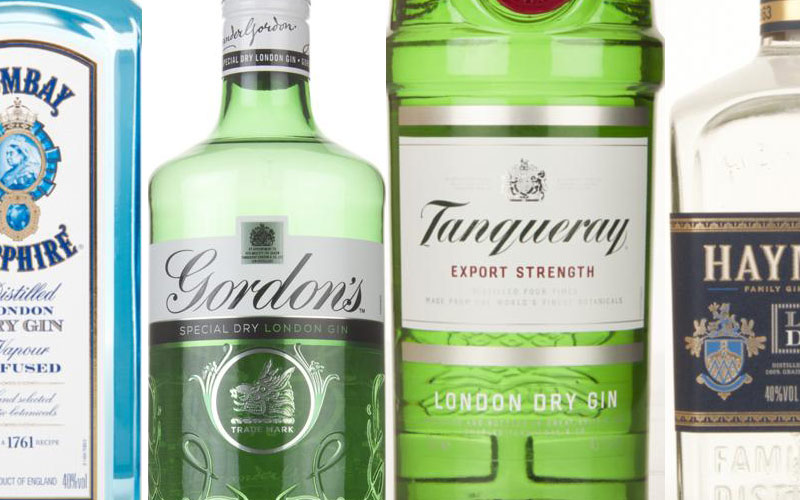
One of the more confusing aspects for consumers is the allowance of 0.1 grams of sugar per liter in a "Dry" gin. Logically, "dry" should imply the total absence of sugar. However, this allowance is not intended for flavor modification. Instead, it serves a functional role in the global supply chain. Many large-scale producers, such as Gordon’s, use "sugar dyes" or tracer molecules. These are invisible markers that allow companies to detect counterfeit products in the marketplace. Without this 0.1g allowance, these anti-counterfeiting measures would render the gin legally "non-dry," despite the sugar being imperceptible to the human palate.
Chronology of Modern Gin Legislation
The path to the current 2019/787 regulation involved decades of negotiation between the European Commission and the distilling industry:
- 2008: Regulation (EC) No 110/2008 is established, setting the first major modern framework for spirit drinks in the EU.
- 2014-2015: Industry groups lobby for Protected Geographical Indication (PGI) status for London Dry Gin. This effort eventually fails because the process is too varied across different countries to fit the rigid PGI requirements.
- 2019: Regulation (EU) 2019/787 is adopted, replacing the 2008 rules. It provides clearer definitions but maintains the "process-based" nature of London Gin.
- 2020: The United Kingdom leaves the European Union. Under the European Union (Withdrawal) Act 2018, the 2019/787 standards are "assimilated" into UK law, ensuring continuity for British distillers.
- 2021: Regulation 2021/1465 amends 2019/787, further refining the technical files for various spirits, though the core London Dry requirements remain untouched.
The Subjectivity of the "Juniper Predominant" Clause
Perhaps the most significant criticism of the current legislation from within the industry is the lack of a numerical or scientific definition for "predominant flavor of juniper." As it stands, the law is enforced subjectively. This has led to the rise of "Contemporary" or "New Western" style gins, which utilize the London Dry process (no post-distillation additives, high purity) but focus on citrus, floral, or spice notes.
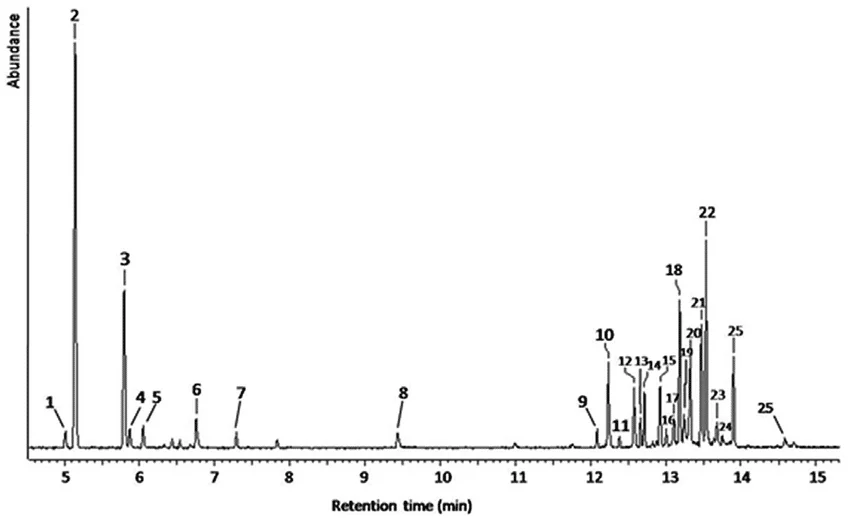
Some industry leaders have called for the use of Gas Chromatography-Mass Spectrometry (GC-MS) to create a legal baseline for juniper volatiles, such as alpha-pinene. Laboratories at major distilleries, like Bombay Sapphire’s Laverstoke Mill, already use GC-MS to ensure batch consistency by comparing the "peaks" of volatile oils against a master standard. However, regulatory bodies have resisted implementing these as legal requirements, fearing that the cost of such testing would be prohibitive for small-scale craft distillers who lack on-site laboratories.
Broader Implications and Global Market Impact
The decision not to seek PGI status for London Dry Gin has had lasting implications. Unlike Champagne or Scotch Whisky, which must be produced in specific regions, London Dry Gin can be made anywhere in the world—from Kyoto to Kansas—as long as the process is followed. This has allowed the category to become the global gold standard for quality, but it has also diluted the term’s connection to its namesake city.
In the United States, the Alcohol and Tobacco Tax and Trade Bureau (TTB) maintains a more inclusive definition. The TTB defines gin as a spirit with a main characteristic flavor derived from juniper, produced either by distillation or by the simple mixing of spirits with aromatics or extracts (compounded gin). The TTB does not officially recognize "London Dry" as a separate legal category in the same restrictive way the EU does, though it allows the term on labels as a "trade designation."
Conclusion: A Legacy of Process over Place
As of 2024, the "London Dry" label remains a mark of technical excellence rather than a flavor profile or a map coordinate. It signifies to the consumer that the distiller has committed to a "one-shot" or "concentrate" distillation method without the use of artificial colors, heavy sweeteners, or post-distillation flavor "corrections."
While the 2019/787 and 2021/1465 regulations have successfully codified the chemistry of the spirit, they have left the sensory aspects of gin largely to the discretion of the distillers and the demands of the market. As the gin industry continues to evolve, the tension between the strict "plant-only" distillation rules and the creative desire to use non-botanical ingredients (such as fungi or animal products) will likely force a further reckoning in the halls of Brussels and London. For now, London Dry Gin stands as a testament to 19th-century industrial purity, preserved within a 21st-century legal cage.
