

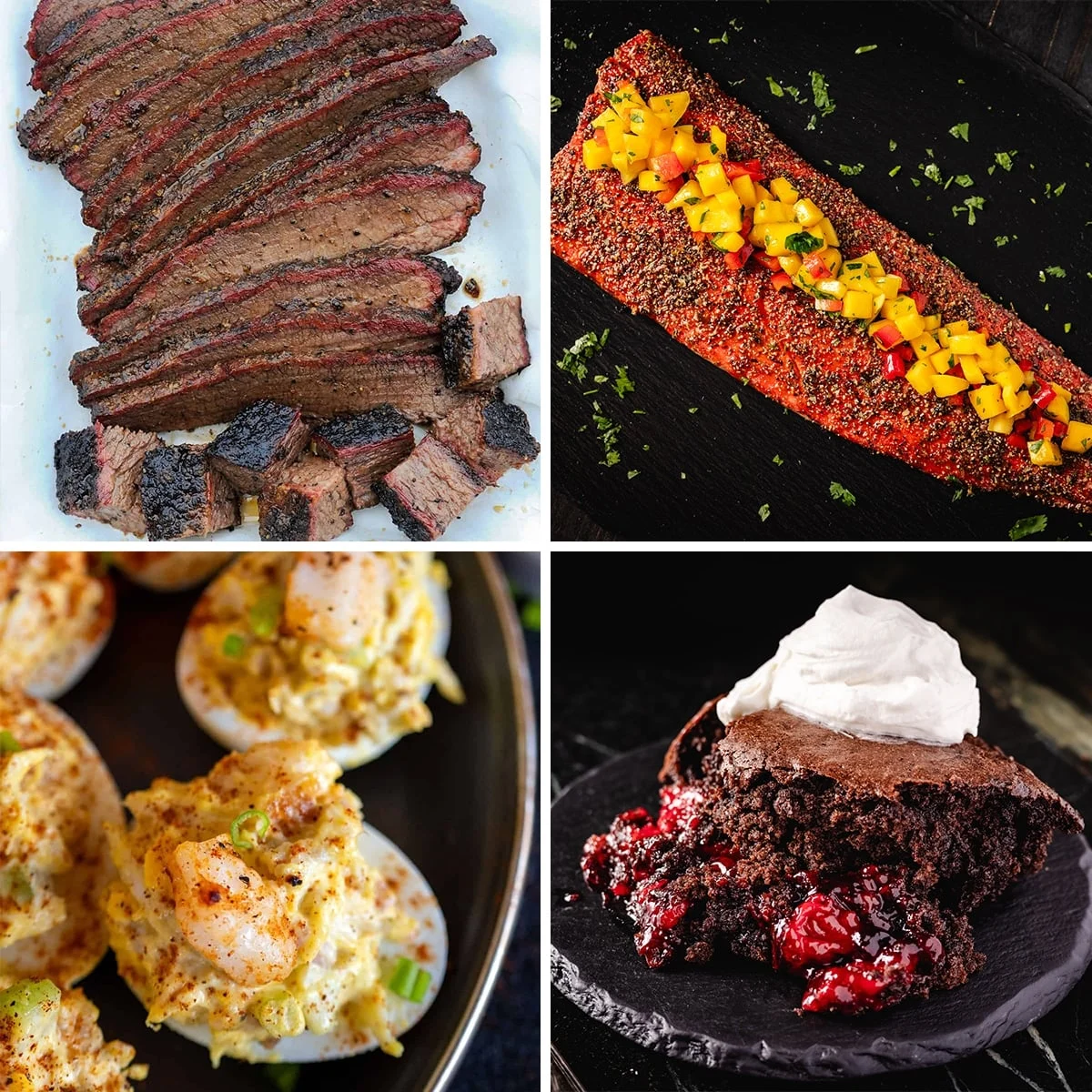
The sixth episode of Food Network’s high-stakes competition series, Pitmasters, delivered a combination of grueling endurance tests and a return to culinary roots, as the field of competitors narrowed and the technical demands reached a seasonal peak. Picking up from the cliffhanger of the previous installment, the episode centered on the conclusion of the "Core Four" challenge—a marathon 12-hour gauntlet involving four distinct proteins—and transitioned into a new "Big Burn" segment focused on the theme of "Backyard BBQ." The episode showcased the diverse methodologies employed by elite pitmasters, ranging from traditional low-and-slow techniques to innovative "hot and fast" strategies necessitated by the constraints of a television production schedule.
The Conclusion of the Core Four: The Brisket Turn-In
The primary focus of the episode’s first half was the final protein of the Core Four challenge: the beef brisket. Widely considered the most difficult of the traditional barbecue meats due to its size, fat distribution, and tendency to dry out during long cook times, the brisket turn-in represented the culmination of a half-day of continuous labor. For the team consisting of Christie (of Girls Can Grill) and Susie Bulloch (of Hey Grill Hey), the challenge presented a logistical hurdle. Traditional Texas-style brisket often requires 12 to 16 hours at low temperatures (typically 225°F to 250°F) to properly render the intramuscular fat and connective tissue.

Given the time constraints and the use of live fire, Christie and Bulloch opted for a "hot and fast" methodology. This technique involves cooking the meat at higher temperatures—often exceeding 300°F—to accelerate the rendering process without sacrificing the integrity of the bark. To achieve a traditional aesthetic and flavor profile, the team finished the meat directly over a live fire, an unconventional move designed to mimic the deep, smoky crust usually achieved through longer exposure to indirect heat.
The financial stakes for this round were significant. Each individual protein turn-in winner was awarded $1,000, while the overall winner of the Core Four—the team with the highest aggregate score across all four categories—received a $3,000 bonus.
Statistical Breakdown and Leaderboard Shift
The judging for the brisket round was rigorous, with the panel evaluating tenderness, flavor, and appearance. Ultimately, the team of Esaul and Grecia secured the win for the brisket category. However, the overall leaderboard reflected a high level of consistency across the field. By the end of the Core Four, the teams of Matt & Max and Esaul & Grecia were tied for the overall lead.

A notable development not fully emphasized in the broadcast was the aggregate performance of Christie and Bulloch. Despite not winning an individual protein category, their cumulative scores placed them as the second-highest scoring team overall. In the lexicon of professional barbecue competition sanctioned by bodies like the Kansas City Barbeque Society (KCBS), this standing is equivalent to "Reserve Grand Champion." This result highlighted the importance of consistency over individual peak performances in multi-category formats.
The episode also marked a turning point in the roster of competitors. Denzel and Reggie were eliminated after failing to meet the scoring threshold required to advance. Host Andrew Zimmern noted the emotional toll of the competition, observing that the shared experience of sleep deprivation and high-pressure cooking had forged a familial bond among the remaining contestants.
The Big Burn: A Transition to Backyard BBQ
Following the elimination, the remaining teams were introduced to the next "Big Burn" challenge. The theme, "Backyard BBQ," shifted the focus from professional competition standards to the more accessible, flavor-forward cooking associated with home gatherings. The requirements were straightforward: one primary protein and two side dishes. The winning team for this challenge was slated to receive a $5,000 prize.

Before the cooking commenced, the production granted the contestants a period of rest—a rare occurrence in a filming schedule that typically demands 24-hour availability. This recovery period was strategically significant, as it allowed the teams to approach the "Backyard" theme with renewed creativity rather than just survival instincts.
Menu Strategy and Technical Execution
The Christie and Bulloch team approached the Backyard BBQ challenge by selecting recipes that prioritized bold, bright flavors and personal history. Their menu consisted of:
Dry Rub Salmon with Mango Salsa
For the protein, the team pivoted away from heavy red meats, opting for a live-fire version of a cedar-planked salmon. The technical challenge of salmon lies in its delicate structure; overcooking leads to the extrusion of albumin (the white protein that appears on the surface), while undercooking fails to render the fat. The team used a complex dry rub featuring brown sugar, black pepper, coarse sea salt, dried basil, garlic powder, smoked paprika, and lime zest. This was paired with a cold mango salsa (ripe mango, roasted red bell pepper, cilantro, and lime juice) to provide an acidic contrast to the rich, fatty fish.

Seafood Salad Deviled Eggs
The first side dish was a sophisticated iteration of a picnic staple. Christie’s recipe involved grilling shrimp to imbue them with a smoky profile before folding them into a mixture of crab meat, minced celery, and shallots. The base utilized a creamy mayo and mustard blend, incorporating the mashed yolks. Deviled eggs are notoriously difficult in outdoor competition settings due to the fragility of the egg whites and the temperature sensitivity of the mayonnaise-based filling.
Mountain Berry Chocolate Cake
For the second side (serving as a dessert), the team prepared a Dutch oven cobbler. This method is a staple of "camp-style" outdoor cooking, where heat is managed by placing coals on top of and beneath a heavy cast-iron vessel. The dish featured a berry filling topped with a chocolate batter that, when baked, created a dual texture of a crackly top crust and a gooey interior.
Judging Discrepancies and Peer Review
The judging format for the Backyard BBQ challenge included a peer-review element, where contestants sampled each other’s work. This provided a rare moment of camaraderie, as teams praised the diversity of the dishes. However, the professional judging panel maintained a much more critical stance.

During the formal evaluation, the judges expressed skepticism regarding the complexity and execution of certain items, particularly the chocolate cake. In the context of television production, these critiques often serve to heighten the drama and emphasize the "expert" status of the panel. Despite the critiques, Bulloch and Christie defended their menu, stating that their goal was to fulfill the specific prompt of "Backyard BBQ"—dishes that families would actually request and enjoy—rather than catering strictly to competition-style technicalities.
Broader Implications for the BBQ Industry
The evolution of shows like Pitmasters reflects a broader trend in the culinary world: the professionalization of "live fire" cooking. What was once a regional craft has transformed into a multi-million dollar industry involving specialized equipment, proprietary rubs, and a robust media ecosystem.
Data from the Hearth, Patio & Barbecue Association (HPBA) indicates that nearly 70% of U.S. adults own a grill or smoker, and the "premium" segment of the market—smokers and pellet grills used by enthusiasts to mimic the results seen on Food Network—has seen significant growth over the last five years. By showcasing techniques like "hot and fast" brisket and Dutch oven baking, Pitmasters serves as both entertainment and an educational platform that influences consumer behavior and cooking trends.

Conclusion and Looking Ahead
While Christie and Bulloch did not secure the $5,000 prize for the Backyard BBQ round, their performance throughout Episode 6 solidified their position as tactically versatile competitors. The episode concluded without revealing the final ranking of the teams for the next stage, maintaining the tension as the season moves toward its finale.
The competition continues to air on Food Network, with streaming availability on platforms such as HBO Max and Discovery+. As the field narrows, the remaining pitmasters face increasingly complex challenges that test not only their ability to manage fire and smoke but also their capacity to innovate within the confines of traditional American barbecue.
