

Hendrick’s Gin, a brand owned by William Grant & Sons, has long been credited with catalyzing the global gin renaissance that began at the turn of the 21st century. Since its debut in 1999, the brand has distinguished itself through a combination of eccentric Victorian-themed branding and a unique production process involving two distinct types of stills and the post-distillation infusion of rose and cucumber essences. In recent years, under the direction of Master Distiller Lesley Gracie, the distillery has expanded its repertoire through the "Cabinet of Curiosities," a series of limited-edition experimental releases. These expressions are designed to push the boundaries of traditional gin profiles, often focusing on specific seasonal or atmospheric inspirations. As of September 2024, the product line has grown to include several permanent and temporary installments, leading to a diverse spectrum of quality and consumer reception.
The Cabinet of Curiosities serves as a liquid laboratory at the Hendrick’s Gin Palace in Girvan, Scotland. This facility, which opened in 2018, allows Gracie to experiment with rare botanicals and unconventional flavor pairings. While the flagship Hendrick’s Gin remains a global benchmark for the "New Western" or "Contemporary" gin category, the experimental releases have met with varying degrees of critical success. Analyzing these releases from the least successful to the most definitive provides insight into the brand’s evolving identity and its impact on the spirits industry.
A Chronology of Innovation and Experimentation
The trajectory of Hendrick’s expansion began in 1999 with the launch of the original flagship expression. For nearly two decades, the brand relied solely on this single product to build its global empire. However, as the gin market became increasingly saturated with "pink gins" and flavored variants, Hendrick’s pivoted toward more sophisticated experimentation.
The timeline of the Cabinet of Curiosities and major releases is as follows:
- 1999: Launch of the original Hendrick’s Gin.
- 2017: Initial limited release of Hendrick’s Orbium (becoming more widely available in 2019).
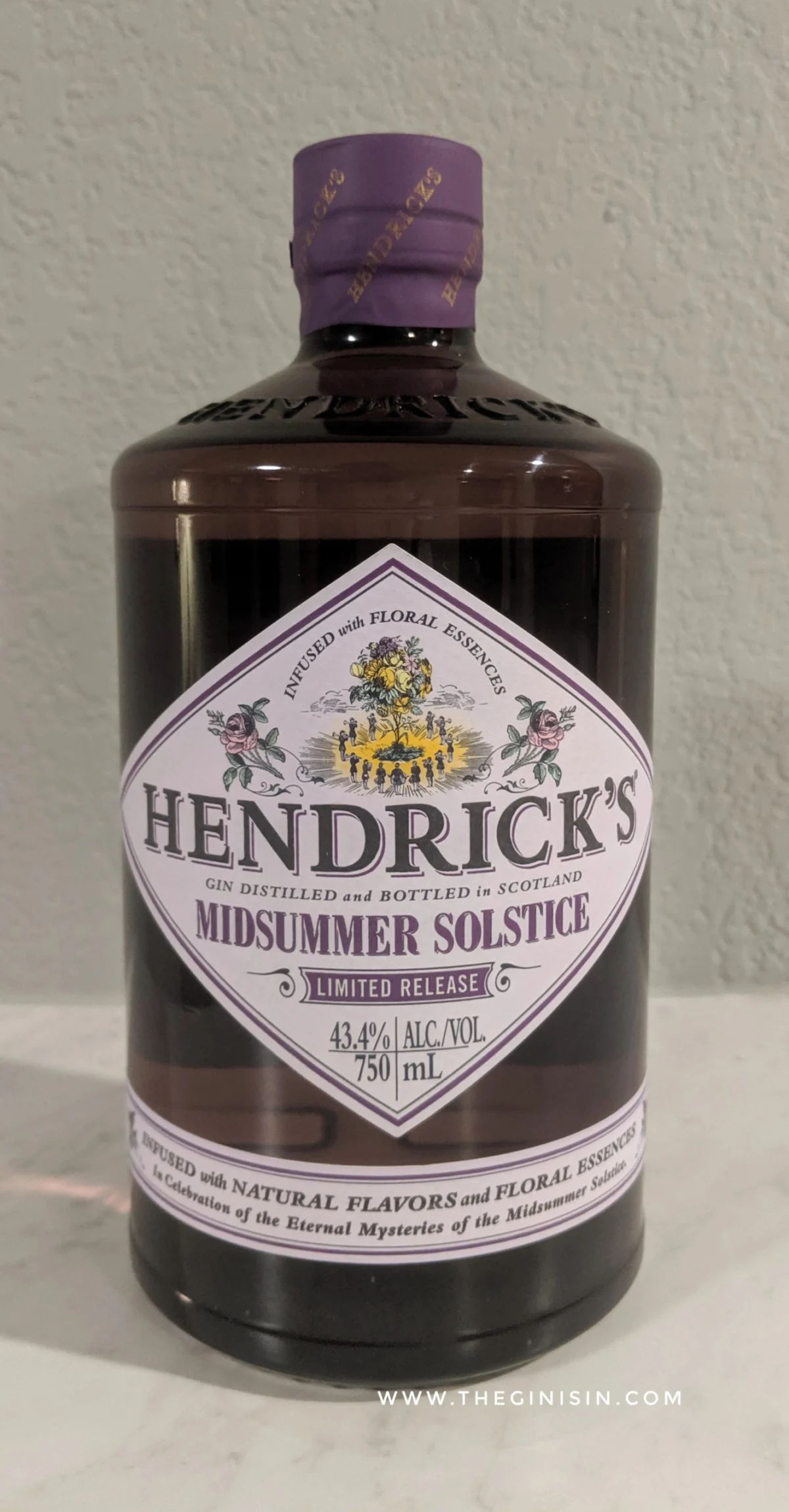
- 2019: Introduction of Midsummer Solstice, the first truly "limited" seasonal release.
- 2020: Launch of Hendrick’s Amazonia, initially as a Global Travel Retail exclusive.
- 2021: Release of Hendrick’s Lunar, inspired by the "nocturnal" atmosphere.
- 2022: Introduction of Neptunia, a coastal-inspired gin.
- 2023: Launch of Flora Adora, focused on garden botanicals and pollinators.
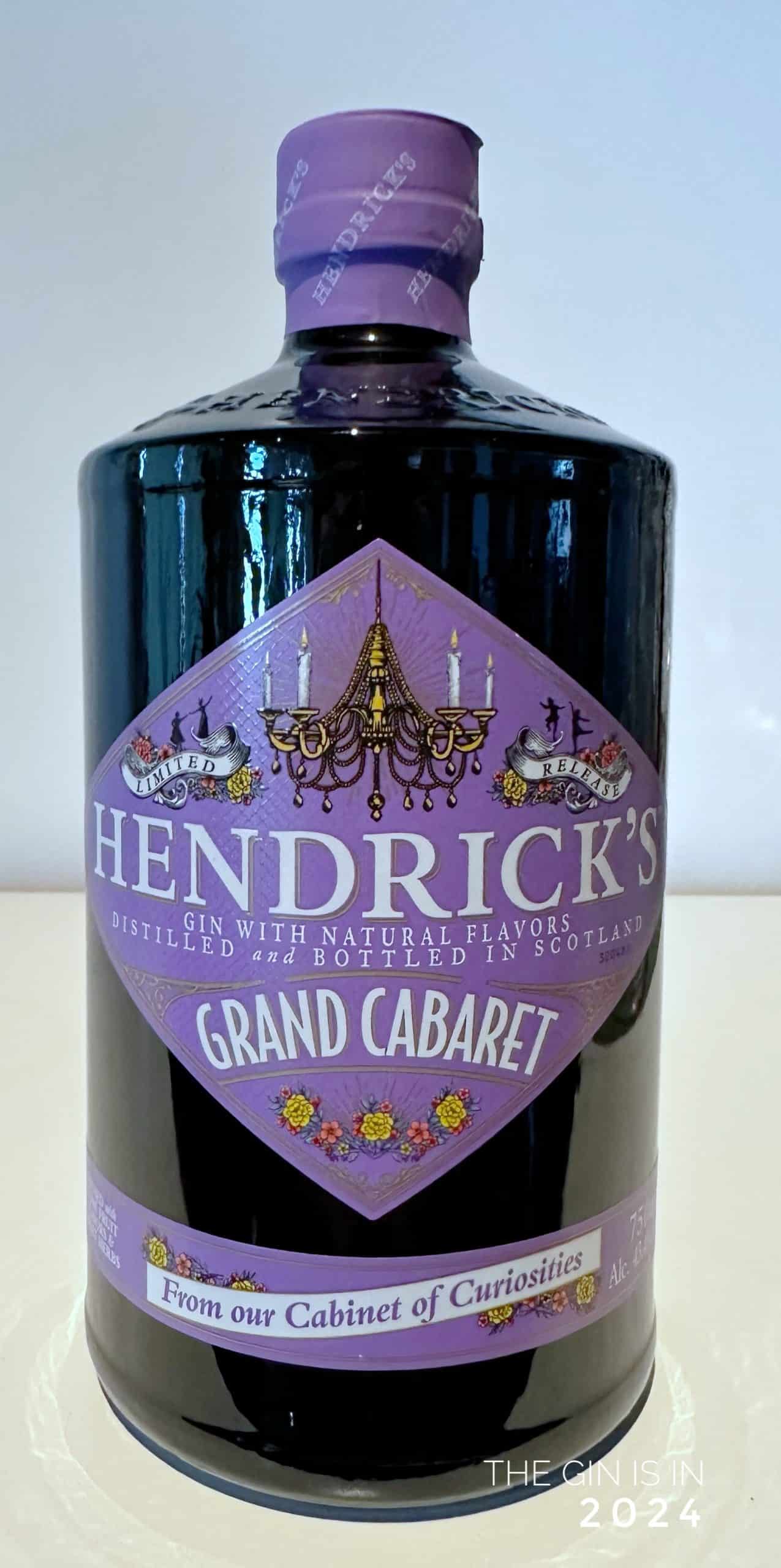
- 2024: Release of Grand Cabaret, inspired by 17th-century stone fruit spirits.
Comprehensive Ranking of the Hendrick’s Product Line
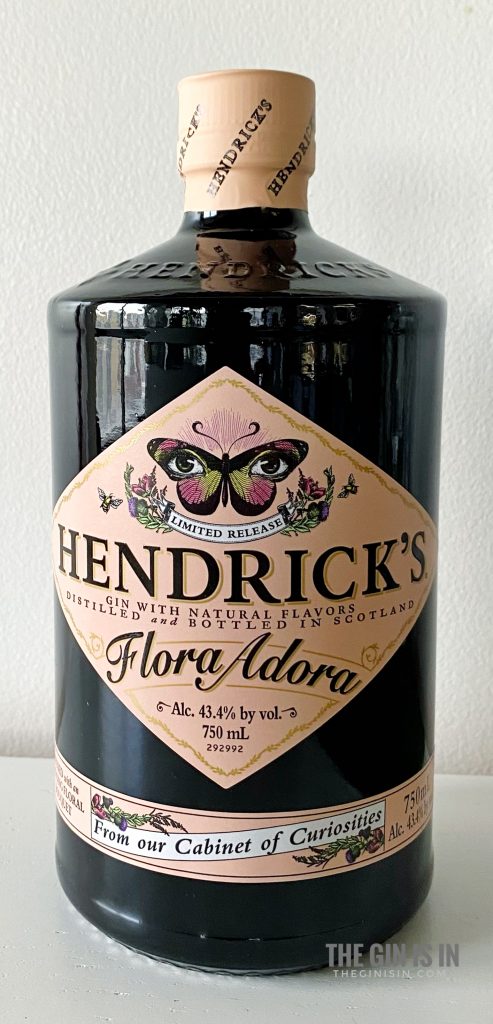
8. Hendrick’s Flora Adora (2023)
Released in 2023, Flora Adora was marketed as a celebration of the wildflowers that attract pollinators to the Hendrick’s Gin Palace gardens. While the concept aligned with the brand’s whimsical aesthetic, the execution has been polarizing among spirits critics. The gin features a heavy concentration of lavender, rose, and hibiscus, resulting in a profile that many find excessively floral.
On the nose, Flora Adora presents dominant notes of honeysuckle and tuberose, often compared to vintage perfumes. While the mid-palate retains the traditional Hendrick’s juniper and coriander, the finish is frequently described as "soapy." This chemical-like quality makes it a difficult mixer, as it tends to overwhelm other ingredients in classic cocktails like the Gin and Tonic or the Negroni. Industry analysts suggest that Flora Adora represents a rare instance where the brand’s floral experimentation crossed the threshold of balance, making it a niche product primarily for completionist collectors.
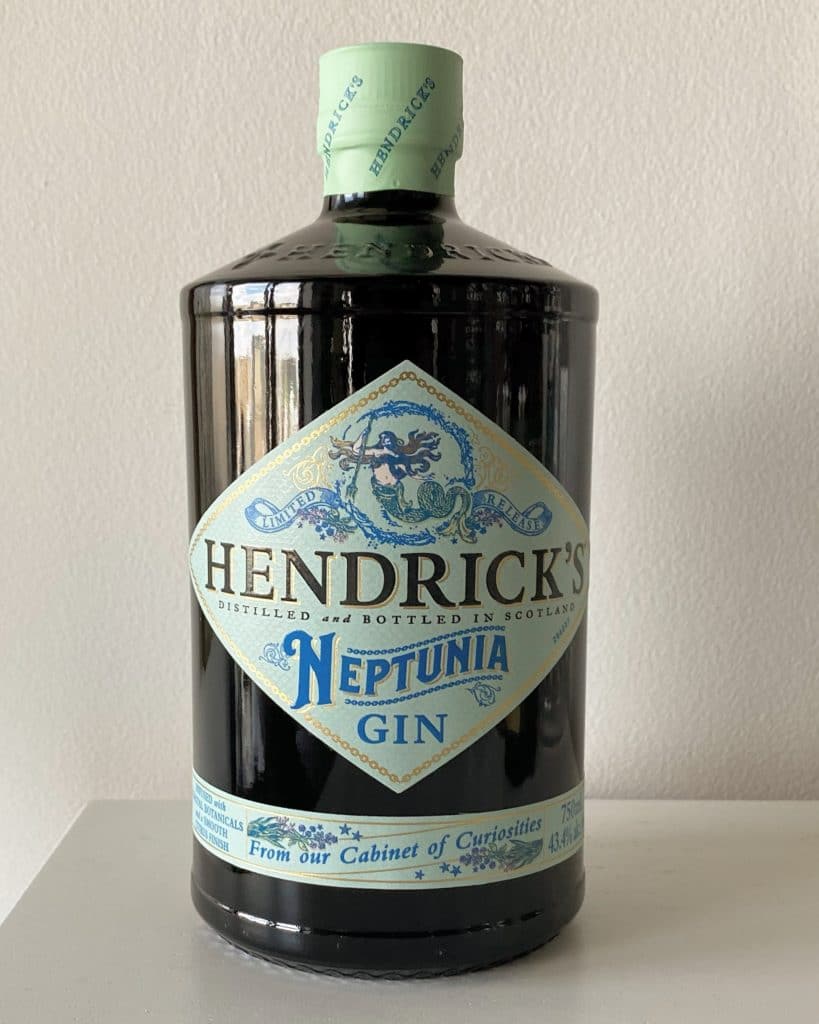
7. Hendrick’s Neptunia (2022)
Neptunia was designed to capture the "magic of the sea," utilizing coastal botanicals sourced from the Ayrshire coast. Unlike the floral-heavy releases, Neptunia leans into a savory and briny profile. It represents Hendrick’s attempt to compete with the rising popularity of Mediterranean-style gins, which emphasize herbal and saline notes.
While Neptunia is technically proficient, it is often cited for a lack of cohesion. The combination of citrus, piney juniper, and savory herbs creates a "cacophonous" experience on the palate. Critics note that the briny finish can be jarring when paired with standard tonics. However, Neptunia found a dedicated following among enthusiasts of savory cocktails, such as the Dirty Martini, where its saline qualities complement the olive brine.
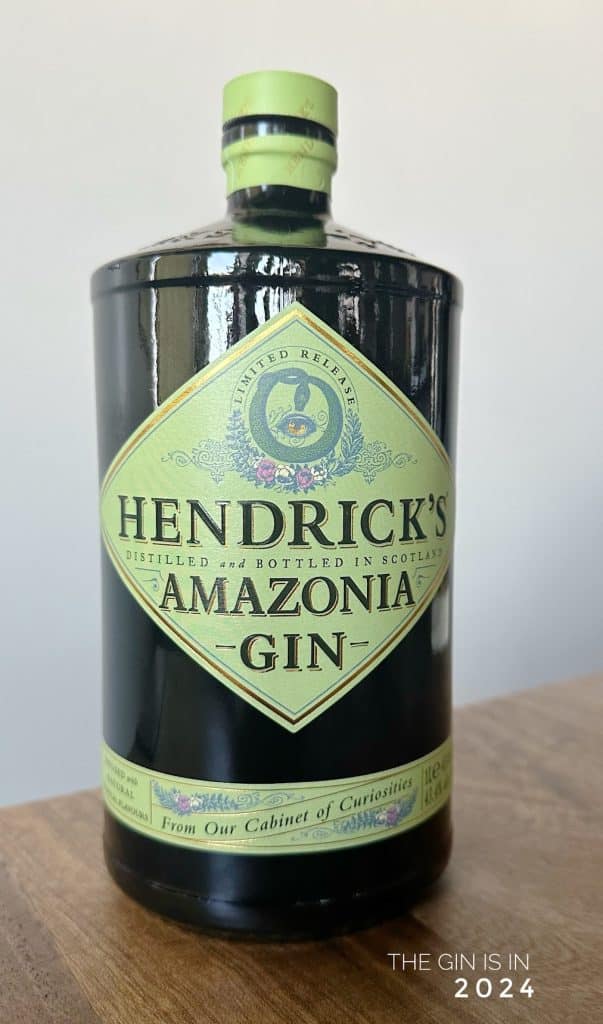
6. Hendrick’s Amazonia
Originally released for the Global Travel Retail market, Amazonia was inspired by Lesley Gracie’s 2013 expedition to the Venezuelan rainforest. The botanical bill includes exotic additions like tonka beans and pink peppercorns. Despite the promising spice elements, the final product is heavily weighted toward tropical fruit notes.
The emphasis on pineapple and passionfruit-like flavors moves Amazonia away from the traditional gin category and closer to a flavored spirit. While pleasant and accessible, it lacks the complexity found in higher-ranked releases. Its fruit-forward nature makes it suitable for Tiki-style drinks, such as a Singapore Sling or a Piña Colada variation, but it loses the "gin character" that many enthusiasts seek in the Hendrick’s brand.
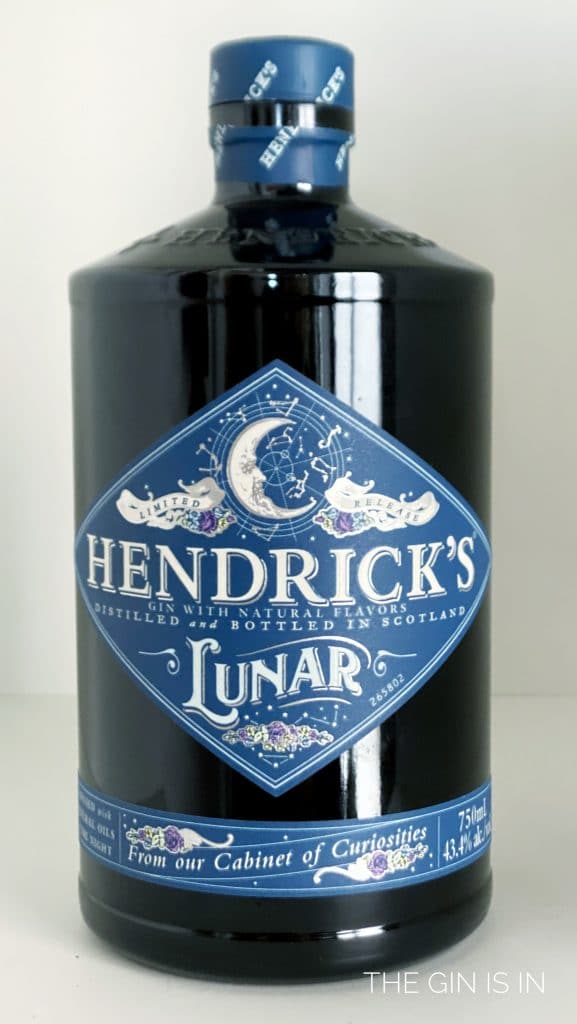
5. Hendrick’s Lunar (2021)
Lunar Gin was conceived as a "warm, sultry" spirit intended for evening consumption. The flavor profile shifts away from the bright citrus of the flagship and toward spice and deep florals. It features notes of jasmine, violet, and a significant kick of black peppercorn on the finish.
Lunar is widely regarded as a versatile and well-balanced expression. It maintains the core Hendrick’s identity while offering a distinct "nocturnal" alternative. It performs exceptionally well in a Ginger Mule or a classic Negroni, where the spice notes can stand up to bold vermouths. It remains a fan favorite for its ability to provide a different drinking experience without straying too far from the brand’s roots.
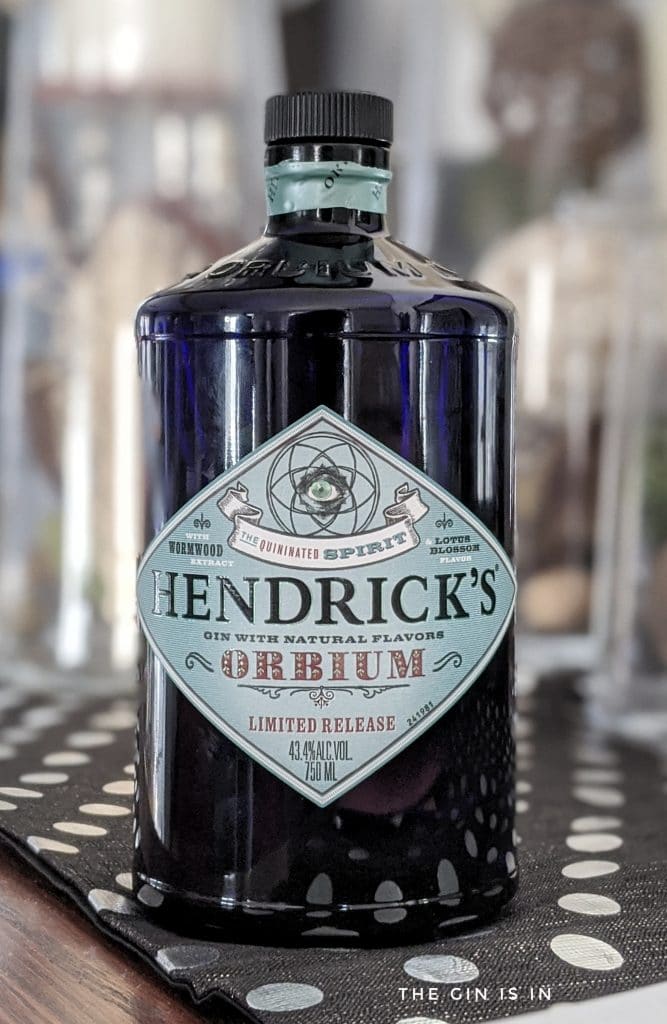
4. Hendrick’s Orbium (2017/2019)
Orbium is perhaps the most "intellectual" of the Cabinet of Curiosities releases. It reimagines what Hendrick’s would taste like if it were "turned inside out." Gracie added quinine, wormwood, and blue lotus blossom to the original formula. The result is a gin that contains the components of a Gin and Tonic (quinine) and a Martini (wormwood/vermouth) within the spirit itself.
Orbium is intentionally bitter and herbal, making it a "polarizing" but highly respected expression. It appeals to the modern palate’s growing affinity for bitter flavors, similar to the rise of Italian amari. In a Gin and Tonic, it creates a "deconstructed" flavor profile that is deeply complex. While not for everyone, it is lauded for its technical innovation.
3. Hendrick’s Grand Cabaret (2024)
The most recent addition to the lineup, Grand Cabaret, draws inspiration from historic 17th-century French recipes involving stone fruits. It emphasizes flavors of apricot, peach, and mirabelle plum. Unlike the tropical fruitiness of Amazonia, Grand Cabaret feels more grounded in European distilling traditions.
The gin is notably sweet and aromatic, with the stone fruit providing a lush, honeyed mouthfeel that complements the juniper. It has been praised for its accessibility and its performance in "spritz" style cocktails. By balancing the sweetness of the fruit with the dry herbal notes of the base gin, Grand Cabaret successfully bridges the gap between traditionalists and those who prefer contemporary, fruit-forward spirits.
2. Hendrick’s Midsummer Solstice (2019)
Midsummer Solstice was the first limited release to achieve widespread commercial acclaim, often credited with proving that the "Cabinet of Curiosities" model was viable. It was a "deeply floral" gin that managed to maintain a crisp, refreshing edge. Notes of raspberry and rose were prominent, but they were backed by a strong juniper backbone.
The success of Midsummer Solstice lay in its timing and its execution. Released during the height of the "pink gin" trend, it offered a more sophisticated, clear-colored alternative that captured the same summery, berry-inflected appeal without the cloying sweetness of its competitors. Although it has since been discontinued to make room for new releases, it remains the gold standard for the brand’s seasonal offerings.
1. Hendrick’s Flagship (1999)
Despite the numerous innovations of the last five years, the original Hendrick’s Gin remains the pinnacle of the product line. Its creation involved a revolutionary approach: blending spirits from two very different stills. The Bennett still, a traditional pot still from 1860, produces a heavy, oily spirit with deep botanical flavors. The Carter-head still, built in 1948, produces a much lighter, more delicate spirit.
The final blend, infused with Bulgarian Rosa Damascena and specially selected cucumbers, created a flavor profile that did not exist in the market in 1999. It was the first gin to successfully market itself through a "signature serve"—the cucumber garnish—which changed how consumers interacted with the spirit. Its balance of citrus, juniper, and floral notes remains unsurpassed in the brand’s portfolio, offering a versatility that allows it to excel in every possible gin cocktail.
Technical Analysis of Production Methods
The consistency of the Hendrick’s line is maintained through the use of the "Gin Palace’s" specialized equipment. The Bennett still functions by boiling the botanicals directly in the neutral spirit, extracting "heavy" notes. Conversely, the Carter-head still uses a copper basket to bathe the botanicals in vapor, extracting "high" notes.
In the Cabinet of Curiosities series, Lesley Gracie often adjusts the ratios of these two spirits or introduces "post-distillation essences." For example, in Midsummer Solstice and Flora Adora, natural floral essences are added after the distillation process to preserve their delicate volatile oils, which would otherwise be destroyed by the heat of the still. This methodology allows for a level of aromatic intensity that traditional London Dry gins cannot achieve.
Market Implications and Brand Strategy
The strategy of releasing limited editions serves a dual purpose for William Grant & Sons. First, it maintains brand "newness" in a crowded marketplace where consumer loyalty is increasingly fleeting. Second, it encourages "collectibility." By making releases like Midsummer Solstice or Neptunia temporary, the brand creates a "Fear Of Missing Out" (FOMO) among gin enthusiasts.
Supporting data from market research firms suggests that the "super-premium" gin category, which Hendrick’s occupies, has remained resilient even as the broader spirits market has seen fluctuations. The "Cabinet of Curiosities" allows the brand to capture a larger share of the "experimental" segment without diluting the prestige of its flagship product.
Broader Impact on the Spirits Industry
The influence of Hendrick’s extends beyond its own sales figures. The brand’s success with non-traditional botanicals (cucumber and rose) opened the door for thousands of "New Western" gins that utilize everything from seaweed to local berries. The "Cabinet of Curiosities" has further pushed this boundary, normalizing the idea of "seasonal" gin in the same way that the craft beer industry utilizes seasonal hops.
Official responses from the distillery emphasize that these releases are "explorations of flavor" rather than mere commercial exercises. Lesley Gracie has frequently stated in industry interviews that her goal is to "capture a feeling or a memory in a bottle." This emotional approach to distilling has helped Hendrick’s maintain a "human" element in an era of industrial-scale production.
As the spirits landscape continues to evolve, the Hendrick’s Cabinet of Curiosities remains a significant barometer for consumer trends. Whether through the briny depths of Neptunia or the sun-drenched stone fruits of Grand Cabaret, the series continues to define the parameters of modern gin, even if the 1999 original remains the undisputed master of the house.
