

Yum Brands is undergoing a significant strategic realignment, evidenced by mixed performance metrics across its portfolio and a major shake-up in the Canadian quick-service landscape. The company, which recently divested its Pizza Hut business in two key deals, is now sharpening its focus on the substantial growth opportunities presented by its three remaining core brands: KFC, Taco Bell, and Habit Burger & Grill. This renewed emphasis comes as KFC reports steady international expansion, albeit with a dip in U.S. systemwide sales, while a potential mega-merger involving MTY Group dominates industry headlines.
KFC’s Global Momentum and U.S. Challenges
In the third quarter, KFC demonstrated robust global expansion, a key driver of its overall performance. The fried chicken giant recorded 1% same-store sales growth worldwide and an impressive 6% surge in system sales. This growth was fueled by the opening of 878 new restaurants across 66 countries, underscoring KFC’s international appeal and strategic push into emerging markets. This expansion is a critical component of Yum Brands’ strategy to leverage its global footprint and capitalize on diverse consumer preferences worldwide.
However, the U.S. market presented a different picture for KFC. Systemwide sales in the United States declined by 6%. While the company has ceased breaking out same-store sales data for the U.S. market, it acknowledges that this segment now represents less than 5% of the division’s operating profit. This decline in domestic sales, coupled with the broader market dynamics, suggests a need for recalibration within its U.S. operations. Industry analysts note that a decline in a mature market like the U.S. can be offset by aggressive international growth, but sustained domestic performance is crucial for overall brand health and investor confidence.
Habit Burger & Grill’s Unit-Driven Growth
Habit Burger & Grill, another key brand within Yum Brands’ portfolio, experienced 3% system sales growth during the same period. This expansion was primarily driven by unit growth, indicating a successful strategy of expanding the restaurant footprint. However, same-store sales for Habit Burger & Grill remained flat, suggesting that while new locations are contributing to overall sales, existing restaurants are not seeing an increase in customer traffic or spending per visit. This trend highlights the importance of balancing new unit development with strategies to enhance same-store sales, such as menu innovation, improved customer experience, and effective marketing campaigns.
Yum Brands’ Post-Pizza Hut Strategy
The recent earnings call marked a significant milestone for Yum Brands, being its first since completing the divestiture of its Pizza Hut business. The sale of Pizza Hut occurred in two distinct transactions: one with Yum China, which operates Pizza Hut in mainland China, and another with LongRange Capital, which acquired Pizza Hut’s U.S. domestic operations. This strategic move signals Yum Brands’ commitment to streamlining its operations and concentrating resources on its most promising growth engines. Executives have articulated a clear vision: to exploit the "massive" white space available for its three remaining brands. This strategic pivot allows Yum Brands to allocate capital and management attention more effectively, aiming to accelerate growth and market share in KFC, Taco Bell, and Habit Burger & Grill.
MTY Group Faces Aggressive Acquisition Bid
In a development that has sent ripples through the quick-service industry, Canadian multi-brand franchisor Foodtastic has launched a substantial $702 million bid to acquire its compatriot, MTY Group. Foodtastic, which operates and franchises a diverse array of brands including Freshii, Pita Pit, and Dunkin’, has indicated that this is its third attempt to acquire MTY, with previous bids having been rejected by MTY’s board. Undeterred, Foodtastic has now taken its offer directly to MTY shareholders through a public letter, asserting that MTY Group has accumulated an excessive number of brands, leading to operational indiscipline.
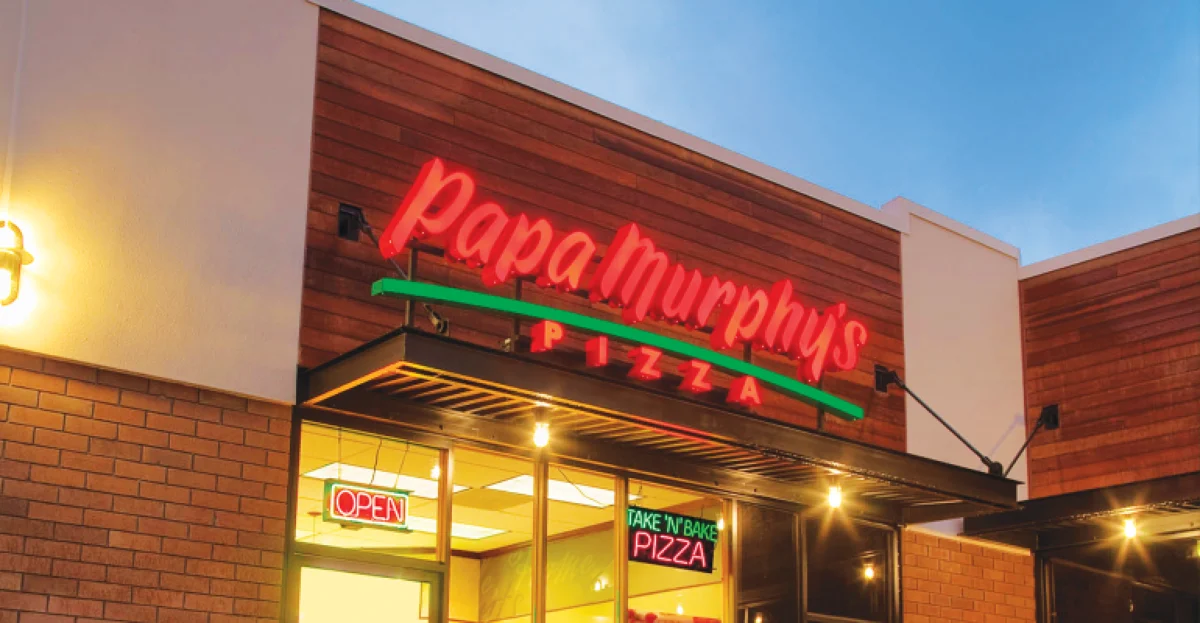
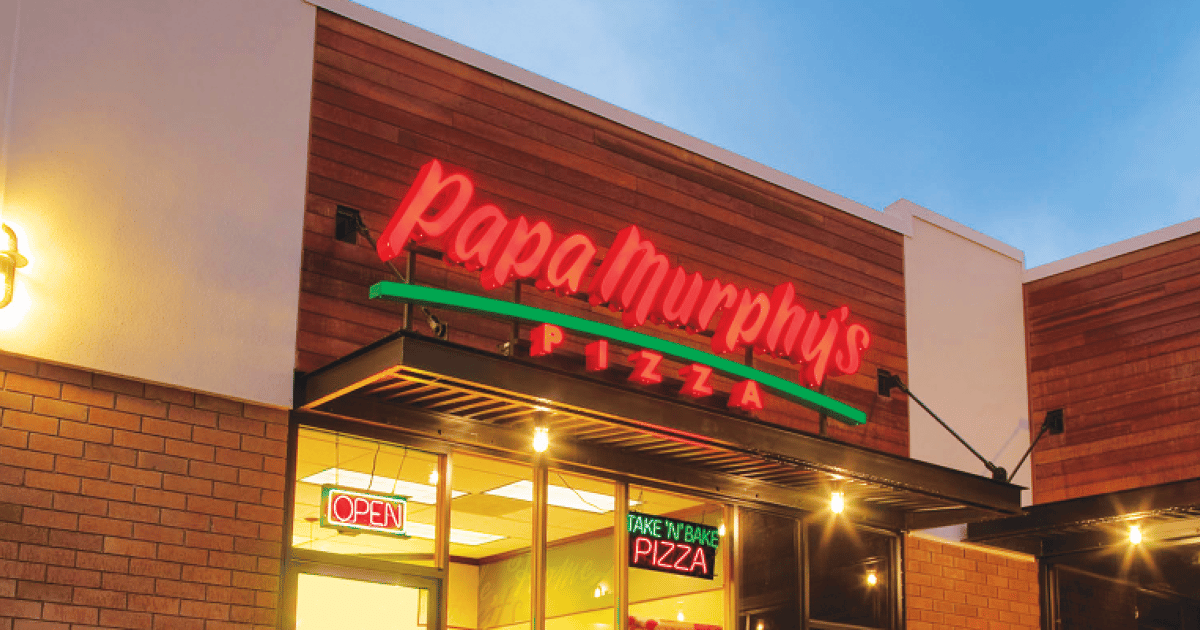
MTY Group is a formidable player in the restaurant franchising space, operating and franchising approximately 80 brands across 40 countries. Its extensive U.S. portfolio includes well-known names such as Papa Murphy’s, Wetzel’s Pretzels, and Pinkberry. The sheer breadth of MTY’s brand portfolio has been a subject of discussion within the industry, with some analysts questioning the synergistic benefits and operational efficiency of such a diverse collection.
MTY Group’s Internal Turmoil and Strategic Review
This aggressive acquisition bid comes at a critical juncture for MTY Group. Last year, the company initiated a strategic review that explicitly included the possibility of a sale. Earlier this year, MTY’s former CEO, Eric Lefebvre, publicly stated that the company was considering divesting some of its underperforming brands. This suggests a recognition within MTY’s leadership of potential challenges in managing its vast brand portfolio.
However, in a significant turn of events coinciding with Foodtastic’s public bid, MTY announced on Tuesday that Lefebvre was stepping down as CEO, effective immediately. He has been succeeded by board member Victor Mandel. This abrupt leadership change, occurring amidst a major acquisition attempt, raises questions about the internal dynamics at MTY Group and its response to the unsolicited offer. The timing of Lefebvre’s departure could be interpreted in several ways: as a strategic move to present a unified front to shareholders in the face of the bid, or as a consequence of internal disagreements regarding the company’s direction and the acquisition offer.

7 Brew’s Menu Expansion and Competitive Landscape
Meanwhile, 7 Brew, a rapidly expanding beverage-focused chain, has ventured into food offerings for the first time. The company has introduced five new bakery treats, including Blondie Bars, Brunette Mocha Brownie Bars, and Banana Bread Mocha Chip Loaf, all designed to complement its signature beverages. Additionally, Chocolate Chunk Cookie Bars and a Blueberry Streusel Loaf have been added to the menu, with each item priced at $3. According to Chief Marketing Officer Nick Chavez, this expansion into food is a direct response to customer requests for snacks.
This strategic move by 7 Brew places it in direct competition with other beverage-centric chains that are also enhancing their food menus. Notably, drive-thru beverage rival Dutch Bros has been steadily expanding its food offerings, and Starbucks, a long-standing giant in the coffee and bakery space, continues to invest in and upgrade its food and bakery selection. The entry of 7 Brew into this segment signals a broader trend of diversification within the beverage-driven fast-casual market, as companies seek to capture more of the customer’s spending by offering a more complete dining experience.
Broader Industry Implications and Future Outlook
The developments at Yum Brands and the potential MTY Group acquisition highlight several key trends shaping the quick-service restaurant industry. Yum Brands’ strategic divestiture and focus on core brands underscore the industry’s ongoing consolidation and the drive for operational efficiency and targeted growth. The success of KFC’s international expansion, juxtaposed with its U.S. challenges, points to the varying market dynamics and the need for tailored strategies in different regions.
The Foodtastic bid for MTY Group, if successful, would represent a significant consolidation of Canadian quick-service brands, potentially creating a powerhouse with an even more diversified portfolio. The ensuing operational integration and strategic direction of such a combined entity would be closely watched by industry observers. The abrupt CEO change at MTY Group adds a layer of intrigue and uncertainty to the acquisition process.
The expansion of 7 Brew into food reflects a competitive response to evolving consumer expectations and the strategies of major players like Dutch Bros and Starbucks. As the quick-service landscape becomes increasingly competitive, brands are seeking innovative ways to differentiate themselves and capture market share, whether through menu diversification, enhanced customer experiences, or strategic acquisitions. The coming quarters will likely reveal the long-term impact of these strategic maneuvers and their influence on the broader restaurant industry.
