

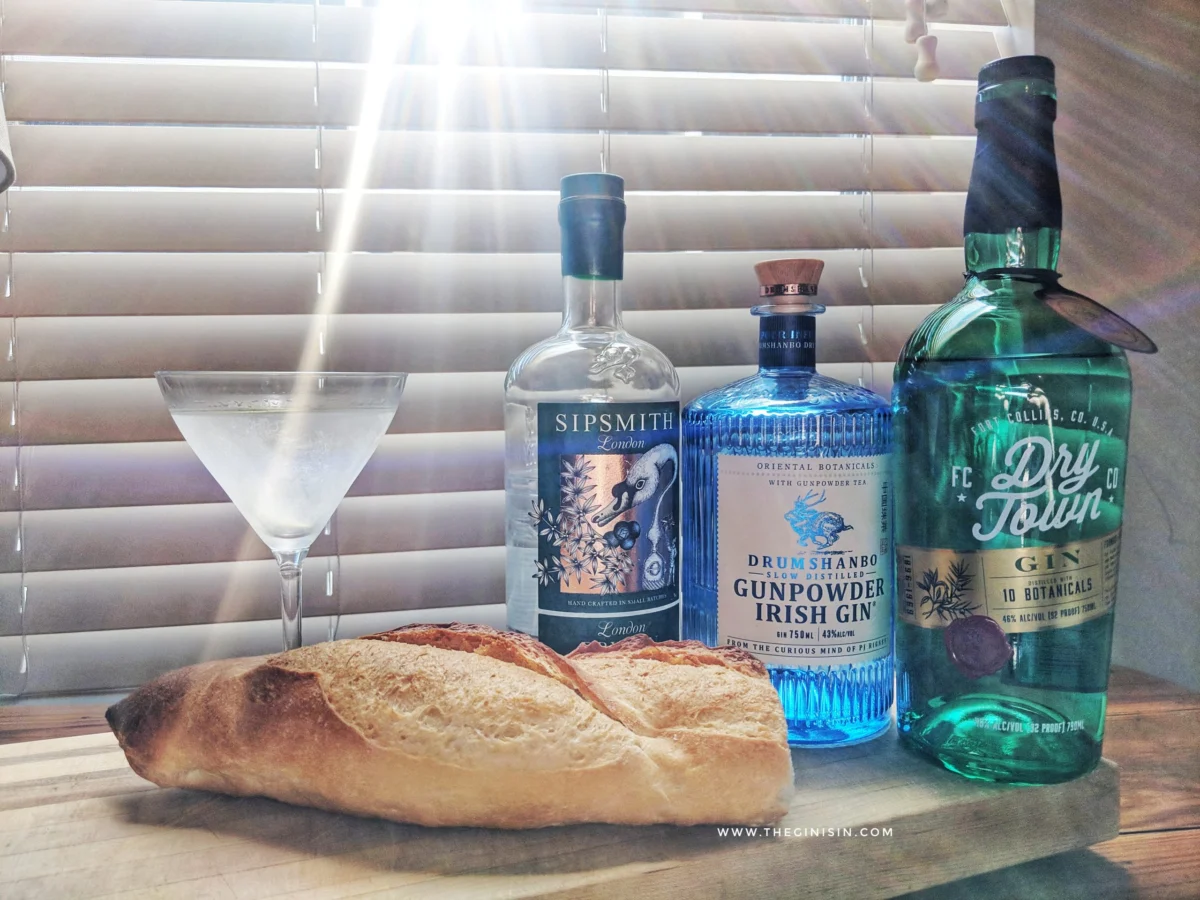
The intersection of dietary restrictions and the consumption of distilled spirits has long been a subject of significant confusion for consumers, particularly those diagnosed with celiac disease or non-celiac gluten sensitivity. Central to this discourse is gin, a spirit traditionally distilled from grain bases such as wheat, barley, or rye. Despite the botanical and grain-heavy origins of the spirit, scientific consensus and regulatory bodies maintain a firm stance: pure, distilled gin is gluten-free. This conclusion is rooted in the fundamental chemistry of the distillation process, which serves as a molecular barrier, preventing the transfer of gluten proteins from the base mash to the final bottled product. As the global gluten-free market continues to expand—projected to reach significant valuations by the end of the decade—understanding the mechanics of spirit production is essential for consumer safety and informed choice.
The Scientific Foundation of Gluten-Free Distillation
To understand why gin is safe for gluten-sensitive individuals, one must examine the molecular structure of gluten versus the physical process of distillation. Gluten is a complex of proteins, specifically gliadin and glutenin, found in the endosperm of cereal grains. These proteins are characterized by their high molecular weight and lack of volatility. In a laboratory setting, proteins do not vaporize at the temperatures required to distill ethanol.
The distillation process relies on the differing boiling points of substances within a fermented liquid, known as the "wash" or "mash." Ethanol has a boiling point of approximately 173.1°F (78.37°C), while water boils at 212°F (100°C). During production, the wash is heated in a still. The ethanol and volatile aromatic compounds evaporate, traveling through the still’s neck and into a condenser. Gluten proteins, however, have no boiling point in this context; they are heavy, non-volatile organic solids. Consequently, they remain in the boiling vessel (the "pot") along with other non-volatile remnants like minerals and unfermented sugars. When the vapor is cooled back into a liquid state in the condenser, the resulting distillate is chemically distinct from the original mash, containing only the alcohol, water, and volatile botanical oils that define gin’s flavor profile.
Regulatory Evolution and Labeling Standards
The legal landscape regarding gluten-free labeling on alcohol has undergone significant transformation over the last decade. In the United States, the Alcohol and Tobacco Tax and Trade Bureau (TTB) oversees the labeling of distilled spirits. Historically, the TTB followed a conservative path, mirroring the Food and Drug Administration’s (FDA) hesitation to allow "gluten-free" claims on products derived from gluten-containing grains, regardless of the distillation process.
However, in 2020, the TTB issued Ruling 2020-2, which updated its policy to align with modern scientific understanding. This ruling permits distilled spirits made from gluten-containing grains to be labeled as "gluten-free," provided that the distillation process removed all gluten and that the producer follows Good Manufacturing Practices (GMP) to prevent cross-contact with gluten-containing materials after distillation. This was a landmark shift for the industry, as it validated the scientific reality that the distillation process is a reliable method of purification.
Before this ruling, many producers were forced to use vague terminology such as "processed to remove gluten" or "crafted to remove gluten," phrases that often caused more anxiety than clarity for celiac patients. The current standard provides a higher degree of consumer confidence, backed by both the TTB and the FDA’s gluten-free threshold of less than 20 parts per million (ppm).
Chronology of Gin Production and Gluten Elimination
The journey from a gluten-containing grain to a gluten-free spirit follows a rigorous chronological path in the distillery:
- Mashing and Fermentation: Raw grains (wheat, barley, or rye) are milled and mixed with water to create a mash. Enzymes are added to convert grain starches into fermentable sugars. Yeast is then introduced, consuming the sugars and producing ethanol and carbon dioxide. At this stage, the liquid is highly concentrated with gluten.
- Primary Distillation: The fermented wash is heated in a wash still. The alcohol vapors rise, leaving the heavy grain proteins behind. This "low wine" is the first step in purification.
- Secondary Distillation and Rectification: For gin, the spirit usually undergoes a second or even third distillation to reach a high level of purity. This often takes place in a column still or a pot still, where the spirit is further stripped of impurities.
- Botanical Infusion: This is the defining stage for gin. The neutral spirit is redistilled with juniper berries and other botanicals (such as coriander, angelica root, and citrus peel). These botanicals are gluten-free organic matters.
- Final Condensation: The botanical-infused vapors are condensed into a clear liquid. The resulting spirit is tested for proof and purity before being diluted with demineralized water for bottling.
Throughout this timeline, the "heads" and "tails" (the beginning and end of the distillation run) are typically discarded or recycled, ensuring that only the "heart"—the purest part of the distillate—reaches the consumer.
Official Responses from Health Organizations
Leading health authorities have been consistent in their assessment of distilled spirits. The Celiac Disease Foundation (CDF) explicitly states that distilled spirits do not contain harmful gluten peptides. According to the CDF, the distillation process is so effective at sequestering proteins that even spirits derived from the most gluten-heavy grains are safe for those with celiac disease.
Similarly, Beyond Celiac, another prominent advocacy group, notes that the "pure, distilled spirits" category, which includes gin, vodka, and whiskey, is inherently gluten-free. They do, however, caution consumers to be vigilant regarding "hidden" gluten that may be introduced after the distillation process is complete. This consensus among medical and advocacy groups serves to counter the pervasive misinformation often found on social media and unverified health blogs.
Addressing Symptomology and the "Alcohol Irritant" Factor
A common point of contention among consumers is the physical discomfort some experience after consuming gin. Many attribute bloating, abdominal pain, or headaches to "gluten contamination." However, medical professionals point toward alternative explanations. Alcohol itself is a known gastrointestinal irritant. Ethanol can increase gut permeability and stimulate the production of gastric acid, leading to symptoms that mimic a gluten reaction, such as bloating and "brain fog."
Furthermore, some individuals may have sensitivities to specific botanicals used in gin production. Juniper, while not containing gluten, can be a diuretic and may cause reactions in sensitive individuals. There is also the "nocebo effect," where the expectation of a negative reaction to a grain-based product triggers psychosomatic symptoms. For those who remain concerned, the market has responded with gins distilled from non-grain bases, such as grapes (e.g., G’Vine), potatoes (e.g., Chase Gin), or honey (e.g., Barr Hill).
Identifying Potential Risks: Cross-Contamination and Additives
While the distillation process itself is a safeguard, the final product’s safety depends on the integrity of the post-distillation environment. There are two primary areas where gluten could theoretically re-enter the equation:
- Post-Distillation Flavorings: Some lower-quality gins or "flavored" gin liqueurs may add syrups, colors, or flavoring agents after distillation. If these additives contain barley malt or other gluten-derived stabilizers, the spirit is no longer gluten-free.
- Shared Facilities: In rare instances, craft distilleries that also produce non-distilled products (like beer) in the same space may face risks of cross-contact. However, most modern distilleries maintain strict hygiene protocols to prevent airborne grain dust from contaminating the finishing tanks or bottling lines.
Broader Market Impact and Industry Implications
The clarification of gin’s gluten-free status has had a measurable impact on the spirits industry. As the "wellness" trend permeates the beverage sector, producers are increasingly highlighting their distillation credentials. The rise of "New Western" style gins, which emphasize floral and citrus notes over traditional juniper, has attracted a younger, more health-conscious demographic that often prioritizes gluten-free labels.
From an economic perspective, the ability to label gin as gluten-free allows brands to tap into a market segment that is willing to pay a premium for certified safe products. It also reduces the barrier to entry for celiac consumers who might have previously avoided spirits entirely in favor of cider or wine.
Conclusion: A Scientific Verdict
The evidence regarding gluten in gin is unequivocal: the distillation process functions as a natural purification system that removes gluten proteins. Supported by the TTB’s updated labeling rulings and the endorsements of major celiac health organizations, gin remains a safe choice for those on a gluten-free diet. While individual sensitivities to alcohol or specific botanicals may cause discomfort for some, these issues are distinct from the autoimmune response triggered by gluten. For the consumer, the key to safety lies in choosing high-quality, pure distilled gins and remaining cautious of post-distillation additives in flavored varieties. As the industry continues to evolve, the synthesis of traditional distilling techniques and modern health standards ensures that gin remains a staple of the gluten-free lifestyle.
