

The complex interplay between long-term physical disability, the psychological phenomenon of "living grief," and the unexpected restoration of personal history has come to the forefront following a series of events involving Jodi Ettenberg, a former attorney and founder of the travel platform Legal Nomads. After nearly fifteen years of mourning the loss of her digital archives due to a 2010 burglary, Ettenberg recently reported the recovery of her data through the altruistic efforts of a stranger. This development coincides with her ongoing advocacy for patients suffering from Spontaneous Intracranial Hypotension (SIH) caused by spinal cerebrospinal fluid (CSF) leaks, a condition that has fundamentally altered her life and career.
A Chronology of Trauma and Transformation
The narrative of Ettenberg’s current state is rooted in a series of disparate events spanning four decades. In the 1980s, a formative childhood accident occurred when a peer intentionally caused her to fall from a high-altitude playground structure onto cement. The resulting injuries—including a fractured rib and long-term back pain—laid a foundation of physical vulnerability. Despite these issues, Ettenberg transitioned from a career in law in 2008 to world travel, establishing a tradition of climbing mountains to celebrate her birthday, a practice she maintained until 2017.
The trajectory of her life shifted permanently on August 22, 2017. Following a lumbar puncture intended for medical diagnostic purposes, Ettenberg sustained a spinal CSF leak. This condition occurs when a hole or tear in the dura mater—the tough outer membrane of the spinal cord—allows fluid to escape, causing the brain to sag inside the skull. The primary symptom is a debilitating "positional headache," which is relieved only by lying flat. For Ettenberg, this resulted in a transition from global mobility to being largely bedridden.
Concurrent with the onset of her illness, Ettenberg was the victim of a second burglary in Brooklyn. The timing was remarkably precise; while she was undergoing the medical procedure that would disable her, a thief was recorded stealing her electronics and personal belongings. This mirrored a previous 2010 incident in Brooklyn where a burglar made off with her laptop and all backup hard drives, effectively erasing the photographic record of her first two years of global travel and family history.
The Science and Impact of Spinal CSF Leaks
Spinal CSF leaks are frequently misdiagnosed, often mistaken for migraines or psychological distress. According to the Spinal CSF Leak Foundation, the condition affects approximately 5 in 100,000 people annually, though many experts believe it is underreported. The symptoms are not limited to headaches but can include vestibular issues, cognitive dysfunction ("brain fog"), and nerve pain.
For Ettenberg, the leak was compounded by pre-existing genetic factors that hindered her body’s ability to heal. While a brief period of "sealing" in 2018 allowed her to climb Mount Royal in Montreal, the holes in her dura have remained largely unfixable by current medical standards. This chronic state of illness has forced a re-evaluation of her identity, moving from a high-functioning professional and traveler to a patient advocate.

Understanding the Concept of Living Grief
A significant portion of Ettenberg’s recent work focuses on the psychological toll of chronic illness, specifically through the lens of "living grief." Unlike bereavement—the grief associated with the finality of death—living grief (also known as chronic sorrow or ambiguous loss) involves the ongoing mourning of a life or function that is still present but fundamentally changed.
Ettenberg references the work of Pauline Boss, who in 1999 coined the term "ambiguous loss" to describe situations where a person is physically present but psychologically absent (such as in dementia) or physically absent but psychologically present (such as a missing person). In the context of chronic illness, the patient grieves for their own former self.
Key characteristics of living grief identified in clinical literature include:

- Lack of Finality: There is no funeral or ritual to mark the loss of mobility or career.
- Social Isolation: Friends and family may "ghost" the patient when the illness does not follow a linear path toward recovery.
- The Expectation of "Fighting": Society often places the burden of recovery on the patient, suggesting that "positive thinking" or "fighting harder" can overcome physiological damage.
Ettenberg notes that while anger is accepted as a stage of bereavement, it is often viewed as "unresolved" or "inappropriate" in those with chronic illness. She argues that processing this rage is essential for finding a new, albeit limited, sense of meaning.
The Serendipitous Recovery of Digital Archives
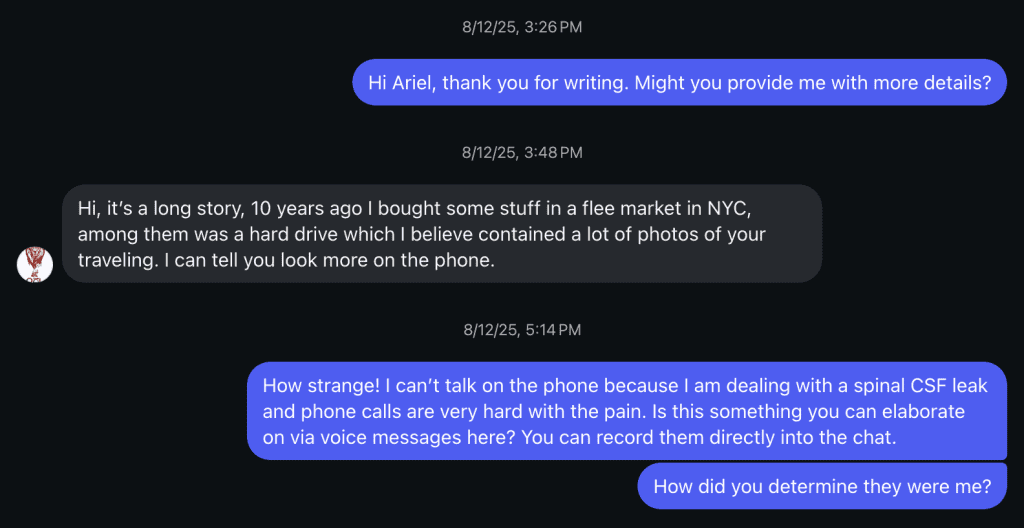
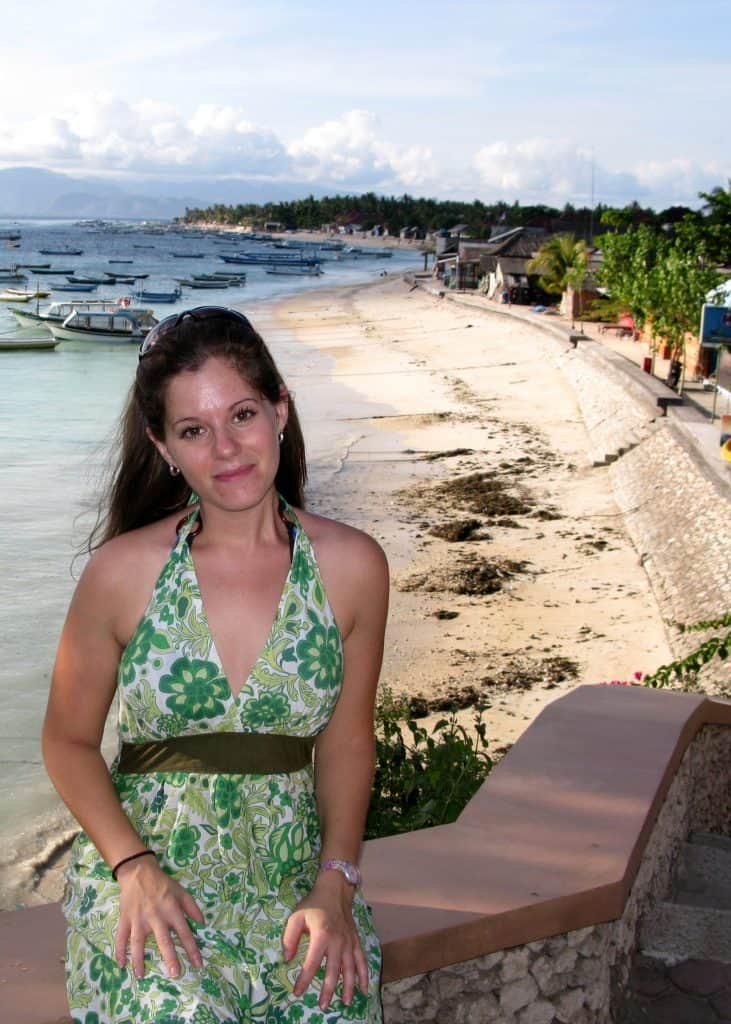
In August 2023, as Ettenberg navigated the "leakaversary" of her 2017 injury and the recent death of her stepmother, she was contacted via social media by an individual named Ariel. Ariel, a filmmaker based in New York City, revealed that he had purchased several used external hard drives at a Brooklyn flea market over a decade prior.

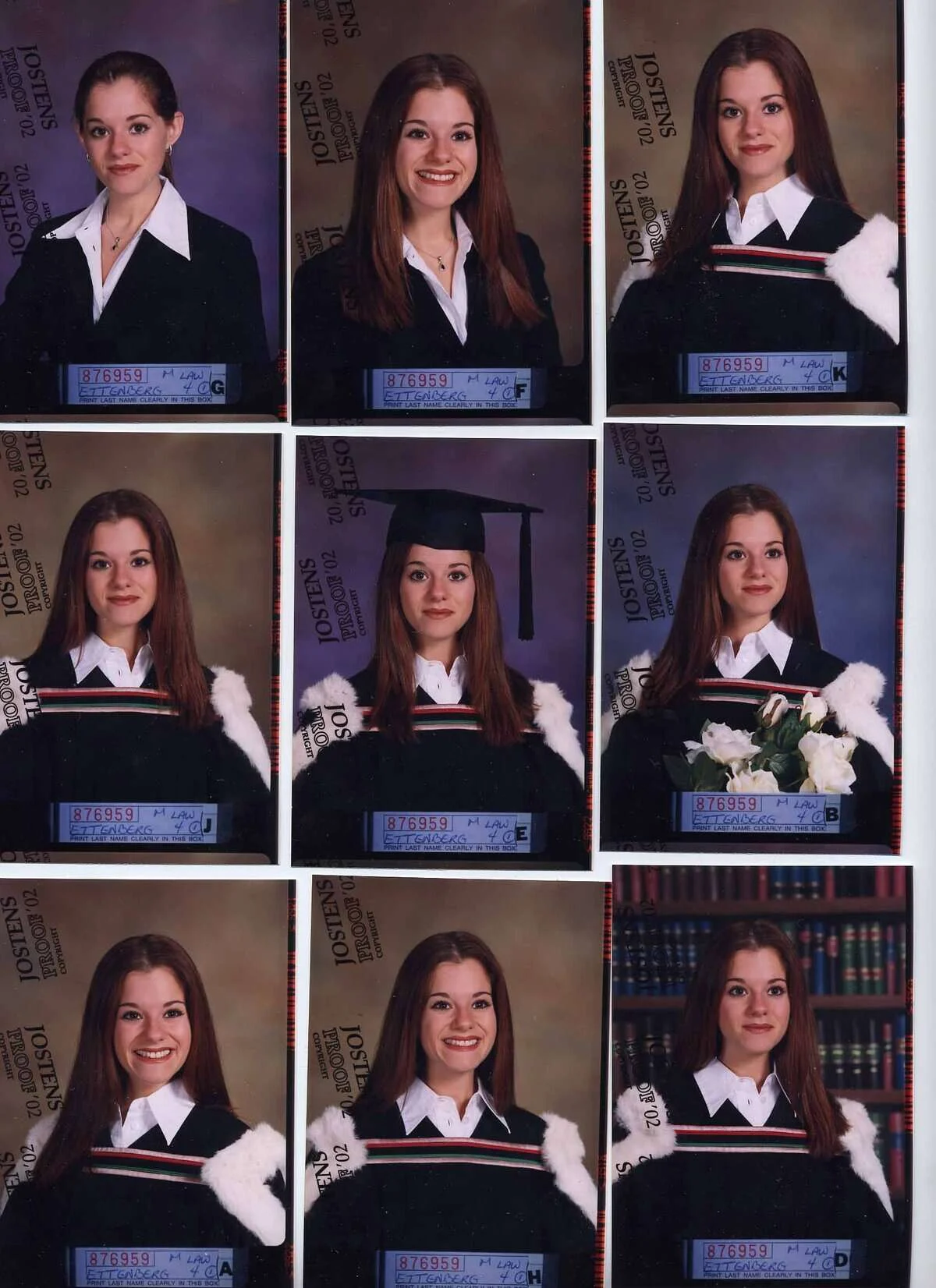
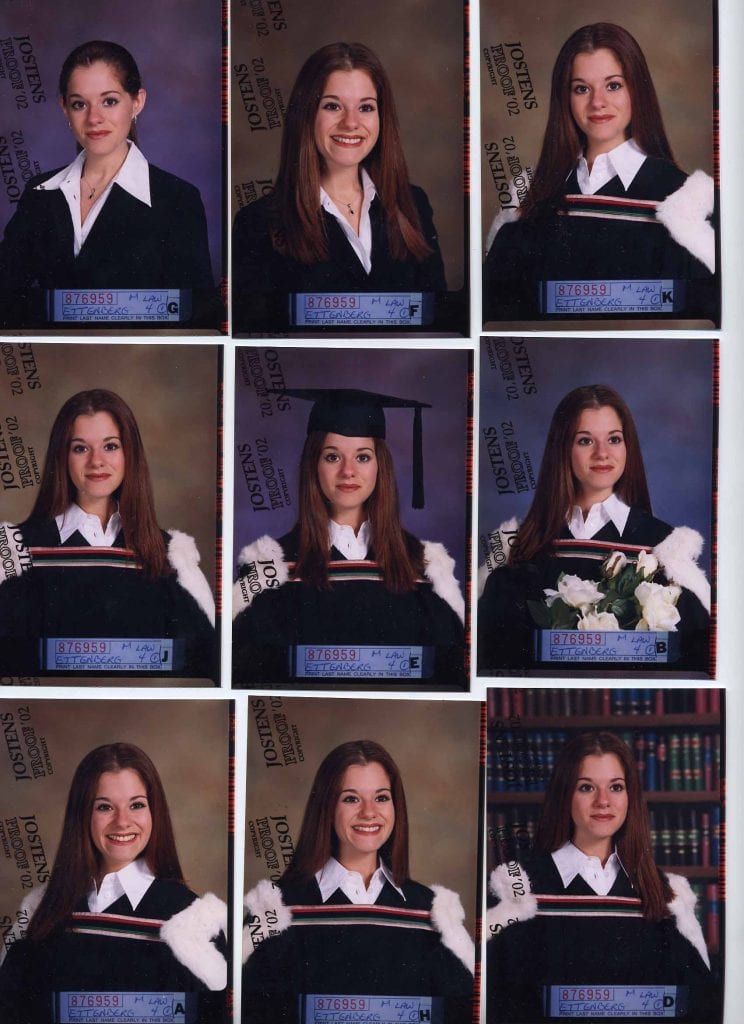
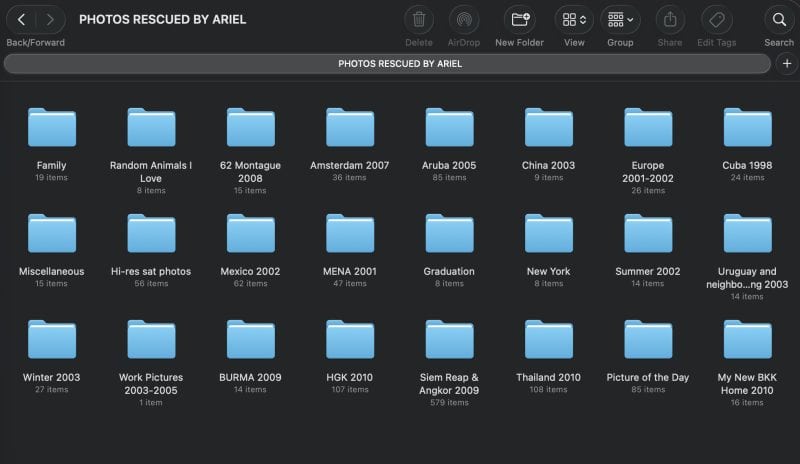
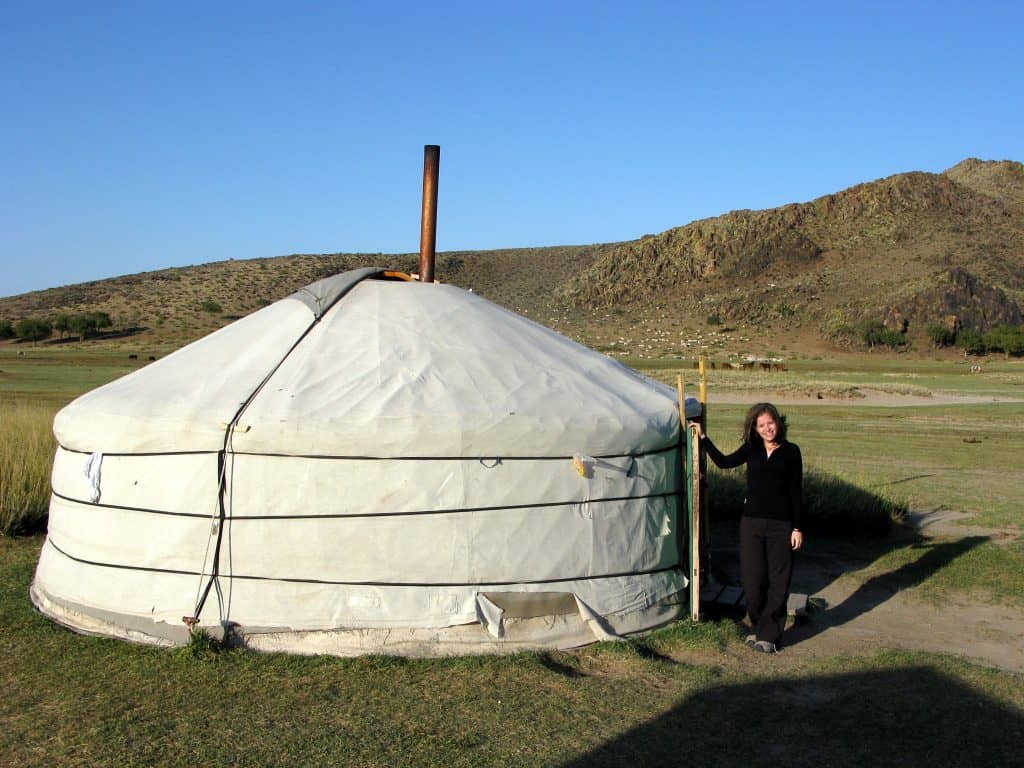
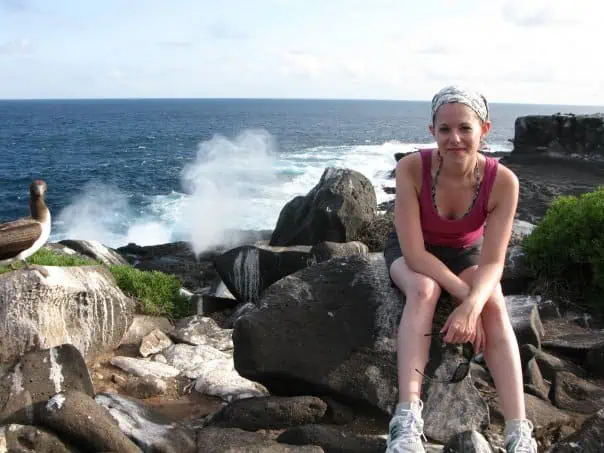
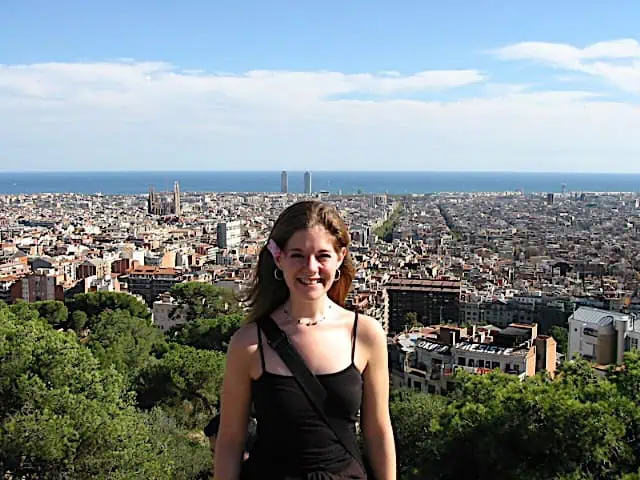
Upon attempting to reformat the drives for his own use, Ariel discovered folders of personal photographs. Recognizing that the images represented significant life events for a stranger—including graduation photos from McGill University and travel photos from Mongolia, Ecuador, and Southeast Asia—he chose to back up the data before reformatting the hardware.
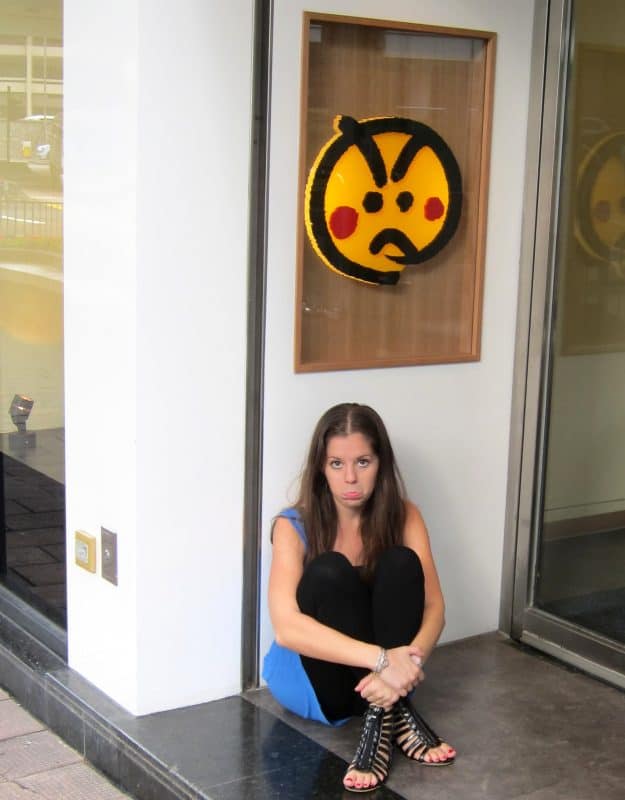
The recovery process followed a decade of dormancy:
- 2010-2012: Ariel acquires the stolen drives at a flea market and saves the data.
- 2012-2022: The data remains on Ariel’s personal servers as he moves locations and navigates his own life challenges.
- August 2023: Ariel rediscovers the folders and uses the name found on graduation proofs to locate Ettenberg on Instagram.
- Verification: Ettenberg verifies her identity, and Ariel provides a digital link to the recovered files.
The recovered data included photos from Ettenberg’s 2001-2002 residency in France, her 2008-2010 global travels, and irreplaceable family photos. This event follows a previous instance of serendipity in which a Brooklyn homeowner found Ettenberg’s stolen backpack in a chimney four years after the 2017 burglary and returned it.
Broader Implications and Societal Analysis
The story of Ettenberg’s recovered memories serves as a case study in both digital ethics and the sociological treatment of the disabled. In an era where data is often considered disposable or a commodity, Ariel’s decision to preserve and eventually seek out the owner of the data represents a rare act of "digital altruism."
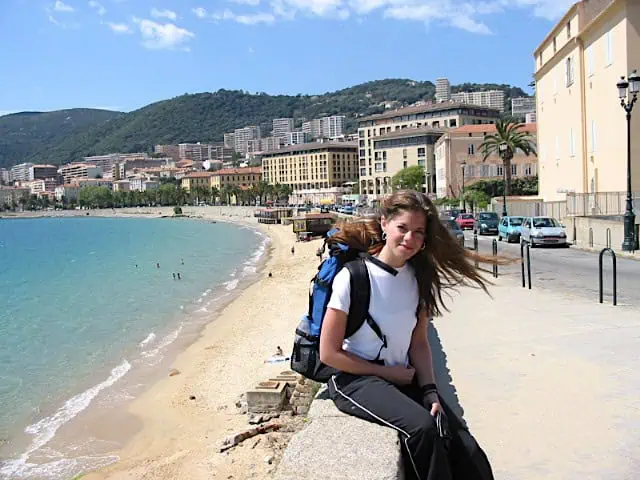
Furthermore, the narrative highlights the "othering" of the chronically ill. Ettenberg points out that the world is primarily designed for the able-bodied, and the discourse surrounding illness often focuses on "performance" or "faking it" when a patient’s capacity fluctuates. The return of her travel photos has allowed her to reconcile her past identity as a "nomad" with her current reality, a process she describes as holding "grief and joy in one hand."

Chronology of Key Events
- 1980s: Playground accident results in long-term spinal vulnerability.
- 2008: Ettenberg resigns from her legal career to travel and start Legal Nomads.
- 2010: Burglary in Brooklyn results in the loss of all primary and backup photo drives.
- August 2017: A lumbar puncture causes a debilitating spinal CSF leak; second burglary occurs simultaneously.
- 2018: Brief medical improvement allows for a final mountain climb.
- April 2024: Death of Ettenberg’s stepmother, Deborah.
- August 2024: Ettenberg turns 47, marking nearly seven years of living with a CSF leak, now reunited with her lost digital history.
Conclusion: The Role of Memory in Chronic Illness
For individuals living with life-altering disabilities, personal archives serve as more than just nostalgia; they are a tether to a version of the self that existed before the trauma. The recovery of Ettenberg’s photos does not cure her physical condition, but it addresses a portion of the "ambiguous loss" she has suffered.
As medicine continues to seek better diagnostic and treatment protocols for SIH and CSF leaks, the human element—the need for community support, the recognition of living grief, and the preservation of personal history—remains a critical component of the patient experience. Ettenberg’s case underscores the fact that while physical mobility can be taken away in an instant, the restoration of one’s narrative can provide a necessary foundation for enduring the challenges of a "leaky" life.
