

The Finnish "Long Drink," known natively as lonkero, has transitioned from a temporary solution for a mid-century sporting event into a cornerstone of Finnish beverage culture and a growing contender in the international ready-to-drink (RTD) market. Characterized by a refreshing blend of gin and grapefruit soda, the beverage is a ubiquitous presence in Finnish liquor stores, restaurants, and saunas. While its origins are deeply rooted in the logistical necessities of the 1952 Summer Olympics in Helsinki, the drink has recently experienced a significant global expansion, reaching markets across Europe and Asia and inspiring a dedicated following in regions where it has yet to be officially distributed.
Historical Foundations and the 1952 Helsinki Olympics
The genesis of the Finnish Long Drink is inextricably linked to the 1952 Summer Olympics. Following the hardships of World War II, Finland sought to present itself as a modern, efficient, and welcoming nation to the international community. However, the hospitality industry faced a significant challenge: the expected influx of thousands of international visitors threatened to overwhelm the capabilities of local bartenders. At the time, the Finnish alcohol trade was strictly regulated by the state monopoly, Alko.
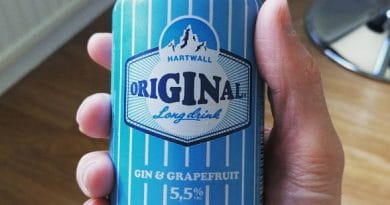
To streamline service and ensure that guests could be served quickly, the Finnish government commissioned the beverage company Hartwall to create a pre-mixed, bottled cocktail. The result was the "Original Long Drink," a combination of gin and grapefruit soda. Initially, the drink was intended to be a seasonal product, specifically designed to ease the burden on bars and restaurants during the Olympic rush.
The 1952 Games are also historically significant for being the first Summer Olympics since 1912 to exclude art competitions from the medal standings. Previously, medals were awarded for literature, music, painting, and architecture. This shift meant that local Finnish talents, such as Aale Tynni—who won gold in literature at the 1948 London Games for her work Laurel of Hellas—were unable to defend their titles on home soil. Despite the absence of artistic medals, the Long Drink emerged as a cultural winner, capturing the palates of both locals and tourists. Although the product was nearly discontinued in the 1970s as part of a shift in production priorities, public demand and a strong sense of national nostalgia led to its permanent reinstatement in the Finnish market.
Composition and Flavor Profile
The traditional Finnish Long Drink typically maintains an alcohol by volume (ABV) of between 5.5% and 8.0%. While various iterations exist, the "Original" profile is defined by a crisp, citrus-forward palate that balances the botanical notes of gin with the acidity of white grapefruit.
Technical analysis of the Hartwall Original Long Drink reveals a sophisticated balance of ingredients. On the nose, the beverage presents clear notes of white grapefruit flesh. Unlike many contemporary RTD cocktails that rely heavily on sugar, the Finnish Long Drink is noted for being less sweet than expected. The palate experience begins with acidic grapefruit, followed by prominent gin notes—specifically juniper—mid-palate. The finish is characterized by a gentle dryness and a lack of lingering bitterness, drawing comparisons to a high-quality Gin and Tonic but with a more pronounced fruit depth.
In contrast, other market entries, such as the Laitilan Gini Long Drink, offer a different interpretation. Laitilan’s version often features notes of ruby red grapefruit and a scent profile reminiscent of American grapefruit sodas like Squirt. However, industry critics have noted that some competitors struggle to balance the juniper clarity against the overwhelming citrus, often resulting in a beverage that leans more toward soda than a balanced gin cocktail.
A Chronology of Expansion and Market Growth
The international trajectory of the Finnish Long Drink has accelerated significantly over the last decade. For years, the beverage remained a domestic secret, a "souvenir" flavor that travelers would remember but could not find abroad. The following timeline outlines the key milestones in its global journey:
- 1952: Hartwall launches the Long Drink for the Helsinki Summer Olympics.
- 1970s: Production is briefly halted before being revived due to overwhelming consumer demand.
- 1995: Finland joins the European Union, leading to the end of the Alko monopoly on production and opening the door for competitors like Laitilan.
- 2015: Hartwall enters formal agreements to export the Original Long Drink to the Netherlands, Sweden, and Belgium, marking its first major push into the Western European market.
- 2016: Expansion continues into Asian markets, with Japan becoming a key target for the refreshing, low-ABV profile of the drink.
- 2017–Present: The "Long Drink" category begins to gain traction in North America, with both Finnish imports and American-made "Finnish-style" brands entering the market.
The Rise of the Ready-to-Drink (RTD) Sector
The success of the Long Drink outside of Finland is partly due to the explosive growth of the global RTD category. Industry data suggests that consumers are increasingly moving away from malt-based beverages in favor of spirit-based, pre-mixed cocktails that offer convenience without sacrificing quality. The Finnish Long Drink fits perfectly into this "premiumization" trend.
In markets like the United Kingdom, the drink has developed a cult-like status. Specialized bars, such as Northern Lights in Brighton, have gained notoriety among enthusiasts for stocking the authentic Finnish product. This grassroots popularity has served as a proof-of-concept for distributors, demonstrating that the flavor profile has universal appeal beyond the Nordic region.
Consumer Adaptations and DIY Formulations
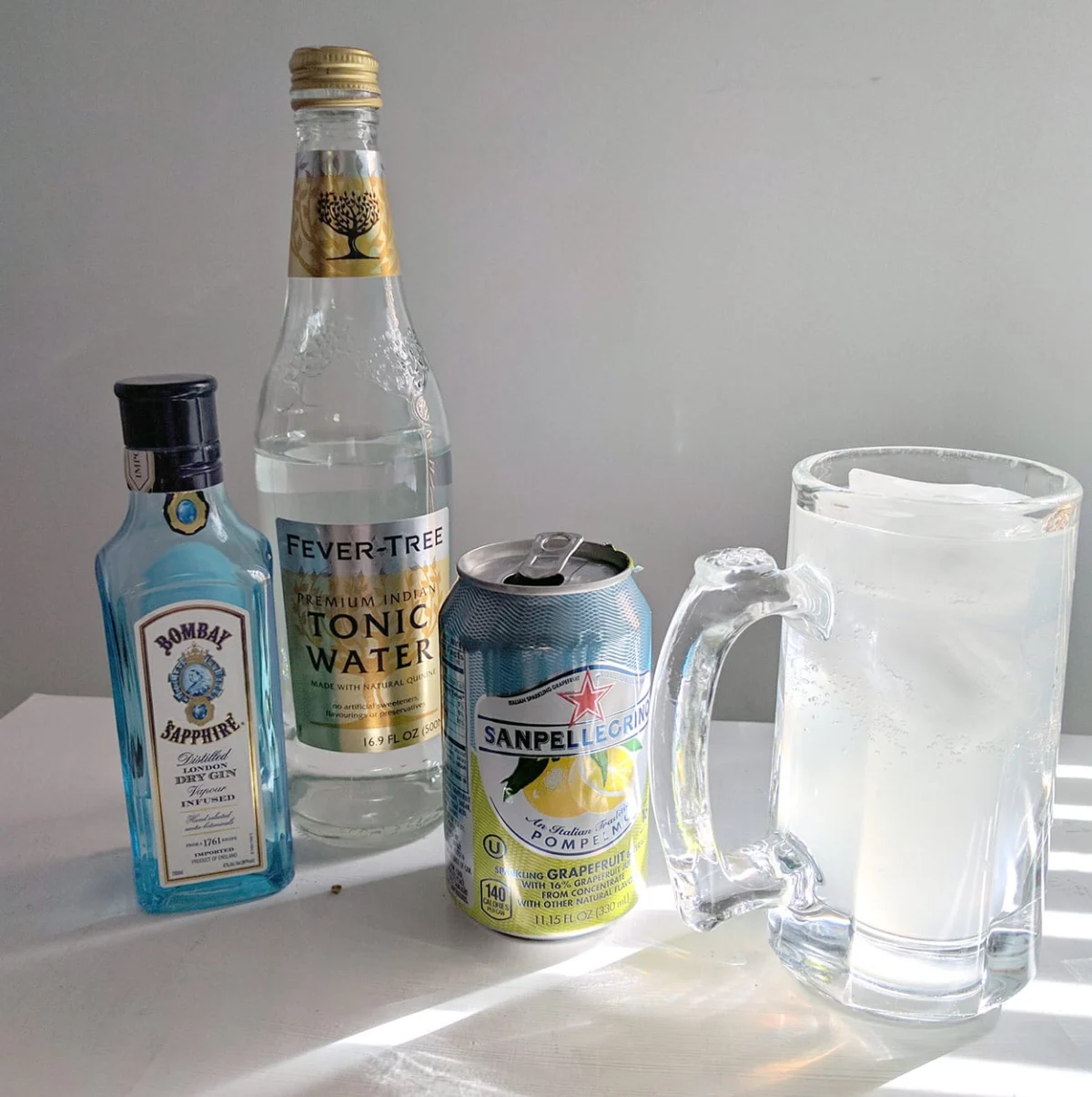
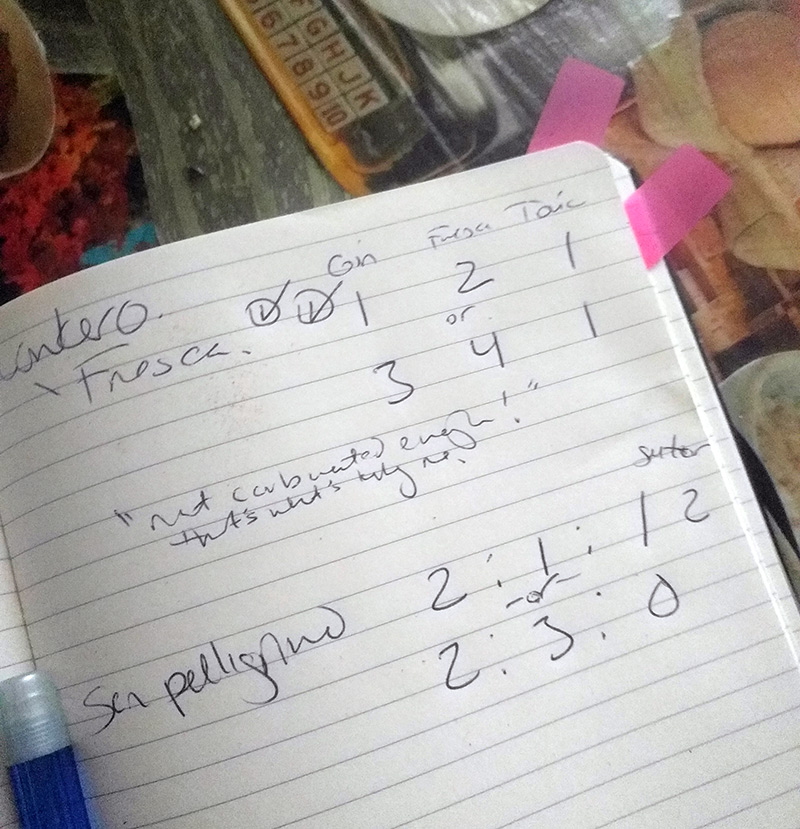
In regions where the authentic Finnish Long Drink is not yet widely available, a culture of "home-recreation" has emerged. Enthusiasts and mixologists have experimented with various ratios to replicate the specific tart-and-dry profile of the Hartwall original. Because the unique "Finnish grapefruit soda" note is difficult to find internationally, consumers have turned to regional substitutes.
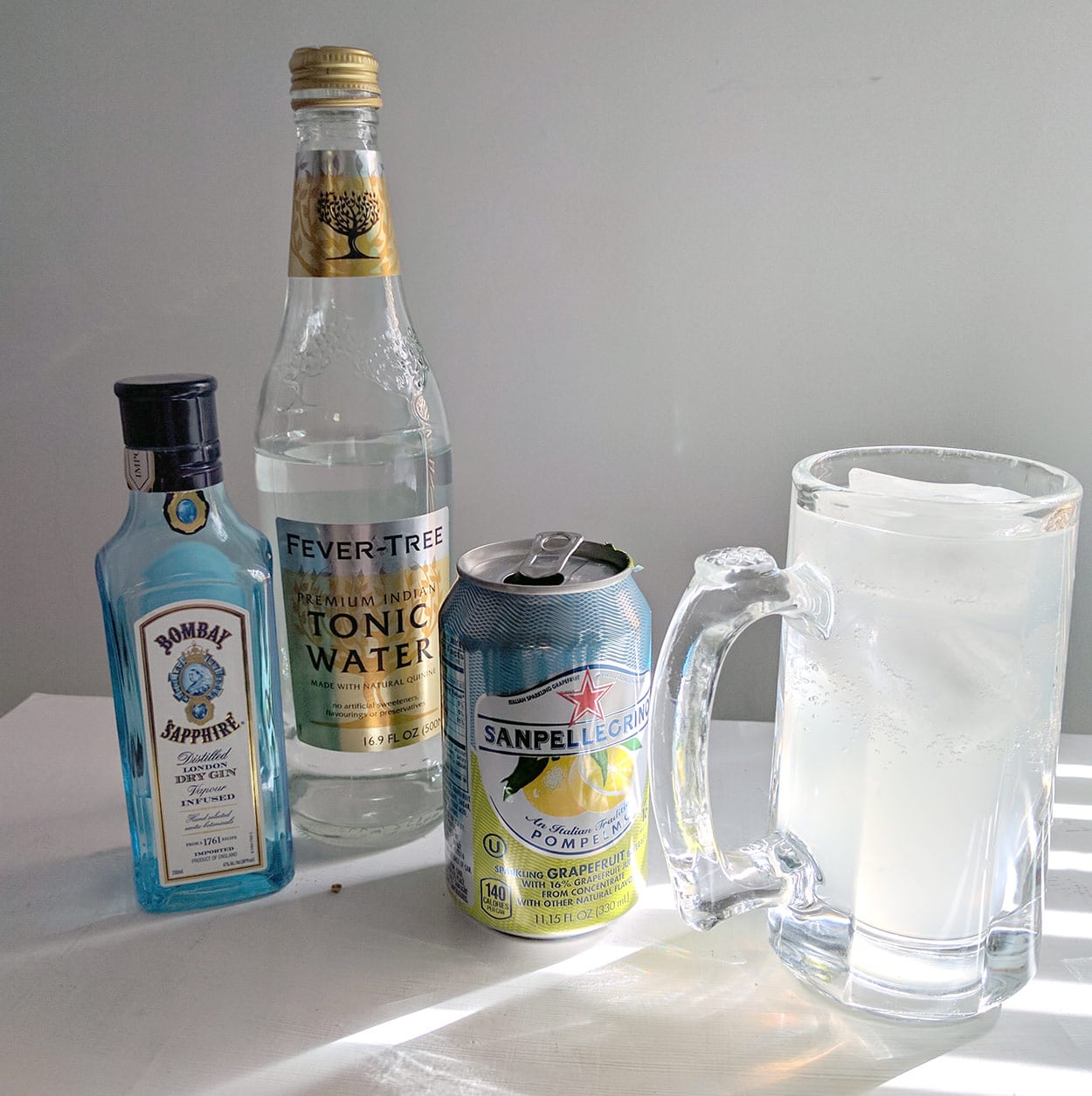
Through comparative tasting and testing, several dominant "DIY" methods have emerged:
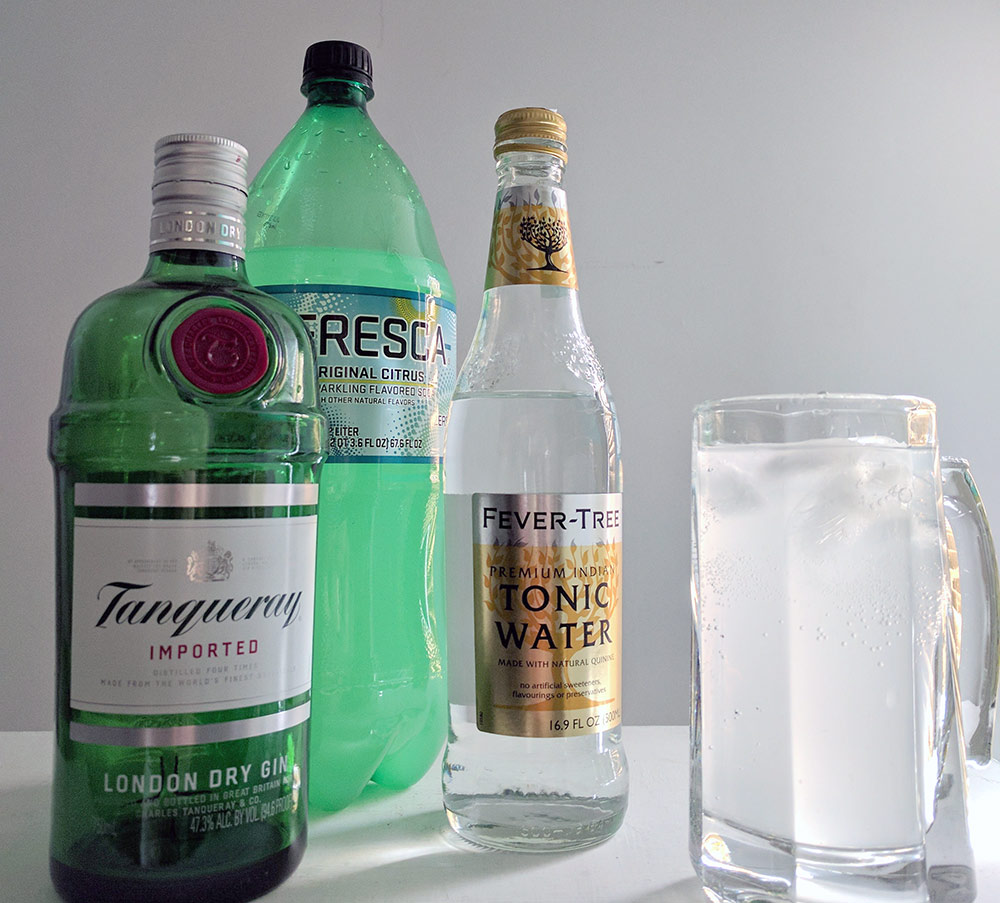
- The Fresca Method: Market analysis suggests that Coca-Cola’s Fresca is the closest American equivalent to the soda used in Finland. When combined with a London Dry gin (such as Tanqueray) and a splash of tonic water, it provides a color and flavor profile that closely mimics the canned Finnish product.
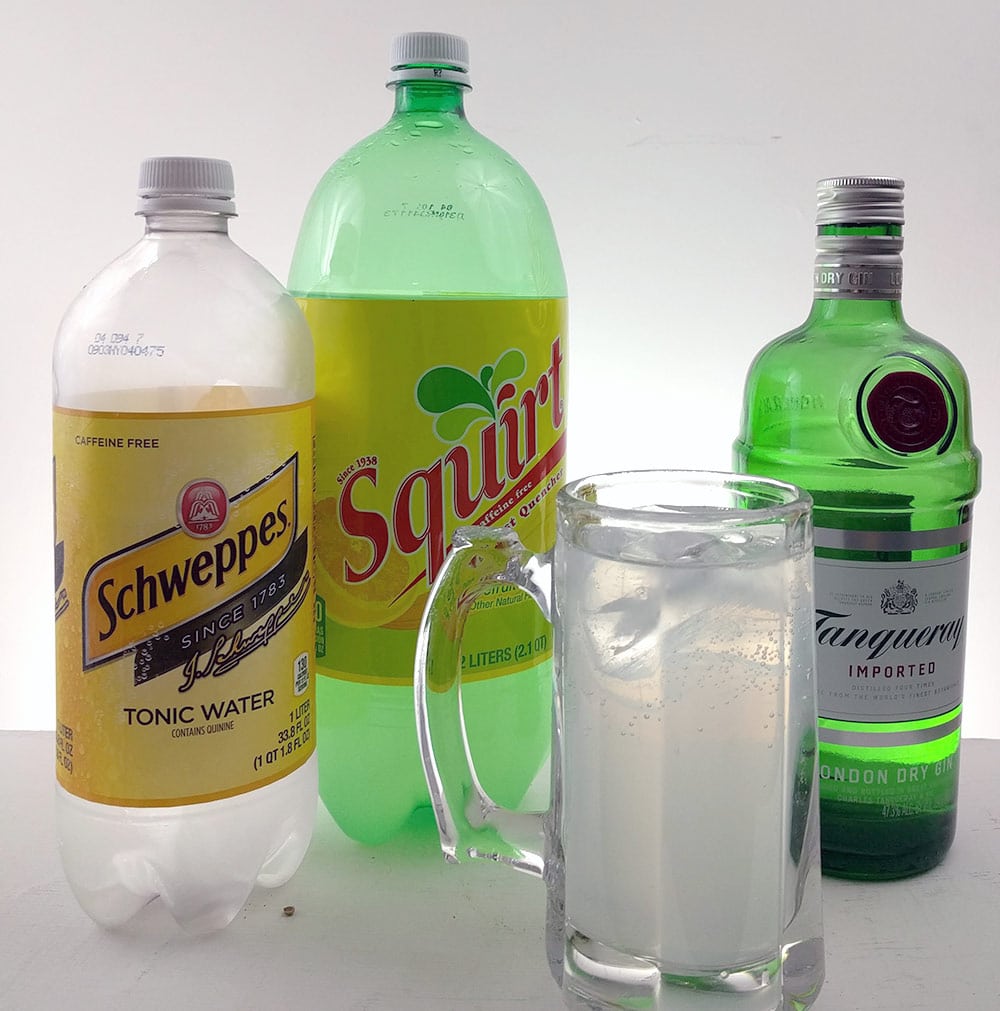
- The Squirt Method: Using PepsiCo’s Squirt results in a sweeter beverage. While popular, it is often criticized by purists for lacking the dry, acidic finish that defines the traditional lonkero.
- The Sparkling Juice Approach: Utilizing natural grapefruit juices, such as those from the brand Izze, provides a high-quality flavor but often fails to replicate the cloudy, white appearance of the original drink.
- The Fresh Ingredient Method: A more artisanal approach involves fresh-squeezed white grapefruit and lemon juices, simple syrup, and gin, topped with premium tonic water. While this creates a high-quality citrus cocktail, experts argue it lacks the specific "nostalgic" soda note that characterizes the Olympic-era beverage.
Broader Implications for the Beverage Industry
The evolution of the Finnish Long Drink carries significant implications for the global spirits industry. It serves as a primary example of how a "heritage brand" can leverage its historical narrative—in this case, the 1952 Olympics—to build authenticity in new markets. As the demand for transparent labeling and spirit-based RTDs grows, the Long Drink is positioned to challenge the dominance of hard seltzers.
Furthermore, the expansion of the Long Drink represents a successful export of Finnish culture. Much like the sauna or Nordic design, the lonkero is a distinct cultural artifact that communicates Finnish values of efficiency, quality, and a balanced approach to leisure. For the Finnish economy, the success of companies like Hartwall and Laitilan in international markets provides a vital boost to the country’s export sector.
Conclusion
The Finnish Long Drink has traveled a remarkable path from a logistical solution for a 1952 sporting event to a global beverage phenomenon. Its ability to survive the threat of discontinuation in the 1970s and subsequently conquer international markets speaks to the timeless appeal of its flavor profile. As it continues to expand into North America and further into Asia, the Long Drink stands as a testament to the power of a well-crafted, simple beverage. For those unable to access the "Original" on tap or in cans, the thriving DIY culture ensures that the spirit of the Helsinki Olympics continues to be toasted in homes around the world. Whether enjoyed in a traditional Finnish sauna or a quirky bar in the United Kingdom, the Long Drink remains a crisp, enduring symbol of Nordic refreshment.
