

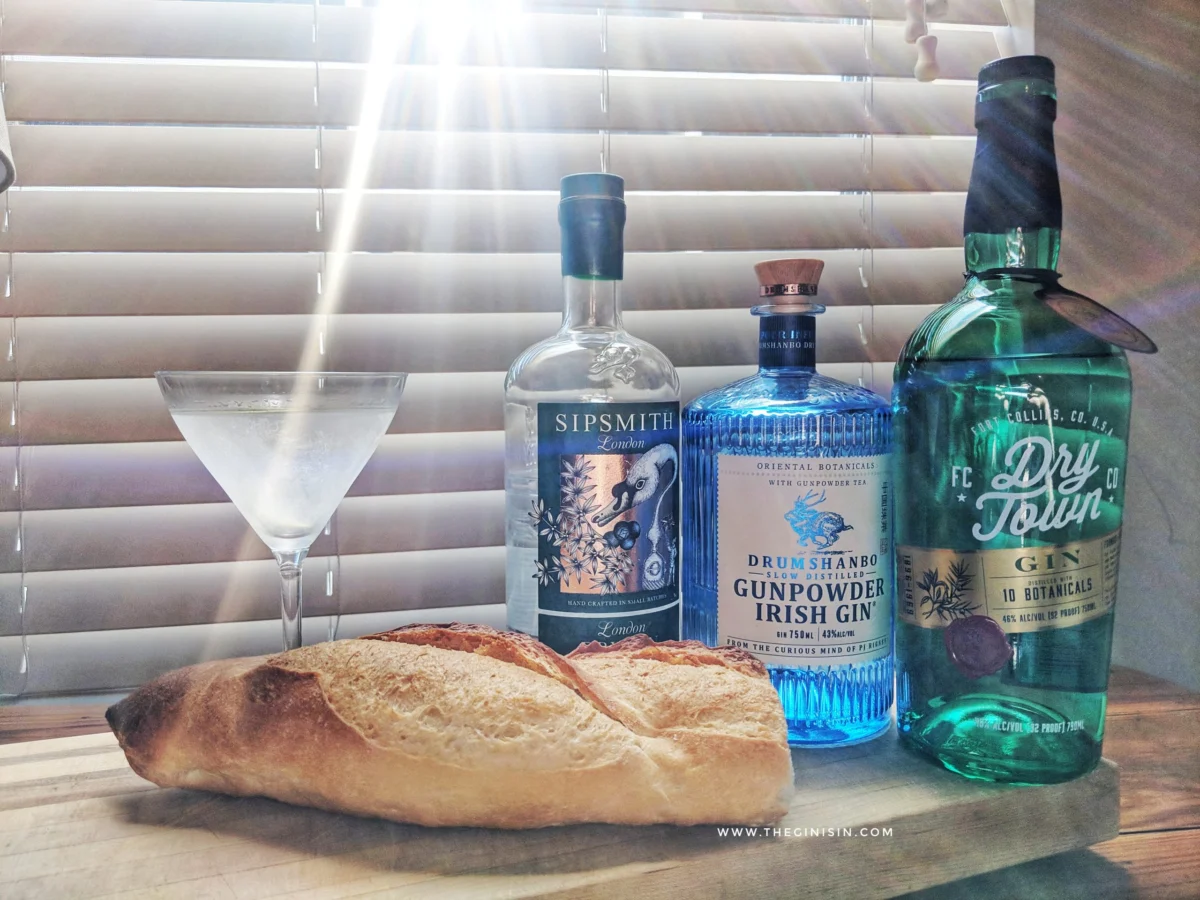
Is There Gluten in Gin? A Scientific and Regulatory Guide to Distilled Spirits and Celiac Safety is a question that sits at the intersection of organic chemistry, federal regulation, and public health, particularly for the estimated 1% of the global population suffering from celiac disease. Despite the fact that many gins are distilled from gluten-containing grains such as wheat, barley, or rye, the consensus among scientific bodies and regulatory agencies is definitive: pure, distilled gin is gluten-free. This conclusion is based on the physical mechanics of the distillation process, which acts as a molecular filter, separating volatile alcohol and aromatic compounds from heavy proteins like gluten.
The Molecular Mechanics of Distillation
To understand why gin is safe for those with gluten sensitivities, one must analyze the distillation process through a chemical lens. Gin production typically begins with a neutral base spirit, often derived from grain. During the first stage of production, the raw materials—which may include Red Winter Wheat, malted barley, or rye—undergo fermentation. In this phase, yeast consumes sugars to produce ethanol. At this point, the "wash" or fermented liquid still contains gluten proteins (gliadin and glutenin).
However, the transition from a fermented liquid to a distilled spirit occurs in the still. Distillation relies on the differing boiling points of substances. Ethanol boils at approximately 173.1°F (78.37°C), while water boils at 212°F (100°C). Gluten proteins, conversely, are massive, complex molecules with high molecular weights. They are not volatile, meaning they do not transition into a gaseous state at the temperatures used in spirit production.
As the still is heated, the ethanol and volatile aromatic compounds evaporate, rising through the neck of the still and into a condenser. The condenser cools these vapors back into a liquid state. Because the gluten proteins cannot evaporate, they remain in the boiling vessel (the "pot") along with other non-volatile solids. The resulting distillate is chemically distinct from the starting material, consisting almost entirely of alcohol, water, and trace botanical oils.
Regulatory Evolution and Labeling Standards
The journey toward clear labeling for gluten-free spirits has been marked by significant regulatory shifts in the United States and abroad. Historically, the Alcohol and Tobacco Tax and Trade Bureau (TTB), which oversees alcohol labeling in the U.S., was hesitant to allow "gluten-free" claims on spirits derived from grains. This caution stemmed from a desire to prevent consumer confusion, as the FDA’s general definition of "gluten-free" (less than 20 parts per million) was difficult to apply to products that started with gluten-containing ingredients.
A major turning point occurred in 2020. Following years of petitioning from the Celiac Disease Foundation and major spirits producers, the TTB issued Ruling 2020-2. This ruling updated the bureau’s policy to allow spirits distilled from gluten-containing grains to be labeled as "gluten-free." The TTB acknowledged that distillation, when performed according to standard industry practices, removes all gluten.
The ruling states: "TTB has determined that the distillation process removes gluten from the distilled spirits… therefore, distilled spirits may be labeled with a ‘gluten-free’ claim even if the spirits were distilled from gluten-containing grains." This alignment with the Celiac Disease Foundation’s long-standing position provided a legal framework that corroborated the scientific reality, offering much-needed clarity to the beverage industry and consumers alike.
A Chronology of Scientific Consensus
The understanding of gluten’s behavior during distillation has evolved alongside advancements in protein detection technology.
- The Early 2000s: Public awareness of celiac disease increased, leading to widespread concern regarding "hidden" gluten in spirits. Many health advocates recommended that celiac patients only consume spirits made from non-grain bases, such as potato vodka or grape brandy.
- 2011-2013: Analytical testing using Competitive ELISA (Enzyme-Linked Immunosorbent Assay) methods began to show that distilled liquors frequently tested well below the 20 ppm threshold, often showing no detectable gluten at all.
- 2014: The Celiac Disease Foundation and the Academy of Nutrition and Dietetics officially updated their guidelines, stating that distilled spirits are safe for celiac patients regardless of the starting grain.
- 2020: The TTB Ruling 2020-2 formalized these findings into labeling law, allowing manufacturers to market their products more transparently to the gluten-free community.
Distinguishing Between Base Spirits and Post-Distillation Additives
While the distillation process itself guarantees a gluten-free product, the final composition of gin depends on what happens after the spirit leaves the still. This is where the distinction between "Distilled Gin" and "Compounded Gin" becomes vital for consumer safety.
Most premium gins are "London Dry" or "Distilled" gins. In these processes, the botanicals (juniper, coriander, citrus peel, etc.) are either added to the still or suspended in a "gin basket" so that the alcohol vapors pass through them. Because this flavoring occurs during or before the final distillation, the end product remains free of gluten.
The risk profile changes with "Compounded Gins" or certain "Flavored Gins." In these instances, flavorings, syrups, or colorants may be added to the spirit after the final distillation. While rare, it is theoretically possible for these additives to contain gluten (for example, barley malt extract used for coloring or specific stabilizers). Furthermore, if a facility processes malt-based beverages like beer in the same equipment used for bottling gin without rigorous cleaning protocols, cross-contamination could occur. However, for major commercial brands, such contamination is statistically improbable due to strict Hazard Analysis and Critical Control Point (HACCP) regulations.
Health Implications Beyond Gluten: The Irritant Factor
A common phenomenon in the gluten-free community is the report of "gluten-like" symptoms—bloating, abdominal pain, or lethargy—after consuming gin. This has led to a persistent belief that the distillation process is imperfect. However, medical experts suggest these symptoms are likely attributable to other factors.
First, alcohol is a known gastrointestinal irritant. It can increase stomach acid production and delay gastric emptying, leading to bloating and discomfort that mimics a gluten reaction. Second, gin is flavored with a complex array of botanicals. Some individuals may have sensitivities to juniper or other herbal components. Finally, mixers used in gin cocktails—such as tonic water with high-fructose corn syrup or certain sweetened liqueurs—can trigger digestive issues, particularly in individuals with Small Intestinal Bacterial Overgrowth (SIBO) or FODMAP sensitivities, which often co-occur with celiac disease.
Market Impact and the Rise of "Alternative" Base Gins
Despite the scientific assurance that grain-based gin is safe, a significant segment of the market remains cautious. This consumer behavior has fueled the growth of gins made from naturally gluten-free bases. Distillers are increasingly utilizing alternative fermentables to appeal to "label-conscious" drinkers:
- Potato-Based Gin: Known for a creamier mouthfeel, potato-based gins (such as those from Chase Distillery) offer a "naturally gluten-free" narrative that bypasses the grain debate entirely.
- Grape-Based Gin: Popular in regions like France (G’Vine) and Australia (Four Pillars), grape-based spirits provide a fruity, floral profile while remaining grain-free.
- Corn and Honey-Based Gins: These bases are becoming staples in the American craft distillery scene, often highlighted as "field-to-glass" products that cater to the gluten-free demographic.
The shift toward these bases is more of a marketing strategy than a medical necessity, yet it highlights the industry’s responsiveness to consumer health concerns.
Conclusion: The Final Verdict for Consumers
The question of gluten in gin is a settled matter within the scientific and regulatory communities. The process of distillation is a physical barrier that gluten proteins cannot cross. Whether a gin is crafted from the finest English wheat or the sturdiest Scottish barley, the resulting clear spirit is chemically gluten-free.
For the consumer, the primary focus should not be on the base grain, but on the purity of the brand and the nature of any post-distillation additives. For those with extreme sensitivities, sticking to "London Dry" designations ensures that no flavors or colors were added after the final vapor-phase distillation. As the global spirits industry continues to move toward transparency, the availability of safe, high-quality gin for the gluten-free population has never been greater. The "gaseous gluten" myth has been debunked by both the laws of physics and federal mandate, allowing gin to remain a staple for those who must navigate a gluten-free lifestyle.
