

The modern culinary landscape is witnessing a profound shift, driven by consumers’ increasing demand for foods that are not only convenient but also nutritionally fortified. Amidst the accelerating pace of daily life, where time for elaborate meal preparation is often scarce, the humble pasta has undergone a significant transformation, emerging as a leading vehicle for enhanced protein intake. What was once considered a simple carbohydrate staple is now frequently engineered to deliver substantial protein, catering to a demographic eager to balance health and expediency. This evolution reflects a broader trend in functional foods, where everyday items are enhanced with beneficial nutrients to support specific dietary goals, such as muscle maintenance, satiety, and overall wellness, without compromising on taste or convenience.
Understanding the Demand: Shifting Dietary Landscapes
The surging popularity of protein-enriched foods, including pasta, is intrinsically linked to evolving dietary paradigms. Global health consciousness has elevated protein to a macronutrient of paramount importance. From athletes seeking muscle recovery to individuals aiming for sustained energy and weight management, the benefits of adequate protein intake are widely recognized. Traditional pasta, primarily composed of durum wheat semolina, typically offers 7-8 grams of protein per standard serving. While a foundational element of many diets, this amount often falls short for those actively monitoring their protein consumption, especially when main protein sources like meat or fish are not readily available or easily prepared.
This nutritional gap has paved the way for innovation. Protein pastas now feature anywhere from 10 to 20 grams of protein per serving, a significant increase that allows consumers to meet their daily requirements more efficiently. This development is particularly crucial for busy professionals, parents, and students who, after a long day, may find themselves with limited energy or time for complex cooking. The promise of a quick, satisfying, and protein-rich meal by merely boiling water resonates deeply with contemporary lifestyles.
The Nutritional Imperative: Why Protein Matters

Protein is an essential macronutrient vital for numerous bodily functions, including building and repairing tissues, producing enzymes and hormones, and supporting immune health. Unlike carbohydrates and fats, the body does not store protein efficiently, necessitating a consistent dietary intake. The recommended daily allowance (RDA) for protein is 0.8 grams per kilogram of body weight, but this can vary based on age, activity level, and specific health goals. For many, integrating higher-protein options into staple foods like pasta provides a straightforward method to achieve these targets without overhauling entire meal plans.
Beyond protein content, many fortified pastas also offer an increased fiber profile due to the inclusion of legumes. Fiber is crucial for digestive health, blood sugar regulation, and promoting satiety, contributing further to the functional benefits of these modernized pasta products. The synergy of increased protein and fiber positions these pastas as a more complete and beneficial dietary component compared to their traditional counterparts.
Anatomy of Protein Pasta: Ingredients and Innovation
The methods employed to boost pasta’s protein content have evolved considerably. Initially, the market was dominated by entirely legume-based pastas, such as those made from chickpea or lentil flour. These varieties offered a gluten-free alternative with a robust protein punch, but often presented unique challenges in terms of texture and flavor profile, sometimes carrying a distinct "beany" aftertaste or a more brittle consistency.
As consumer palates grew more sophisticated and manufacturing technologies advanced, brands began to innovate. The category now includes several types of protein pasta:
- Fully Legume-Based: Made entirely from flours of chickpeas, lentils, black beans, or peas. These are typically gluten-free and very high in protein and fiber.
- Plant-Based Protein Isolates: Some brands augment traditional wheat flour with concentrated plant proteins, such as pea protein isolate. This allows for a higher protein content while often maintaining a texture closer to conventional pasta.
- Hybrid Pastas (Semolina-Legume Blends): This increasingly popular category combines traditional wheat flour (semolina or durum wheat) with legume flours (chickpea, lentil, lupini) or protein isolates. This approach aims to strike a balance, leveraging the familiar texture and taste of wheat pasta while significantly enhancing its nutritional value. The bronze-cut method, a traditional Italian technique, is sometimes employed in these hybrid varieties to create a porous surface that better adheres to sauces, further enhancing the eating experience.
A Brief History: From Traditional Grains to Fortified Staples

Pasta, originating in Italy, has been a global culinary staple for centuries, primarily produced from durum wheat semolina. Its widespread adoption is due to its versatility, affordability, and ability to serve as a base for countless sauces and ingredients. However, the early 21st century marked a period of intensified nutritional scrutiny, leading to consumer interest in "functional foods" – those offering health benefits beyond basic nutrition.
The protein pasta segment began gaining traction in the mid-2000s, with early pioneers focusing on single-ingredient legume pastas as a gluten-free, high-protein alternative. Brands like Banza, which launched its chickpea pasta in 2014, played a pivotal role in popularizing these alternatives. Initially, the focus was on catering to specific dietary needs (e.g., gluten intolerance) while also offering a protein boost. Over the last decade, as the general public’s awareness of protein’s importance grew, and as food science enabled more sophisticated blending techniques, the market expanded to include hybrid wheat-legume options. These newer formulations sought to bridge the gap between nutritional enhancement and authentic pasta experience, addressing common consumer complaints about the texture and flavor of earlier iterations. This chronology highlights a continuous drive for innovation, responding to both health trends and culinary expectations.
Methodology: Rigorous Evaluation of Market Leaders
To ascertain the quality and performance of contemporary protein pastas, a comprehensive evaluation was undertaken by a panel of culinary experts. The selection process involved identifying seven popular and widely available protein pasta brands, encompassing both longstanding market presence and recent innovations. The brands chosen represented a spectrum from fully legume-based formulations to semolina-legume blends.
Each pasta was prepared strictly according to its package instructions, using consistently salted water (Diamond Crystal kosher salt) to ensure a uniform cooking environment. Following cooking, each batch was drained, and a small portion was reserved for plain tasting. The remaining noodles were then coated in a standard Rao’s tomato sauce, incorporating a splash of the pasta cooking water to aid in emulsification and adherence.
The expert panel conducted a blind tasting, evaluating each pasta across several key criteria:

- Taste: Assessed for inherent flavor profile, presence of any off-notes (e.g., "beany" aftertaste), and overall palatability, both plain and sauced.
- Texture: Evaluated for mouthfeel, elasticity, chewiness, and ability to achieve an "al dente" bite, noting any brittleness or tendency to disintegrate.
- Sauce Adherence: Judged on how effectively the pasta surface clung to the tomato sauce, a critical factor for an enjoyable pasta dish.
- Nutritional Profile: Although not directly tasted, the stated protein, fiber, fat, and carbohydrate content per serving were reviewed as part of the overall assessment.
- Value and Availability: Considered the price point and ease of access for consumers in typical grocery environments.
The objective was to identify protein pastas that not only delivered on their nutritional promise but also provided a satisfying culinary experience, closely mimicking the attributes of traditional pasta where possible.
Expert Panel Findings: Top Protein Pasta Selections
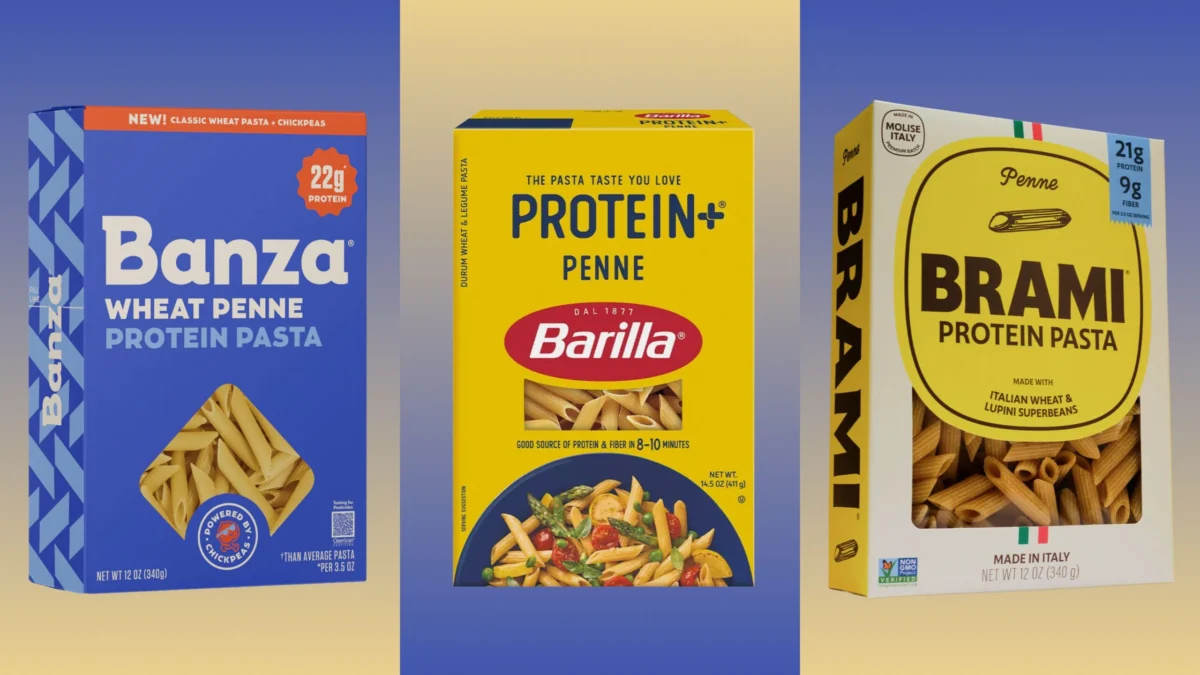
Following extensive testing and deliberation, the expert panel identified three brands that stood out for their exceptional balance of nutritional value, taste, and texture.
Banza Wheat Protein Pasta: A New Benchmark
Banza, a brand synonymous with chickpea pasta since its 2014 debut, has recently introduced a new line: Banza Wheat Protein Pasta. This innovation marks a significant departure from their original gluten-free offering, blending semolina flour with their signature chickpea base. The result, according to the panel, is transformative.
- Nutritional Profile (per 2-ounce serving):
- Calories: 190
- Fat: 1.5 g
- Carbohydrates: 38 g (4 g fiber)
- Protein: 13 g
- Ingredients: Semolina (Wheat), Chickpeas, Wheat Protein, Pea Protein
Panel Observations: The inclusion of semolina as the primary ingredient drastically improves the pasta’s sensory qualities. Where the original Banza sometimes presented a noticeable beany aftertaste and a brittle texture, this new formulation achieves a pleasantly chewy and elastic bite, with a remarkably neutral flavor. The combined protein sources—chickpeas, wheat protein, and pea protein—elevate the protein content to 13 grams per serving, surpassing the original Banza by two grams and traditional pasta by five grams. This blend successfully marries the familiar characteristics of wheat pasta with significant protein fortification.
Considerations: While lauded for its improvements, the Banza Wheat Protein Pasta is positioned at a slightly higher price point than some competitors. Furthermore, its wheat content means it is not suitable for individuals with gluten sensitivities, and the inclusion of pea protein may also be a concern for those with specific allergies.

Barilla Protein+: The Classic Contender
Barilla Protein+ has maintained a quiet presence in the market for over two decades, often overshadowed by newer, more aggressively marketed protein alternatives. However, the panel’s re-evaluation underscored its enduring quality and remarkable similarity to traditional pasta.
- Nutritional Profile (per 2-ounce serving):
- Calories: 190
- Fat: 1 g
- Carbohydrates: 38 g (5 g fiber)
- Protein: 10 g
- Ingredients: Semolina (wheat), durum wheat flour, lentil flour, pea protein, chickpea flour, barley flour, spelt flour, vitamin/minerals: vitamin b3 (niacin), iron (ferrous sulfate), vitamin b1 (thiamine mononitrate), vitamin b2 (riboflavin), folic acid
Panel Observations: Barilla Protein+ emerged as the closest in taste and texture to conventional pasta among all tested varieties. Its primary composition of semolina and durum wheat flour, augmented by a diverse blend of lentil, pea, chickpea, barley, and spelt flours, ensures an authentic al dente bite and the absence of any discernible off-flavors. The added vitamins and minerals further enhance its nutritional appeal. This pasta performed identically to regular pasta when paired with tomato sauce, absorbing flavors effectively. Its widespread availability and competitive pricing make it an accessible and reliable choice for consumers.
Considerations: At 10 grams per serving, Barilla Protein+ offers the lowest protein content among the top-rated options. While still a significant improvement over traditional pasta, those seeking maximal protein may consider other alternatives.
Brami: Editors’ Choice for Artisan Quality
Brami distinguished itself with a simple yet effective ingredient list and a premium culinary experience, earning it the "editors’ pick" designation from the panel.
- Nutritional Profile (per 2-ounce serving):
- Calories: 200
- Fat: 2 g
- Carbohydrates: 36 g (5 g fiber)
- Protein: 12 g
- Ingredients: Semolina durum wheat, lupini beans
Panel Observations: Brami’s formulation, featuring semolina durum wheat and lupini beans—an ancient legume known for its sustainability, digestibility, and high protein/fiber content—yields an exceptional product. Made in Italy and bronze-cut, its noodles possess a textured, porous surface that effectively clings to sauces, a characteristic highly valued in traditional Italian pasta. The combination of semolina and lupini beans ensures a satisfyingly firm, al dente texture. With 12 grams of protein and five grams of fiber per serving, Brami offers a robust nutritional profile. The brand also provides a diverse range of shapes, including radiatori, penne, spaghetti, and cubetti, catering to various culinary applications.
Considerations: The panel noted a very subtle earthy aftertaste when Brami pasta was consumed plain. However, this nuance was entirely masked once the pasta was sauced, indicating it would not detract from a prepared meal.

Other Contenders: Diverse Approaches to Protein Fortification
The evaluation also included other protein pasta brands, each offering unique characteristics and demonstrating the breadth of innovation in this category.
Chickapea: Gluten-Free and Flavorful
Chickapea pasta, composed of yellow pea flour and chickpea flour, provided a notable gluten-free option.
Panel Observations: While emitting a distinct chickpea aroma during boiling, its taste and texture were surprisingly pleasant, especially when sauced. Although clearly distinguishable from wheat pasta, it offers a commendable alternative for those requiring gluten-free options and would be a suitable choice if the top picks were unavailable.
Rummo Maxima: A Strong Wheat-Legume Blend
Rummo Maxima incorporates a blend of wheat flour and peas, aiming for a balance similar to the top-rated hybrid pastas.
Panel Observations: This pasta exhibited a more pronounced earthy aftertaste compared to other wheat-based varieties in the top three. Coupled with a comparatively higher price point, these factors prevented it from securing a top recommendation. Nonetheless, it represents a viable option within the protein pasta market.
Kaizen: High Protein, Unique Texture
Kaizen stands out for its exceptionally high protein and fiber content, packing 20 grams of protein and 15 grams of fiber per two-ounce serving.
Panel Observations: The panel found that these impressive macronutrients came with significant trade-offs in flavor and texture. The cooked noodles were initially firm but tended to disintegrate, and presented a strong, unpleasant taste that even a robust tomato sauce struggled to mask. This highlights the ongoing challenge in balancing extreme nutritional fortification with desirable culinary attributes.
Market Dynamics and Future Outlook

The protein pasta market is dynamic and competitive, driven by continuous innovation in ingredients and manufacturing processes. The findings from this expert review underscore a clear trend: hybrid formulations that combine wheat with legumes or protein isolates are increasingly favored for their ability to deliver enhanced nutrition without sacrificing the cherished taste and texture of traditional pasta. This balance is critical for broader consumer acceptance beyond niche dietary groups.
The implications for consumers are significant. A wider array of palatable, protein-rich pasta options provides greater flexibility in meal planning, making it easier to adhere to health-conscious diets. For the food industry, this segment represents a fertile ground for product development, encouraging further research into novel protein sources, improved processing techniques, and sustainable ingredient sourcing. The growth of this market is also intertwined with broader trends in plant-based eating and the demand for transparent, clean-label products. As consumers become more discerning, brands that can effectively communicate both nutritional benefits and culinary quality will likely dominate the market.
Conclusion: Sustaining Nutrition in a Fast-Paced World
The journey from a childhood fascination with culinary artistry to the reality of adult time constraints often leads to a simplified approach to cooking. Protein pasta has emerged as a crucial bridge between the aspiration for nutritious, balanced meals and the practicalities of a busy schedule. The rigorous evaluation conducted by the expert panel demonstrates that the market has matured significantly, offering genuinely appealing options that deliver on their promise of enhanced protein without compromising the dining experience. Brands like Banza Wheat Protein Pasta, Barilla Protein+, and Brami exemplify this evolution, providing consumers with delicious, convenient, and nutritionally superior alternatives to traditional pasta. As the demand for functional foods continues to grow, protein pasta is poised to remain a cornerstone in the pursuit of accessible, health-conscious eating for the modern consumer.
