

Starbucks U.S. same-store sales surged by an impressive 7.7% in the company’s fiscal fourth quarter, a testament to the enduring appeal of its coffeehouses and a strategic shift back towards core strengths, according to recent company disclosures. This robust performance, which saw a 7.2% rise in global same-store sales, marks the fourth consecutive quarter of positive growth and signals a successful transition from a turnaround strategy to a focused growth plan under the leadership of CEO Brian Niccol. The company is now setting its sights on further expansion, bolstered by a revitalized brand image and a renewed emphasis on customer and partner experience.
A Resurgence Driven by Core Strengths and Enhanced Operations
The sustained growth in same-store sales is attributed to a confluence of factors, including a significant increase in customer visits driven by popular beverage offerings like Matcha, and a strategic investment in operational improvements. Over the past year, Starbucks has implemented service enhancements, notably the introduction of "coffeehouse coach" roles. These positions are designed to provide enhanced leadership within individual stores, fostering a more cohesive and efficient operating environment. This focus on the in-store experience appears to be resonating with customers, as evidenced by the 2.4% increase in transaction counts, indicating more patrons are choosing to visit Starbucks locations.
The average check size also saw a healthy increase of 5.2%, suggesting customers are not only visiting more frequently but are also spending more per transaction. This uptick in average spending can be partially attributed to a strategic push to encourage add-on purchases, particularly during afternoon hours when customers are more inclined to pair their beverages with food items.
Loyalty Program Reaches Record Highs
A key indicator of customer engagement and brand loyalty is the continued expansion of the Starbucks Rewards program. The number of 90-day active members reached a record 36 million during the fiscal fourth quarter. This substantial base of loyal customers represents a significant asset for the company, providing a consistent revenue stream and valuable data for targeted marketing and personalized offers. The growth in loyalty members underscores the effectiveness of Starbucks’ strategy in re-engaging its core customer base and attracting new ones.
Shifting Gears: From Turnaround to Growth
CEO Brian Niccol expressed strong optimism about the company’s trajectory, stating, "We’re hitting on all cylinders. Back to Starbucks as a strategy has switched gears from a turnaround plan to a growth plan. I couldn’t be more optimistic about where we’re headed." This statement signifies a definitive pivot for the coffee giant, which, under Niccol’s leadership over the past two years, has been diligently working to restore its reputation as a cherished "third place" – a comfortable and welcoming environment distinct from home and work. The current financial results suggest this foundational work is paying off, creating a platform for sustained expansion.
The strategy has focused on rebuilding the inherent appeal of Starbucks coffeehouses, aiming to attract a diverse range of customers, whether they are staying for an extended period or simply grabbing a quick beverage. The consistent performance of same-store sales, with U.S. figures remaining at or above 7% for three consecutive quarters, validates this approach. Niccol further elaborated, "Our coffeehouses are coffeehouses again. Our partners are creating more moments of connection. Our brand is more visible, relevant, and loved." This sentiment highlights a renewed focus on the human element of the Starbucks experience, emphasizing the role of baristas in fostering customer relationships and the overall revitalization of the brand’s emotional connection with its patrons.
Financial Performance: Revenue Dip Offset by Strong Earnings Growth
While systemwide revenue saw a 4% decline to $9.1 billion in the quarter, this was largely attributed to the divestiture of Starbucks China, a significant strategic move that allows the company to concentrate resources on core markets. Despite the revenue dip, the company demonstrated impressive profitability. Adjusted earnings per share, factoring out one-time events, surged by 54% to 80 cents. This substantial increase in profitability, even with a revenue decline, indicates that the company’s focus on operational efficiency and higher-margin sales is yielding significant returns. Starbucks has long maintained that profitability would follow the stabilization and growth of its top-line sales, and these results suggest that this long-term objective is being met.
"More of our sales growth is translating into earnings," Niccol remarked, attributing this to strong fundamental execution. "It comes down to the fundamentals. When we execute them with excellence, we grow." This statement underscores the company’s disciplined approach to its operations, emphasizing that consistent execution of core business principles is the driving force behind its financial success.
The Power of Merchandise and Themed Collections
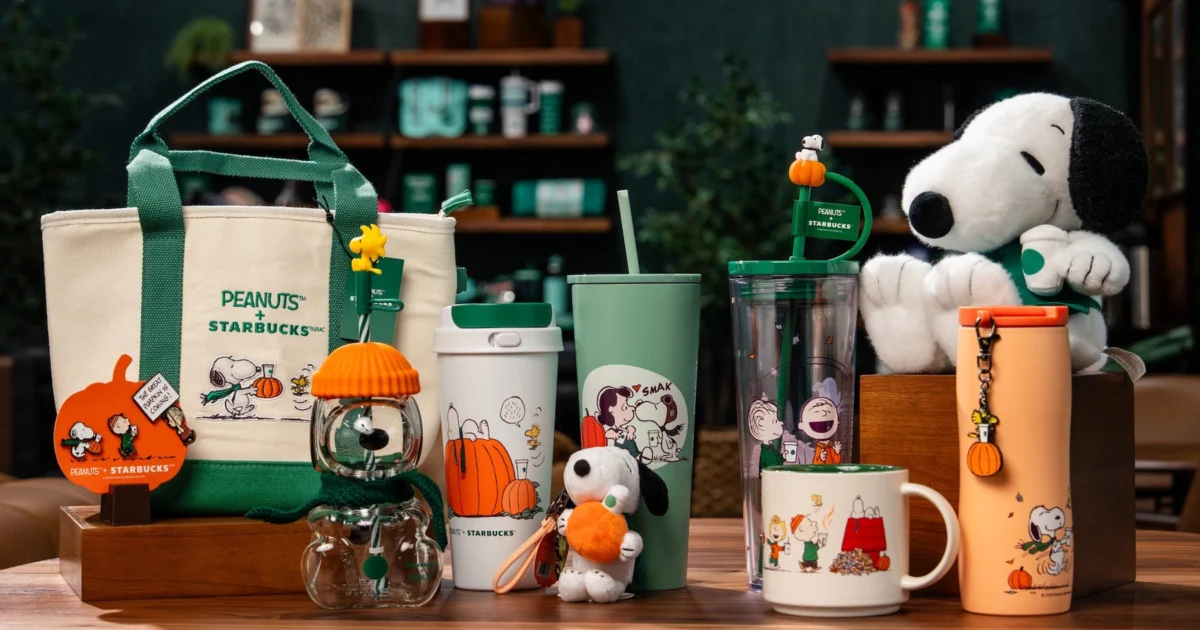
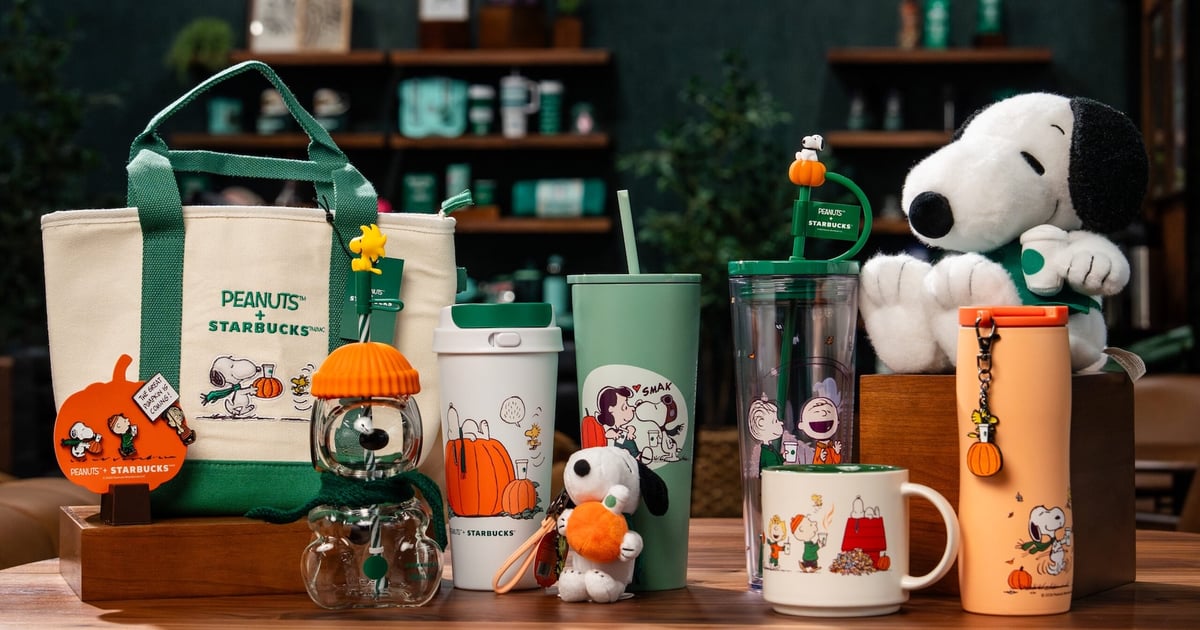
Beyond beverages, Starbucks is increasingly leveraging its merchandise offerings to drive sales and enhance customer engagement. The company has tapped into a strong consumer appetite for themed collections, exemplified by the success of its "Pink Drink Vibes" collection, which included popular items like belt bags and hair clips. More recently, its Peanuts-themed drinkware and novelties, introduced to complement the fall menu, including a coveted glass Snoopy cup, proved to be significant contributors to increased ticket growth.
Niccol acknowledged that merchandise represents a small but growing portion of the company’s overall business. "Q4 showed its potential. Both our Pink and Peanuts launches contributed to ticket growth in the quarter," he stated. Looking ahead, Starbucks has ambitious plans for further merchandise releases, including items tied to its upcoming holiday menu launch. This strategy not only diversifies revenue streams but also creates exciting touchpoints for consumers, reinforcing brand affinity and encouraging repeat visits. The success of these limited-edition collections suggests a strong potential for continued innovation in this area, potentially becoming a more significant driver of overall sales in the future.
Strategic Store Footprint Adjustments and Future Expansion
In line with its strategic focus, Starbucks undertook a recalibration of its store footprint during the quarter, closing 247 underperforming locations in the U.S. While this represents a net reduction, the company also plans a more modest opening of approximately 100 new locations in the current fiscal year. However, executives have signaled a much larger expansion pipeline in the long term.
Niccol revealed that the company has "good visibility" into potential new store development for an additional 5,000 locations domestically. "We’ve done the market planning, we feel really good about saying we see line of sight on the 5,000 additional units," he confirmed. This ambitious expansion plan suggests a strong conviction in the long-term demand for Starbucks’ offerings and a strategic approach to market saturation and growth in key regions. The focus will likely be on prime locations that align with the company’s revitalized brand image and operational efficiency goals.
Technology Integration for Enhanced Experience
Looking towards the future, Starbucks is heavily investing in technology to further enhance both the customer and partner experience. Key initiatives for the coming year include the implementation of Artificial Intelligence (AI) to streamline order-taking processes, particularly in drive-thrus. The aim is to free up baristas to focus on more direct customer interactions, thereby improving service quality and efficiency.
Further technological advancements will include enhancements to staffing and scheduling systems, as well as an upgrade to the point-of-sale (POS) system. These investments are designed to optimize operational flow, reduce wait times, and ultimately improve the overall customer journey. "If you can improve throughput, a lot of good things happen from there, both from the topline and the bottom line," Niccol explained. "The whole rationale is to give a better customer experience and also a better partner experience." This holistic approach to technological integration underscores Starbucks’ commitment to creating a seamless and positive environment for everyone involved in the Starbucks ecosystem.
Broader Industry Context and Implications
The performance of Starbucks comes at a time when the broader restaurant industry is navigating complex economic conditions, including persistent inflation and evolving consumer spending habits. While some segments of the industry are grappling with declining traffic and rising costs, Starbucks’ ability to achieve robust same-store sales growth and improved profitability suggests a strong brand resilience and effective strategic execution.
The company’s focus on enhancing the in-store experience, coupled with the successful integration of merchandise and loyalty programs, provides a potential blueprint for other restaurant operators seeking to differentiate themselves in a competitive market. The emphasis on partner experience also highlights a growing recognition within the industry that employee satisfaction is intrinsically linked to customer satisfaction and overall business success.
Furthermore, Starbucks’ commitment to technological innovation, particularly in AI and operational efficiency, signals a forward-thinking approach that could set new industry standards. As the company continues to expand its physical footprint and refine its digital and operational capabilities, its influence on the global coffee and foodservice landscape is likely to remain substantial. The strategic divestiture of its China operations, while impacting overall revenue in the short term, allows for a sharper focus on its most profitable markets and a more agile response to evolving consumer demands. This strategic maneuver, combined with the successful turnaround and growth initiatives, positions Starbucks for continued success in the coming fiscal years.
