

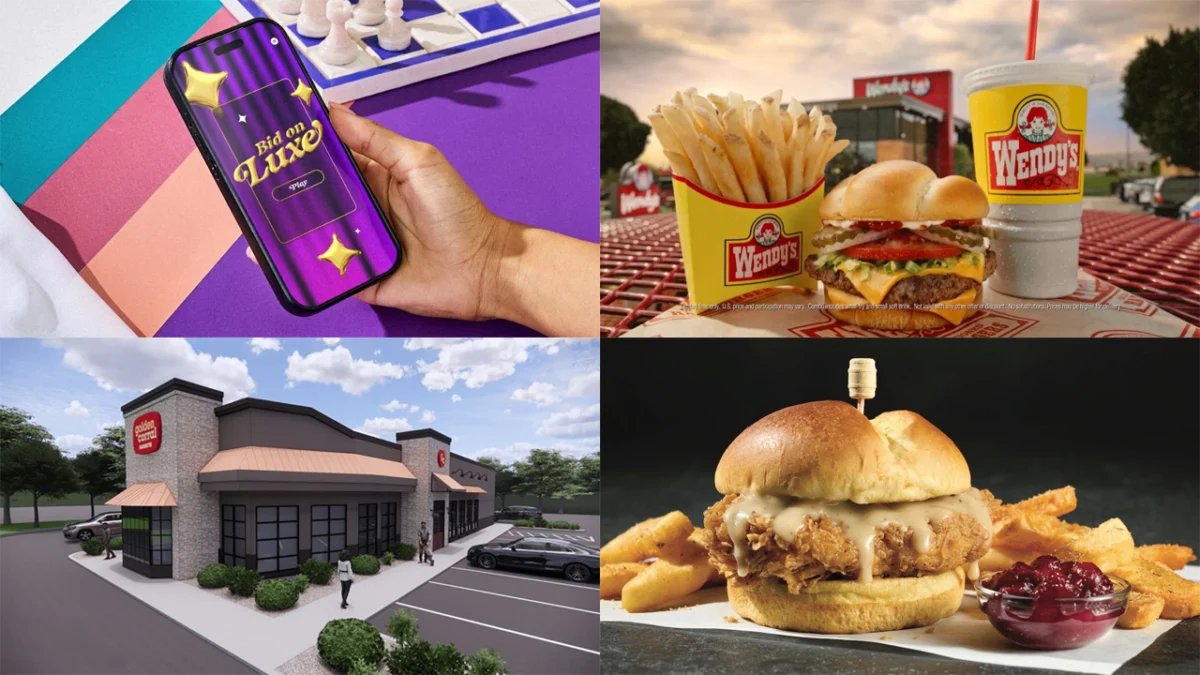
Wendy’s is strategically pivoting its focus to value offerings, a move that saw its bundled meal promotion emerge as the top story on Nation’s Restaurant News this week. The Dublin, Ohio-based fast-food giant has initiated a limited-time $7.99 combo meal, featuring a Dave’s Single, small fries, and a small soft drink, in an effort to re-engage customers and bolster sales. This renewed emphasis on affordability comes as the company also unveiled a return to its signature yellow packaging, a design element previously abandoned during a 2012 rebranding effort. This strategic shift in both product and branding signals a deliberate attempt by Wendy’s to recapture market share and appeal to a price-conscious consumer base.
Wendy’s Revitalizes Value Proposition with Bundled Meal Deal
The introduction of the $7.99 Dave’s Single combo meal represents a significant push by Wendy’s to communicate value to its customer base. In a competitive fast-food landscape, where price sensitivity often dictates consumer choices, this promotional offer aims to provide a complete meal at an attractive price point. The inclusion of a flagship burger, a staple side, and a beverage creates a bundled package designed to offer perceived savings and convenience. The limited-time nature of the promotion suggests a strategy to drive immediate traffic and encourage trial, potentially converting new or lapsed customers into regular patrons.
The visual rebranding, marked by the reintroduction of yellow packaging, is also noteworthy. Yellow has historically been associated with Wendy’s brand identity, evoking a sense of warmth and approachability. Its abandonment in 2012 marked a period of significant brand evolution for the company, with a subsequent shift towards a more modern and streamlined aesthetic. The decision to revert to yellow packaging suggests a desire to reconnect with a nostalgic element of the brand, potentially tapping into consumer familiarity and a sense of established trust. This dual approach—enhancing value through promotions and reinforcing brand heritage through packaging—underscores Wendy’s multi-faceted strategy to navigate the current economic climate and competitive pressures.
Franchisee Consolidation and Closures Cast a Shadow
While Wendy’s corporate entity focuses on value-driven promotions, the operational landscape for its franchisees presents a more complex and challenging reality. Meritage Hospitality Group, a substantial Wendy’s franchisee headquartered in Grand Rapids, Michigan, has continued to implement a significant number of restaurant closures. Late last week, Meritage shuttered an additional 13 locations, escalating the total number of closed restaurants since late September to 33. This ongoing trend of franchisee-led closures signals potential financial pressures or strategic realignments within large-scale operators, which can have ripple effects across the brand’s overall footprint.
The reasons behind such extensive closures by a major franchisee can be multifaceted. Factors often include declining profitability due to rising operational costs (labor, ingredients, rent), shifts in consumer traffic patterns, underperforming locations, or a broader strategic decision to consolidate operations and focus on more profitable units. For Meritage, the cumulative impact of these 33 closures represents a substantial reduction in its Wendy’s portfolio. This scenario highlights the critical interdependence between franchisors and franchisees, where the financial health and strategic decisions of one can significantly influence the other.
Industry-Wide Consolidation: Golden Corral’s Planned Closures
The challenges are not unique to Wendy’s franchisees. The broader restaurant industry is experiencing a period of consolidation and recalibration, with other major chains also announcing significant closures. Golden Corral, the well-known buffet-style restaurant chain, has confirmed plans to close more locations in 2026 than is typical for the company. This confirmation comes in response to media reports indicating that at least seven of its buffet locations have already been shuttered.
The buffet segment of the restaurant industry has faced unique headwinds in recent years. Consumer preferences have shifted, with a growing demand for more personalized dining experiences and a concern over food safety and hygiene, particularly in self-serve environments. The COVID-19 pandemic exacerbated these trends, leading to temporary shutdowns and a re-evaluation of the buffet model’s viability. For Golden Corral, the decision to implement a higher-than-usual number of closures in 2026 suggests a strategic response to these evolving market dynamics and a potential effort to streamline operations and focus on its most successful and adaptable locations.
Broader Market Trends and Implications
The confluence of Wendy’s renewed focus on value, significant franchisee closures within its network, and industry-wide consolidation among other chains paints a picture of a dynamic and challenging restaurant market. For Wendy’s, the $7.99 combo deal and the return of yellow packaging are tactical responses designed to stimulate immediate customer engagement. However, the long-term success of this strategy will likely depend on its ability to be sustained beyond a limited-time offer and its effectiveness in attracting and retaining a broad customer base.
The substantial closures by Meritage Hospitality Group raise questions about the overall health of large-scale franchise operations and the economic feasibility of operating numerous locations in the current climate. It underscores the importance of robust franchisee support, adaptable business models, and continuous evaluation of individual unit performance. The industry-wide trend, as exemplified by Golden Corral’s planned closures, indicates a broader re-evaluation of traditional restaurant formats and a necessary adaptation to changing consumer behaviors and economic realities.
Analyzing the Impact of Value-Centric Strategies
Wendy’s move towards value is a common tactic employed by quick-service restaurants (QSRs) during economic downturns or periods of intense competition. Consumers, facing inflationary pressures and economic uncertainty, often gravitate towards more affordable dining options. Bundled meals are particularly effective as they offer a perceived discount compared to purchasing individual items, simplifying the decision-making process for the customer and increasing the average check size for the restaurant.
The data from market research firms often supports this trend. For instance, reports from NPD Group have consistently shown that value-driven promotions and combo deals are significant drivers of traffic in the QSR sector. Wendy’s strategic decision to emphasize its Dave’s Single combo at $7.99 directly addresses this consumer behavior. The success of this initiative will be measured by its ability to drive incremental traffic, increase same-store sales, and improve customer loyalty.
The Psychology Behind the Yellow Packaging
The reintroduction of yellow packaging by Wendy’s is more than just a cosmetic change; it’s a deliberate branding decision that taps into consumer psychology and brand recognition. Yellow is often associated with happiness, optimism, and energy, qualities that fast-food brands aim to project. Wendy’s historically utilized yellow prominently, making it a recognizable element of its identity for decades.
The abandonment of this color in 2012 was part of a broader rebranding effort to appear more modern and upscale. However, the subsequent return suggests a realization that the established brand equity associated with the original color scheme holds significant value. It can evoke a sense of nostalgia for long-time customers and communicate a sense of familiarity and trustworthiness, potentially counteracting the perception of the brand as simply a purveyor of value. This strategy aims to blend affordability with a comforting and established brand image.
Franchisee Performance: A Deeper Dive
The closures by Meritage Hospitality Group warrant further examination. As one of the largest Wendy’s franchisees in the United States, their actions have a notable impact on the brand’s presence in various markets. While specific financial details of Meritage’s operations are not publicly disclosed in this context, the pattern of consistent closures suggests underlying operational or financial challenges that are not being adequately addressed or overcome.
Industry analysts often point to several key performance indicators for franchisees, including sales volume per unit, operating margins, and return on investment. When these metrics decline consistently across multiple locations, it can signal issues with site selection, market saturation, competition, or the ability to adapt to changing consumer demands. The decision to close 33 restaurants is a significant undertaking, indicating that these locations have likely become unsustainable from a profitability standpoint. This trend can also impact Wendy’s corporate revenue through reduced royalty payments and franchise fees.
Industry-Wide Pressures and Adaptability
The challenges faced by Wendy’s franchisees and the confirmed closures at Golden Corral are symptomatic of broader industry pressures. The restaurant sector is characterized by thin profit margins, high fixed costs, and intense competition. The rising costs of labor, food, and real estate continue to exert pressure on operators. Furthermore, consumer preferences are constantly evolving, with a growing emphasis on health, sustainability, and unique dining experiences.
Chains that can adapt their business models, embrace technology, and offer compelling value propositions are more likely to thrive. For buffet-style restaurants like Golden Corral, the shift towards individual plating, smaller portion sizes, or even a more à la carte menu could be potential strategies to address changing consumer concerns. Similarly, QSRs must continually innovate their offerings and marketing strategies to remain relevant.
Looking Ahead: Strategic Responses and Market Dynamics
The coming months will be crucial for Wendy’s to assess the effectiveness of its value-centric campaign and its renewed branding efforts. The company’s ability to translate the appeal of the $7.99 combo and the familiarity of the yellow packaging into sustained customer traffic and increased sales will be a key determinant of its short-term success.
For franchisees, the situation remains precarious. The ongoing consolidation among large operators like Meritage highlights the need for robust financial management, strategic site selection, and operational efficiency. The industry as a whole is likely to see continued adaptation, with a focus on streamlined operations, diversified revenue streams, and enhanced customer experiences that cater to evolving preferences. The restaurant landscape is in a constant state of flux, requiring agility and foresight from all participants to navigate the challenges and capitalize on emerging opportunities. The strategic moves by Wendy’s, juxtaposed with the operational realities of its franchisees and the broader industry, offer a compelling snapshot of the current state of the fast-food sector.
