

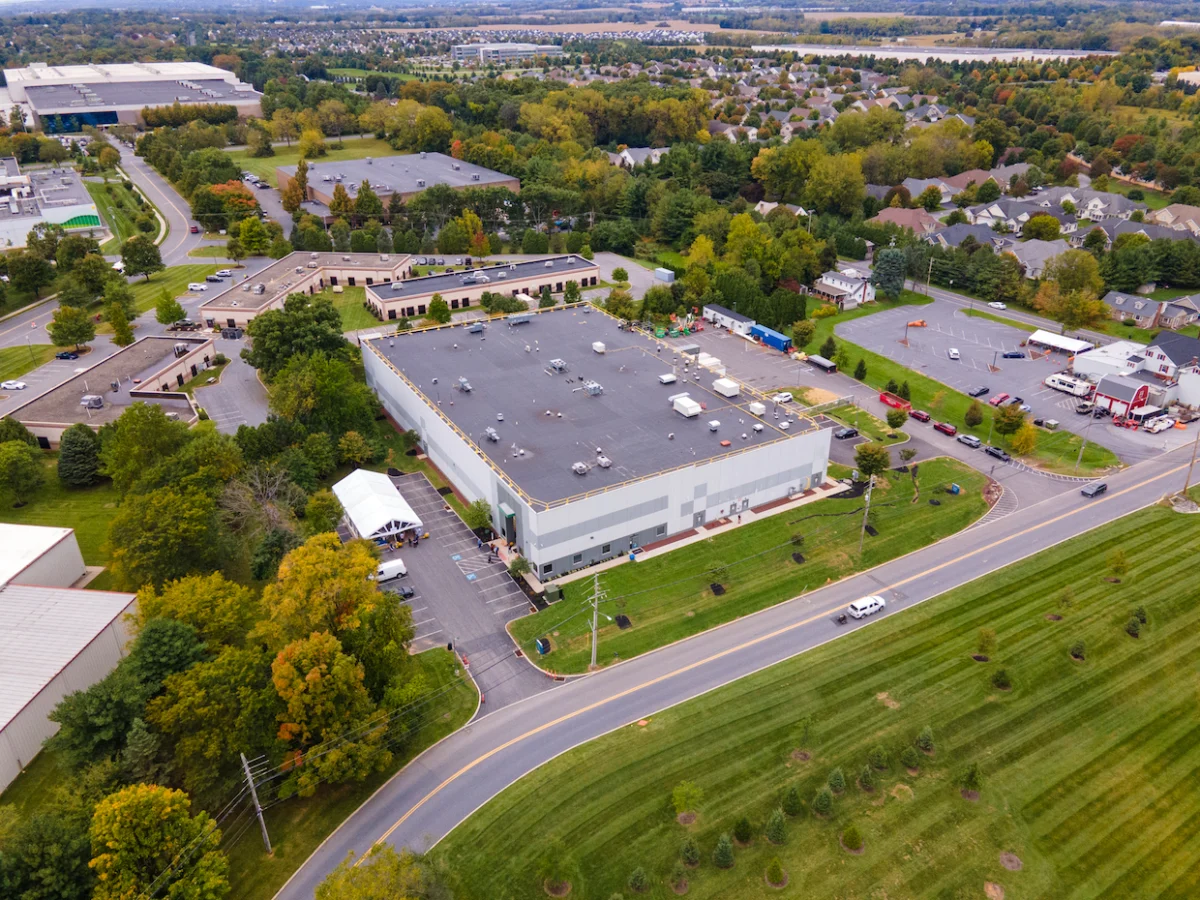
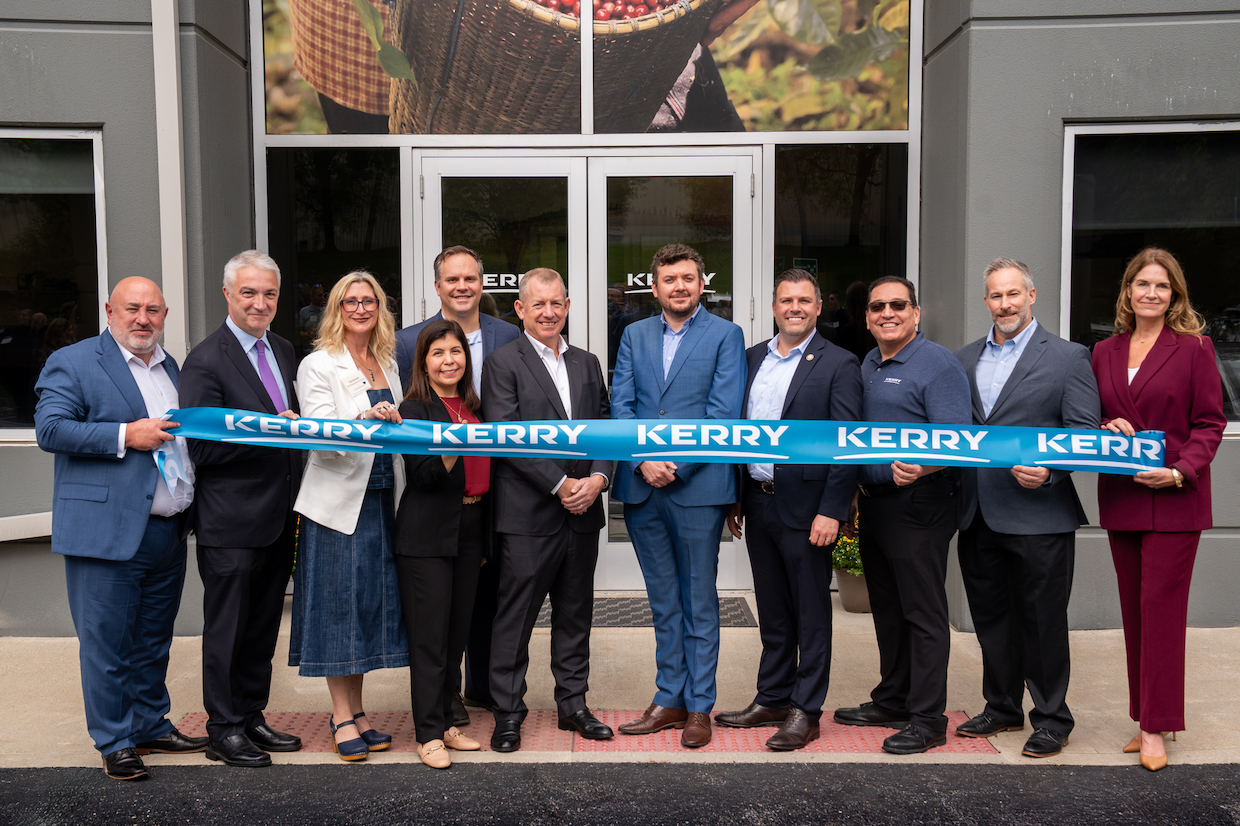
Global taste and nutrition powerhouse Kerry has officially unveiled a state-of-the-art coffee roasting and extraction facility near Bethlehem, Pennsylvania, marking a significant expansion of its North American coffee production capabilities. The substantial 48,600-square-foot operation, which commenced ribbon-cutting ceremonies in September, is poised to redefine the landscape of coffee ingredient innovation and supply for a diverse range of beverage and food applications.
The newly inaugurated plant boasts an impressive annual roasting capacity of 22 million pounds of coffee beans. Beyond traditional roasting, the facility is equipped with advanced hot and cold extraction, concentration, blending, and packaging systems. This comprehensive suite of technologies allows Kerry to develop and produce highly customized coffee ingredients tailored to meet the exacting specifications of its business-to-business (B2B) clientele. These ingredients are destined for a broad spectrum of consumer products, including ready-to-drink (RTD) beverages, cold brew coffees, frozen desserts, and even savory sauces, demonstrating the versatility of Kerry’s coffee solutions.
William Kelly, Vice President of Beverage Taste for Kerry North America, articulated the company’s strategic vision for the new facility. "Beyond capacity, our ambition is to redefine what an ingredient partner can contribute to coffee," Kelly stated. "We can bring together the craft and sensory understanding of coffee with Kerry’s global capabilities in taste, applications, nutrition, and function." This integrated approach aims to leverage Kerry’s deep expertise in food science and ingredient development alongside its newfound, robust coffee processing infrastructure.
Strategic Expansion and Innovation in Coffee Ingredients
The Bethlehem facility represents a strategic investment by Kerry to capitalize on the evolving trends within the global coffee market. The demand for sophisticated coffee ingredients is on a steady rise, driven by consumer preferences for convenience, novel flavor profiles, and functional benefits. Kerry’s capabilities at this new site are specifically designed to address these market demands. The facility is envisioned as a hub for innovation, enabling the development of coffee-enhanced products that cater to emerging consumer needs.
Kelly further elaborated on the potential unlocked by this synergistic approach, highlighting opportunities in product categories such as protein-enhanced coffees, energy and hydration drinks, and reduced-sugar beverages. These are all areas where consumers are increasingly seeking functional benefits from their food and beverage choices, and where coffee can serve as a key ingredient to deliver taste and performance. The ability to precisely control extraction and formulate ingredients that integrate seamlessly into complex beverage matrices is a critical differentiator for Kerry in these dynamic markets.
A Seamless Transition and Workforce Integration
The establishment of the new Kerry facility involved a significant operational transition. The site was previously operated by the botanical ingredients maker Martin Bauer Group, which ceased its operations. Kerry strategically acquired certain assets from Martin Bauer Group in a transaction valued at approximately €14.8 million (roughly $16.6 million USD) in April 2025. This acquisition provided Kerry with a foundational infrastructure, allowing for a more streamlined and rapid development process.
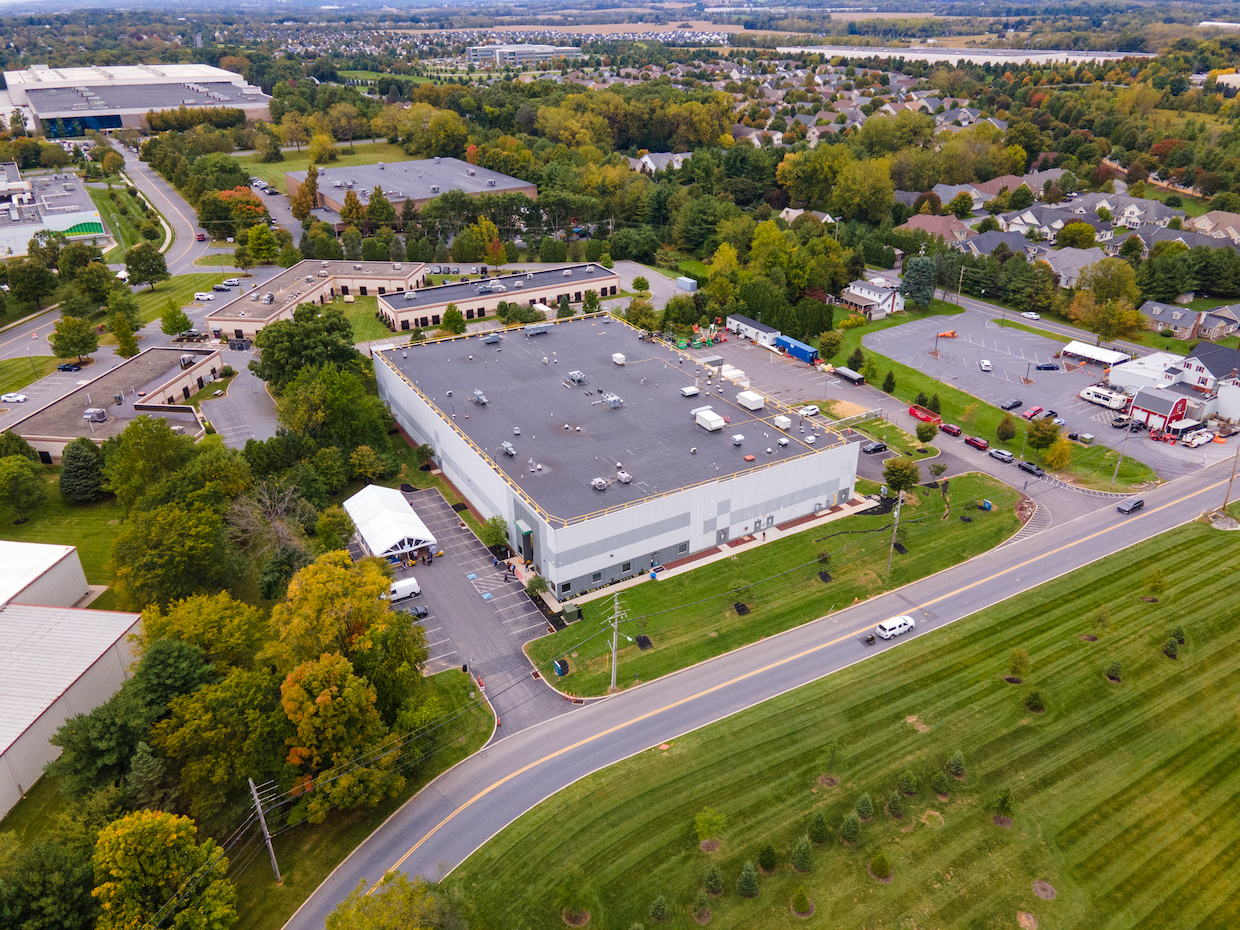
Kerry has meticulously retained and repurposed some of the existing equipment from the former operator. Simultaneously, the company has invested in new, cutting-edge roasting and packaging machinery, advanced processing technologies, and robust manufacturing protocols specifically designed for dedicated coffee operations. This blend of existing infrastructure and new investment ensures that the facility is both efficient and equipped with the latest innovations in coffee processing.
The human capital aspect of this transition has also been a priority. The Bethlehem plant currently employs over 50 individuals, a number that includes skilled workers who were retained from the previous operator. This continuity of experienced personnel is invaluable, ensuring a smooth transfer of knowledge and operational expertise while also bringing in new talent to complement Kerry’s existing workforce.
"Bethlehem gives us the physical platform, but our real advantage is the team behind it," Kelly emphasized. "We have passionate coffee experts working alongside flavorists, sensory scientists, beverage developers, process engineers, and nutrition specialists." This multidisciplinary team is the driving force behind Kerry’s ability to translate deep coffee knowledge into commercially viable ingredient solutions for its clients.
Kerry’s Global Footprint and Commitment to Innovation
Founded in Ireland in 1972, Kerry has grown into a formidable global player in the taste and nutrition sector. Headquartered in Tralee, Ireland, under the leadership of Group CEO Edmond Scanlon, the company employs approximately 20,000 people worldwide. Its extensive global network comprises 119 manufacturing locations and over 60 technology and innovation centers, underscoring its commitment to research and development and its ability to serve markets across the globe.
Kerry’s diverse portfolio extends beyond coffee ingredients to encompass taste and nutrition solutions, biotechnology, and applications within the pharmaceutical and health sectors. This broad expertise allows for cross-pollination of ideas and technologies, potentially leading to novel applications and benefits for their coffee-related products.
The company’s history in the coffee and beverage ingredient space includes strategic acquisitions that have bolstered its capabilities. In 2003, Kerry acquired Seattle-based flavor syrup maker DaVinci Gourmet, expanding its reach into the flavored coffee and beverage market. Further strengthening its position, the acquisition of Portland, Maine-based X Café in 2008 brought shelf-stable coffee extract technology into Kerry’s North American beverage business. These past investments demonstrate a long-term strategic interest in the coffee value chain and a consistent effort to enhance its ingredient offerings.
Driving the Future of Coffee Consumption
The Pennsylvania facility is set to become a cornerstone for Kerry’s B2B coffee ingredient development, serving clients across the hot and cold coffee segments, the rapidly expanding RTD market, the foodservice industry, and the growing functional beverage category. The strategic location in Pennsylvania provides excellent logistical access to major consumer markets across the Eastern Seaboard and beyond.
William Kelly highlighted the dynamic nature of the coffee industry, stating, "Coffee remains one of the most exciting and dynamic categories in food and beverage. What was once a morning ritual has evolved into an all-day platform for innovation." This sentiment reflects the broader industry shift from coffee as a singular beverage occasion to a versatile ingredient and a base for a wide array of consumer experiences. Kerry’s investment in advanced extraction and ingredient formulation technologies positions them to be at the forefront of this evolution, empowering their customers to create the next generation of innovative coffee-based products.
Broader Implications for the Coffee Industry and Consumer Products
The opening of Kerry’s substantial new facility has several key implications for the wider coffee industry and the consumer products sector. Firstly, it signifies a significant increase in high-quality coffee ingredient supply in North America, potentially leading to greater competition and innovation among ingredient providers. This can translate into more cost-effective and advanced ingredient options for beverage and food manufacturers.
Secondly, Kerry’s emphasis on custom formulation and its multidisciplinary approach suggests a move towards more sophisticated and precisely engineered coffee ingredients. This will enable manufacturers to achieve specific flavor profiles, functional attributes (such as enhanced caffeine delivery or reduced bitterness), and textural qualities in their finished products, pushing the boundaries of what is possible with coffee.
Thirdly, the facility’s capacity to handle both hot and cold extraction, alongside blending and concentration, indicates a strong focus on meeting the demands of the booming RTD and cold brew markets. These segments continue to experience robust growth, and Kerry’s investment is a clear signal of its commitment to supporting this expansion with scalable, high-quality ingredient solutions.
The integration of nutrition and functional benefits into coffee ingredients is another critical aspect. As consumer interest in health and wellness continues to grow, the ability to incorporate ingredients that offer added nutritional value or specific functional benefits (like energy enhancement or stress reduction) will become increasingly important. Kerry’s expertise in nutrition and functional ingredients, combined with its coffee processing capabilities, positions it to be a key partner for brands looking to tap into these trends.
Finally, the acquisition and repurposing of the Martin Bauer Group site demonstrate a trend towards consolidation and strategic investment within the food and beverage ingredient manufacturing sector. Companies are seeking to optimize their operational footprints, leverage existing infrastructure, and build specialized facilities to gain competitive advantages. Kerry’s move exemplifies this strategic approach, consolidating its coffee ingredient operations into a single, advanced hub.
The Bethlehem plant is not merely a production facility; it is envisioned as an innovation engine, a place where the science of taste and nutrition converges with the art of coffee. By investing heavily in both infrastructure and human expertise, Kerry is signaling its long-term commitment to shaping the future of coffee consumption and solidifying its position as a leading global partner for ingredient solutions. The impact of this facility is expected to resonate throughout the food and beverage industry, driving new product development and enhancing the consumer experience of coffee in myriad ways.
