

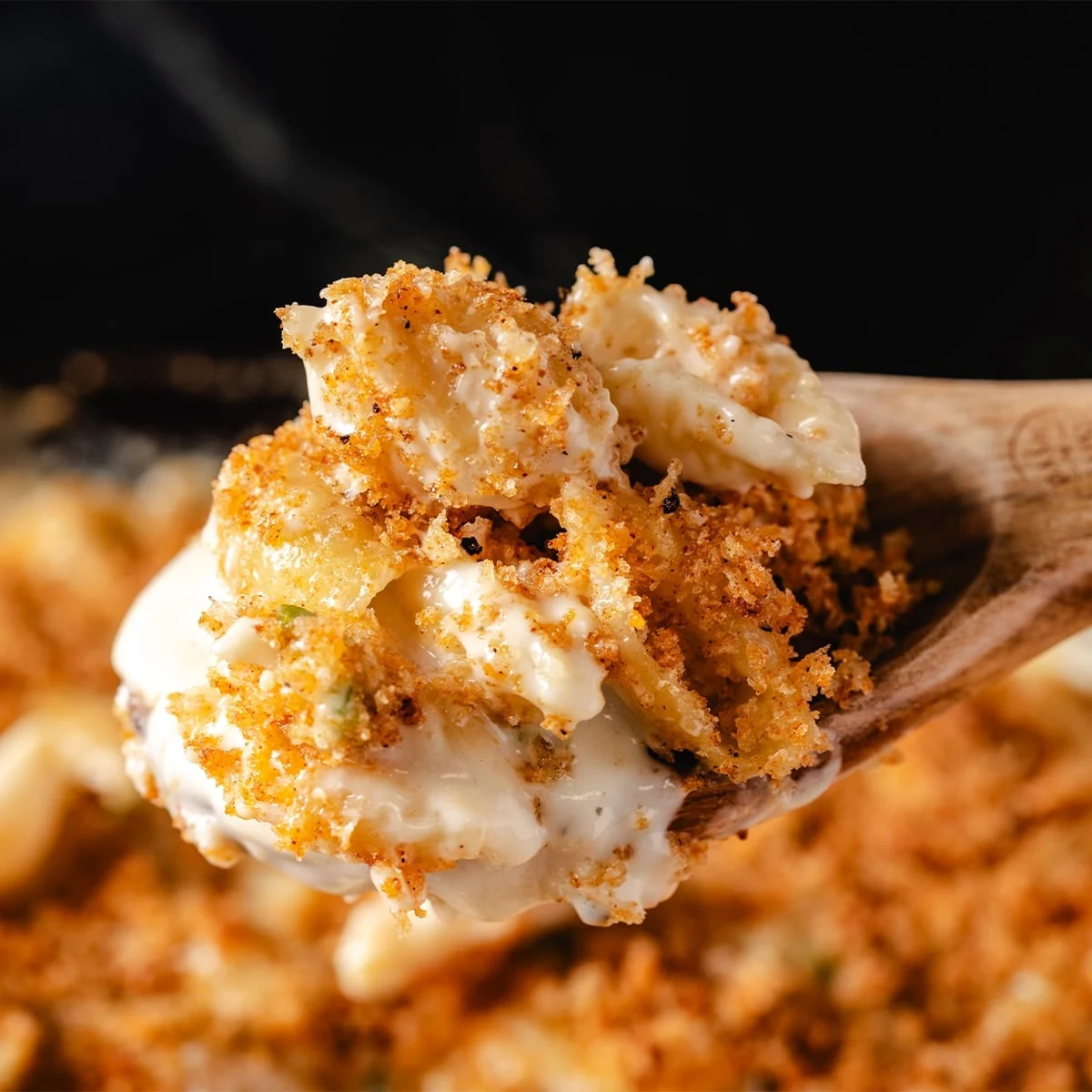
The Evolution of the Classic Shells and Cheese
The foundation of this dish is rooted in the ubiquity of boxed macaroni and cheese, a product that became a dietary mainstay in the mid-20th century due to its affordability and shelf stability. However, the modern iteration developed by culinary experts like Susie Bulloch of Hey Grill Hey replaces dehydrated cheese powders and artificial stabilizers with a traditional roux and high-quality dairy. By utilizing shell-shaped pasta (Conchiglie), the dish maximizes "sauce-loading," as the hollow interior of the shell acts as a vessel for the poblano-infused cheddar sauce.
The inclusion of the poblano pepper—a mild chili originating from the state of Puebla, Mexico—adds a layer of complexity rarely found in traditional pasta dishes. On the Scoville Heat Unit (SHU) scale, poblanos typically range from 1,000 to 2,000 units, making them significantly milder than jalapeños but far more flavorful than standard bell peppers. When diced and integrated into a velvety sauce, they provide an earthy, slightly smoky undertone that is further amplified during the final smoking process.

Chronology of Culinary Preparation
The production of Smoked Poblano Shells and White Cheddar follows a specific timeline designed to ensure textural integrity and flavor depth. The process begins with the preparation of the pasta, which must be boiled in salted water until just shy of al dente. This is a critical technical step; because the pasta will undergo a secondary heating phase in the smoker, undercooking it initially prevents the shells from becoming mushy or structuraly unsound during the wood-firing process.
Simultaneously, the "Fiesta" breadcrumb topping is prepared. This involves a mixture of melted butter, panko breadcrumbs, and a specialized spice rub. The choice of panko over traditional breadcrumbs is intentional, as the larger surface area of the Japanese-style flakes allows for a more pronounced crunch and better oil absorption, which leads to a superior golden-brown finish under indirect heat.
The assembly phase involves creating a cheese sauce using hand-shredded white cheddar and mozzarella. Culinary science dictates that hand-shredding cheese is superior to purchasing pre-shredded varieties, as the latter are often coated in potato starch or cellulose to prevent clumping. These anti-caking agents can interfere with the melting process, resulting in a grainy texture. By using fresh-shredded cheese, the chef ensures a smooth, emulsified sauce that coats the shells evenly.

Once the pasta and sauce are combined with the diced poblanos, the mixture is transferred to a cast-iron skillet or heat-safe dish, topped with the seasoned breadcrumbs, and placed in a smoker preheated to 225 degrees Fahrenheit.
Technical Analysis of the Smoking Process
The decision to smoke the dish at 225 degrees Fahrenheit (approximately 107 degrees Celsius) is based on the principles of thermal absorption and smoke penetration. At this temperature, the dish is not being "cooked" in the traditional sense—as all ingredients are already safe for consumption—but is instead undergoing a flavor transformation.
- Smoke Infusion: The low temperature allows the wood smoke (often hickory, oak, or fruitwoods like apple or cherry) to permeate the fats in the cheese sauce. Fat is a highly effective carrier for smoke molecules, meaning the creamy base of the mac and cheese acts as a sponge for the wood-fired aroma.
- Textural Contrast: The indirect heat of the smoker serves to crisp the panko topping without burning the dairy components. A higher temperature might cause the cheese sauce to "break," a process where the fats separate from the solids, leading to an oily and unappealing consistency.
- Moisture Retention: By keeping the heat low, the moisture within the pasta and sauce is preserved, ensuring that the final product remains "velvety-smooth" rather than dry or crusty.
Supporting Data and Nutritional Profile
From a nutritional standpoint, Smoked Poblano Shells and White Cheddar is a calorie-dense side dish intended for communal dining. A single serving (based on a 16-serving yield) contains approximately 403 calories. The macronutrient breakdown reflects its rich composition:

- Total Fat: 26g (with 15g of saturated fat)
- Carbohydrates: 29g
- Protein: 14g
- Sodium: 364mg
The dish also provides significant micronutrients, including Vitamin A (851 IU) and Calcium (262 mg), largely derived from the high volume of whole dairy products used in the sauce. While the sodium content is relatively moderate for a savory dish, the use of a "Fiesta Rub" can introduce additional salt depending on the specific blend used.
Market Context and Industry Impact
The popularity of such recipes coincides with a massive surge in the outdoor cooking industry. According to data from the Hearth, Patio & Barbecue Association (HPBA), the barbecue market saw record-breaking growth following the 2020 pandemic, with more consumers investing in pellet grills, offset smokers, and ceramic kamado-style cookers. This shift has created a demand for "all-in-one" cooking, where entire meals—including appetizers, sides, and desserts—are prepared on a single outdoor appliance.
Susie Bulloch, the founder of Hey Grill Hey and a recognized expert in the field, has positioned herself as a leader in this transition. With a background that includes Guinness World Records for grilling and appearances on major television networks, Bulloch’s focus on accessible yet "upgraded" recipes has resonated with a demographic that values both culinary quality and the "experience" of outdoor cooking. The brand’s philosophy emphasizes that "simple staples" can be "dialed up" through the application of traditional BBQ techniques.

Official Responses and Culinary Reception
While there is no "official" governing body for macaroni and cheese, the reception of the Smoked Poblano Shells and White Cheddar within the BBQ community has been overwhelmingly positive. Enthusiasts frequently cite the balance of the "kick" from the poblanos against the sharpness of the white cheddar as the dish’s primary strength.
Professional chefs note that the use of white cheddar is a strategic choice; white cheddar lacks the annatto dye found in yellow cheddar, often resulting in a slightly sharper, more complex flavor profile that pairs better with the earthy notes of the poblano pepper. Furthermore, the suggestion of a "Sweet Rub" alternative for those who prefer less heat indicates a move toward customizable recipe frameworks that cater to diverse palates.
Broader Implications for Home Cooking
The transition from "boxed stuff" to smoked artisanal shells is indicative of a wider cultural move toward food literacy. Consumers are increasingly aware of the ingredients in their food and are seeking ways to replicate restaurant-quality results at home. By mastering the roux-based cheese sauce and understanding the mechanics of smoke, home cooks are able to elevate a humble pantry item into a centerpiece for social gatherings.

Moreover, the storage and reheating instructions provided for the dish—utilizing airtight containers and slow reheating on medium-low heat—address the modern consumer’s need for "planned-over" meals. As food prices continue to fluctuate, the ability to create large-batch, high-quality sides that maintain their integrity over several days is an essential skill for the contemporary household.
In conclusion, Smoked Poblano Shells and White Cheddar is more than a simple recipe; it is a manifestation of the current state of American outdoor culinary arts. It combines technical proficiency, ingredient awareness, and a respect for nostalgic flavors, resulting in a dish that challenges the dominance of processed convenience foods and reinforces the value of the "low and slow" philosophy in the modern kitchen.
