

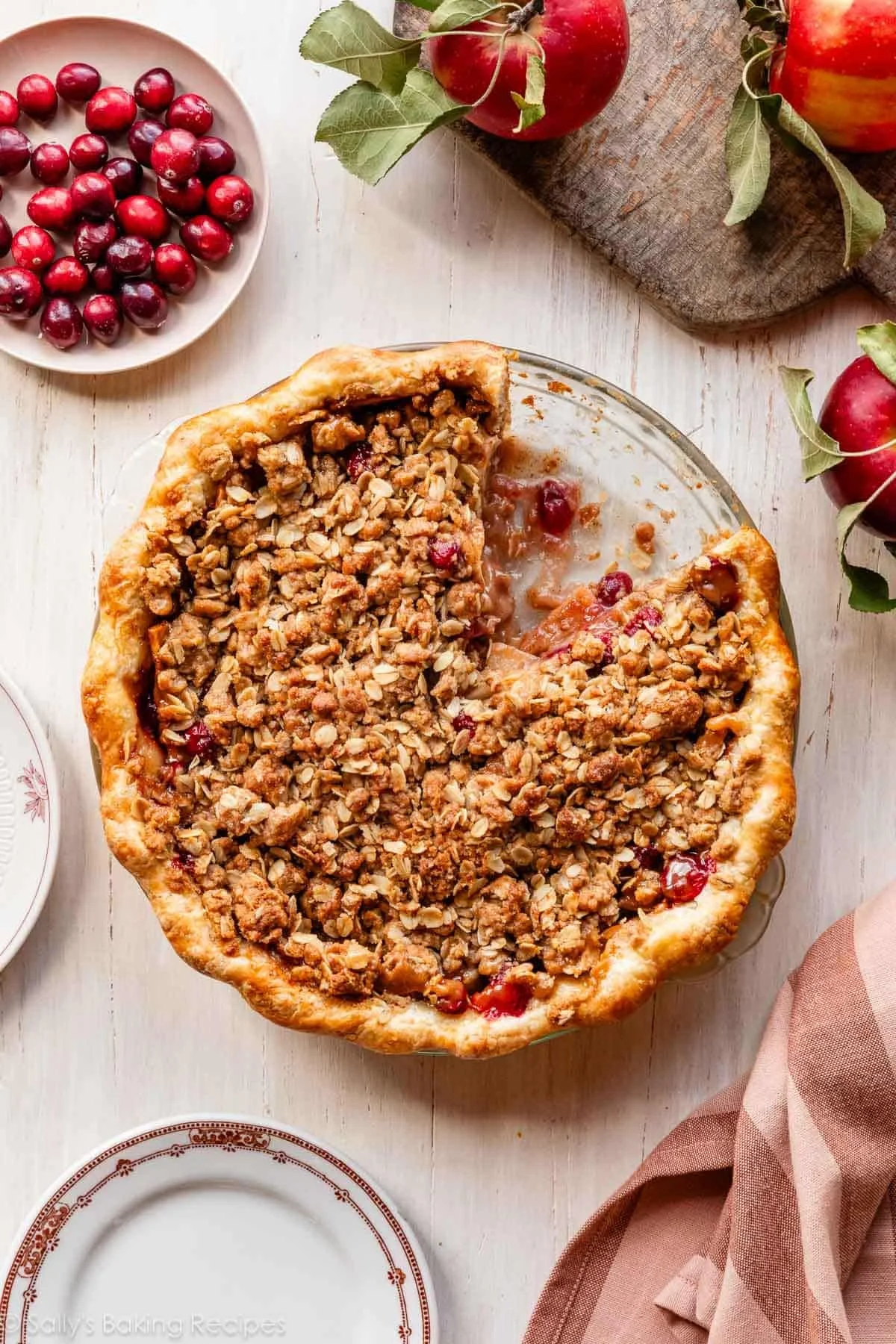
Apples hold an undeniable and esteemed position in the global culinary landscape, particularly within the realm of baking. Their versatility, ubiquitous availability, and diverse sensory profiles—encompassing texture, flavor, and sweetness—render them a perennial favorite for home cooks and professional pastry chefs alike. Understanding the nuanced characteristics of different apple varieties is paramount to achieving desired outcomes in baked goods, ensuring that the fruit contributes optimally to both structural integrity and taste complexity. This detailed exploration delves into the science and art of apple selection for baking, providing a factual and informative guide for discerning culinarians.

The Enduring Appeal of Apples in Gastronomy
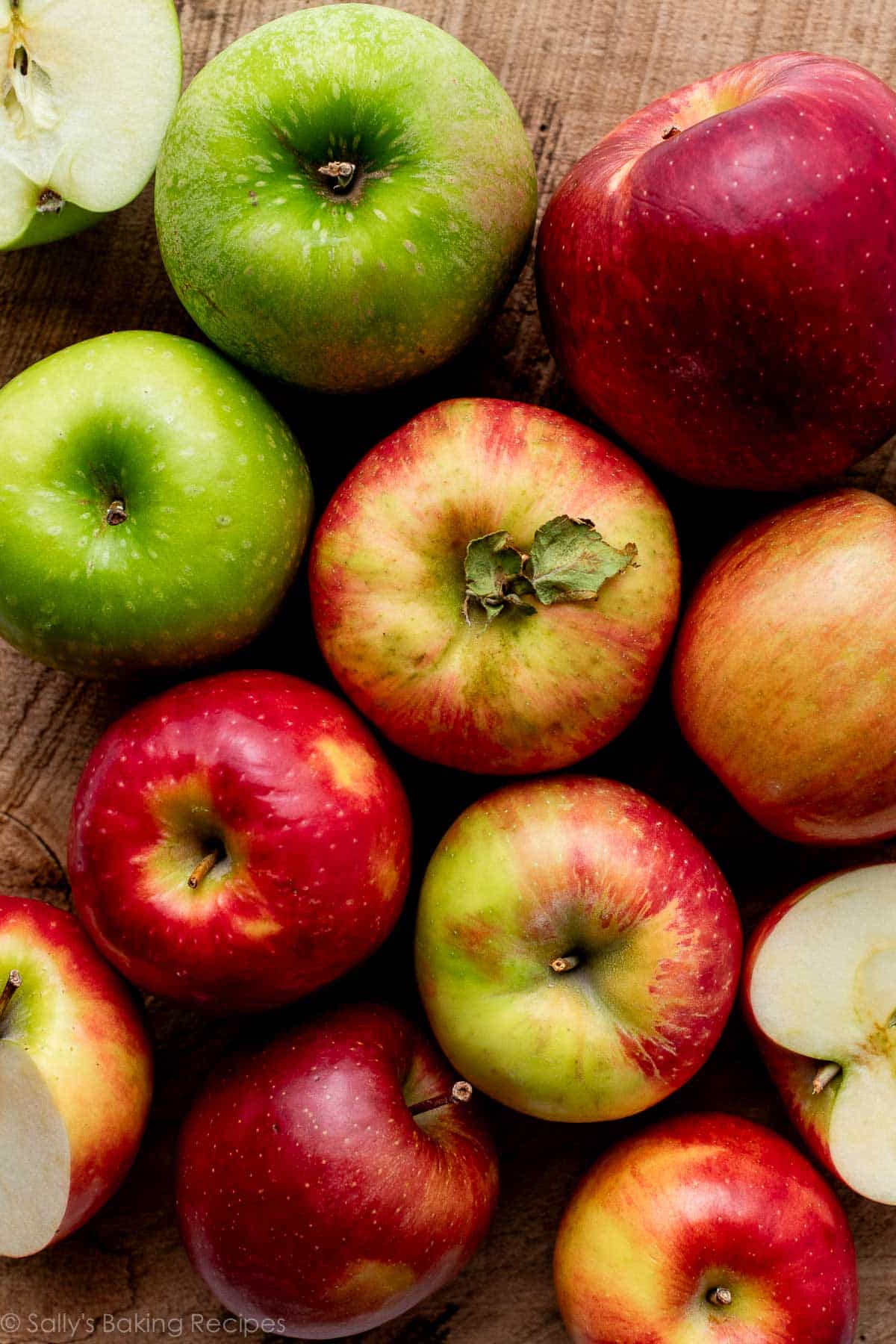
For centuries, apples have been a cornerstone of diets across continents, evolving from wild fruit to a cultivated staple. Originating in Central Asia, the apple, Malus domestica, spread via the Silk Road, finding fertile ground and appreciative palates in Europe and eventually the Americas. Its journey through history is punctuated by its adaptability, ease of storage, and suitability for a vast array of preparations. In the modern kitchen, apples are cherished not only for their inherent juiciness and flavor but also for their year-round accessibility, a testament to advanced agricultural practices and global distribution networks. From classic American apple pie to European strudels, British crumbles, and even savory dishes like sausage and herb stuffing, the apple’s culinary footprint is extensive and deeply embedded in diverse gastronomic traditions. The core challenge, however, lies in selecting the right varietal to ensure that a dish transitions from merely acceptable to truly exceptional.
The Crucial Role of Apple Texture in Baking
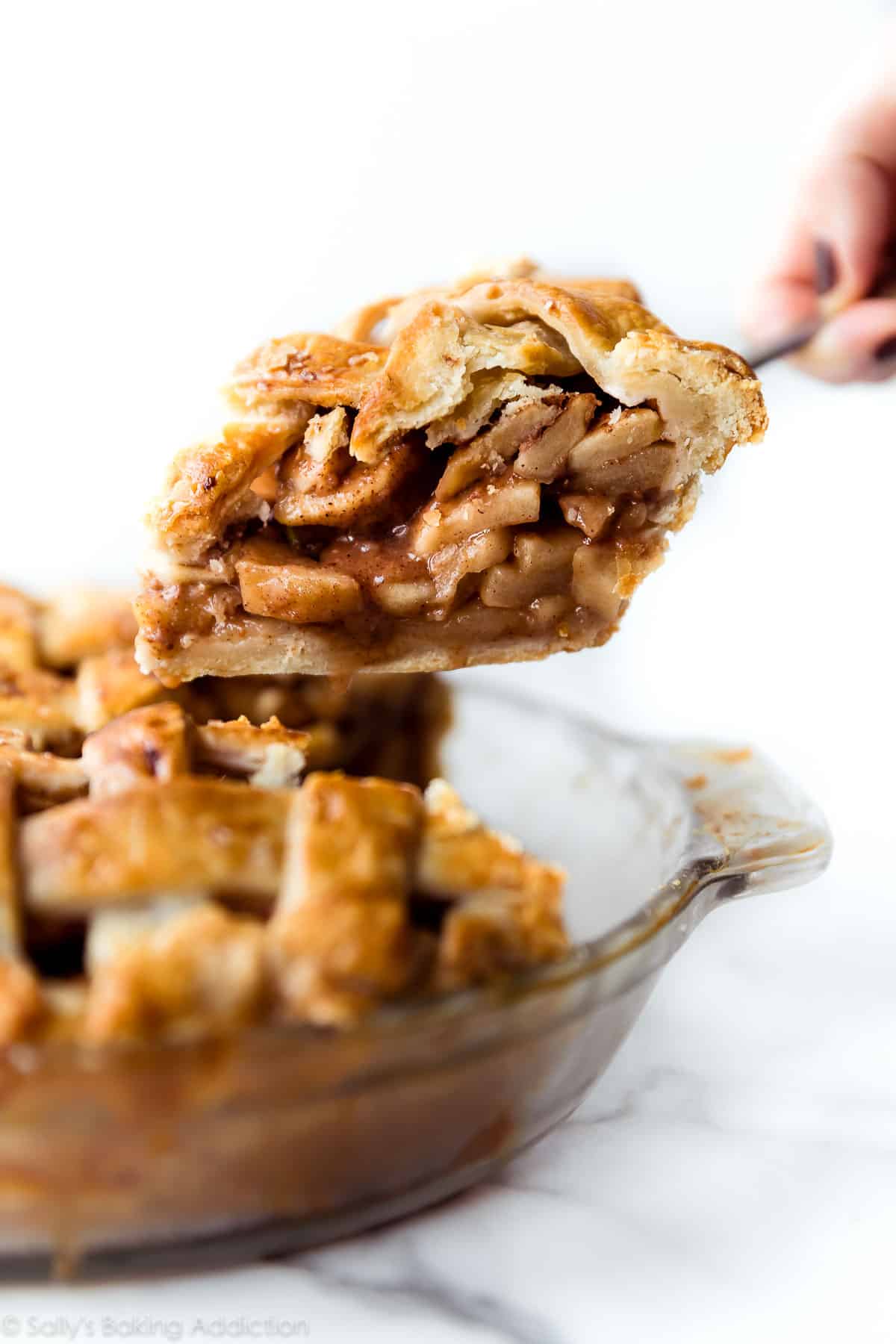
The most critical attribute of an apple destined for baking is its ability to maintain structural integrity under heat. Unlike apples intended for applesauce or apple butter, which are designed to break down into a smooth consistency, baking apples must resist this rapid cellular collapse. The secret lies primarily in the apple’s pectin content and the resilience of its cell walls. Pectin, a soluble dietary fiber, acts as a natural gelling agent, and its quantity and type vary significantly among apple varieties. Apples with higher pectin content and more robust cell structures are better equipped to withstand the sustained temperatures of an oven, retaining a pleasant "bite" or "crisp-tender" texture rather than dissolving into a pulpy mass.
Horticultural scientists and food technologists have long studied the biomechanics of apples to understand these differences. Dr. Elara Vance, a leading researcher in fruit physiology at the Institute of Food Science, once noted, "The ideal baking apple possesses a formidable cellular architecture. Its cells remain largely intact, preventing the release of excessive water and maintaining distinct pieces within the cooked product, which is crucial for mouthfeel and visual appeal."
Conversely, apples characterized by soft, mealy, or creamy flesh, such as Red Delicious, many Gala varieties, and McIntosh, are generally ill-suited for baking applications requiring structural retention. These varieties tend to have lower pectin levels and more delicate cell walls, causing them to soften quickly and disintegrate into mush, contributing to a watery or inconsistent texture in pies, tarts, and cakes. For dishes where a puréed consistency is desired, like applesauce, these softer apples are, of course, excellent choices.
Key Apple Varieties for Optimal Baking Texture:
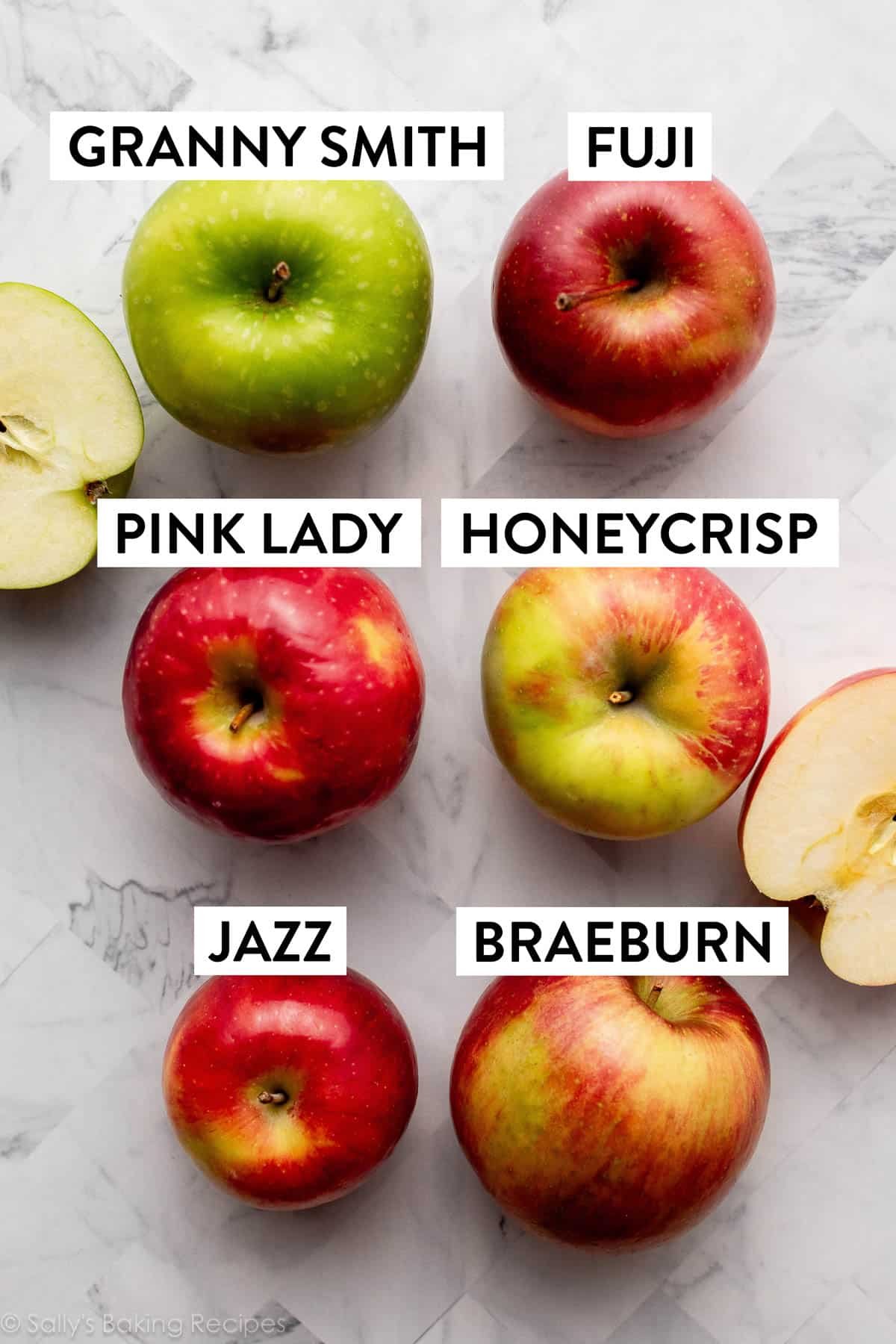
When selecting apples that promise to hold their shape, bakers should prioritize varieties known for their crisp, firm flesh. These include:

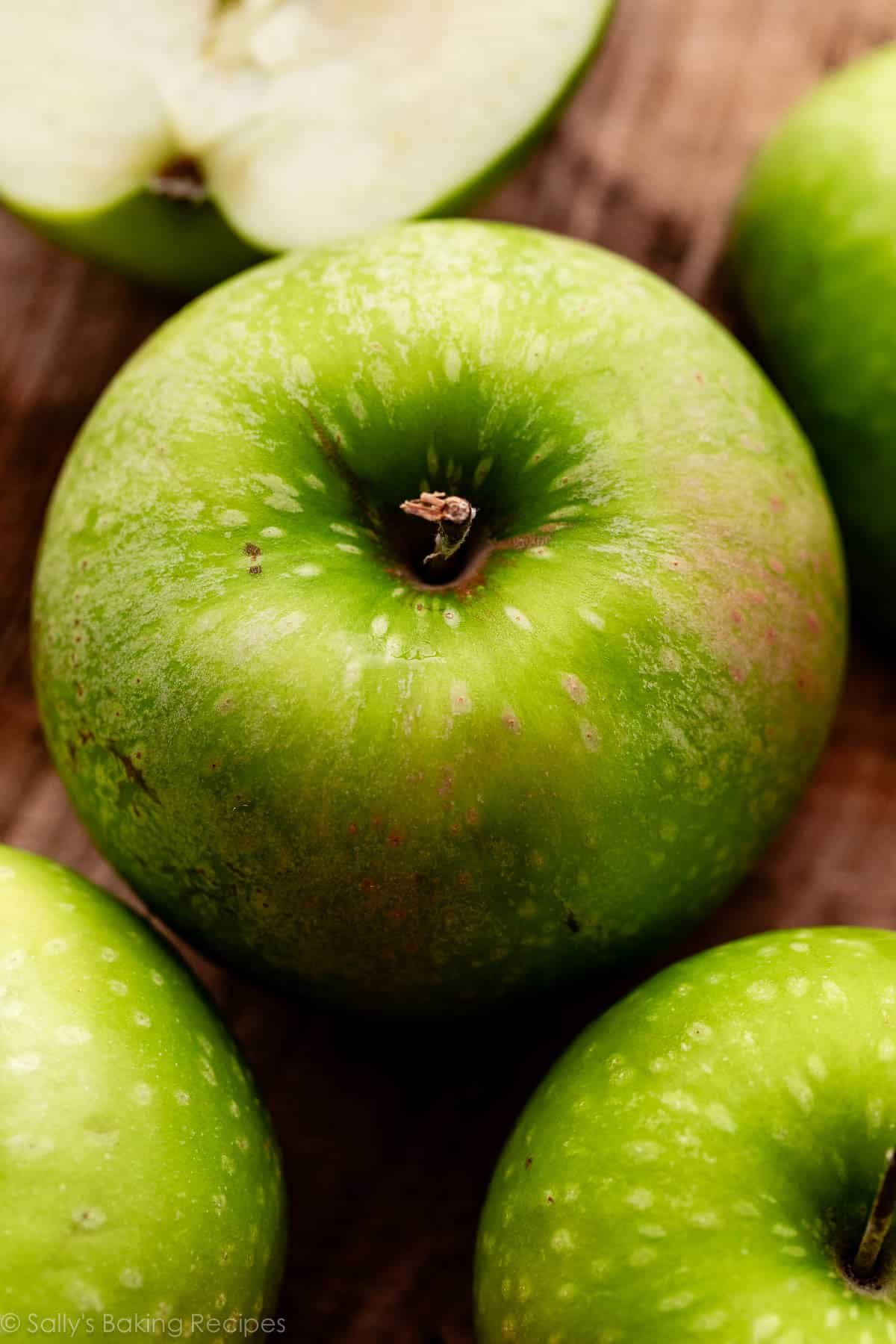
- Granny Smith: Renowned for its exceptional firmness and tartness.
- Honeycrisp: Celebrated for its explosive crispness and balanced sweet-tart profile.
- Fuji: Offers a dense, crisp texture with a sweet flavor.
- Braeburn: Provides a classic, firm texture with a sharp, aromatic taste.
- Pink Lady (Cripps Pink): Distinguished by its crispness and excellent shape retention, alongside a sweet-tart flavor.
- Jazz: A firm, crisp apple with a mildly tangy taste.
- Golden Delicious: While sweet, it often maintains a good texture when baked, especially in blends.
- Jonagold: A cross between Jonathan and Golden Delicious, offering a good balance of crispness and flavor.
- Rome Beauty: Often referred to as a "baking apple" due to its firm flesh and ability to hold shape well.
- Cortland: Known for its tender white flesh that resists browning and holds its shape.
- Northern Spy: A traditional baking apple, highly valued for its tartness and firmness.
The Symphony of Flavor: Sweetness and Tartness

Beyond texture, the flavor profile of an apple is equally vital. Successful apple baked goods often strike a delicate balance between sweetness and acidity. This balance prevents the dessert from being cloyingly sweet or overwhelmingly tart, creating a more complex and appealing sensory experience. The malic acid content dictates an apple’s tartness, while various sugars (fructose, glucose, sucrose) contribute to its sweetness.
Professional bakers frequently advocate for using a combination of apple varieties to achieve a multi-layered flavor. This approach allows for the interplay of different aromatic compounds and sugar-acid ratios, resulting in a more dynamic and interesting final product. "A singular apple variety, no matter how good, often falls short of the full flavor spectrum a blend can offer," remarks Chef Antoine Dubois, a culinary instructor specializing in patisserie. "The tartness cuts through the richness of fats and sugars, while sweetness enhances the fruit’s natural notes, creating a harmony that elevates the entire dish."
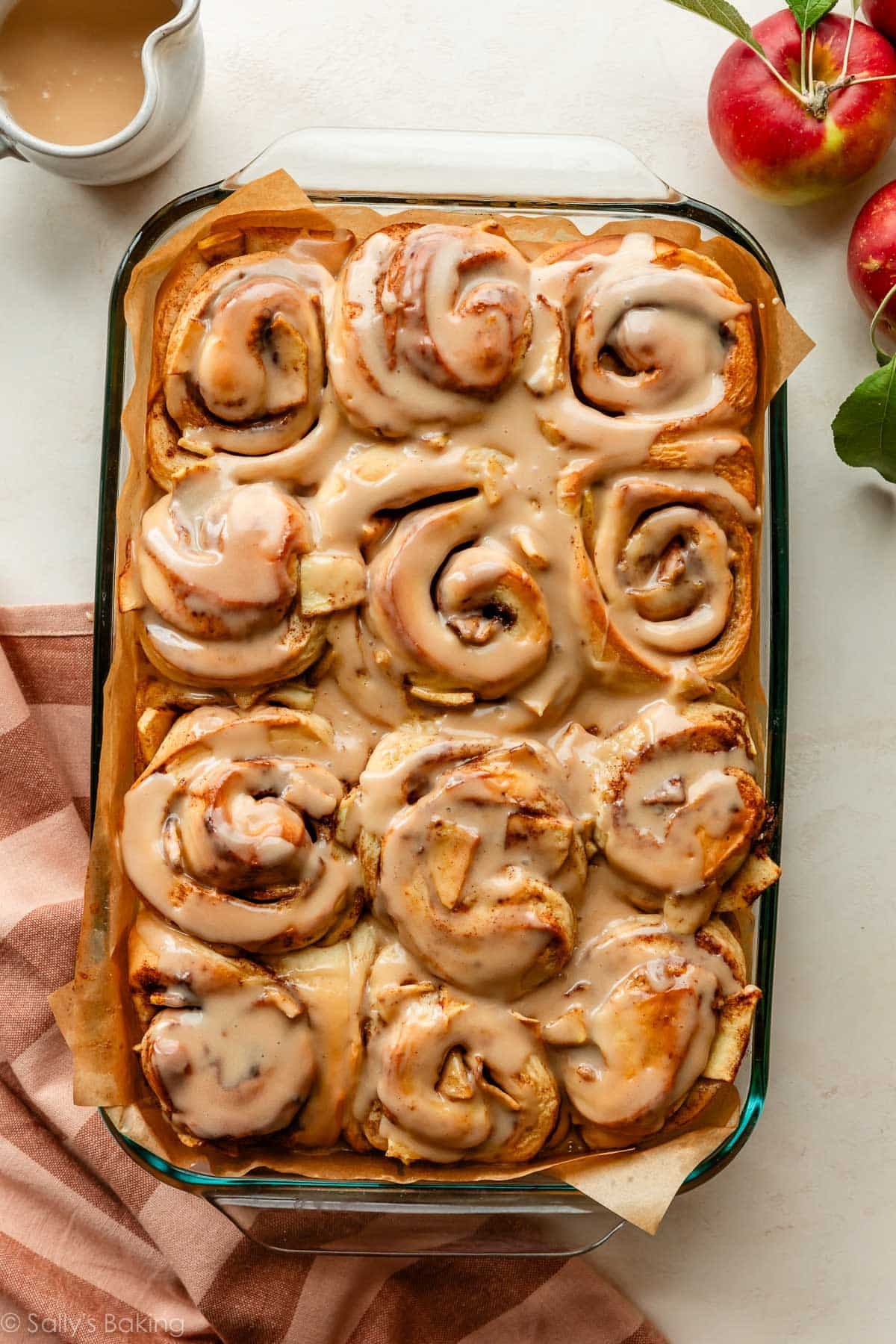
Best Tart Apples for Baking:
These varieties bring a crucial acidic counterpoint, preventing baked goods from tasting flat:

- Granny Smith: The quintessential tart apple, its bright, citrusy notes are ideal for balancing sugary recipes.
- Northern Spy: A heritage variety, known for its strong tart flavor and aromatic qualities.
- Cortland: Offers a mild tartness and resists browning, making it visually appealing in open tarts.
- Braeburn: Delivers a distinctive sharp apple flavor with good acidity.
Best Sweet Apples for Baking:
These varieties contribute depth and natural sweetness, reducing the need for excessive added sugar:
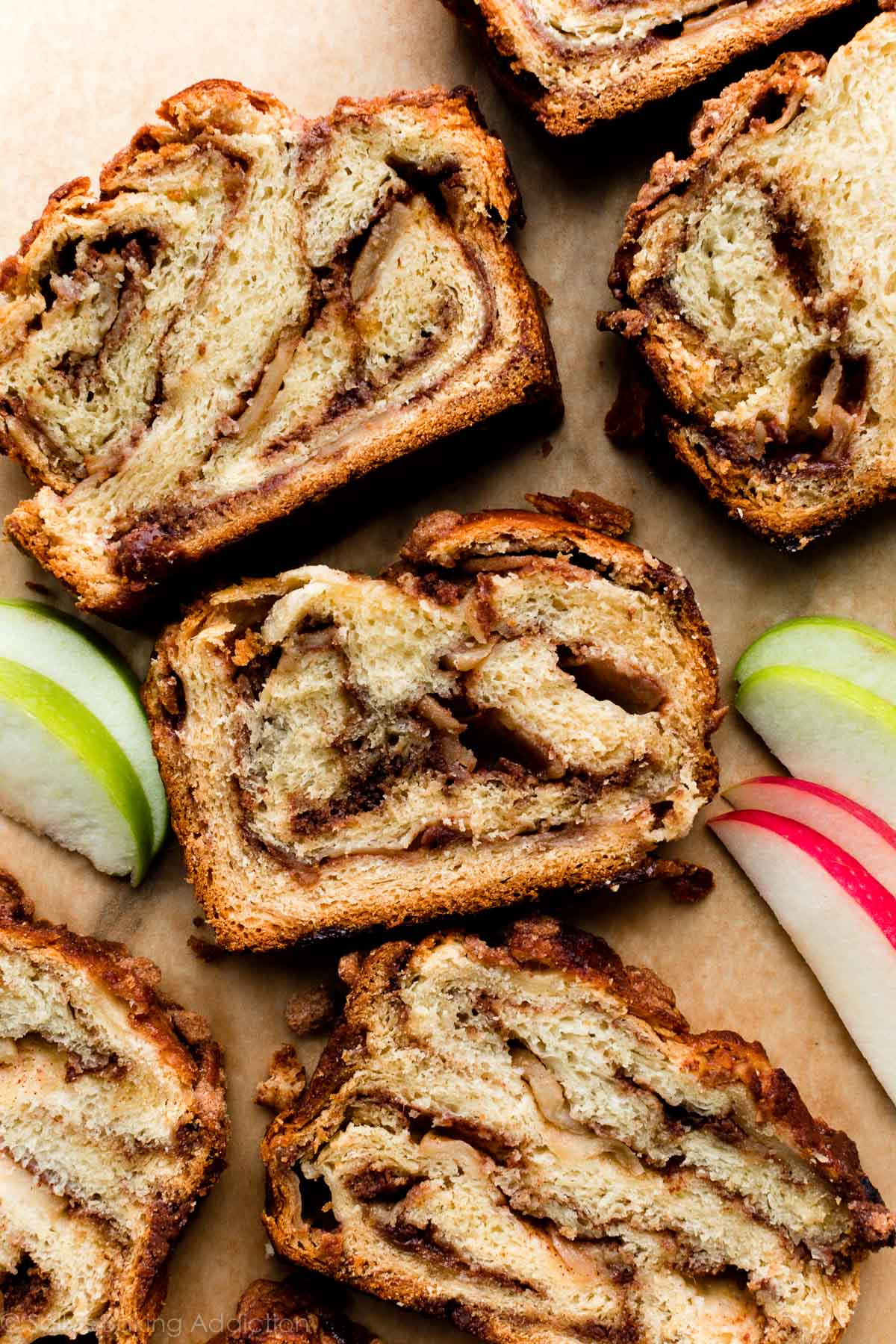
- Honeycrisp: Its pronounced honey-sweet flavor and intense juiciness transfer beautifully to baked items.
- Fuji: Known for its crispness and exceptionally sweet, low-acid profile.
- Golden Delicious: A classic sweet apple that softens but generally holds its shape, contributing a mellow sweetness.
- Jazz: A robust sweet apple with a hint of tang, offering a complex flavor.
- Pink Lady (Cripps Pink): A balanced sweet-tart profile that leans sweet, adding a vibrant flavor dimension.
- Jonagold: A harmonious blend of sweetness and a slight tartness from its parent varieties.
- Rome Beauty: While primarily chosen for texture, it offers a subtle sweetness that complements other flavors.
When aiming for a blend, a common recommendation is to use an equal ratio of tart to sweet apples. For instance, a recipe requiring four apples might benefit from two Granny Smiths for their piquant tartness and two Honeycrisps or Jazz apples for their sweet, crisp counterpoint. If constrained to a single variety, the Granny Smith often stands out as the most versatile choice due to its firm texture and sharp flavor, which can be mellowed by sugar in the recipe.
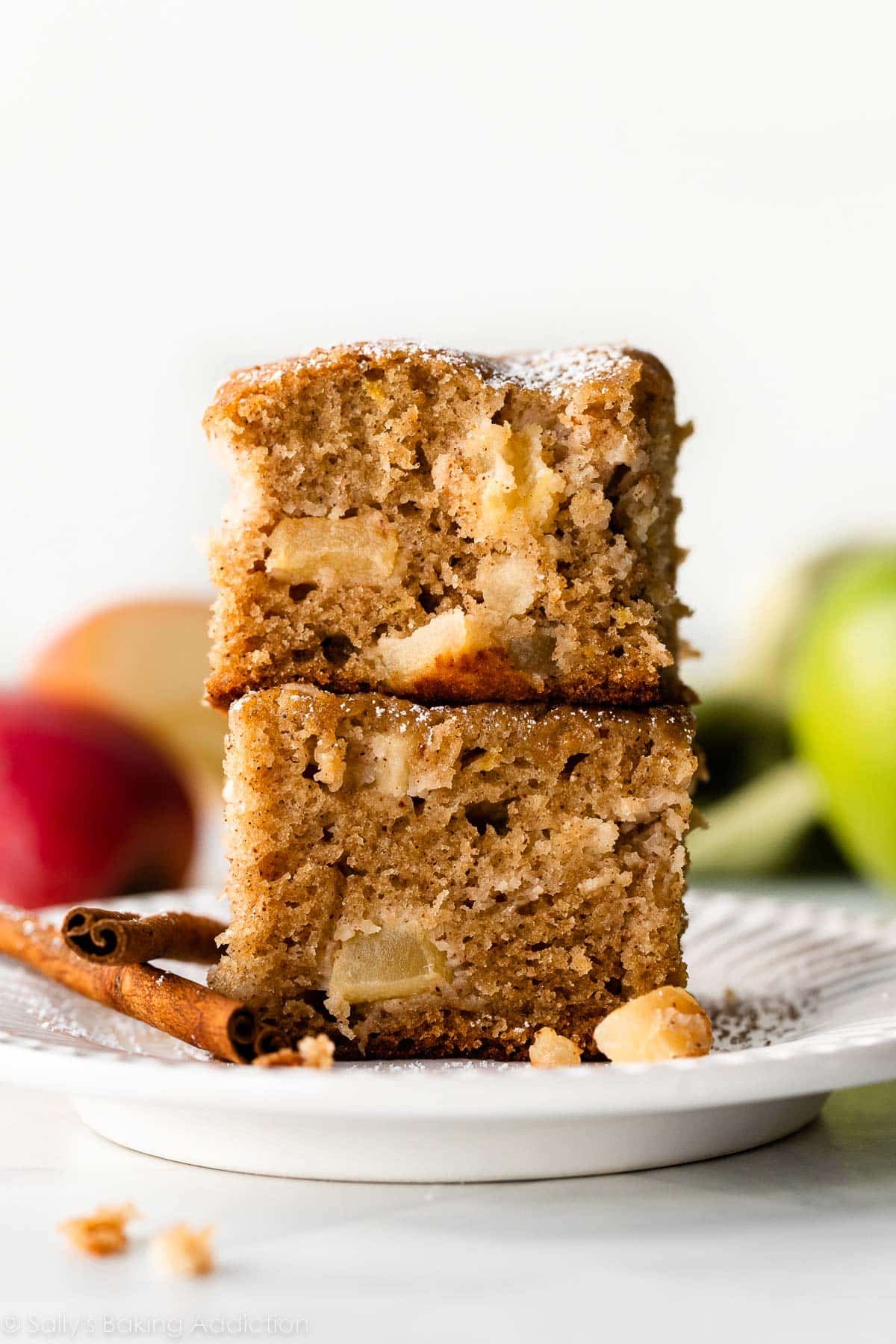
Preparation: Techniques for Culinary Success
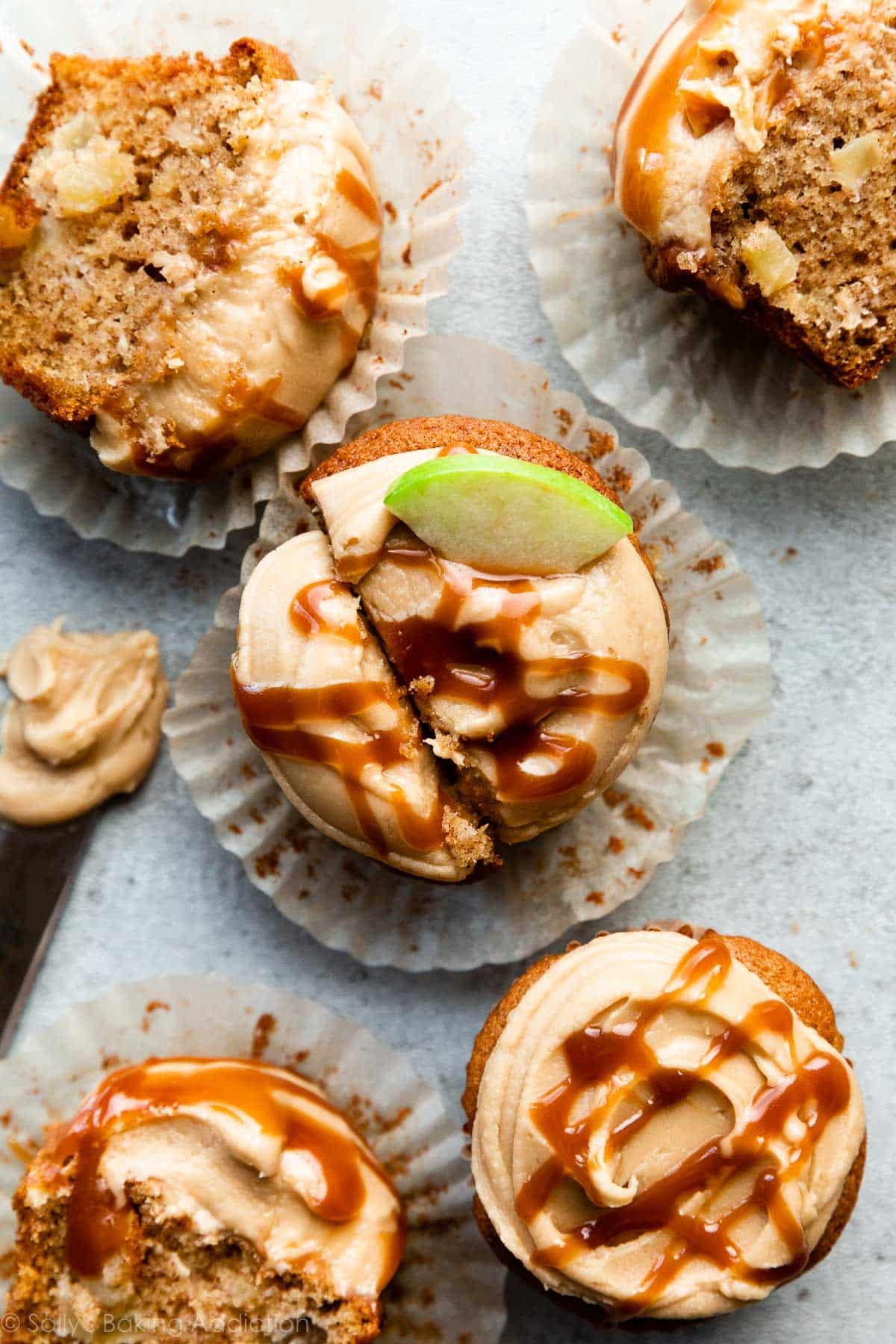
Proper apple preparation is as important as selection. The method of preparing apples—whether peeled, cored, sliced, or chopped—should align with the specific requirements of the recipe to ensure even cooking and optimal texture.
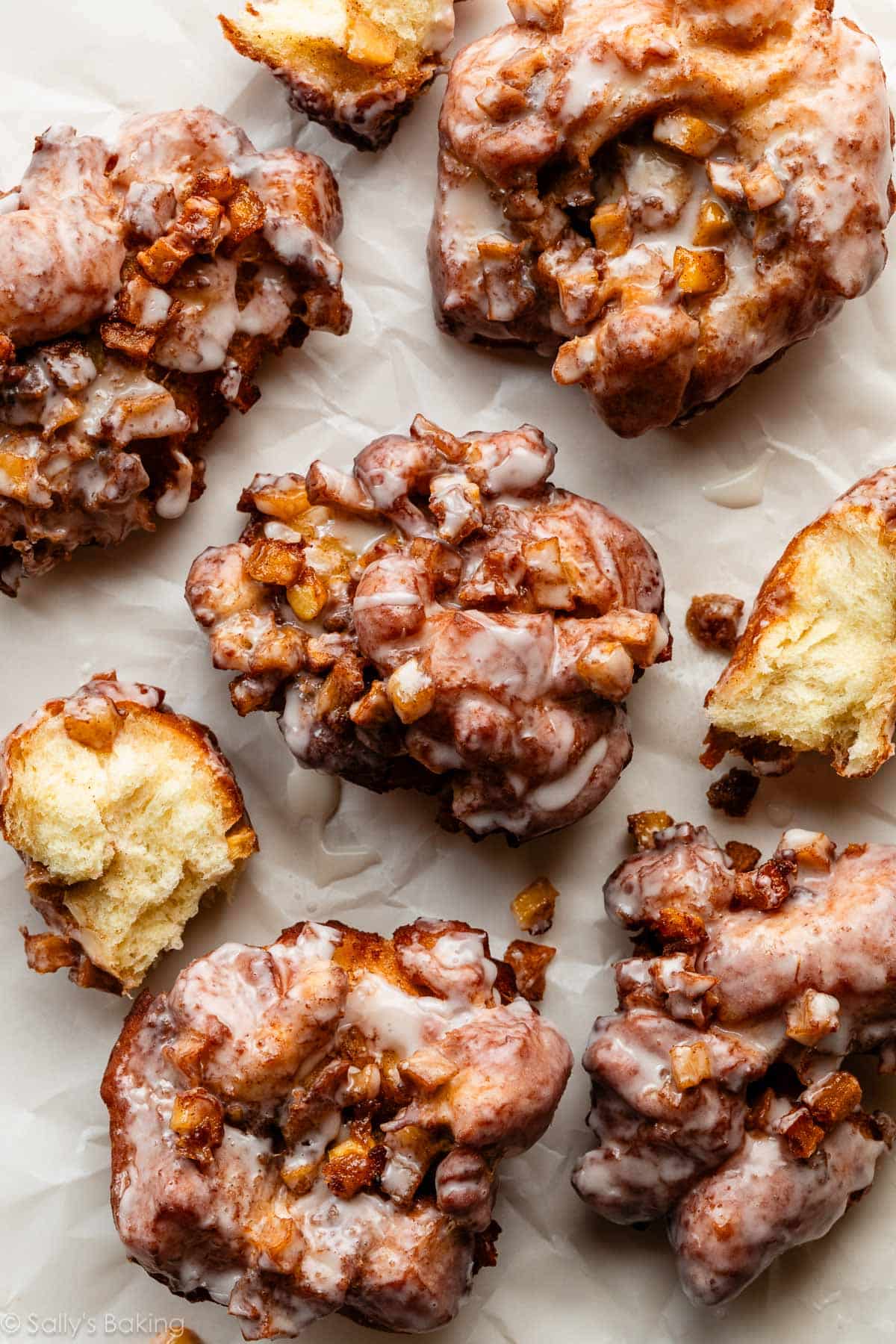
- Peeling: While some rustic recipes embrace the apple skin for added fiber, color, and texture, many baking applications, especially pies and fine pastries, benefit from peeled apples. The skin can become tough or separate from the flesh during baking. Various tools are available, from simple hand peelers to more elaborate crank-style apple peelers, which can core and slice simultaneously. The age-old debate between peeling in one continuous spiral or short strips often sparks friendly kitchen rivalries, but ultimately, efficiency and safety are the primary concerns.
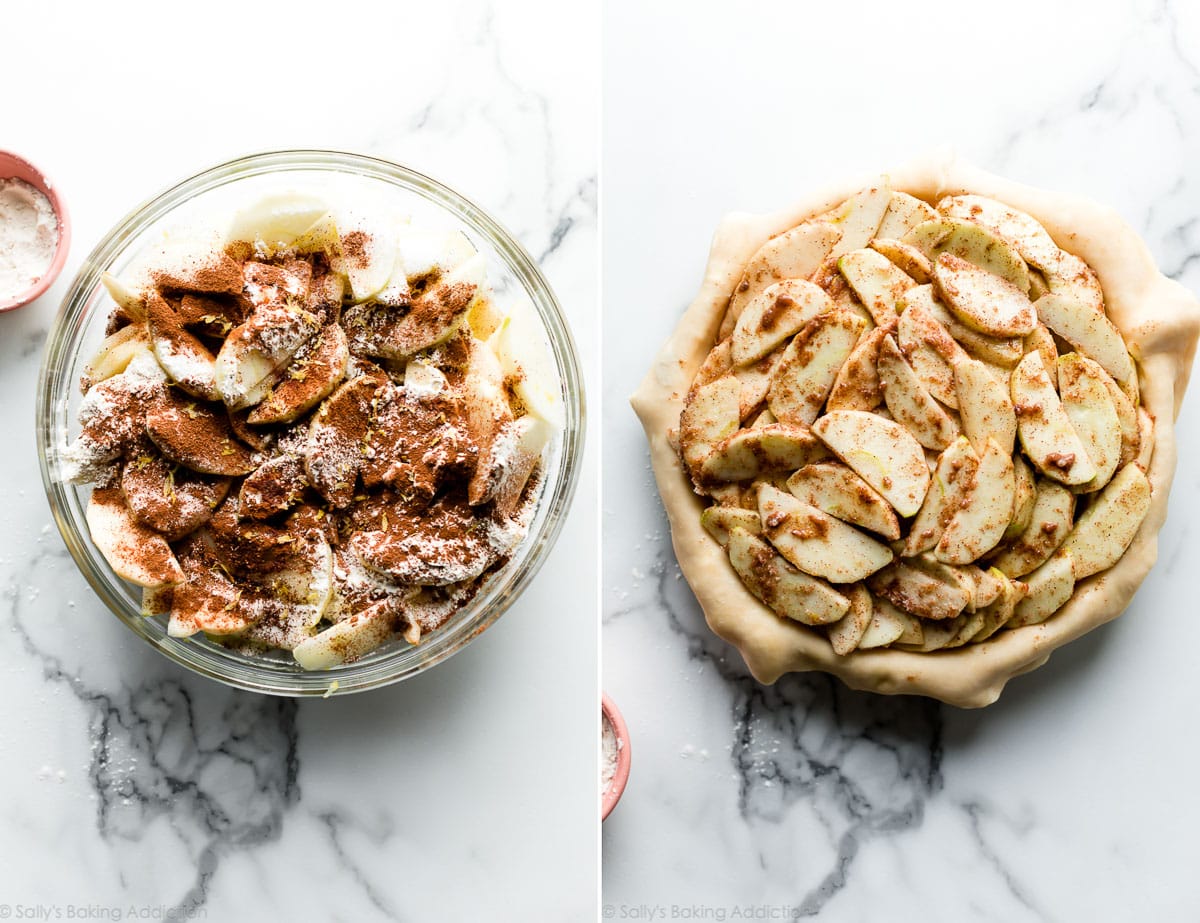
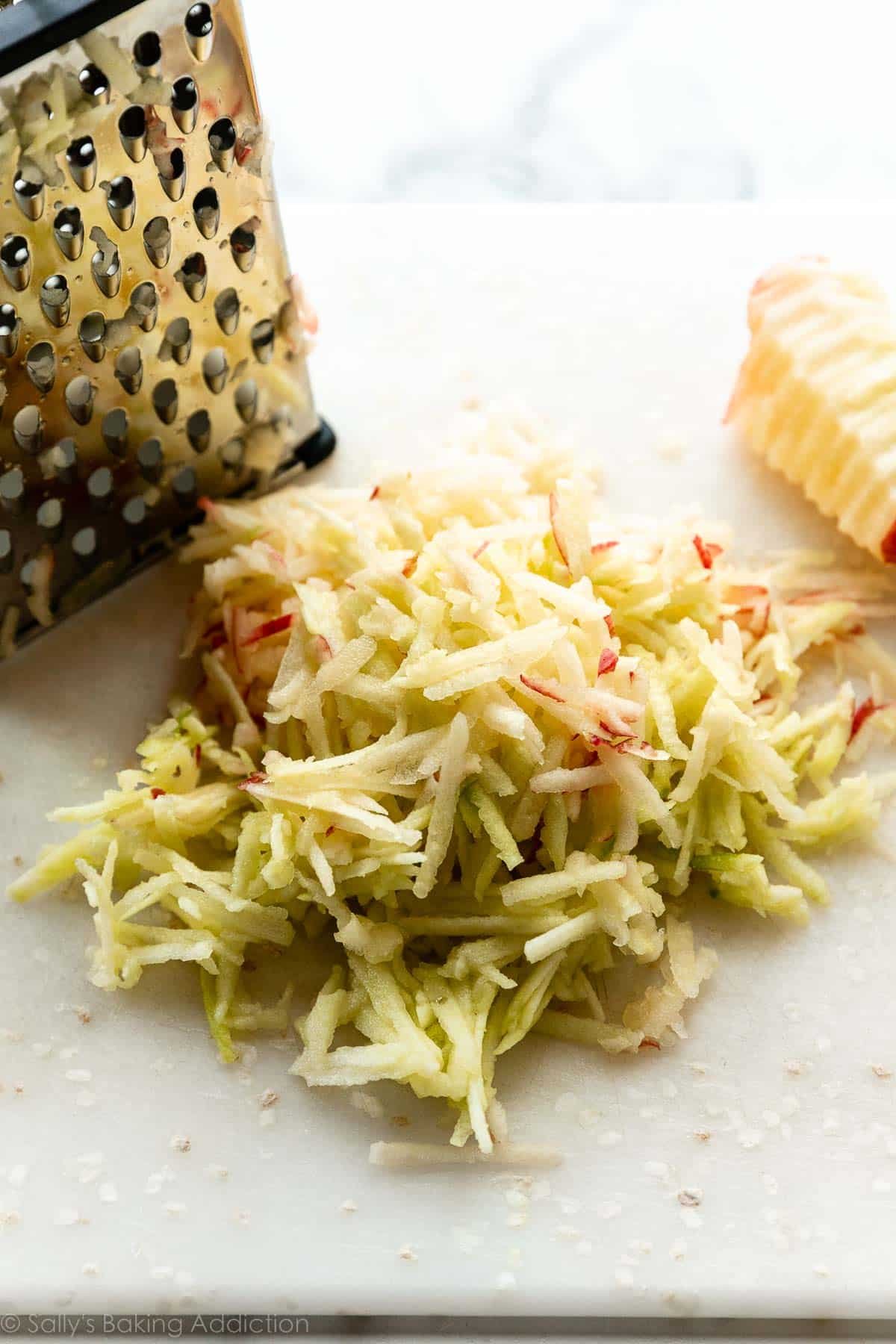
- Corning and Slicing/Chopping: After peeling, coring is essential to remove the fibrous core and seeds. For dishes like apple pie or apple cobbler, uniform slices, typically about 1/4 inch thick, are recommended. Consistency in size ensures that all apple pieces cook at the same rate, preventing some from becoming mushy while others remain undercooked. For dishes like apple crisp or certain muffins, larger chunks might be preferred for a heartier texture that is easily scooped. Shredded apples, often used in recipes like morning glory muffins or quick breads, integrate seamlessly into batters, providing moisture and dispersed apple flavor. A simple box grater is effective for this purpose.
- Preventing Oxidation: Once cut, apple flesh quickly oxidizes and turns brown when exposed to air. To mitigate this, especially if preparing apples in advance, a common technique is to toss them with a small amount of lemon juice or a solution of water and vitamin C powder. This acid bath slows down the enzymatic browning process, preserving the apples’ fresh appearance.
Broader Implications and Culinary Impact
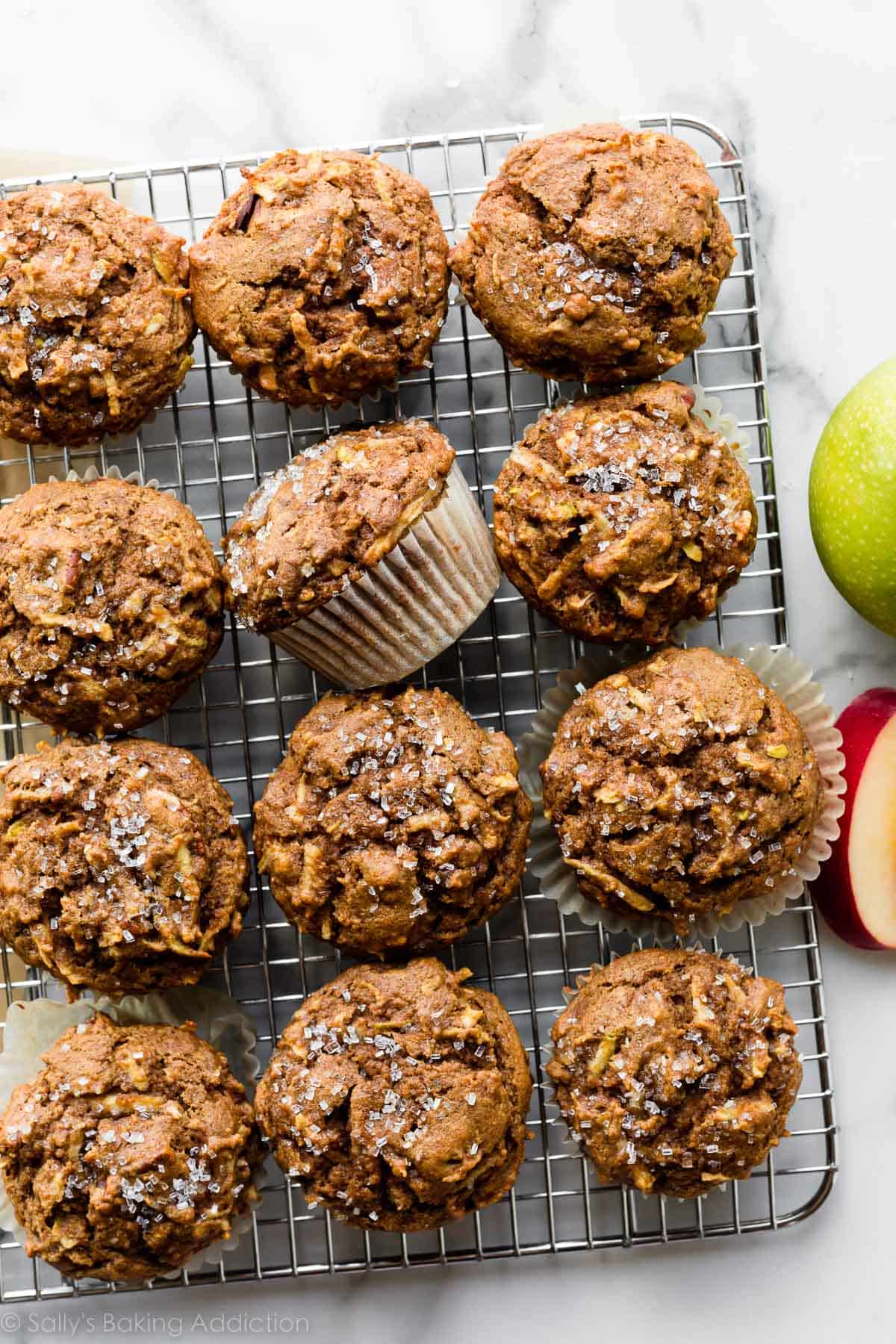
The meticulous selection of apple varieties for baking has far-reaching implications, extending beyond the individual kitchen. For the commercial baking industry, consistency in quality and flavor is paramount. Bakeries often establish relationships with growers to source specific apple varieties that meet their exacting standards, influencing agricultural practices and market demand.
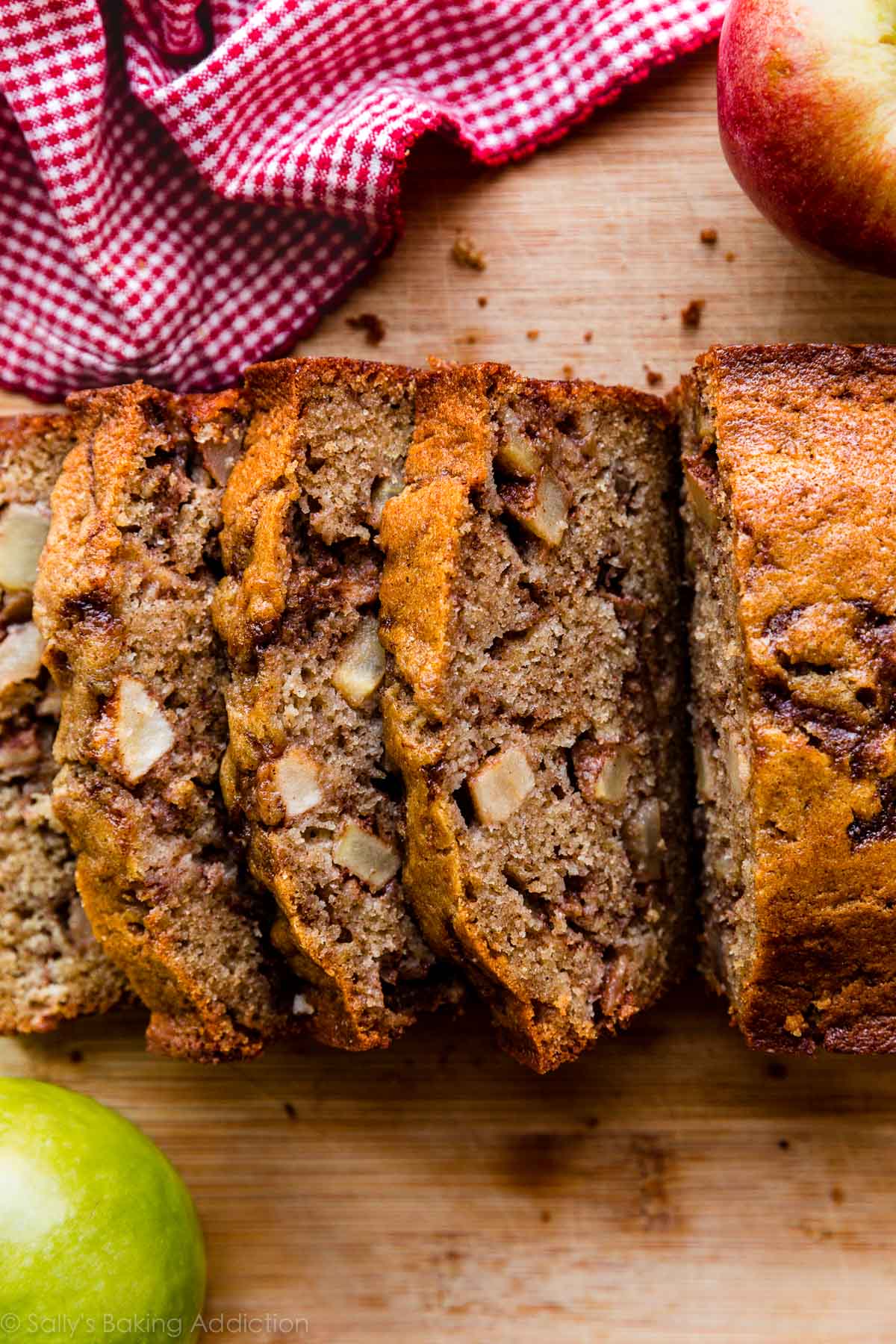
From an economic perspective, the demand for "baking apples" contributes significantly to the agricultural economy. Varieties like Granny Smith and Honeycrisp command premium prices due to their desirable baking characteristics, incentivizing growers to cultivate them. According to a report by the U.S. Apple Association, apples contribute billions to the national economy annually, with a substantial portion linked to their processing and culinary use.
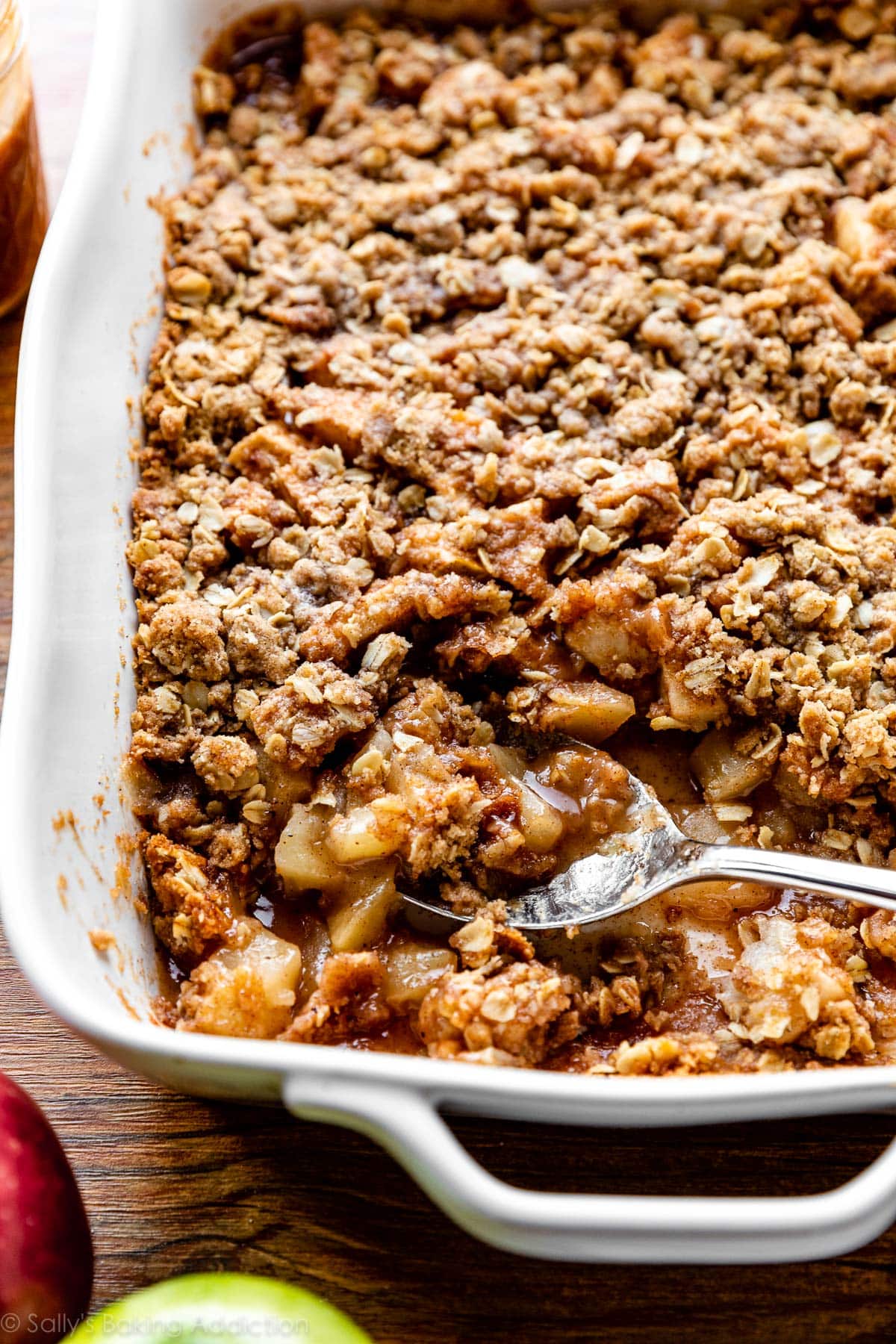
Furthermore, consumer education plays a vital role. As home baking experiences resurgence, driven by a desire for wholesome, homemade goods, understanding apple varieties empowers consumers to make informed choices at the grocery store or farmers’ market. This knowledge fosters greater culinary confidence and encourages experimentation, leading to more satisfying baking experiences. The wide array of apple-centric recipes—from hearty cobblers and spiced muffins to delicate tarts and robust breads—underscores the fruit’s indispensable role in both traditional comfort food and innovative contemporary cuisine.
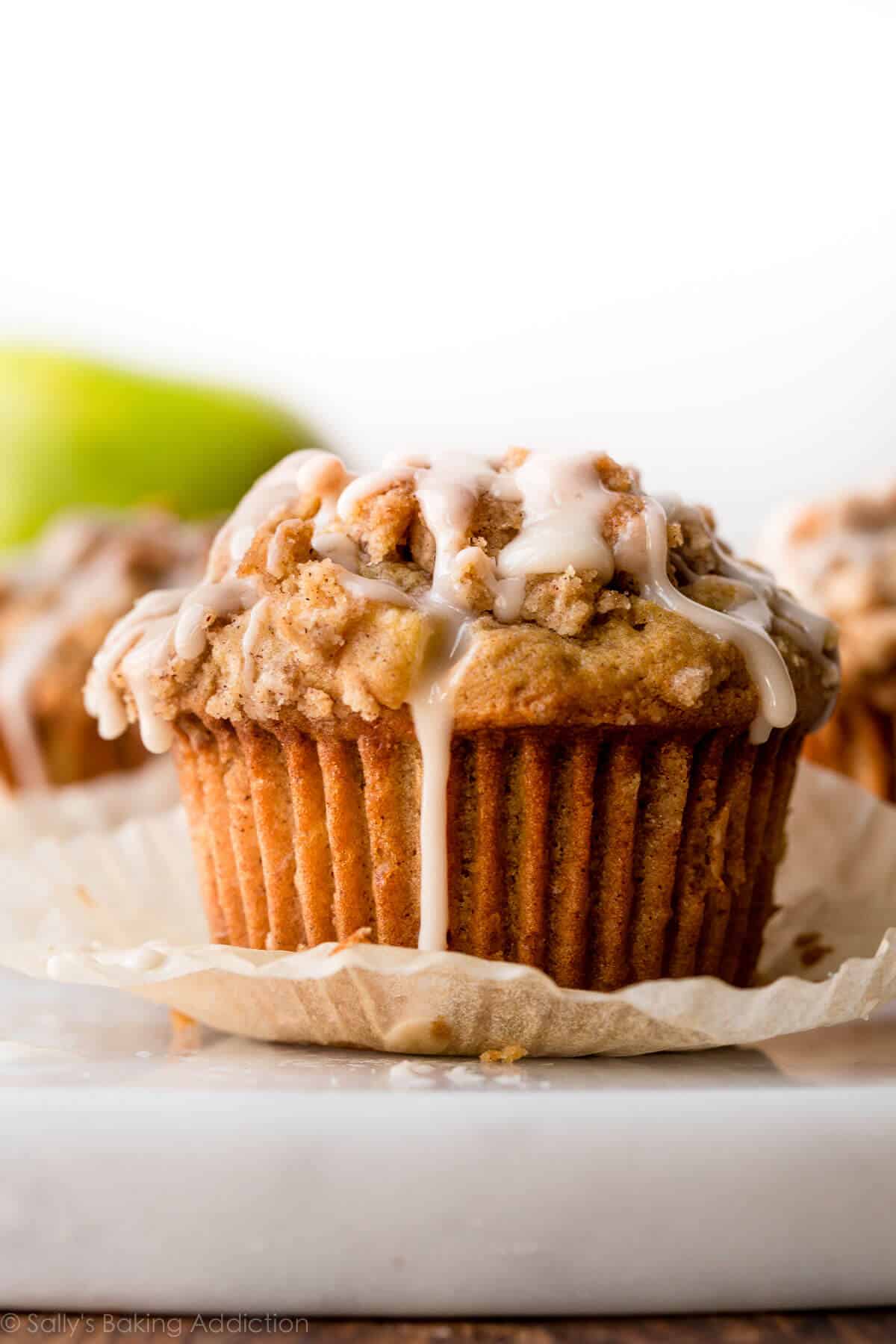
In conclusion, the journey to perfecting apple baked goods begins with an informed selection of the fruit itself. By prioritizing apples known for their firm texture and carefully balancing sweet and tart varieties, bakers can unlock a spectrum of flavors and textures that elevate their creations. This methodical approach, rooted in an understanding of apple physiology and culinary science, ensures that every bite offers a delightful experience, reinforcing the apple’s timeless legacy as a baking champion.
