

The convergence of chronic illness advocacy and a decade-old cold case of digital theft has recently highlighted the profound complexities of what experts term "living grief." Jodi Ettenberg, a former corporate lawyer turned influential travel writer and founder of the platform Legal Nomads, has reported the unexpected recovery of a significant digital archive stolen during a burglary in 2010. This development occurs as Ettenberg continues to navigate a debilitating medical condition—a spinal cerebrospinal fluid (CSF) leak—that has fundamentally altered her career and physical capabilities since 2017. The recovery of these memories serves as a focal point for a broader discussion on disability, societal expectations of recovery, and the role of digital archives in maintaining personal identity during long-term illness.
The 2010 Brooklyn Burglary and the Loss of Digital Identity
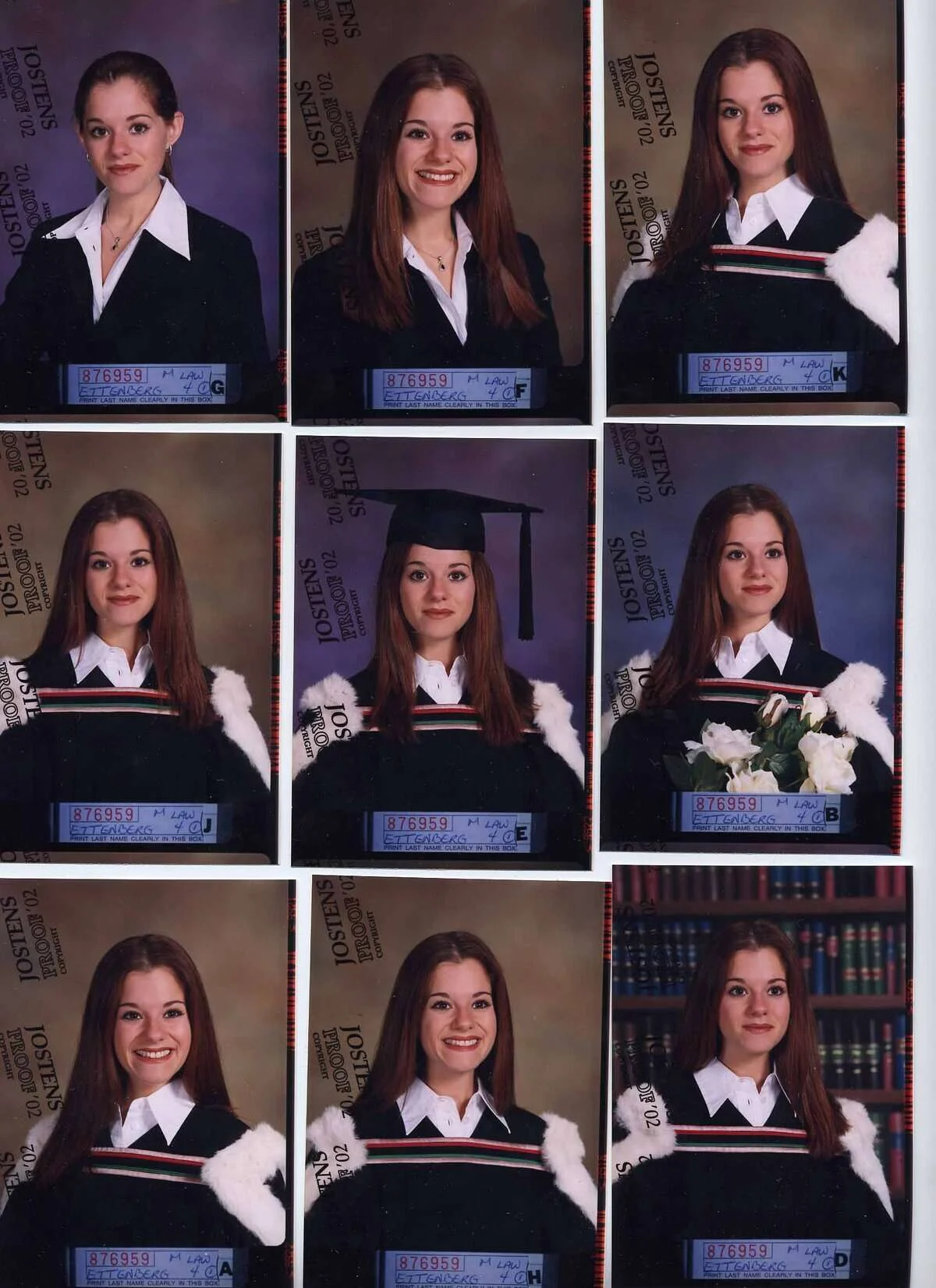
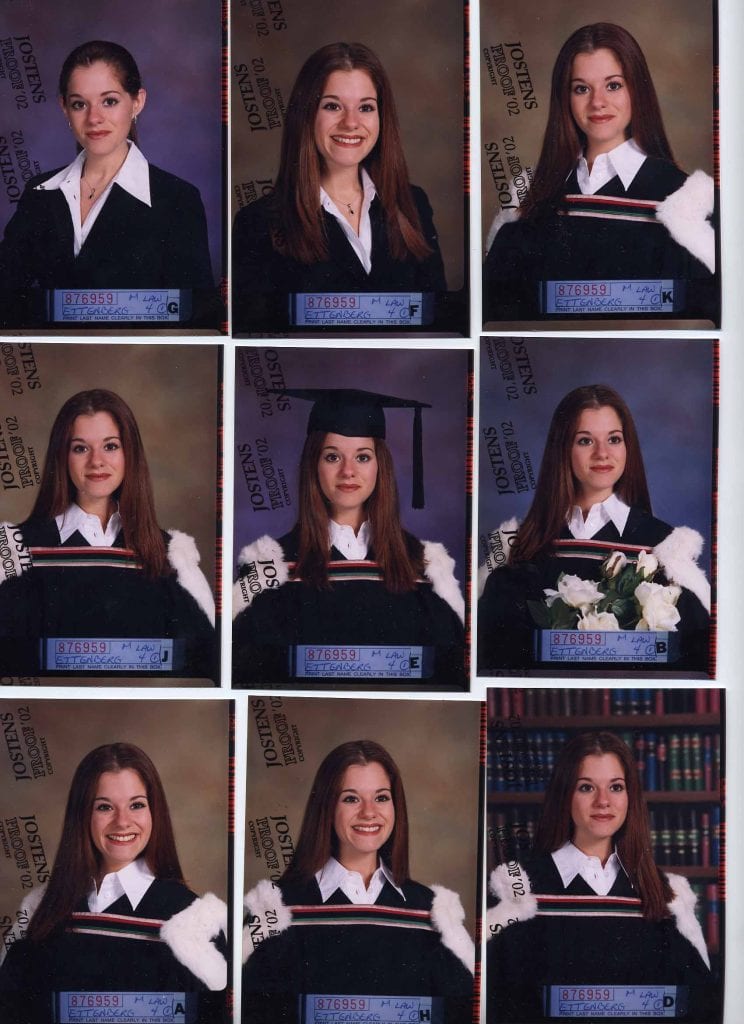
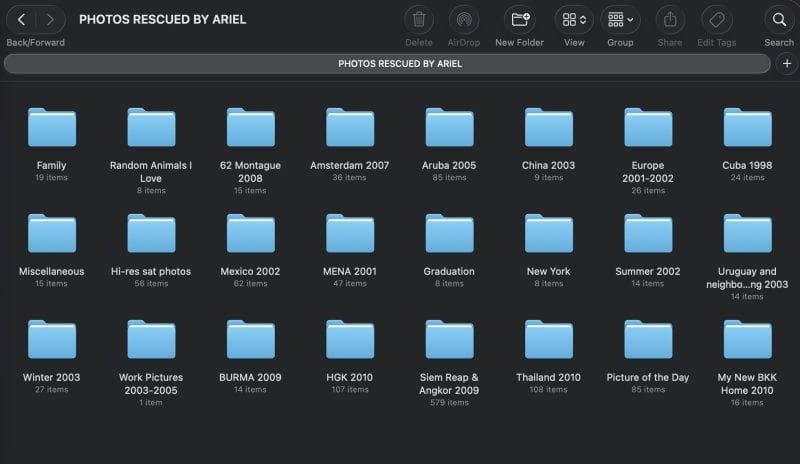
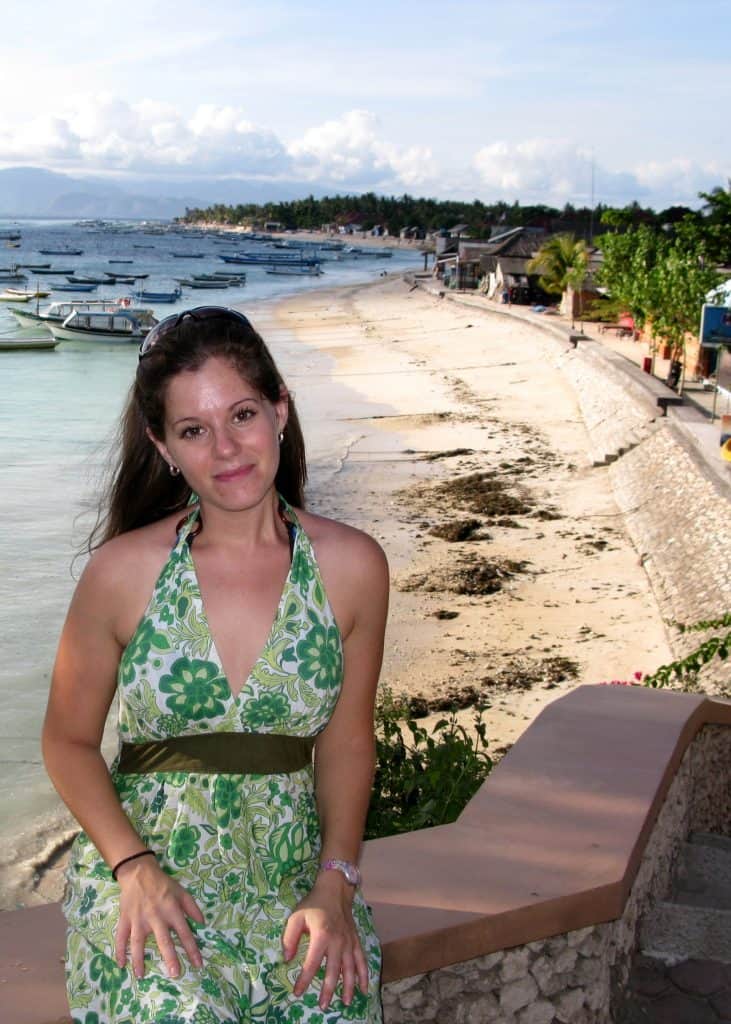
In 2010, while Ettenberg was establishing herself as a pioneer in the "digital nomad" movement, her residence in Brooklyn, New York, was targeted by a burglar. The perpetrator absconded with a laptop and multiple external hard drives containing the only copies of her photography and writing from a two-year global expedition. These archives included high-resolution documentation of her travels through Southeast Asia and South America, law school graduation proofs, and irreplaceable family photographs.
At the time, cloud storage was not yet a standard industry practice, and the theft resulted in the total loss of Ettenberg’s professional and personal records from 2008 to 2010. Despite a public plea to her readership and the travel blogging community, the hardware remained missing for thirteen years. This event served as a precursor to a second burglary in 2017, which coincided with the onset of the medical complications that would eventually end her career as a professional traveler.
Medical Context: The Impact of Spinal CSF Leaks
The narrative of Ettenberg’s lost memories is inextricably linked to her health status. In August 2017, following a diagnostic lumbar puncture, Ettenberg sustained a spinal CSF leak—a condition where the dura mater, the tough membrane surrounding the brain and spinal cord, develops a hole or tear. This allows cerebrospinal fluid to escape, leading to a loss of fluid volume and pressure around the brain, a state known as intracranial hypotension.
According to the Spinal CSF Leak Foundation, the condition is often characterized by a "positional headache," which worsens when upright and improves when lying flat. However, for chronic sufferers like Ettenberg, the symptoms extend to neurological dysfunction, tinnitus, visual disturbances, and profound cognitive fatigue. While many leaks can be treated with an autologous epidural blood patch or fibrin glue, Ettenberg’s case has proven resistant to conventional surgical and non-surgical interventions.
Statistical data indicates that spontaneous spinal CSF leaks affect approximately 5 in 100,000 people annually, but iatrogenic leaks—those caused by medical procedures like lumbar punctures—are a recognized risk of spinal anesthesia and diagnostic testing. For a subset of patients, these leaks become chronic, leading to long-term disability. Ettenberg has spent much of the last seven years in a horizontal position, a transition she describes as a total loss of her former identity as an adventurer and mountain climber.

The Concept of Living Grief and Ambiguous Loss
Ettenberg’s recent writings have brought mainstream attention to the psychological framework of "living grief." Unlike bereavement, which follows a definitive death, living grief involves the ongoing mourning of a life or function that still exists in a diminished or altered state.
This concept aligns with the theory of "Ambiguous Loss," pioneered by Dr. Pauline Boss in the 1970s. Ambiguous loss occurs when a person is physically present but psychologically absent (as in dementia) or when a person is physically absent but remains a psychological presence (as in a missing person case). In the context of chronic illness, the "loss" is the patient’s former self.
Key characteristics of living grief identified in Ettenberg’s analysis include:

- Lack of Ritual: Society provides funerals and structured mourning for death, but there are no established communal rituals for the loss of mobility or career due to illness.
- Social Isolation: Chronic patients often report "ghosting" by friends or family who struggle to reconcile the patient’s lack of improvement with societal expectations of a "recovery narrative."
- Aggregate Grief: The compounding effect of missing daily activities—such as Ettenberg’s tradition of climbing a mountain for her birthday—creates a "death by a thousand cuts" emotional environment.
Chronology of Events: A Decade of Disruption and Recovery
The timeline of Ettenberg’s experience illustrates the volatile nature of chronic disability and the surprising ways digital history can resurface:
- 2008: Ettenberg resigns from her legal career to travel the world, launching Legal Nomads.
- 2010: First Brooklyn burglary; loss of all primary digital archives.
- August 2017: Lumbar puncture results in a chronic spinal CSF leak; second burglary occurs on the same day.
- 2018: A brief, temporary "seal" allows Ettenberg to climb Mount Royal in Montreal, the last mountain she has summited to date.
- April 2023: Death of Ettenberg’s stepmother, adding bereavement grief to her existing chronic health struggles.
- August 2023: A filmmaker in New York City contacts Ettenberg via social media regarding discovered hardware.
The Role of "Ariel": A Case Study in Digital Ethics
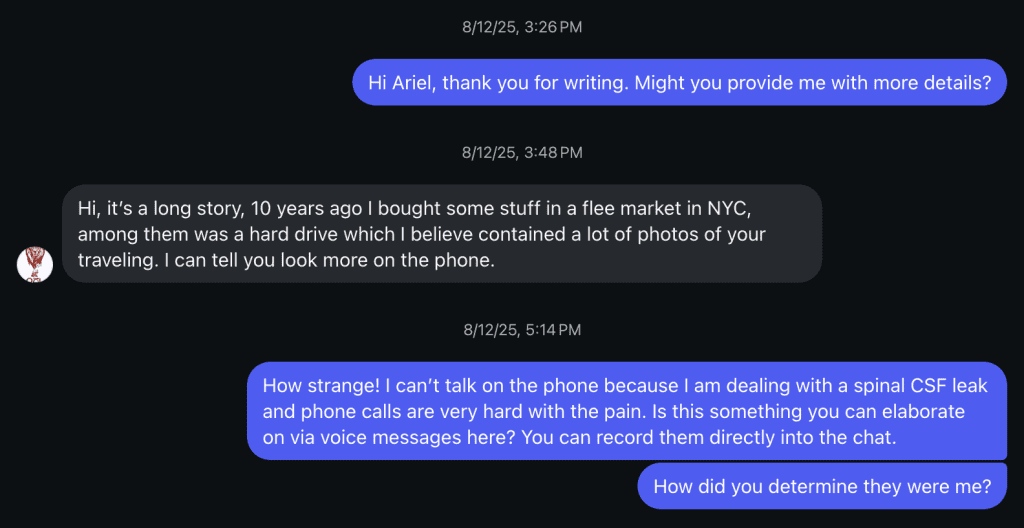
The recovery of the 2010 archives was facilitated by Ariel, a New York-based filmmaker. Ariel had purchased several used external hard drives at a Brooklyn flea market over a decade ago. Upon discovering that the drives contained personal data rather than being wiped, he opted to back up the files before reformatting the hardware, hoping to one day locate the owner.

After years of the files sitting dormant on his own servers, Ariel utilized the biographical clues within the folders—specifically law school graduation photos labeled with Ettenberg’s surname—to conduct a search. Given Ettenberg’s public profile as a writer and advocate, he was able to verify her identity through her current social media presence.
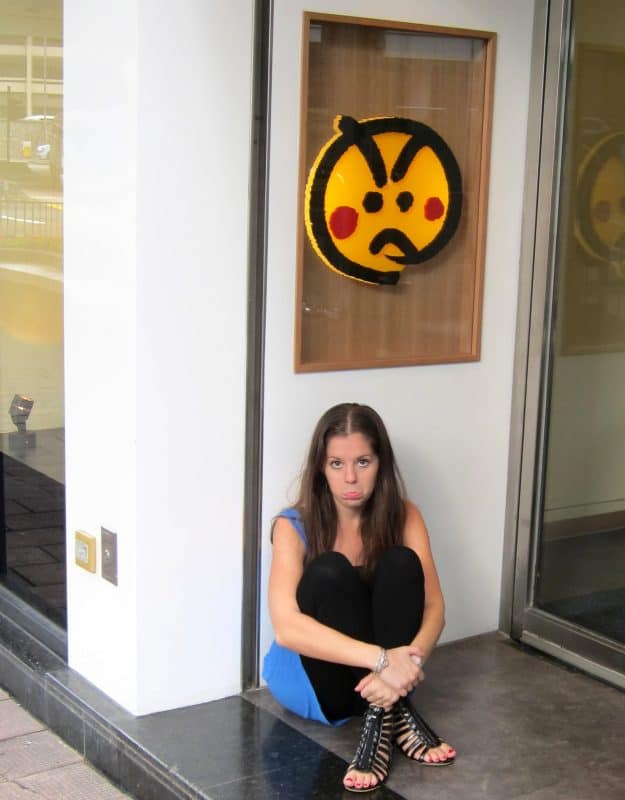
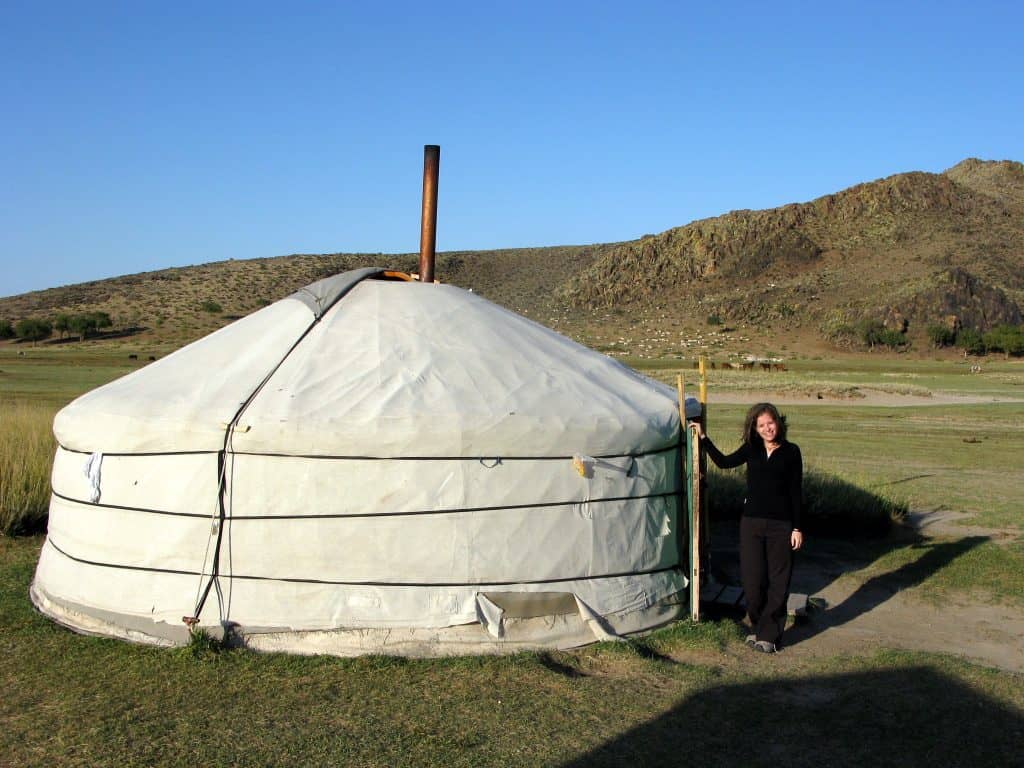
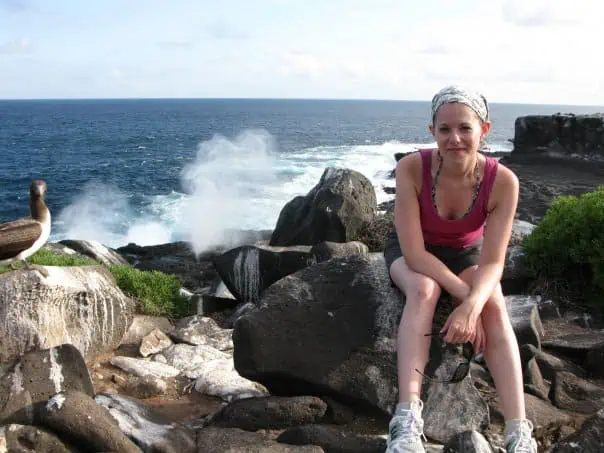
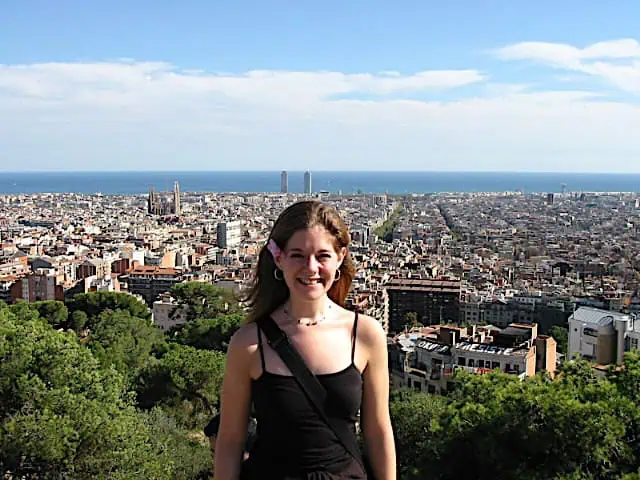
In a professional capacity, Ariel’s actions represent a rare instance of "digital returning," where the recipient of second-hand goods takes proactive steps to restore data to its original creator. On Ettenberg’s 46th birthday, Ariel provided a download link that restored thousands of photos from her travels in Mongolia, the Galapagos Islands, and Southeast Asia, as well as irreplaceable family records.
Societal Implications and the "Recovery Narrative"
The intersection of Ettenberg’s medical journey and the return of her memories highlights a significant disconnect in how modern society views disability. Professional analysis suggests that the "recovery narrative"—the expectation that a sick person will eventually "win" their battle and return to their former productivity—can be harmful to those with permanent or fluctuating disabilities.
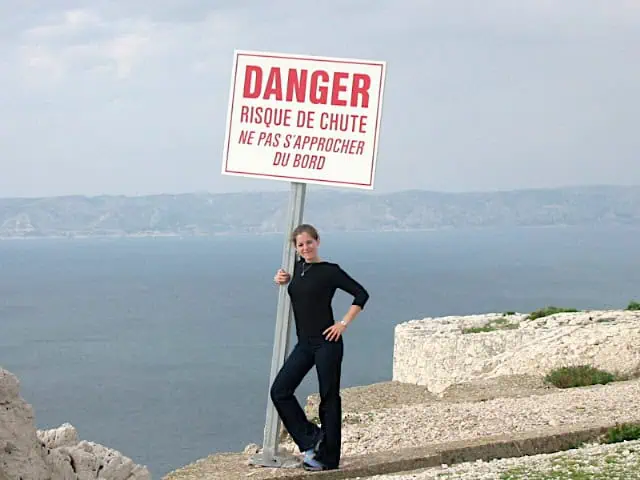
Ettenberg’s advocacy emphasizes that for many, "fighting harder" is not a viable medical strategy. The pressure to present "progress pics" or quantifiable improvements can lead to the "othering" of disabled individuals. The return of her travel photos, while a source of joy, also served as a painful reminder of the physical capabilities she no longer possesses, illustrating the "two birds" of human experience: the simultaneous existence of joy and grief.

Conclusion: The Broader Impact of Narrative Advocacy
The story of Jodi Ettenberg and the recovered 2010 archives is more than a personal anecdote of serendipity; it is a testament to the endurance of personal identity in the face of systemic medical and personal loss. By documenting her transition from a high-functioning lawyer and traveler to a bed-bound advocate, Ettenberg has provided a roadmap for others navigating invisible illnesses.

Her work continues to influence the medical community’s understanding of patient perspectives on CSF leaks and the psychological toll of long-term disability. As of August 2024, Ettenberg remains a vocal advocate for the disabled community, using her platform to challenge ableist structures and to foster a more nuanced understanding of grief. The recovery of her "lost memories" serves as a rare bridge between her past and present, offering a sense of continuity in a life defined by profound disruption.
