

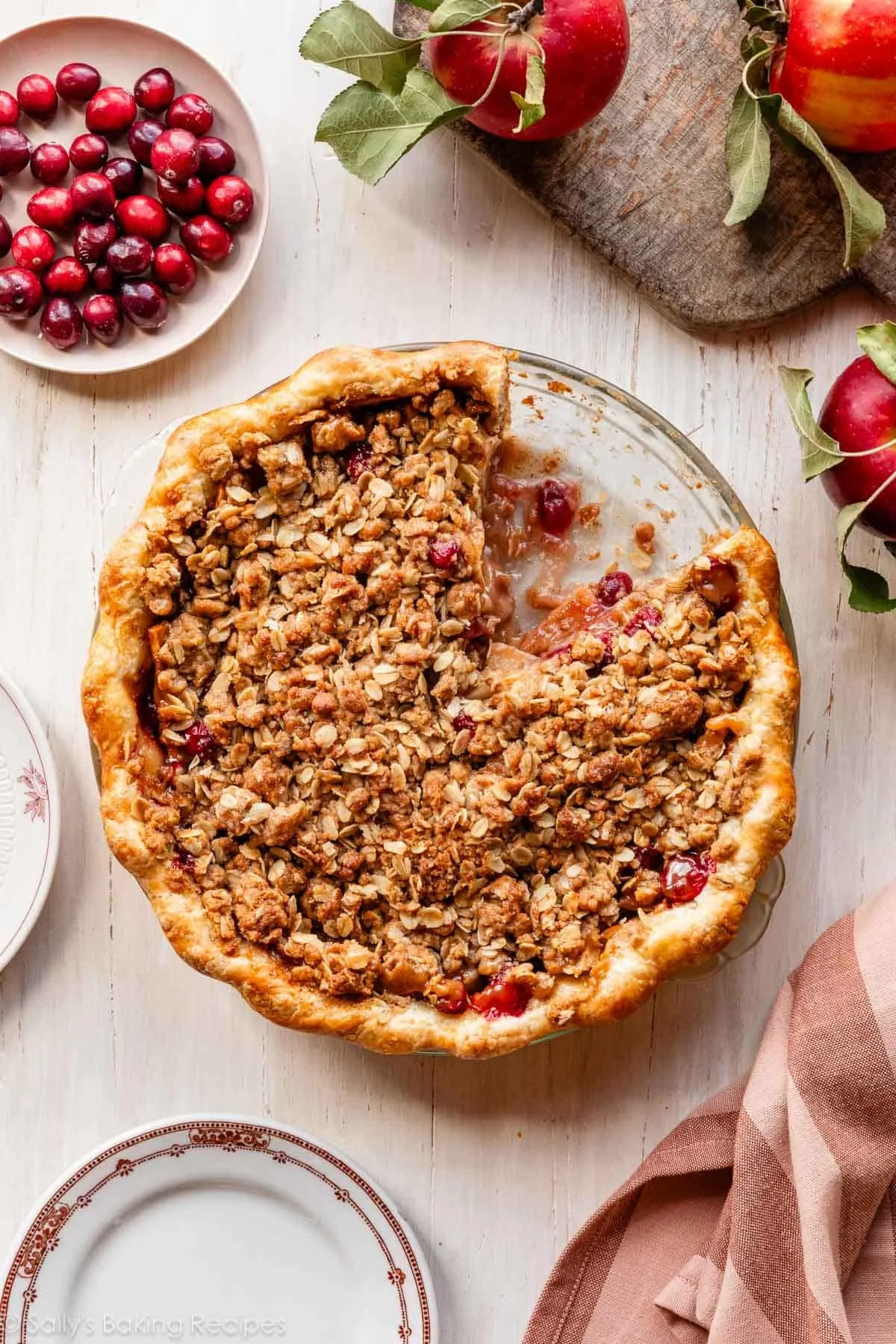
The ubiquitous apple stands as a foundational ingredient in kitchens worldwide, particularly revered in the realm of baking. Its versatility extends across a vast culinary spectrum, from iconic desserts like classic apple pie and comforting apple crisps to savory applications such as sausage and herb stuffing. However, the seemingly simple act of choosing an apple for baking belies a nuanced understanding of horticulture, chemistry, and culinary science, where specific varietal characteristics profoundly influence the final product’s texture, flavor, and overall appeal. This guide delves into the critical factors that differentiate baking apples, offering insights into optimal selections and preparation techniques for consistently excellent results.

Historical and Economic Significance of Apples
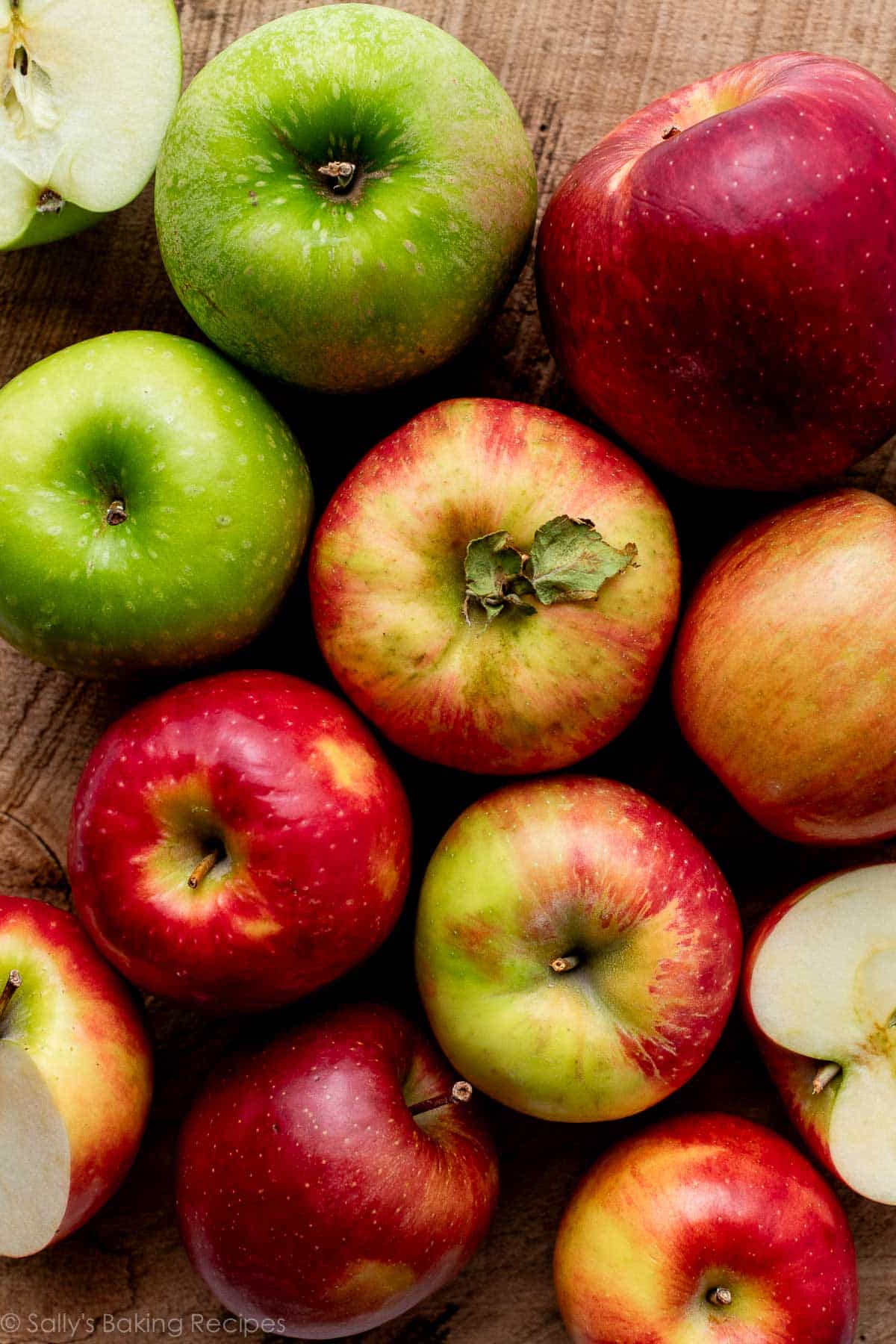
Apples have been cultivated for thousands of years, with their origins tracing back to Central Asia. Their journey across continents, facilitated by trade routes and later by European colonization, established them as a staple fruit in diverse cuisines. In North America, the apple became deeply ingrained in culinary traditions, especially for preservation and baking, given its availability and storage capabilities. Early American cookbooks feature countless apple-based recipes, underscoring its enduring popularity. Today, apples represent a significant agricultural industry globally. Major producing countries include China, the United States, Poland, and Turkey. In the United States, states like Washington, New York, and Michigan lead production, contributing billions of dollars to the economy annually. Modern agricultural practices, including advanced storage technologies like controlled atmosphere (CA) storage, enable year-round availability of fresh apples, a stark contrast to historical seasonal limitations. This consistent supply supports the baking industry, allowing for apple-based goods to be enjoyed irrespective of harvest cycles, though peak season (late summer to fall) often brings the freshest and most diverse selection.
The Crucial Role of Apple Texture in Baking
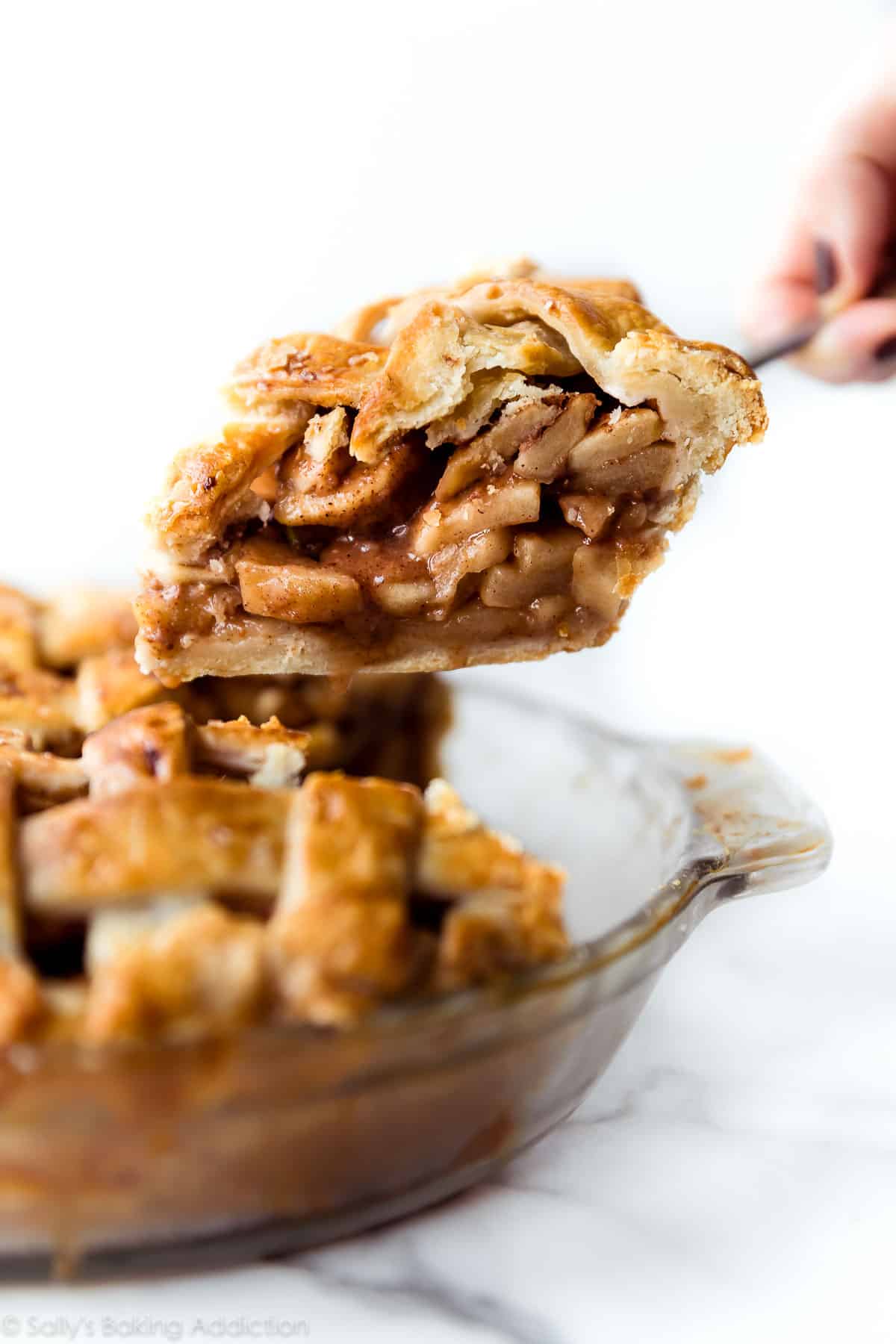
The primary differentiator for a successful baking apple lies in its texture and how it withstands heat. Apples that maintain their structural integrity during prolonged baking are paramount, preventing a desirable filling from dissolving into an unappeappetizing, watery mush. This characteristic is largely governed by the apple’s pectin content and the strength of its cell walls. Pectin, a soluble dietary fiber, acts as a gelling agent; apples with higher levels of firm pectin and robust cell structures are less prone to breaking down. Conversely, varieties with softer, mealier flesh, or those prone to rapid enzymatic degradation, will liquefy quickly under heat, making them unsuitable for applications where distinct apple pieces are desired. Such varieties are better reserved for purées, sauces, or apple butter, where a smooth consistency is the goal.
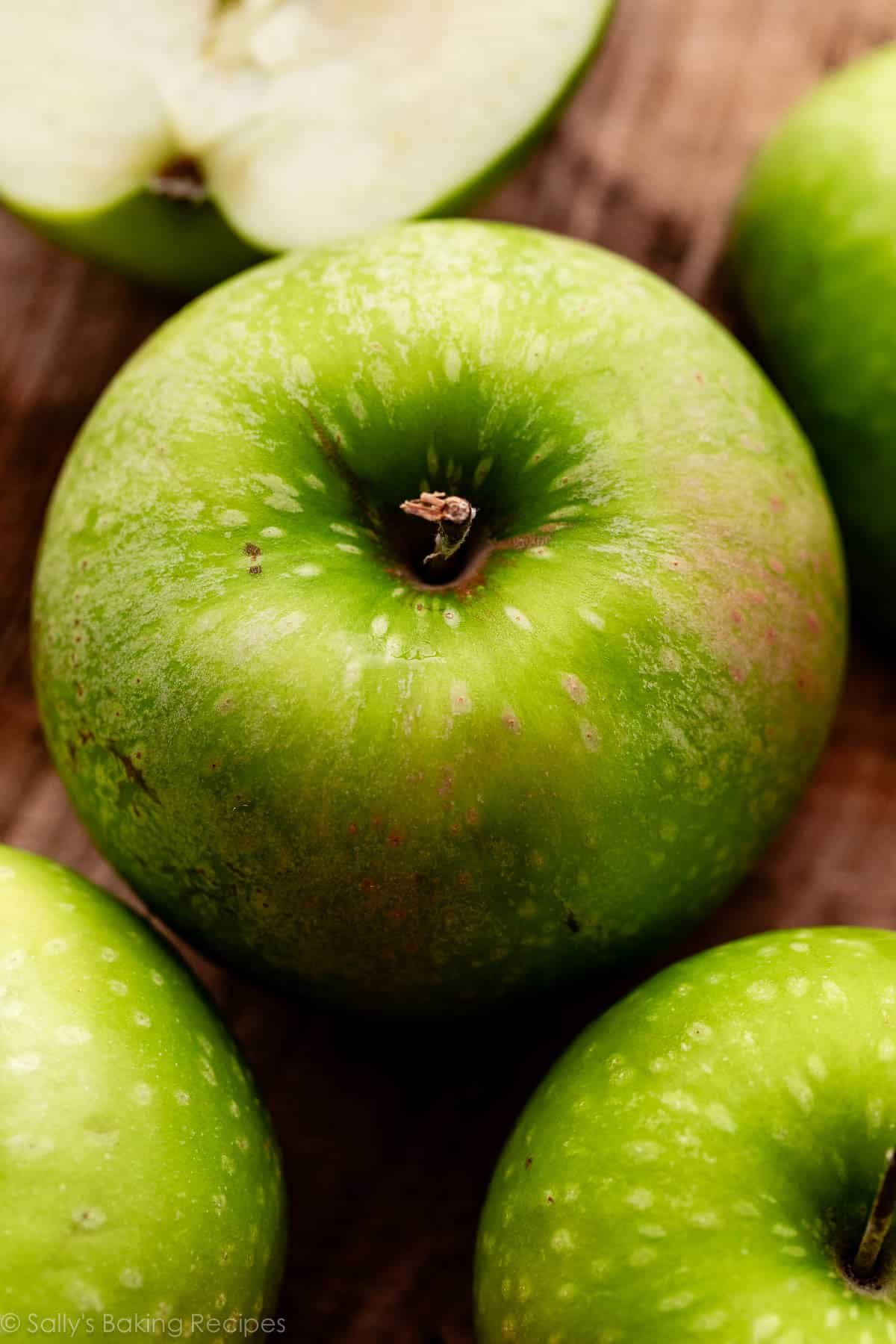
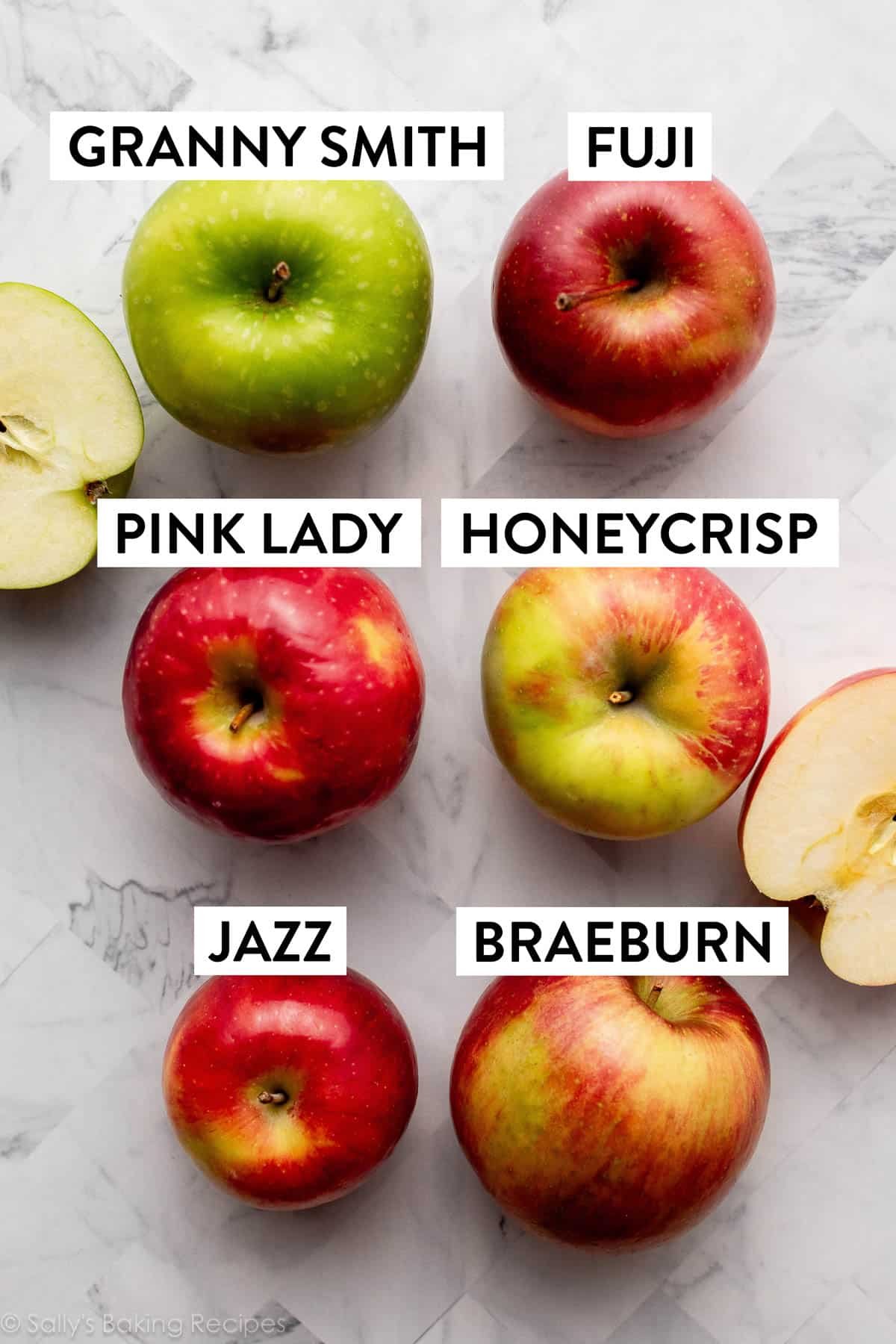
Horticulturists and food scientists categorize apples based on these textural responses to heat. Apples known for their crisp, firm texture, which retain their shape beautifully through baking, include:
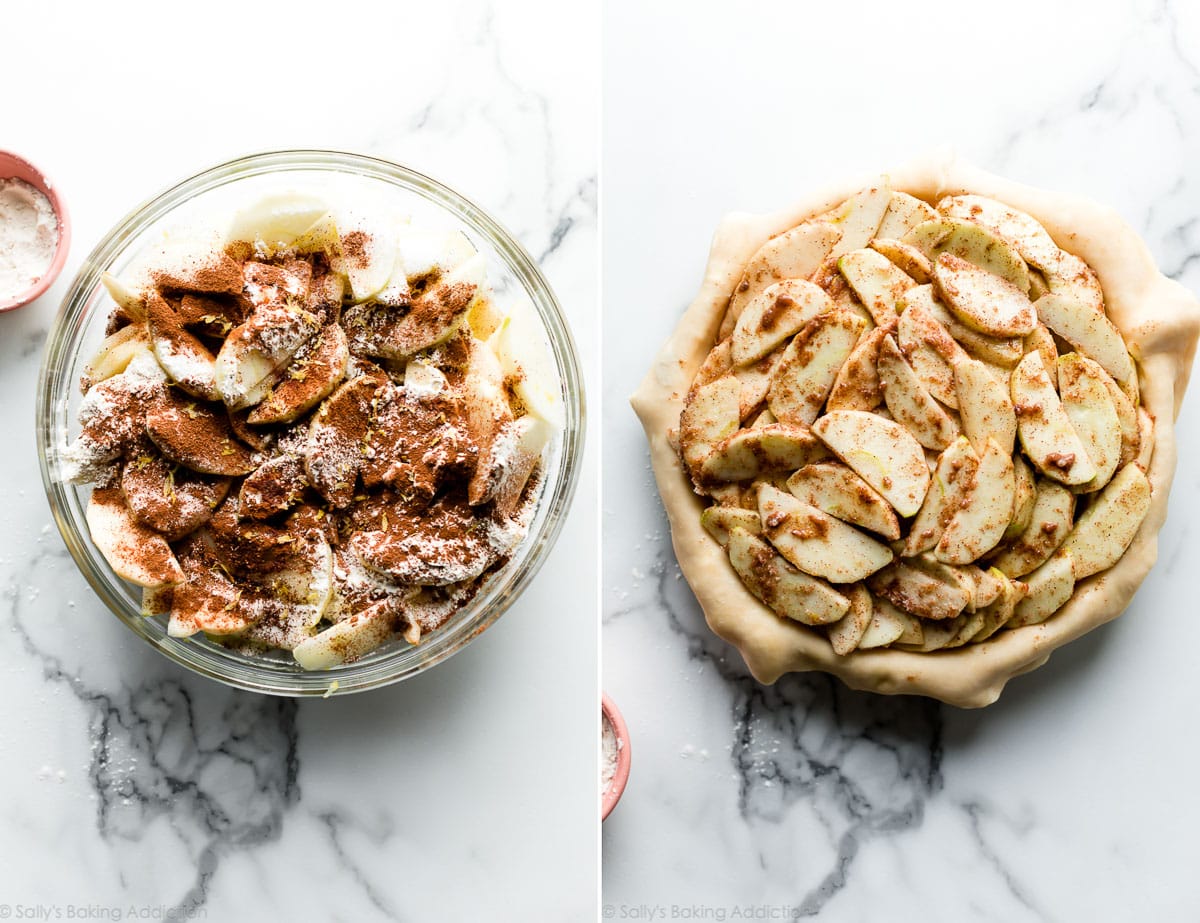
- Granny Smith: A classic for its robust firmness and tartness.
- Honeycrisp: Renowned for its explosive crispness and juiciness.
- Fuji: Offers a firm, crisp texture with balanced sweetness.
- Braeburn: Known for its firm flesh and complex sweet-tart flavor.
- Pink Lady (Cripps Pink): Exceptionally firm with a balanced sweet-tart profile.
- Jazz: A hybrid of Braeburn and Gala, prized for its crispness and tangy-sweet taste.
- Northern Spy: A heritage variety highly regarded for pie-making due to its firm texture.
- Rome Beauty: Often called the "baker’s buddy" for its ability to hold shape and mellow flavor.
- Golden Delicious: While sweeter, its firm flesh holds up well, often used in blends.
- Cortland: Retains its white flesh and firm texture, resisting browning.
Conversely, apples that should generally be avoided for baking purposes requiring structural integrity include Red Delicious, Gala, and McIntosh. These varieties possess softer, more tender flesh that rapidly disintegrates when subjected to oven temperatures, resulting in a pulpy texture rather than distinct, tender pieces.
The Dynamic Balance of Flavor: Tartness and Sweetness

Beyond texture, the flavor profile of an apple is equally critical. A successful baked apple dish often hinges on a harmonious balance between sweetness and tartness. Sweetness comes from natural sugars (fructose, glucose, sucrose), while tartness is primarily due to malic acid. Baking, especially with added sugars and spices, can intensify or mellow these natural flavors.

Using a single, overly sweet apple variety might result in a one-dimensional, cloyingly sweet dish. Conversely, an exclusively tart apple might require excessive sugar additions, potentially altering the overall moisture and texture of the baked good. This is why many professional bakers and culinary experts advocate for combining apple varieties—typically a blend of tart and sweet—to achieve a more complex and nuanced flavor depth. The tartness cuts through the richness of fats (like butter in pie crusts or cakes) and the sweetness, preventing the final product from tasting flat. It provides a bright counterpoint, enhancing the overall sensory experience.
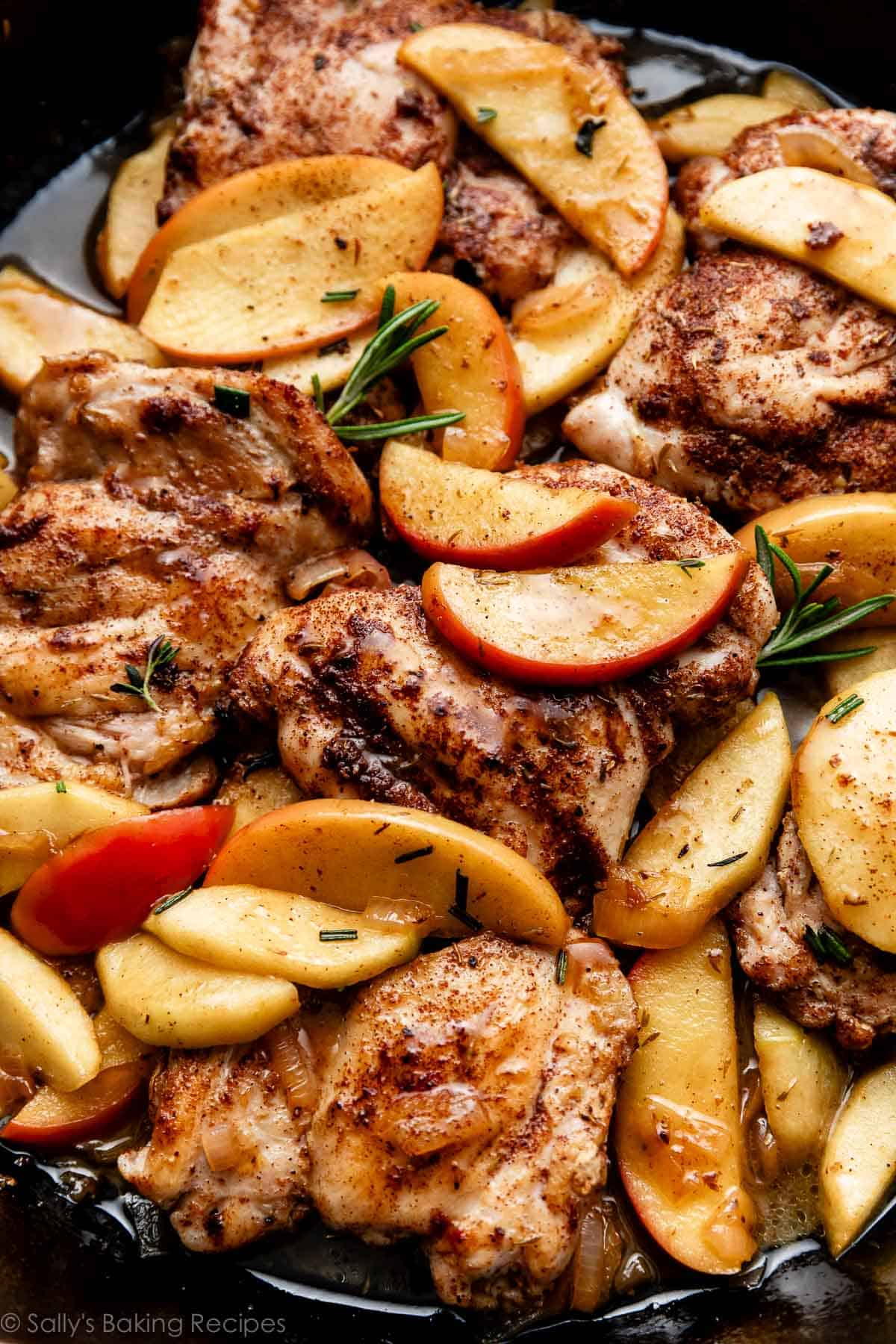
For example, pairing the sharp, citrusy tang of a Granny Smith with the honeyed sweetness and crispness of a Honeycrisp or Fuji creates a multi-layered flavor experience that elevates a simple apple pie or crumble. This strategy allows the baker to control the sugar content in the recipe more precisely, as the inherent sweetness of the apples contributes significantly to the final taste.
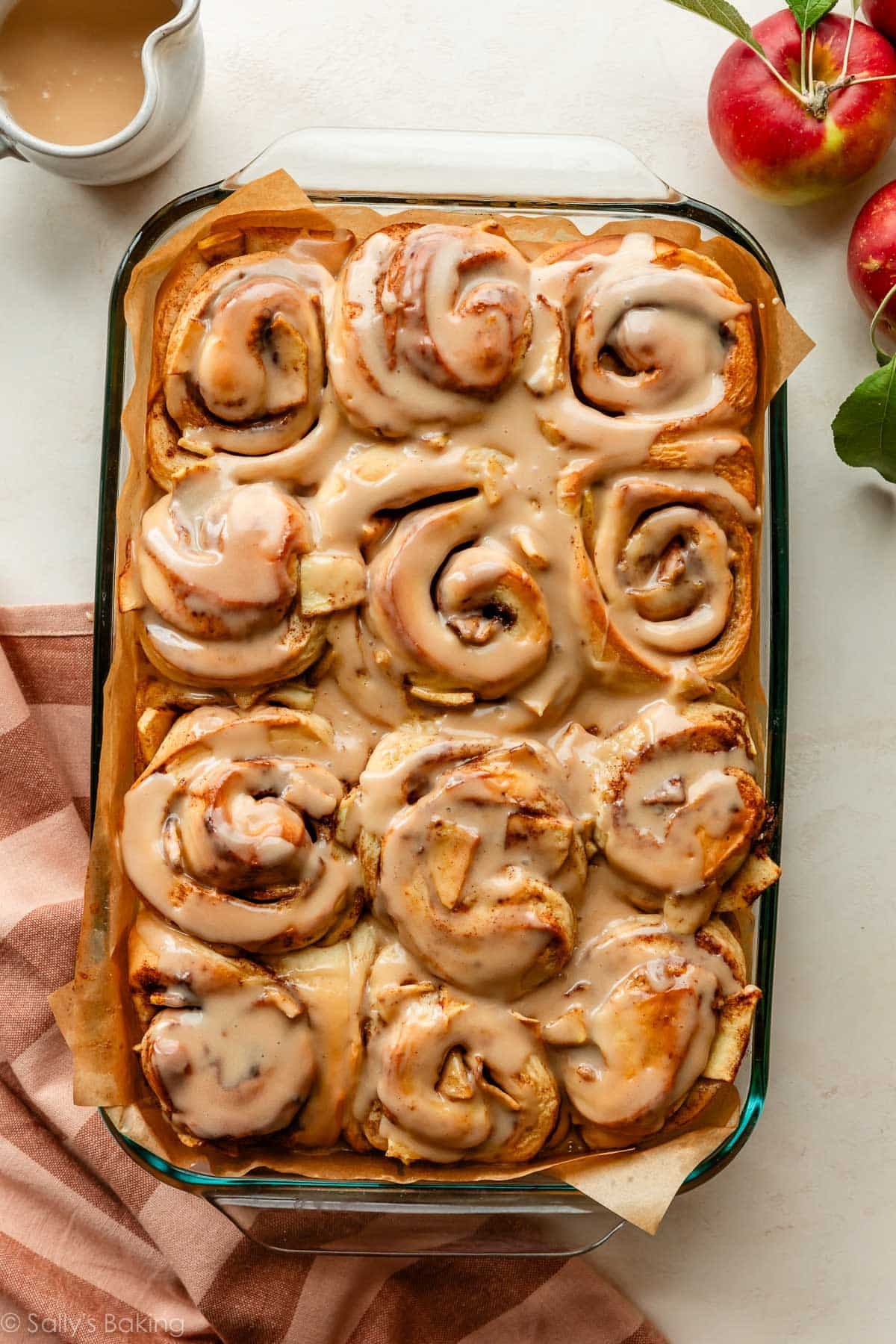
Top Recommended Varieties for Baking: A Deeper Look

While the list of suitable apples is extensive, a few varieties consistently stand out for their exceptional baking qualities:
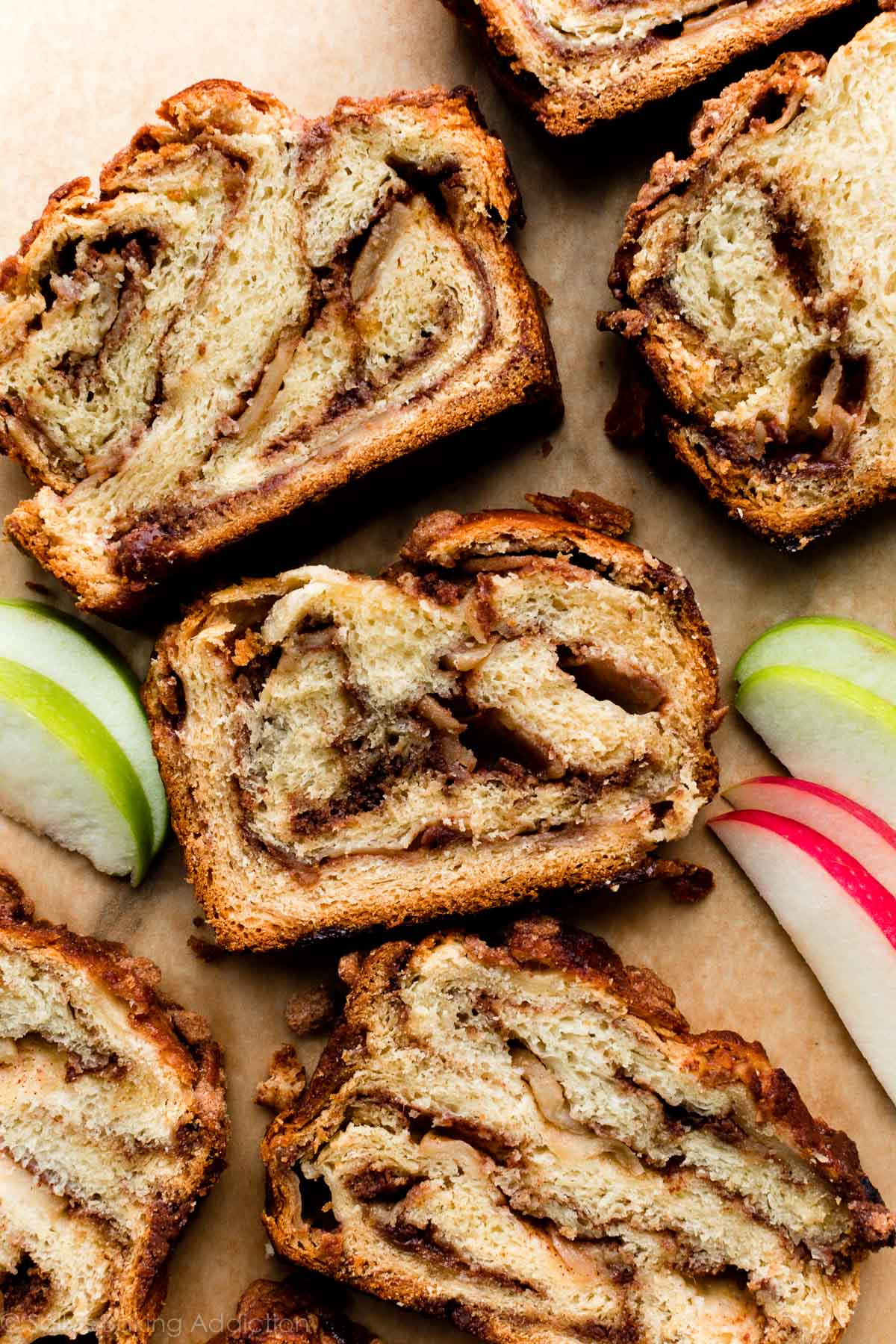
- Granny Smith (Tart): Originating from Australia, this vibrant green apple is the undisputed champion for many bakers. Its high acidity and firm flesh mean it holds its shape impeccably and provides a desirable tart counterpoint to sugars and spices. Its bright flavor is particularly excellent in apple pies, tarts, and caramel apples, where its tartness balances the richness.
- Honeycrisp (Sweet): Developed at the University of Minnesota, the Honeycrisp has soared in popularity due to its extraordinary crispness and juicy, honey-sweet flavor. Its robust cellular structure ensures it remains distinct and tender-crisp even after baking, while its sweetness integrates beautifully into various desserts, from muffins to sangrias.
- Pink Lady / Cripps Pink (Sweet-Tart): An Australian cultivar, Pink Lady apples offer a delightful balance of sweetness and tartness, coupled with remarkable firmness. Their ability to retain shape and vibrant flavor makes them ideal for baked apples, pies, and tarts where a distinct apple bite is desired.
- Jazz (Sweet): A cross between Braeburn and Gala, the Jazz apple, developed in New Zealand, boasts a crisp texture and a pleasantly tangy-sweet flavor profile. It’s an excellent choice for blending with tarter apples like Granny Smiths in pies, contributing both texture and a complex sweetness.
- Braeburn (Slightly Tart): Another New Zealand native, the Braeburn is celebrated for its firm, fine-textured flesh and a classic, sharp apple flavor that isn’t as intensely tart as Granny Smith but still provides a good balance. It holds its shape exceptionally well, making it a reliable choice for various baked goods.
The Art of Blending: Crafting Complexity
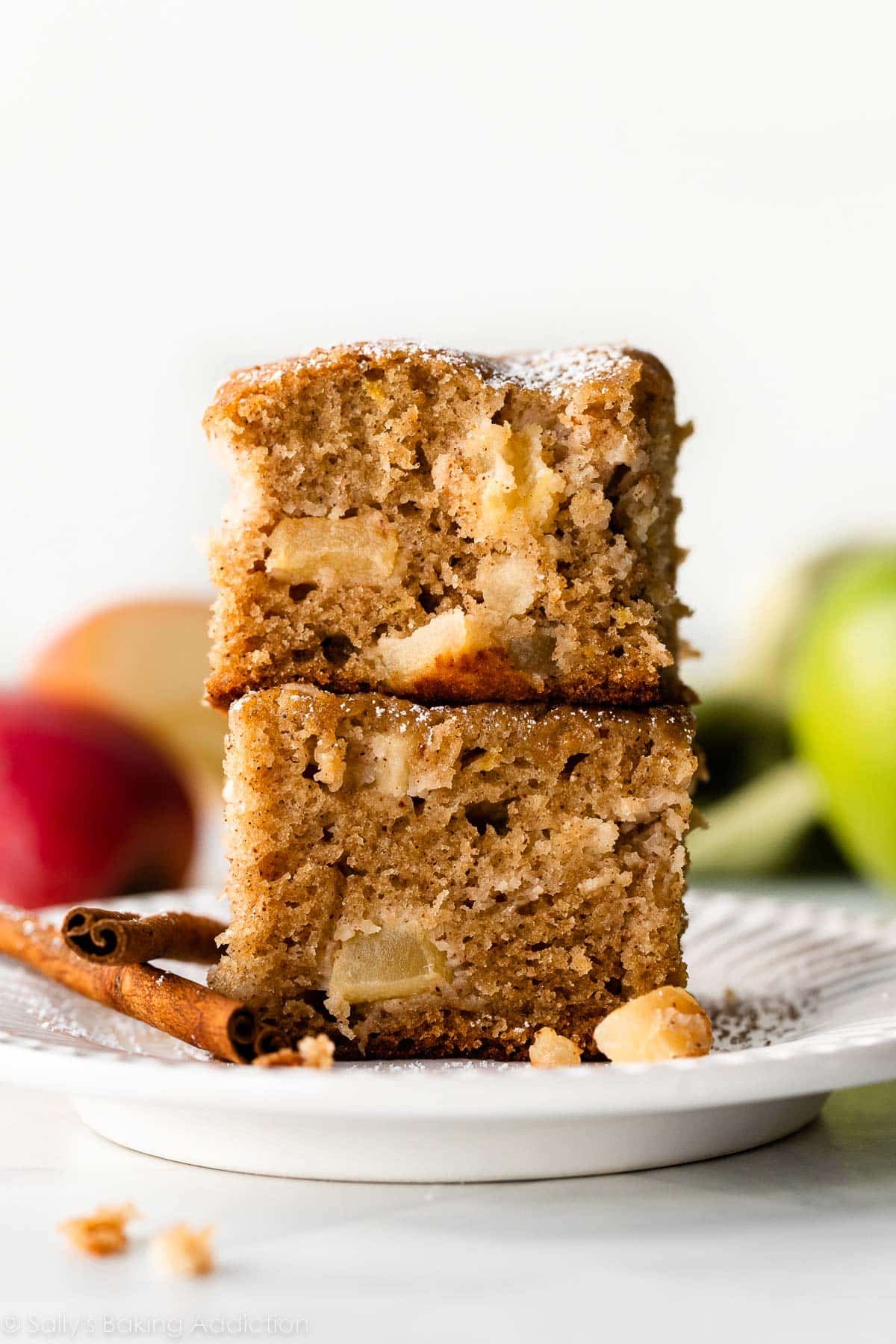
The principle of combining apples for baking is not merely a suggestion but a cornerstone of advanced baking technique. Culinary professionals emphasize that a blend provides a depth of flavor and texture that a single variety rarely can. Imagine a symphony where different instruments play together to create a richer sound; similarly, tart apples contribute high notes of acidity, sweet apples offer a mellow base, and varieties with differing firmness contribute to a more engaging mouthfeel.
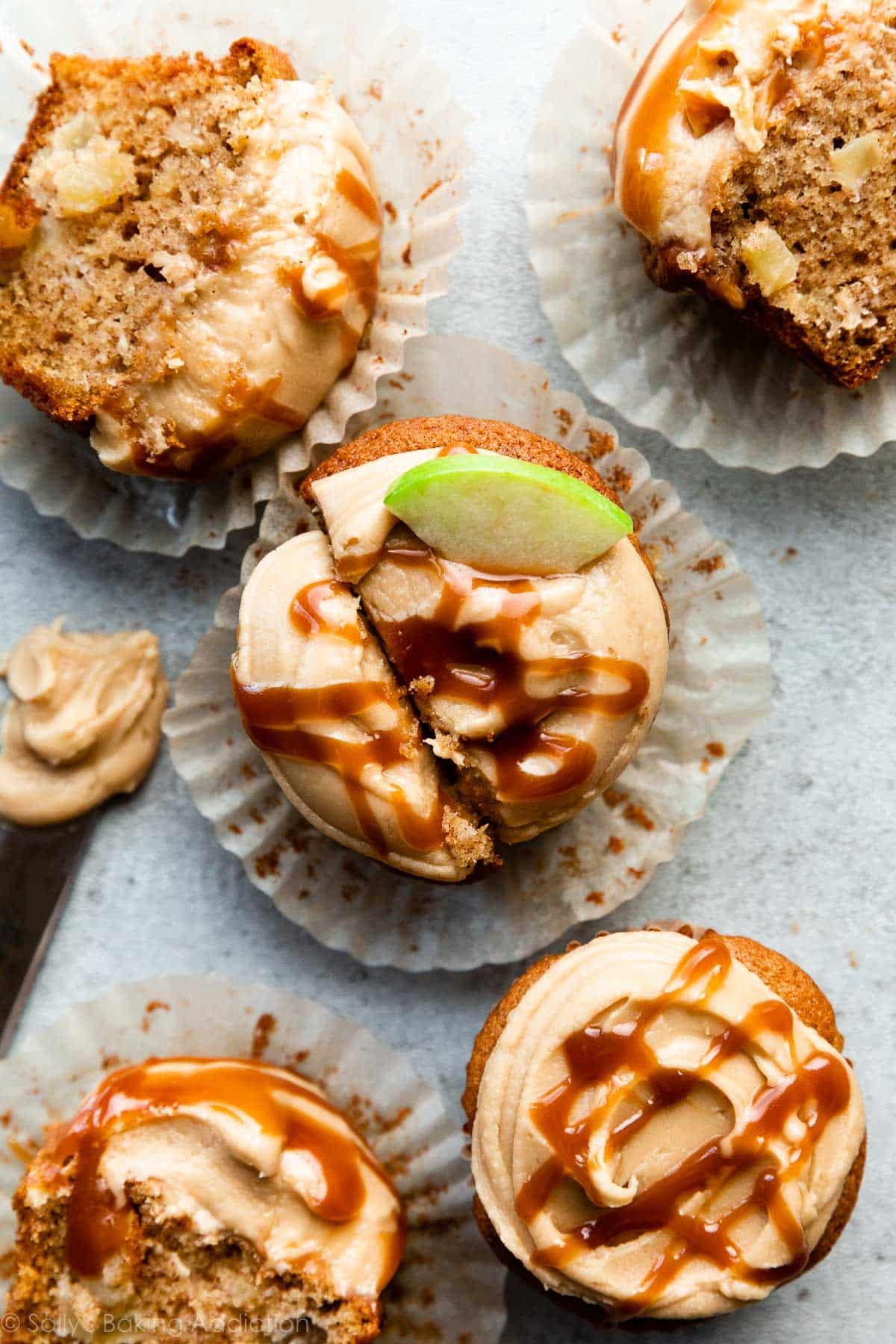
For instance, a classic apple pie might benefit from a 50/50 ratio of Granny Smith (for tartness and structure) and Honeycrisp or Fuji (for sweetness and complementary crispness). This ensures that each bite offers a complexity—a tender apple piece that still holds its shape, surrounded by a flavorful, lightly tart, and sweet juice. This approach allows the baker to create a signature flavor profile, moving beyond generic apple taste to something truly distinctive.
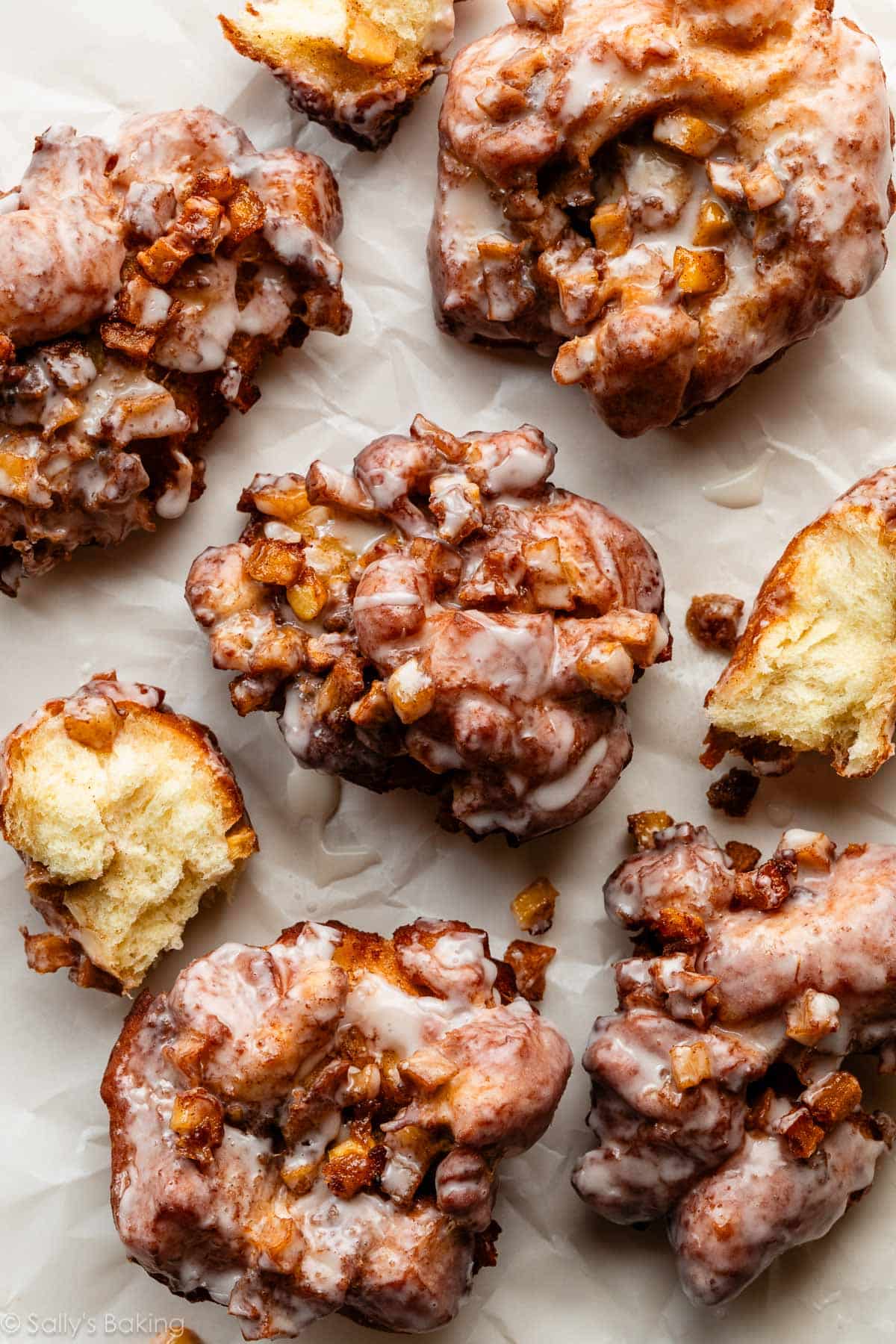
Preparation Techniques for Optimal Results
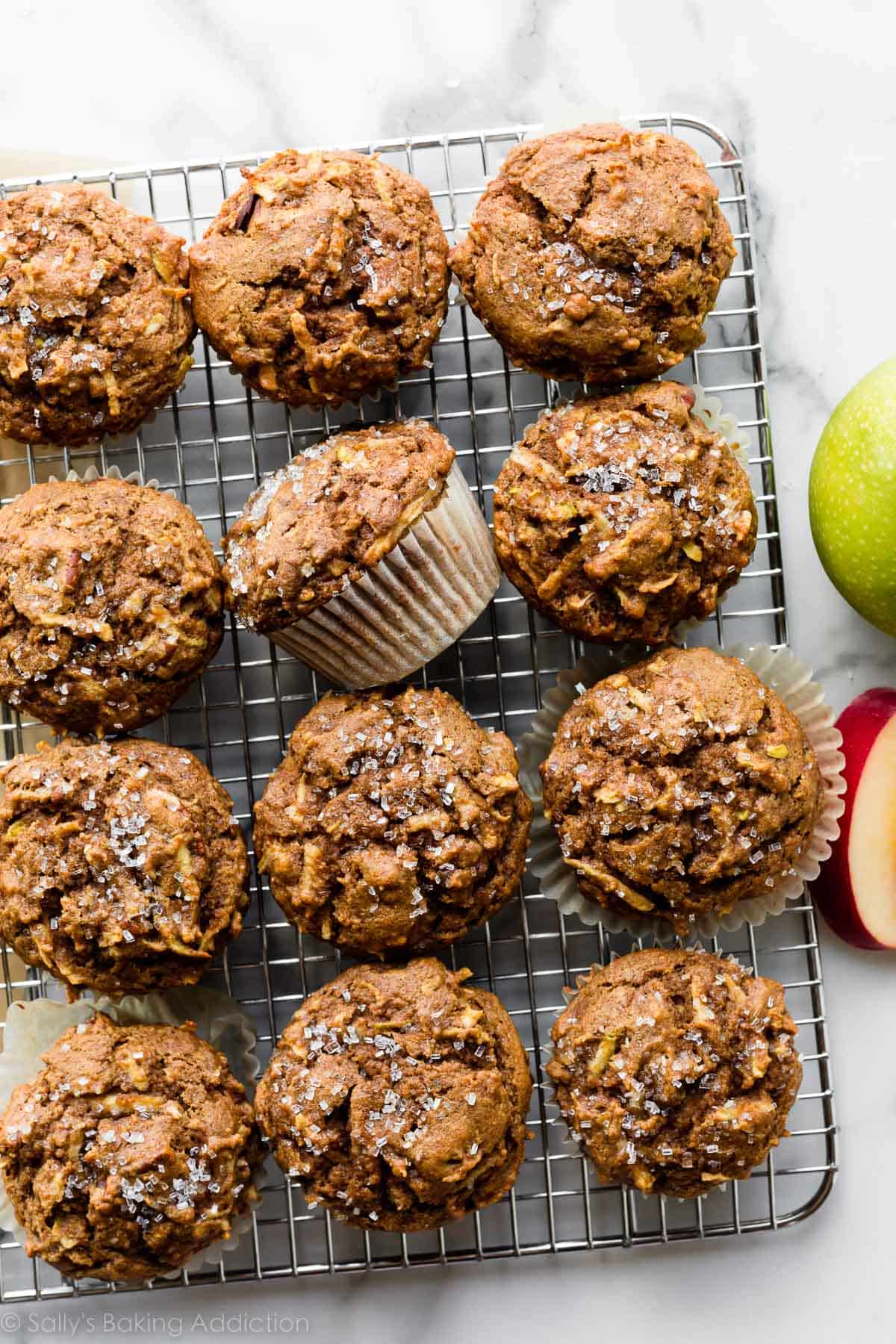
Proper preparation is as crucial as apple selection. The method of preparing apples—peeling, coring, slicing, or shredding—should align with the specific requirements of the recipe to ensure even cooking and desirable texture.
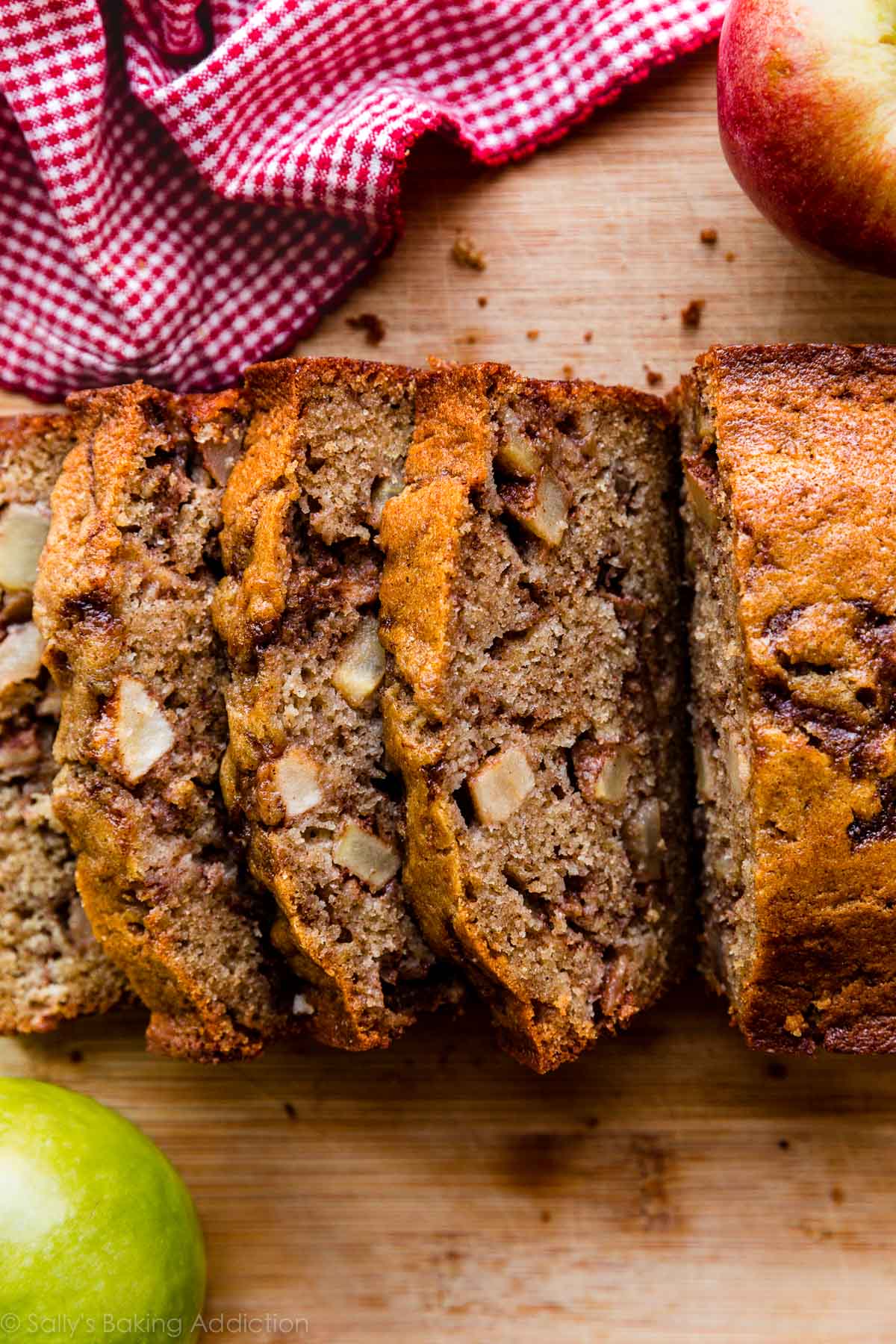
- Peeling: Many recipes, particularly for pies, tarts, and cobblers, call for peeled apples. The skin can become tough during baking and alter the texture of a smooth filling. Various tools are available, from simple swivel peelers to more elaborate crank-style apple peelers that core and slice simultaneously. While peeling removes some fiber and nutrients, it often enhances the eating experience in baked goods. For recipes like muffins or quick breads where a rustic texture is acceptable, or when seeking to maximize fiber, the skin can sometimes be left on, especially if the apples are finely shredded.
- Corning: Removing the apple core is essential to eliminate the fibrous core and seeds.
- Slicing vs. Chopping vs. Shredding: The cut of the apple significantly impacts its texture in the final dish.
- Slices: For dishes like apple pie, tarts, and cobblers, uniform slices (typically 1/4 inch thick) are recommended. Uniformity ensures that all apple pieces cook at roughly the same rate, resulting in a consistent tender bite throughout the filling. Slices also create beautiful layers and structure within a pie.
- Chunks: For dishes like apple crisp, crumbles, or certain cakes, larger chunks (e.g., 1/2-inch cubes) are often preferred. These provide a more substantial, rustic bite and are easier to scoop with a spoon.
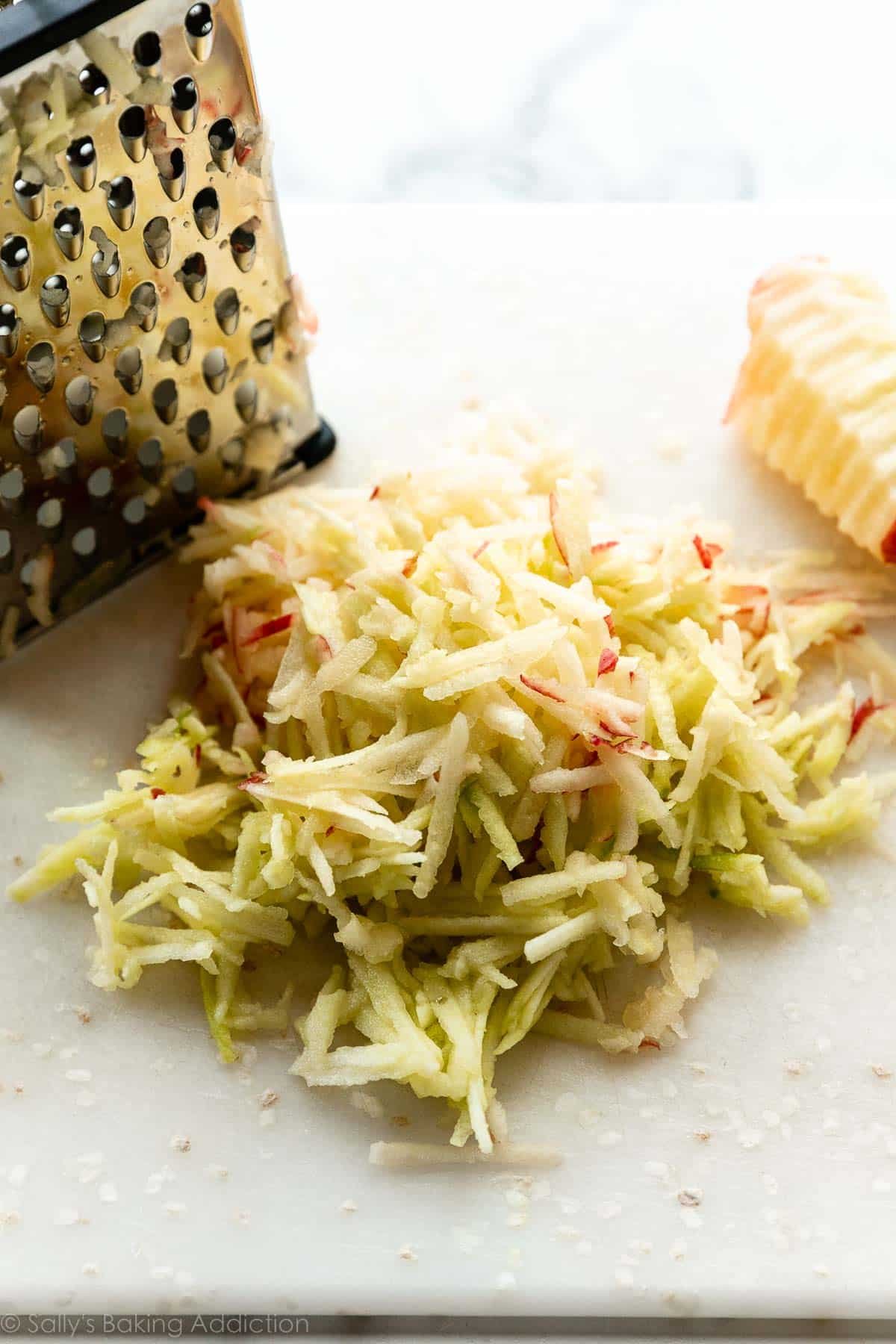
- Shredding: Recipes such as morning glory muffins, apple bread, or some healthy apple muffins benefit from shredded apples. This finely grated form integrates seamlessly into batters, providing moisture and dispersed apple flavor without large chunks, and often allows the skin to be left on without textural issues. A box grater is an ideal tool for this.
- Preventing Browning: Apples, once cut, are susceptible to enzymatic browning due to exposure to oxygen. While this is less of a concern once they are baked, if there’s a delay between preparation and baking, a brief soak in a solution of water with a splash of lemon juice or a pinch of ascorbic acid (Vitamin C powder) can mitigate discoloration.
Broader Implications and Future Trends
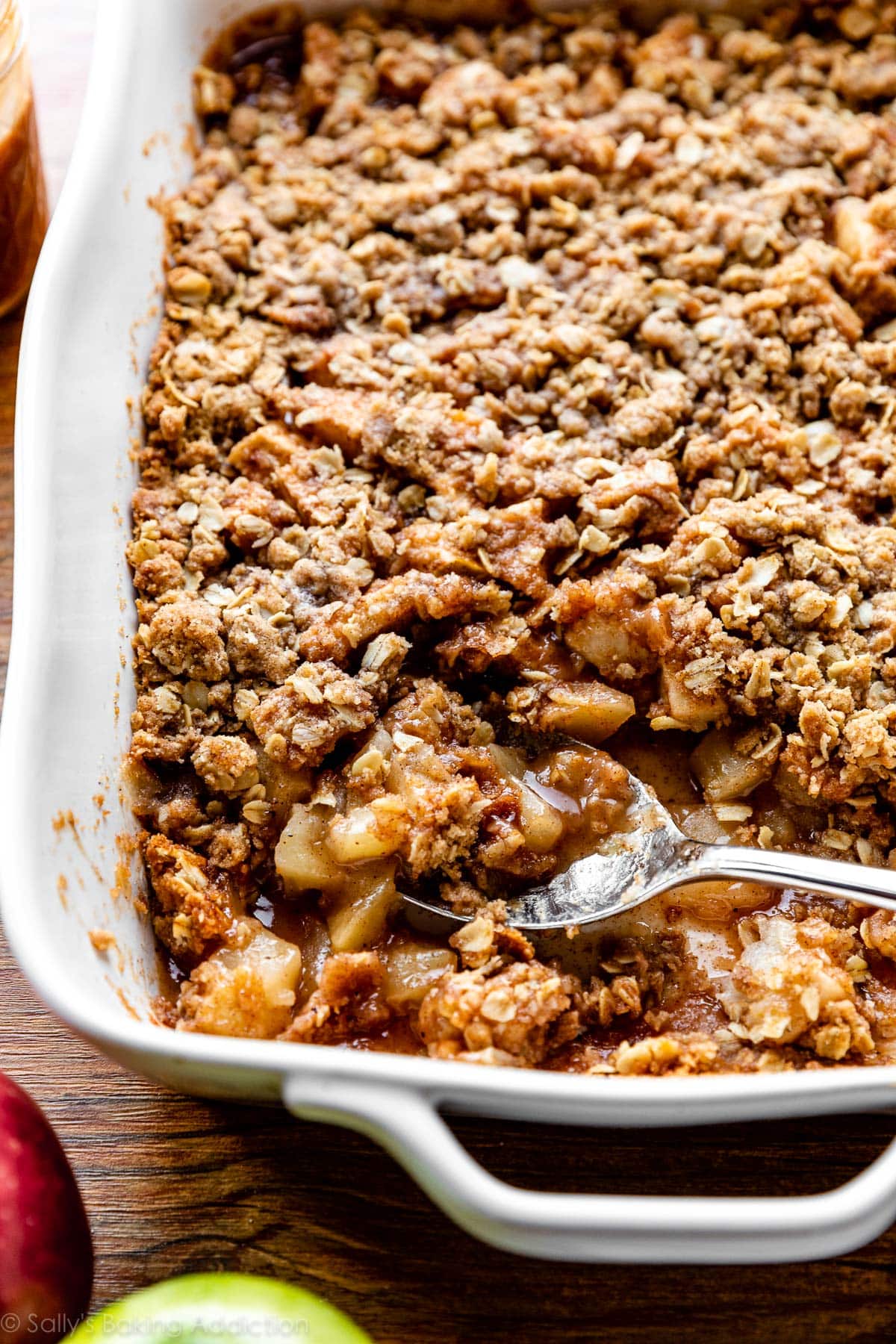
The meticulous selection of apple varieties for baking has implications beyond the individual kitchen. For commercial bakeries, understanding varietal characteristics is crucial for product consistency, cost efficiency, and meeting consumer expectations. The rise of specialty apple varieties, often marketed with specific flavor and texture profiles, reflects evolving consumer preferences and opportunities for premium products.
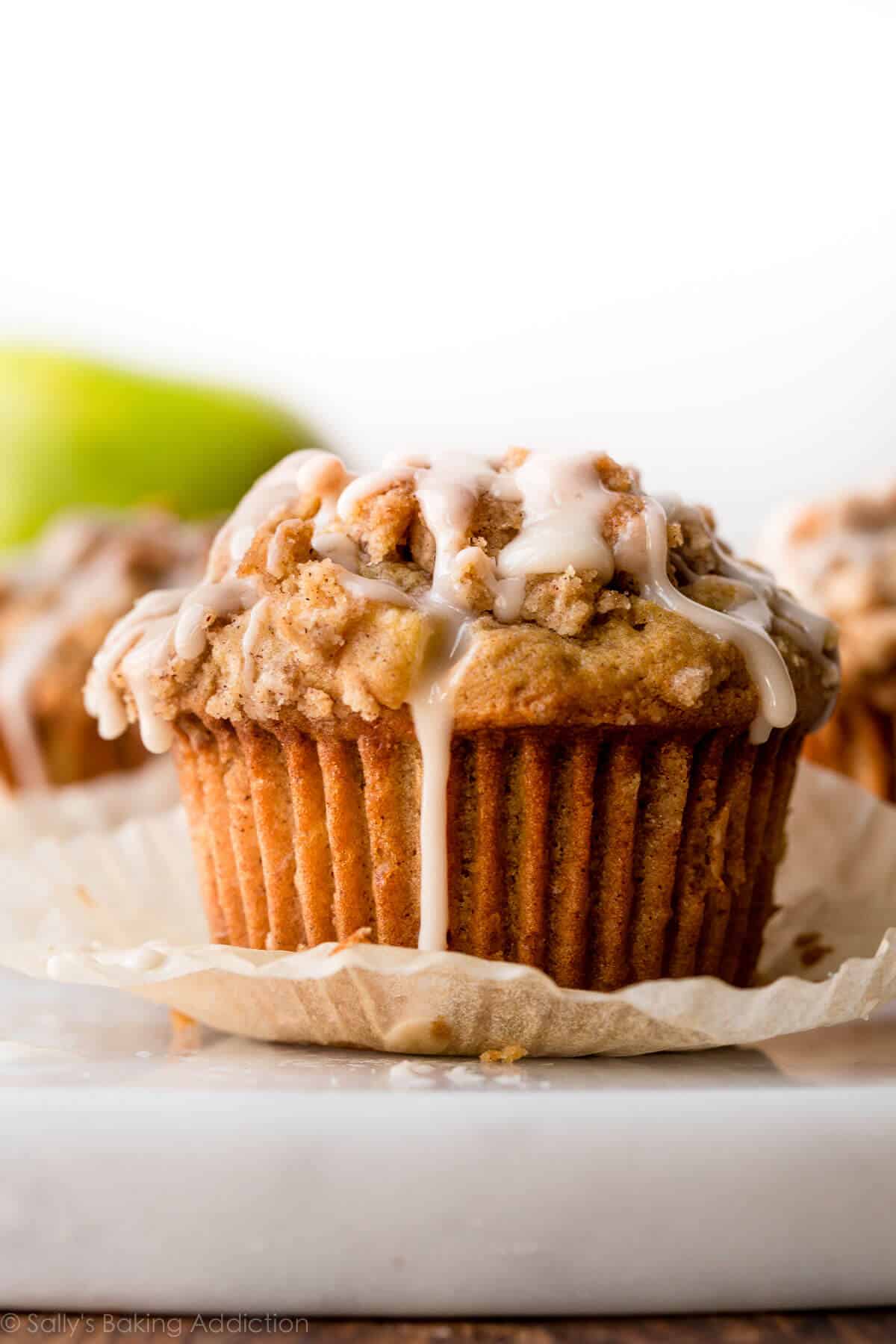
Agricultural research continues to develop new apple cultivars, focusing not only on disease resistance and extended shelf life but also on specific culinary attributes. Future innovations may bring apples perfectly engineered for specific baking applications, further refining the art of apple-based desserts. As consumers become more discerning about the ingredients in their food, the knowledge of which apple performs best in which context becomes an increasingly valuable asset for home bakers and culinary professionals alike.
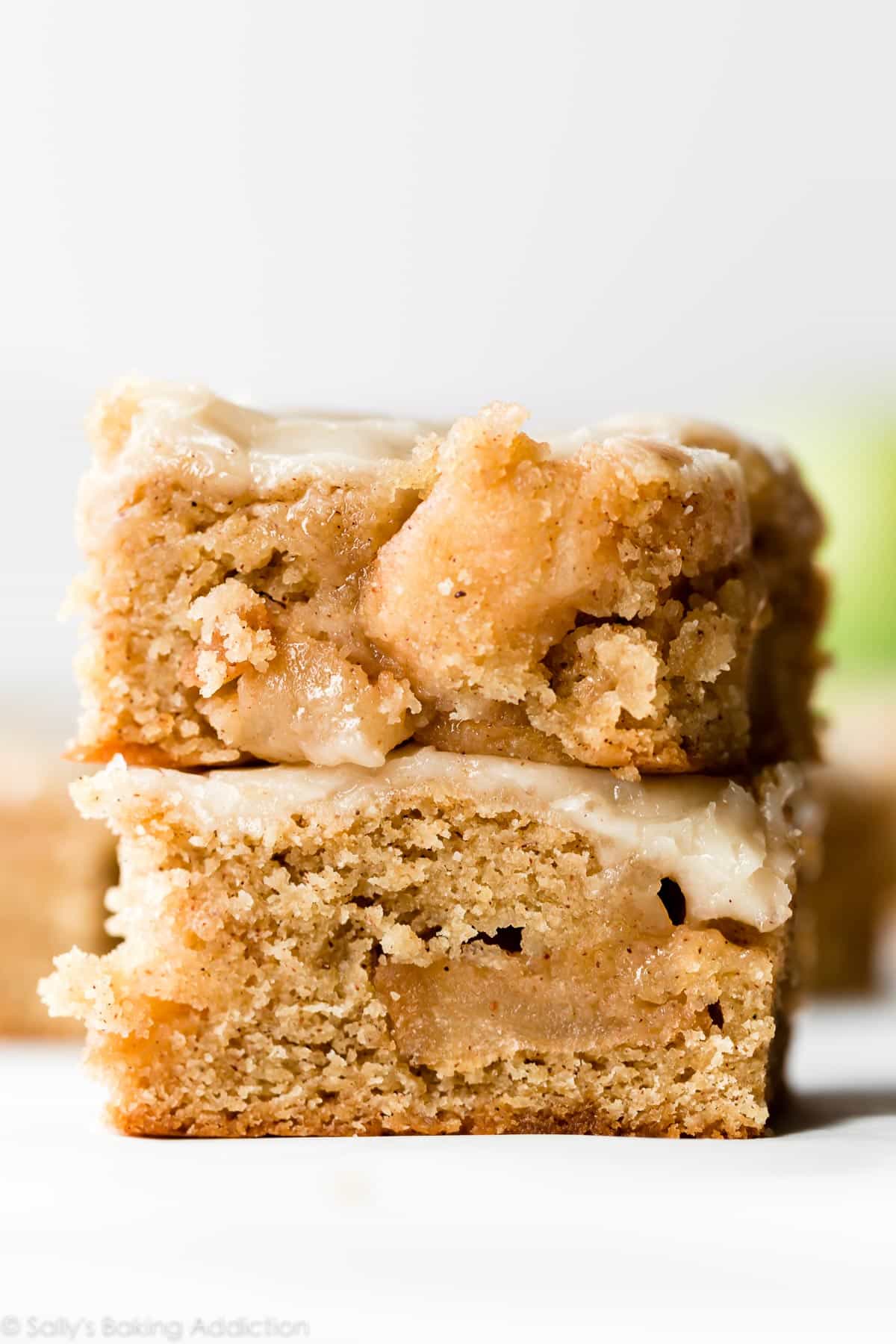
In conclusion, the journey to a perfect apple baked good begins long before the oven is preheated. It starts with an informed choice of apple, considering its texture, sweetness, and tartness, and often culminates in a thoughtful blend of varieties. By appreciating the science and artistry behind apple selection, bakers can consistently achieve results that are both texturally satisfying and exquisitely flavorful, transforming simple fruit into culinary masterpieces.
