

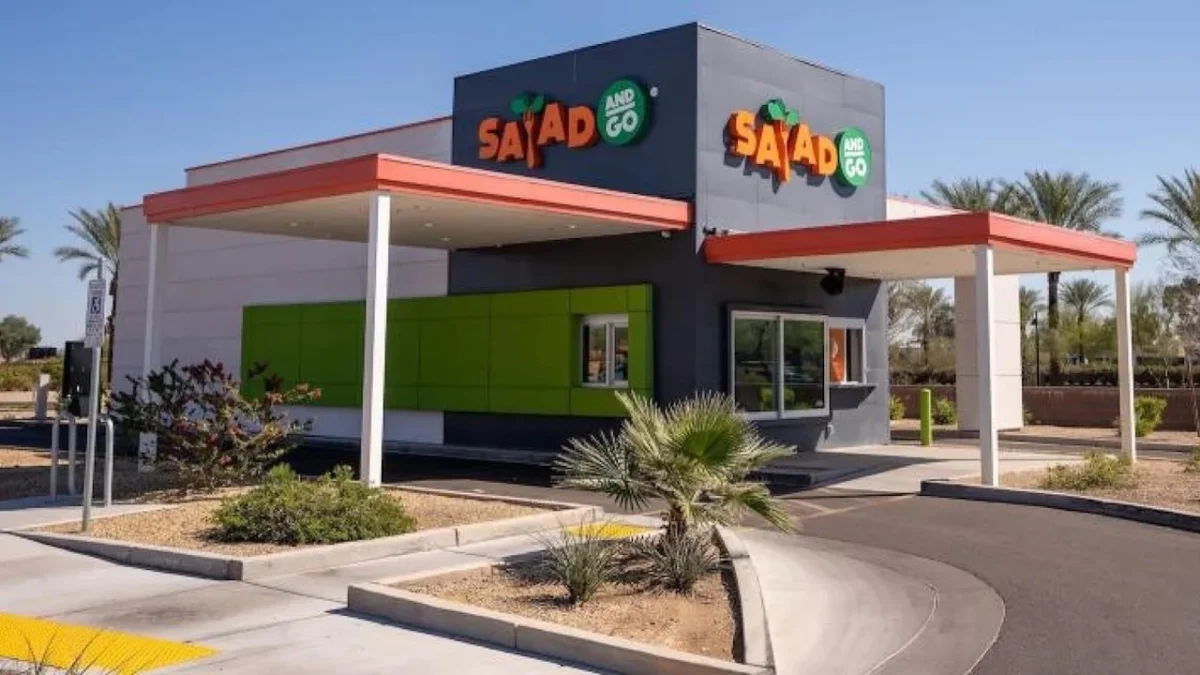
Phoenix, Arizona-based drive-thru salad concept Salad and Go has filed for Chapter 11 bankruptcy protection and ceased all operations across its 70 locations nationwide, effective August 5, 2026. The abrupt closure marks a significant downturn for a company that was once heralded as one of the nation’s fastest-growing fast-casual brands. Citing a confluence of challenging market conditions, including persistent consumer spending pressures, escalating inflation, and the ramifications of rapid, perhaps overzealous, expansion, Salad and Go’s leadership has made the difficult decision to shutter its operations.
"While Salad and Go earned the support and loyalty of a deeply passionate community, the business was ultimately unable to overcome sustained pressure on consumer demand, past strategic growth challenges, and rising costs," the company stated in a press release that accompanied the bankruptcy filing. The statement further alluded to an industry-wide impact from a cyclospora outbreak in July, noting that while Salad and Go was not implicated in the specific incident, it nonetheless "weakened confidence across the industry and compounded these challenges."
Mike Tattersfield, CEO of Salad and Go, expressed profound regret over the outcome. "This is a painful day for everyone who built, worked for, and loved Salad and Go," Tattersfield said in a statement. "Our mission was brought to life every day by an extraordinary team and embraced by guests who made us part of their routines. We are proud of what we built together and grateful to every team member, guest and partner who believed in it."
The company’s bankruptcy filing was submitted to the U.S. Bankruptcy Court for the Southern District of Texas, Houston Division. This legal framework is intended to provide a court-supervised process for the company to liquidate its assets and manage its outstanding obligations in an orderly fashion.
A Rapid Rise and a Steep Fall: The Salad and Go Timeline
Founded in 2013 by husband-and-wife team Tony and Roushan Christofellis, with the culinary expertise of executive chef Daniel Patino, Salad and Go aimed to disrupt the fast-food landscape by offering healthy, affordable salads through a convenient drive-thru model. The concept quickly gained traction, particularly in its home market of Phoenix, Arizona.
A pivotal moment in the company’s trajectory came in 2016 when the Christofellises partnered with private equity fund Volt Investment Holdings. This investment fueled significant expansion, enabling the development of a centralized distribution network and the acquisition of a dedicated trucking fleet to facilitate direct sourcing from farms. This move underscored the company’s commitment to controlling its supply chain and ensuring the freshness and quality of its ingredients.
However, the vision for growth soon diverged. According to a Facebook post authored by the Christofellises earlier this year, Volt Investment Holdings began to exert pressure for accelerated expansion into new markets, such as Dallas, Texas, at a pace they felt was "more quickly than we thought was right." The founders expressed a desire to solidify their operations and vertical integration in Phoenix before embarking on such aggressive expansion. This strategic disagreement ultimately led to the Christofellises exiting the company entirely by 2021.
Following the founders’ departure, Volt Investment Holdings spearheaded a period of aggressive expansion, particularly in Texas, where over 60 new locations were reportedly opened within a few years. This rapid build-out propelled Salad and Go into the national spotlight.
By 2023, Salad and Go was recognized as one of the fastest-growing restaurant concepts in the country. In 2022, the company made a significant leadership hire, recruiting Charlie Morrison, the former CEO of Wingstop, to helm Salad and Go with the mandate to scale the brand. Under Morrison’s leadership, the chain reportedly grew to nearly 150 locations.
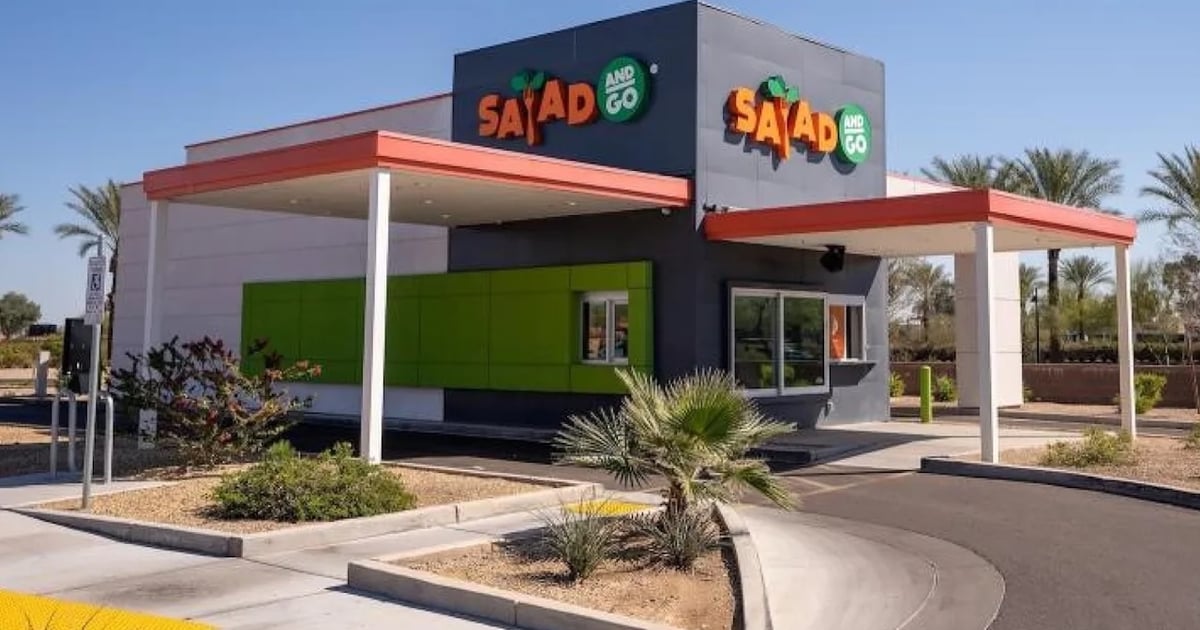
In early 2024, Morrison articulated an ambitious vision for the brand, stating, "We are revolutionizing the idea of the drive-thru and we do it by providing consumers with a salad that is served in a 48-ounce bowl and usually under three or four minutes at a price that’s under $7, including protein." At that time, the company was opening new stores at a rate of one per week and harbored aspirations of expanding its footprint into the "thousands."
However, the growth trajectory began to falter. Morrison stepped down from his role at Salad and Go in late 2024 and subsequently took on a leadership position at Jersey Mike’s.
The baton was then passed to Mike Tattersfield, former CEO of Krispy Kreme, who was appointed CEO of Salad and Go in 2025. Tattersfield’s tenure was marked by immediate retrenchment. Within months of his appointment, he oversaw the closure of over 40 restaurants in Texas and Oklahoma, effectively exiting those states. Less than five months later, an additional 32 locations were closed, leaving Salad and Go with a presence solely in Arizona and Nevada.
By the end of 2025, Salad and Go’s footprint had shrunk to just 70 locations, representing a significant 52.1% reduction in units year-over-year, according to data from Technomic. Further compounding these challenges, data from the same period indicated that Salad and Go’s average unit volumes had declined by over 11% between 2022 and 2025.
In an interview earlier this year, Tattersfield had indicated a shift in strategy, emphasizing a focus on "menu innovation and operations versus ‘growth for growth’s sake.’" He had expressed optimism about the brand’s core concept, stating, "I told Texas we’ll be back, but we’ve got to get back with strength and be deliberate about how we grow and where. This brand is a good idea and capital follows good ideas. Everybody is going to want one of these, but we have to be disciplined to get there." The subsequent bankruptcy filing, however, indicates that these strategic adjustments were insufficient to reverse the company’s fortunes.
Factors Contributing to the Downfall
Several critical factors appear to have contributed to Salad and Go’s abrupt closure:
- Consumer Spending Pressures: The lingering effects of inflation and economic uncertainty have led consumers to become more price-sensitive and scrutinize discretionary spending. While Salad and Go’s value proposition was a key selling point, a broader economic slowdown likely impacted overall demand for its offerings.
- Inflationary Costs: The restaurant industry has been grappling with significant increases in the cost of goods, labor, and operational expenses. These rising costs would have put considerable pressure on Salad and Go’s thin margins, especially given its commitment to affordable pricing.
- Overexpansion and Execution Challenges: The rapid expansion into new, potentially untested markets, particularly under private equity ownership, may have outpaced the company’s operational capacity and brand recognition. The subsequent strategic disagreements between founders and investors highlight potential misalignments in growth strategy and execution. The rapid scaling in Texas, while initially a sign of success, may have stretched resources thin and diluted brand consistency.
- Industry-Wide Confidence Erosion: The mention of a cyclospora outbreak, even if Salad and Go was not directly involved, points to the fragility of consumer trust in the food industry. Food safety concerns can have a ripple effect, impacting even unrelated businesses.
- Competition: The fast-casual sector is highly competitive. While Salad and Go carved out a niche with its drive-thru salad concept, it faced competition from traditional fast-food chains offering healthier options, other fast-casual salad concepts, and meal kit services.
Implications for the Restaurant Industry
The closure of Salad and Go serves as a stark reminder of the inherent risks and challenges within the restaurant industry, particularly for rapidly scaling concepts. It highlights the delicate balance between aggressive growth and sustainable operational execution. The case also underscores the complexities of private equity involvement, where the pursuit of rapid returns can sometimes conflict with the long-term health and strategic vision of a company.
For consumers who embraced Salad and Go’s convenient and affordable healthy options, the closure represents a loss of a unique dining choice. For the employees who dedicated their efforts to the brand, the bankruptcy filing brings uncertainty and job losses.
The restaurant industry continues to navigate a dynamic economic landscape. While innovation and accessibility remain key drivers of success, a solid foundation of operational efficiency, strategic market entry, and adaptability to evolving consumer behavior and economic conditions are paramount. The story of Salad and Go’s rapid ascent and subsequent decline will likely be studied as a cautionary tale for emerging brands and seasoned operators alike.
The Chapter 11 process will now determine the ultimate fate of Salad and Go’s assets and liabilities. The company’s former CEO, Mike Tattersfield, has previously expressed a belief in the brand’s fundamental viability, suggesting that a disciplined approach could eventually lead to its resurgence. However, the current reality is one of widespread closure and a significant disruption for all stakeholders involved.
