

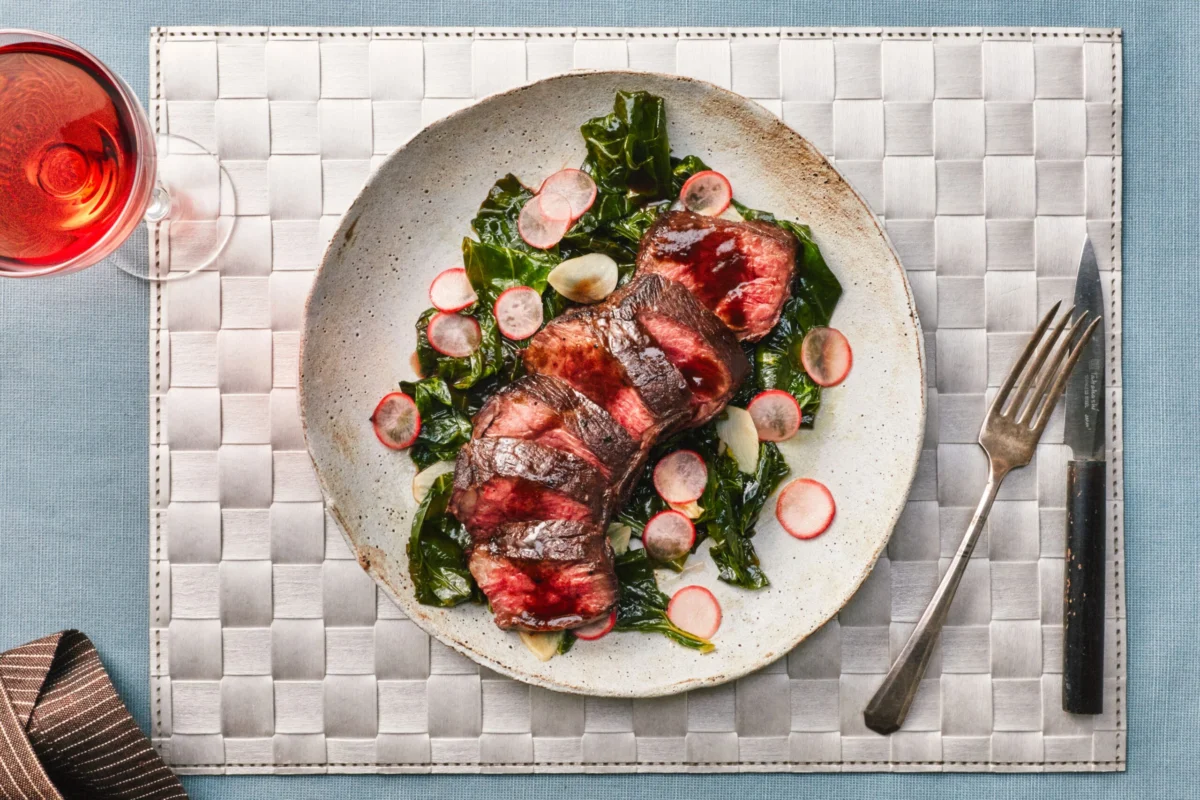
In an increasingly individualized society, the act of cooking for one has transcended its traditional perception of loneliness, emerging as a celebrated form of self-care and culinary exploration. This evolving trend is underscored by initiatives like Bon Appétit’s "Me, Myself, and Dinner" series, which explicitly caters to the significant portion of the population – nearly 30% of Americans – who live solo or frequently find themselves enjoying meals alone. Far from being a mere logistical necessity, preparing a single-serving dish is being reframed as a deliberate indulgence, a stark contrast to the often-compromised culinary landscape of family dining.
The Demographic Imperative: A Society Embracing Solitude
The rise of solo dining is not an isolated phenomenon but a direct reflection of profound demographic shifts occurring across the globe. According to data from the U.S. Census Bureau, the percentage of single-person households has steadily increased over the past several decades, reaching an unprecedented level. This trend is mirrored in many developed nations, driven by factors such as delayed marriage, declining birth rates, urbanization, increased career mobility, and an aging population. For instance, in 2023, the number of people living alone in the United States stood at approximately 37 million, representing a substantial market for tailored culinary solutions.
Sociologists and market analysts point to several contributing factors. Young professionals often prioritize career development and personal freedom before settling down, leading to longer periods of living independently. Furthermore, the growing number of retirees who outlive their partners or choose independent living arrangements contributes significantly to the solo household demographic. This shift has necessitated a re-evaluation of food consumption patterns, grocery shopping habits, and the very concept of a "meal." Where once the family unit dictated meal preparation, individual preferences and convenience now hold greater sway.
From Obligation to Opportunity: The Culinary Liberation of Solo Cooks
For many, particularly those in demanding professional fields or with significant family responsibilities, cooking for one represents a rare and cherished opportunity to reclaim culinary agency. A professional cook, for example, often navigates a daily "maelstrom" of work commitments, children’s schedules, lengthy commutes, and the intricate demands of catering to diverse family palates. Weeknight family dinners, while a cornerstone of domestic life, frequently involve compromises – the expedient use of bottled marinara, pre-packaged ingredients, or simplified recipes designed for broad appeal rather than gourmet excellence. This pragmatic approach, while efficient, can be creatively limiting for someone whose profession revolves around the art and science of cooking.
The transition from preparing meals for a household to crafting a dish solely for oneself is akin to a culinary liberation. It signifies a departure from the need for consensus and an embrace of individual desires. The kitchen transforms into a personal sanctuary where the cook’s own tastes, preferences, and even whims can be fully expressed without negotiation. This shift allows for the selection of ingredients that might be divisive at a family table, the indulgence in specific cooking techniques, and the creation of an atmosphere tailored precisely to one’s mood.
Crafting the Personal Culinary Sanctuary: A Case Study
Consider the meticulous approach taken by a professional cook when afforded the rare luxury of cooking for themselves. The experience begins long before the first ingredient is prepped. It often involves creating an immersive sensory environment. For instance, the selection of background music is paramount, evolving from the calming, intricate melodies of the Bill Evans Trio during the initial preparation phase to the more energetic anthems of bands like Def Leppard when the cooking intensity escalates. This auditory journey underscores the deeply personal and uninhibited nature of solo cooking, where one’s inner soundtrack dictates the kitchen’s rhythm.
Snacking during preparation also becomes an integral part of the experience – a small, delightful transgression not typically afforded during more structured family meal prep. Aged Gouda, with its complex, caramelly notes, or a handful of pistachios, their shells accumulating on the cutting board, become quiet indulgences that punctuate the cooking process. Even the presence of household pets, such as cats, observing from their climbing towers, adds to the unique, personal theater of the solo kitchen. Their judgmental gazes or eventual scattering in response to more boisterous musical selections become charming footnotes in the culinary narrative.
The Uncompromising Menu: Steak for One
Central to this personalized culinary experience is the menu itself – a dish that is both special to eat and relatively simple to execute. For many professional cooks, this often translates to a cut of meat that might be a "nonstarter" for family members with different dietary preferences, such as a vegetarian spouse. Steak, in particular, offers a unique set of advantages when prepared for a single diner. The economics of steak for a crowd can be prohibitive, and the intricate timing required for multiple servings often clashes with the desire for a relaxed, focused cooking experience.
The specific choice of boneless short rib, often labeled as Denver or zabuton, highlights a thoughtful consideration of flavor, texture, and affordability. While perhaps not as universally recognized as a ribeye or tenderloin, these cuts offer a rich, beefy flavor and a consistent marbling that ensures tenderness and juiciness. They strike an optimal balance, providing a luxurious experience without the exorbitant cost associated with larger, more traditional steak cuts. Crucially, they are typically sold in appropriately-sized portions for one, simplifying grocery shopping and minimizing waste – a significant concern in both professional and home kitchens.

The Art of Single-Serving Technique: Maximizing Flavor and Focus
Cooking a single piece of boneless short rib allows for an unparalleled level of focus and control. Unlike managing multiple steaks simultaneously, which can lead to uneven cooking or a frantic pace, a single portion enables the cook to meticulously attend to every detail. Frequent flipping and rotating in the skillet become a meditative process, allowing for the gradual development of a deep, caramelized sear layer by layer. This technique, often impractical when cooking for a larger group, ensures maximum flavor and a superior crust.
The assessment of doneness, even without a thermometer, becomes an intuitive dance between observation and experience. The subtle beading of juices on the surface of the steak signals a perfect medium-rare, with a brief extension of cooking time coaxing out additional tenderness from this robust cut. This precision, born of both professional expertise and the luxury of undivided attention, elevates the final product beyond what might be achievable in a high-pressure, multi-serving scenario.
The Supporting Cast: Sides Tailored for Adult Palates
Complementing the star of the plate are side dishes deliberately chosen for their minimal preparation and distinct flavor profiles, often those less appealing to younger, less adventurous palates. Swiftly braised collard greens, infused with fresh garlic and the profound umami of dashi powder, offer a round, savory depth that can transform a simple vegetable into a sophisticated accompaniment. Dashi, a Japanese broth base typically made from kombu (kelp) and katsuobushi (bonito flakes), provides a complex, savory backdrop that enhances other flavors without overwhelming them.
Equally important are quick-pickled radishes – thinly sliced radishes marinated in seasoned rice vinegar. These add a crucial element of sharp, sweet, and bright acidity, cutting through the richness of the steak and the earthiness of the greens. The beauty of these sides lies in their efficiency; both can be prepared concurrently with the steak, optimizing the cooking timeline and ensuring a fresh, vibrant meal. This intelligent layering of flavors and textures, unconstrained by the need for universal appeal, is a hallmark of the solo dining experience.
The Finishing Touch: A Pan Sauce of Unrivaled Depth
The final flourish to this meticulously prepared meal is a simple yet incredibly impactful pan sauce. As the steak rests, a knob of butter is introduced to the hot skillet, quickly browning in the residual heat and mingling with the accumulated fond – the caramelized bits of meat and seasonings left behind. This immediate browning creates nutty, complex flavors. A splash of water is then added, followed by a spoonful of oyster sauce.
Oyster sauce, a cornerstone of many Asian cuisines, is described as "absolute magic" in this context. It provides an immediate and profound boost of umami, eliminating the need for a more time-consuming stock. Furthermore, its inherent viscosity imparts a subtle, silky starchiness, thickening the pan sauce into a luxurious glaze that coats the steak and integrates all the flavors of the dish. This quick, elegant step elevates the entire meal, demonstrating how a professional cook leverages nuanced ingredients to achieve maximum impact with minimal effort when cooking for themselves.
The Broader Implications: Self-Care and the Future of Food
The ultimate destination for this carefully crafted meal is often a quiet corner of the kitchen counter, transformed into a personal "restaurant bar." This setting underscores the psychological shift associated with solo dining. It is explicitly framed not as a solitary, potentially lonely experience, but as an act of "luxurious self-care." The freedom from orchestrating family dynamics, from herding children to the dinner table, contributes significantly to this sense of tranquility and personal indulgence.
This evolving perception of solo dining has profound implications for the food industry. Restaurants are increasingly offering sophisticated solo dining options, sometimes with specialized seating or tasting menus. Grocery stores are expanding their selections of single-serving ingredients, pre-portioned meats, and gourmet meal kits designed for one. Food media, like Bon Appétit, play a crucial role in validating and celebrating this lifestyle choice, providing inspiration and practical guidance.
Looking ahead, the trend of solo dining is likely to continue its upward trajectory. As urban living expands and individual lifestyles become more common, the demand for high-quality, convenient, and personally satisfying culinary experiences will only grow. The professional cook’s personal steak dinner serves as a potent microcosm of this larger trend: a testament to the power of food to nourish not just the body, but also the spirit, through deliberate choice, skilled execution, and the quiet joy of a meal crafted solely for oneself. Even as children’s palates become more adventurous, the sanctity of this personal culinary ritual remains, a treasured space where compromise gives way to pure, unadulterated culinary pleasure.
