

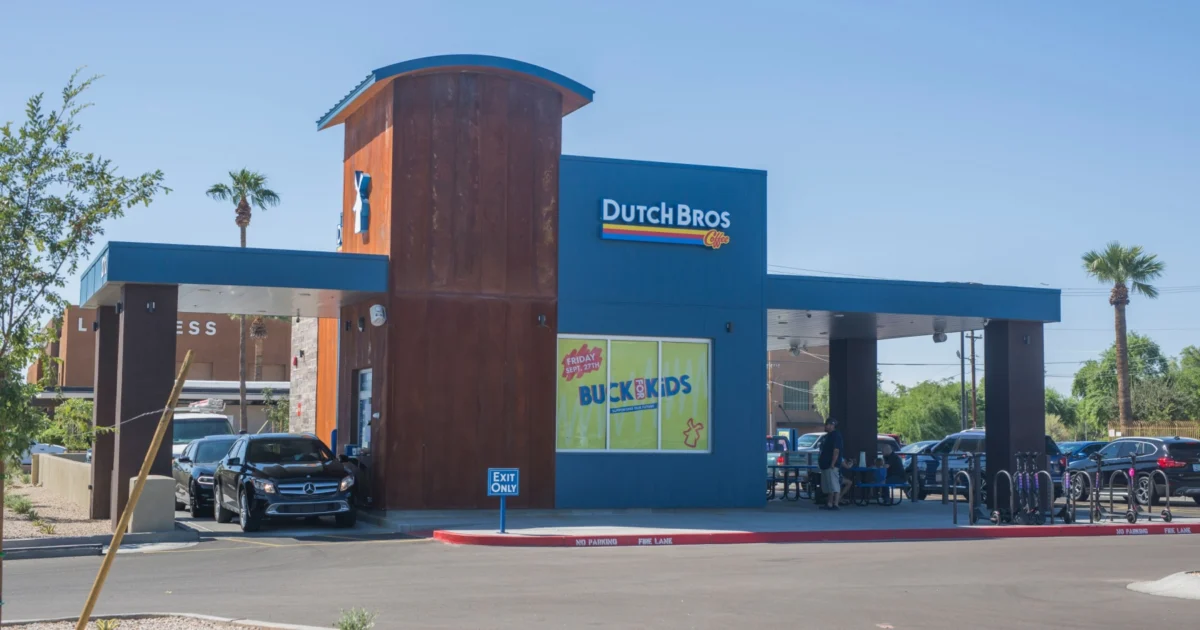
The drive-thru beverage chain Dutch Bros has announced a significant strategic move, entering into an agreement to acquire the real estate for as many as 65 Salad and Go locations across Arizona, Nevada, Oklahoma, and Texas. This acquisition marks a pivotal step in Dutch Bros’ aggressive expansion plan, aiming to leverage existing prime real estate to accelerate its growth trajectory. The deal, anticipated to close in the third quarter of the current fiscal year, is expected to see these acquired locations converted into Dutch Bros outposts by next year, further solidifying the company’s presence in key markets.
Strategic Expansion Through Conversion Opportunities
This latest acquisition underscores Dutch Bros’ commitment to exploring alternative expansion strategies, moving beyond solely ground-up construction. The company has been actively pursuing conversion opportunities, a tactic that allows for faster market penetration and potentially lower development costs compared to building entirely new sites. This approach is particularly effective in the fast-paced quick-service restaurant (QSR) sector, where prime locations are highly sought after. The acquisition of Salad and Go’s real estate is a prime example of this strategy in action, allowing Dutch Bros to rapidly increase its footprint in states where it already has a significant presence.
The move follows a pattern of strategic acquisitions for Dutch Bros. Earlier this year, in January, the company bolstered its portfolio by acquiring the 20-unit chain Clutch Coffee Bar. This earlier acquisition demonstrated Dutch Bros’ willingness to integrate smaller, like-minded brands into its operational framework, further diversifying its service offerings and expanding its reach. These targeted acquisitions allow Dutch Bros to tap into established customer bases and operational efficiencies, accelerating its market penetration.
Meeting Ambitious Growth Targets
Dutch Bros has set an ambitious goal of operating 2,029 locations by the year 2029. As of the end of the second quarter, the company had nearly 1,200 locations operational. The acquisition of up to 65 Salad and Go sites represents a substantial contribution toward this target, bringing the company closer to its stated objective. Executives have indicated that they have secured approximately 90% of the necessary pipeline to achieve this 2,029-location goal, signaling a high degree of confidence in their expansion strategy. The company’s leadership has also expressed optimism about identifying further opportunities in second-generation locations, highlighting a multi-pronged approach to site acquisition.
"We continue to see attractive conversion opportunities, both from emerging growth concepts and legacy beverage and drive-thru players," stated CEO Christine Barone during a recent investor call. "Growth isn’t just about expanding our footprint. It’s also about creating more reasons for customers to choose Dutch Bros throughout the day." This statement emphasizes the company’s holistic view of growth, which encompasses not only increasing the number of locations but also enhancing customer engagement and convenience across its expanding network. The strategic placement of these new sites is likely to be in areas with high drive-thru traffic and consumer demand, aligning with Dutch Bros’ core business model.
The Demise of Salad and Go and the Opportunity It Created
The acquisition comes at a time when Salad and Go, a chain focused on healthy, grab-and-go meals, has been experiencing significant financial difficulties. The company had been closing stores for a considerable portion of the past year and recently filed for Chapter 11 bankruptcy protection, leading to the closure of its remaining 70 locations. This downturn for Salad and Go, while unfortunate for its stakeholders, has created a unique real estate opportunity for well-positioned competitors like Dutch Bros.
The drive-thru beverage sector, in particular, is experiencing a period of intense competition and rapid growth. Brands such as Dutch Bros, 7 Brew, and Scooters are among the fastest-growing names in the industry, each vying for market share. This competitive landscape has created a robust demand for strategically located real estate, especially for drive-thru formats. The availability of former Salad and Go sites, often situated in convenient and accessible locations, presents a fertile ground for these expanding chains.
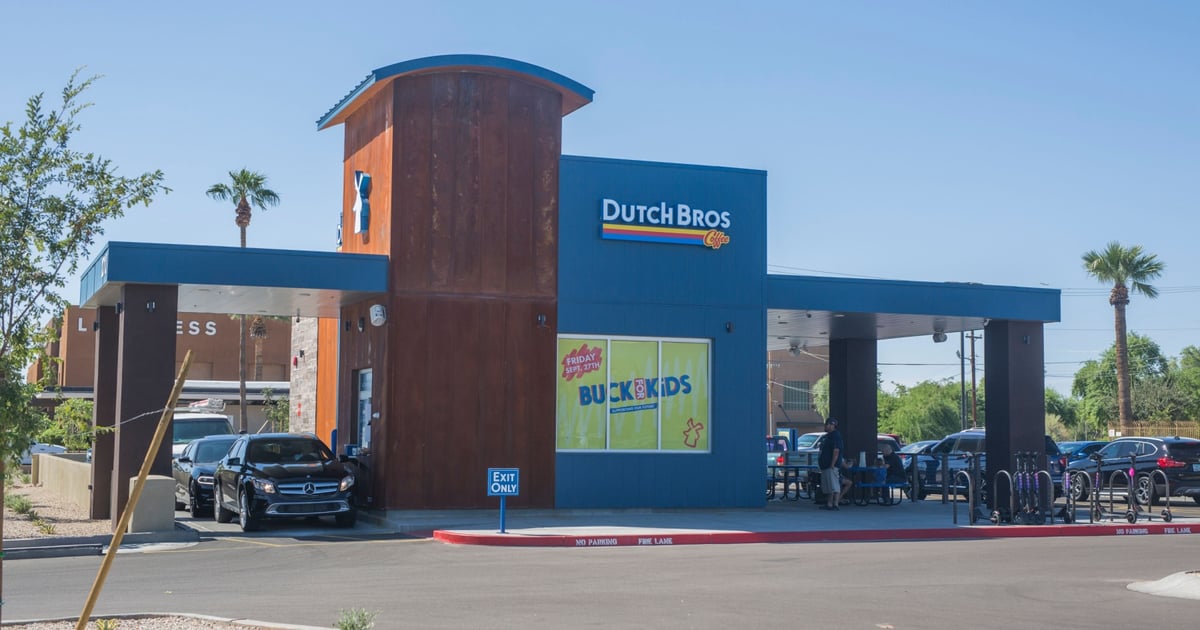
Barone elaborated on the strategic significance of these particular locations in a statement: "The 65 locations Dutch Bros is buying will quickly expand the company’s presence in four key states. The company sees a significant opportunity to continue densifying our footprint." This focus on "densifying" suggests a strategy to increase market saturation in areas where Dutch Bros already has a strong brand recognition and customer base, thereby maximizing operational efficiency and market impact.
Financial Performance and Investor Reaction
The announcement of the Salad and Go acquisition coincided with Dutch Bros’ second-quarter financial results. The company reported a robust 5.8% increase in same-store sales, including a 1.7% rise in transactions. Revenue saw a significant surge of 32.5%, reaching $550.9 million, while net income grew by an impressive 34% to $51.6 million. These figures demonstrate strong operational performance and continued revenue growth.
However, despite these positive financial indicators, the market reaction was not entirely favorable. Investors appeared disappointed with the results, leading to a 12% decline in the company’s stock price in after-hours trading on Wednesday. This investor sentiment may reflect a broader market concern about the pace of growth relative to expectations, or perhaps a sensitivity to the overall economic climate and its potential impact on consumer spending. It is also possible that the market was anticipating even stronger same-store sales growth given the company’s aggressive expansion and the overall positive trend in the drive-thru beverage sector.
Broader Industry Trends and the Future of Drive-Thru
The strategic acquisition by Dutch Bros is emblematic of larger trends shaping the QSR industry. The COVID-19 pandemic significantly accelerated the adoption of drive-thru and off-premise dining solutions, and this shift has persisted. Companies that can effectively cater to these consumer preferences, offering speed, convenience, and quality, are well-positioned for success. The drive-thru model, with its inherent efficiency and ability to serve a high volume of customers, has become a critical component of many QSR business models.
The "arms race" in the drive-thru coffee space, as alluded to in the original reporting, highlights the intense competition and innovation within this segment. Brands are not only competing on product but also on location, technology, and customer experience. The ability to quickly secure prime real estate, either through new development or strategic acquisitions of existing, well-positioned sites, is a key differentiator.
Dutch Bros’ strategy of utilizing second-generation locations, like those formerly occupied by Salad and Go, offers several advantages. These sites often come with existing infrastructure, including drive-thru lanes and parking, which can significantly reduce the time and cost associated with new store development. Furthermore, their established locations in populated areas can provide immediate access to a customer base, bypassing the initial challenges of building brand awareness in a new market.
The company’s stated goal of reaching over 2,000 locations by 2029 is an aggressive but achievable target, especially with a strategic approach to site acquisition. The successful integration of the Salad and Go sites will be crucial in maintaining this momentum. As Dutch Bros continues to expand, it will likely face ongoing challenges related to labor, supply chain, and competition. However, its proven ability to execute on expansion strategies and its focus on customer experience position it as a formidable player in the evolving QSR landscape.
The long-term implications of this acquisition could include increased market share for Dutch Bros in the targeted states, potentially impacting smaller, independent coffee shops and even larger competitors. The densification of its footprint will likely lead to greater brand visibility and convenience for existing customers, potentially driving further loyalty and repeat business. The success of this conversion strategy will also serve as a benchmark for other QSR brands looking to expand efficiently in a competitive market. As the drive-thru sector continues to evolve, strategic real estate plays like this will remain critical for sustained growth and market leadership.
