

The landscape of the global gin market underwent a seismic shift in 1999 when William Grant & Sons introduced Hendrick’s Gin. Eschewing the traditional London Dry style that had dominated the industry for decades, Hendrick’s utilized a dual-still distillation process and an unconventional infusion of Bulgarian rose and cucumber. This departure from tradition paved the way for the "New Western" or "Contemporary" gin category. In recent years, the brand has sought to maintain its innovative edge through the "Cabinet of Curiosities," a series of limited-edition releases helmed by Master Distiller Lesley Gracie. As of late 2024, the portfolio has grown to include eight distinct expressions, ranging from experimental botanical blends to coastal-inspired spirits. Industry analysis and tasting evaluations indicate a wide variance in quality and utility among these releases, necessitating a comprehensive review of the product line from its least successful iterations to its most accomplished.
The Evolution of the Cabinet of Curiosities
The Cabinet of Curiosities was conceived as an experimental outlet for Lesley Gracie at the Hendrick’s Gin Palace in Girvan, Scotland. The facility, which opened in 2018, features a laboratory and hothouses that allow for the cultivation of exotic botanicals. Each release in the series is typically available for a limited window of one to two years, designed to capture a specific "sensory moment" or thematic inspiration. While the flagship Hendrick’s Gin remains a constant in the market, these limited editions serve as a strategic tool to engage collectors and satisfy a consumer base increasingly interested in "flavored" and "botanical-forward" spirits.
However, the rapid expansion of the line has met with mixed critical reception. While some editions have been lauded for their complexity and ability to enhance modern mixology, others have been criticized for deviating too far from the core identity of gin—specifically the requisite presence of juniper—or for featuring flavor profiles that are difficult to integrate into standard cocktail formats.
Comprehensive Ranking of the Hendrick’s Portfolio
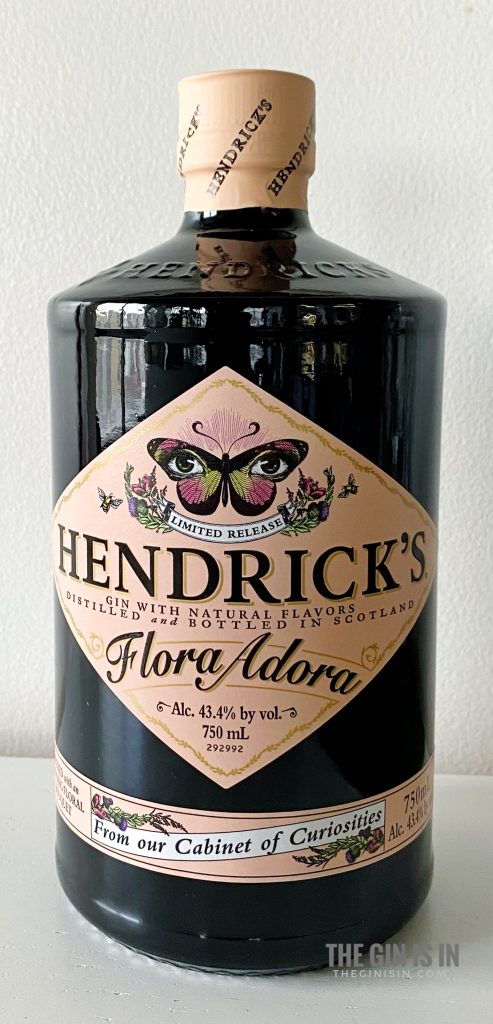
8. Hendrick’s Flora Adora (2023)
Introduced in early 2023, Flora Adora was marketed as an ode to the pollinators of the Scottish coast. The botanical bill includes lavender, rose, and hibiscus, creating a profile that is aggressively floral. On the nose, the spirit presents heavy notes of honeysuckle and tuberose. While the palate attempts to balance this with peach and coriander, the mid-palate is dominated by a perfume-like quality that many critics have described as "soapy." In a professional bar setting, Flora Adora has proven to be a difficult mixer, as its intense floral character tends to overwhelm other ingredients. It remains the most polarizing entry in the series, often relegated to the collections of brand completists rather than the speed rails of high-volume establishments.
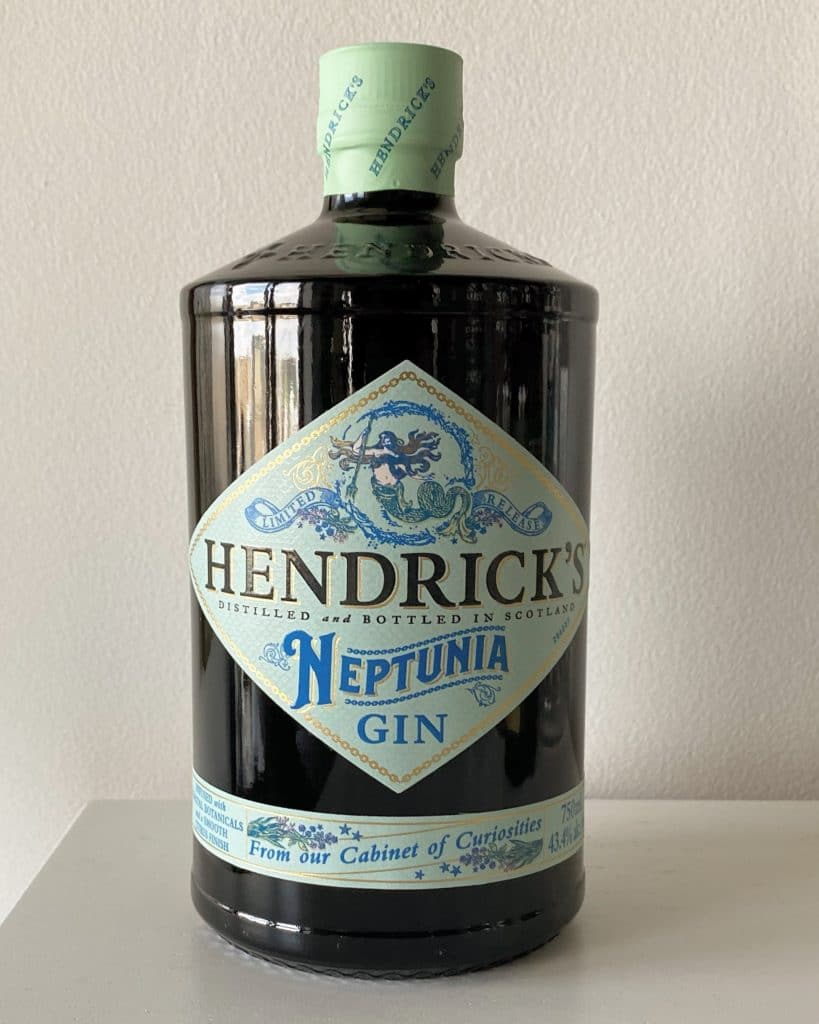
7. Hendrick’s Neptunia (2022)
Neptunia was inspired by the rugged coastline of Ayrshire. Unlike the floral-heavy releases, Neptunia focuses on saline and savory notes. It features coastal botanicals and a distinct citrus finish. While it aligns with the broader industry trend of Mediterranean-influenced gins—such as Gin Mare—it has been criticized for being "cacophonous." The interplay between briny sea air, piney juniper, and floral undertones creates a profile that some tasters find chaotic. While it functions reasonably well in a Gin and Tonic with a sprig of thyme, its lack of balance prevents it from ranking higher.
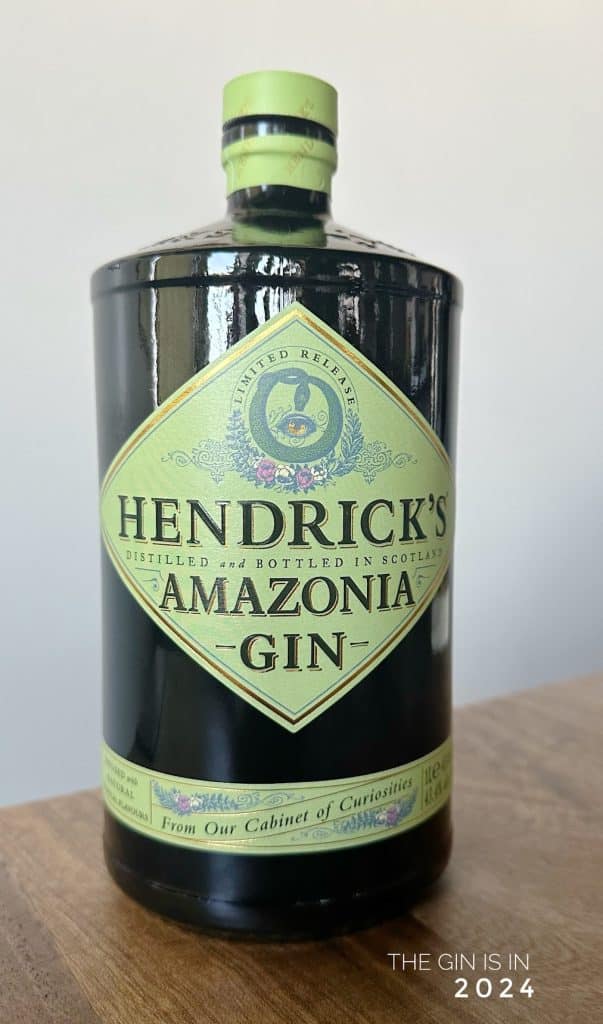
6. Hendrick’s Amazonia (2020)
Originally released as a Travel Retail exclusive, Amazonia was inspired by Gracie’s 2013 trek to the Venezuelan rainforest. The gin utilizes tonka beans and pink peppercorns, which should, in theory, provide a sophisticated, spicy depth. However, the final product is heavily weighted toward tropical fruit notes. Analysts have noted that the gin feels more akin to a fruit-flavored spirit than a traditional gin, making it more suitable for Tiki-style drinks like a Piña Colada than classic gin cocktails like the Negroni. While pleasant, it lacks the versatility expected from the Hendrick’s brand.
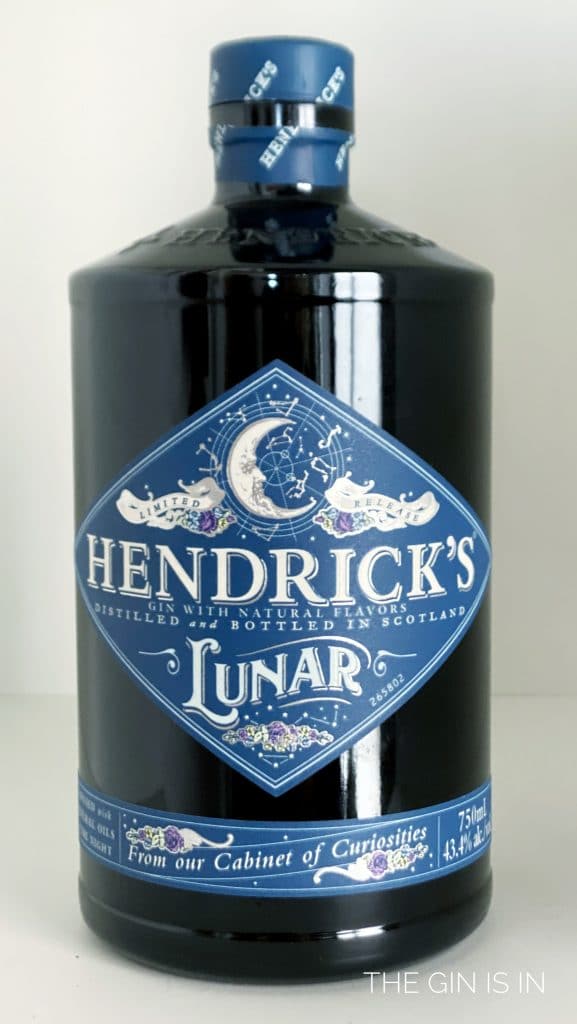
5. Hendrick’s Lunar (2021)
Lunar was designed to capture the "nocturnal ambiance" of the distillery’s gardens. It represents a shift toward a warmer, spicier profile compared to the flagship. The nose offers honeysuckle and violet, but the palate is grounded by black peppercorns and coriander. Lunar is widely considered a successful "mid-tier" release because it maintains a respectable balance between its floral aspirations and its spice-led heart. It is a versatile mixer, performing well in both citrus-forward drinks and spirit-heavy classics like the Martini.
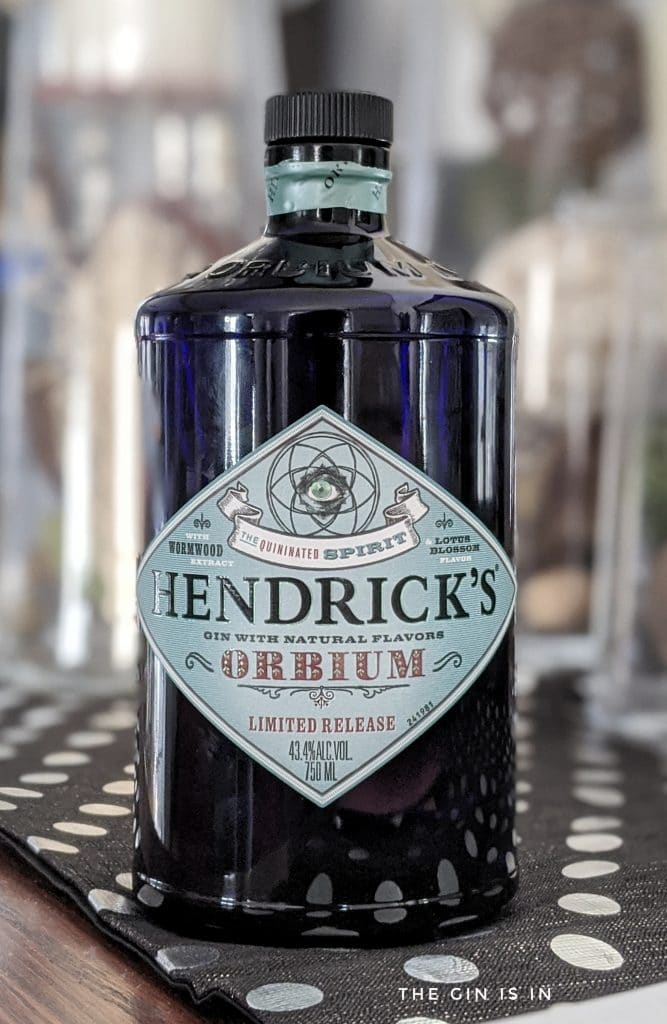
4. Hendrick’s Orbium (2017/2018)
Orbium is perhaps the most "intellectual" release in the Cabinet. It takes the original Hendrick’s base and adds three specific essences: Lotus Blossom, Wormwood, and Quinine. By incorporating quinine (the bittering agent in tonic) and wormwood (the key botanical in vermouth), Orbium essentially deconstructs the components of a Gin and Tonic or a Martini within the spirit itself. The result is a bitter, complex gin that appeals to fans of savory and medicinal flavors. While it is not a "crowd-pleaser" in the traditional sense, it is highly respected by bartenders for its structural integrity.
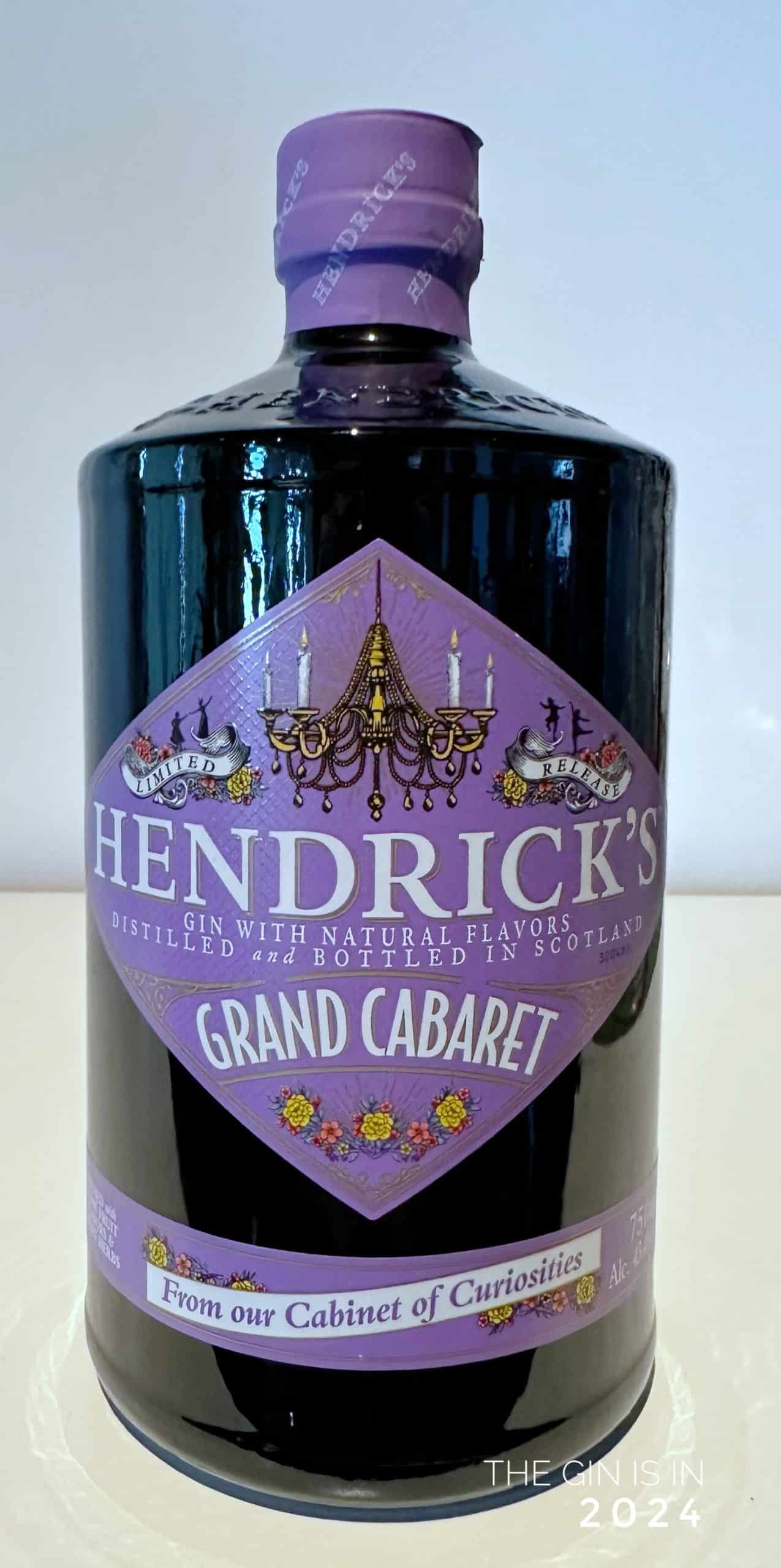
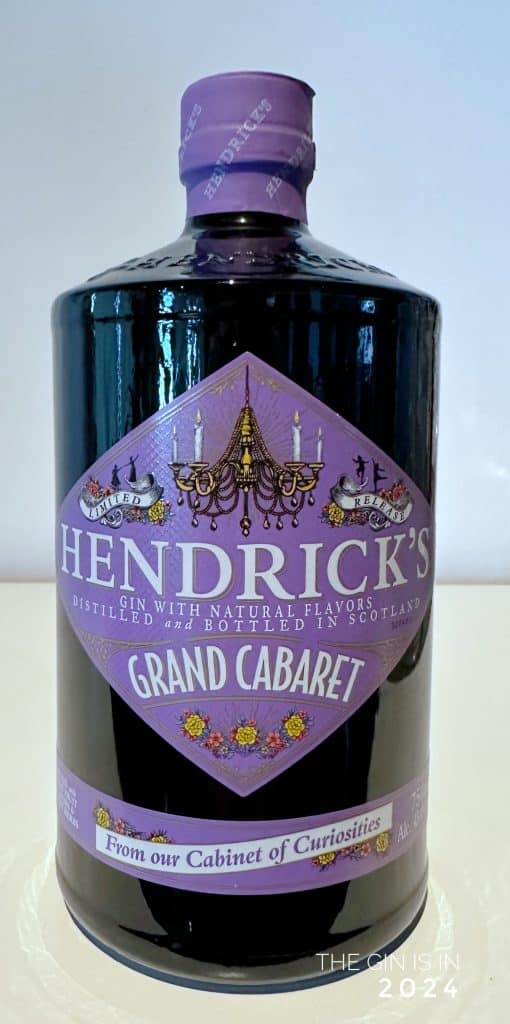
3. Hendrick’s Grand Cabaret (2024)
The most recent addition to the line, Grand Cabaret, draws inspiration from 17th-century French stone fruit distillates. It features a vivid aroma of apricot and peach, supported by elderflower and the signature Hendrick’s juniper. Despite the fruit-heavy description, Grand Cabaret manages to maintain a sophisticated profile that does not veer into cloying sweetness. It has been praised for its ability to elevate simple highballs and lemonades, offering a contemporary "bistro" aesthetic that resonates with current consumer trends toward lighter, fruitier aperitifs.
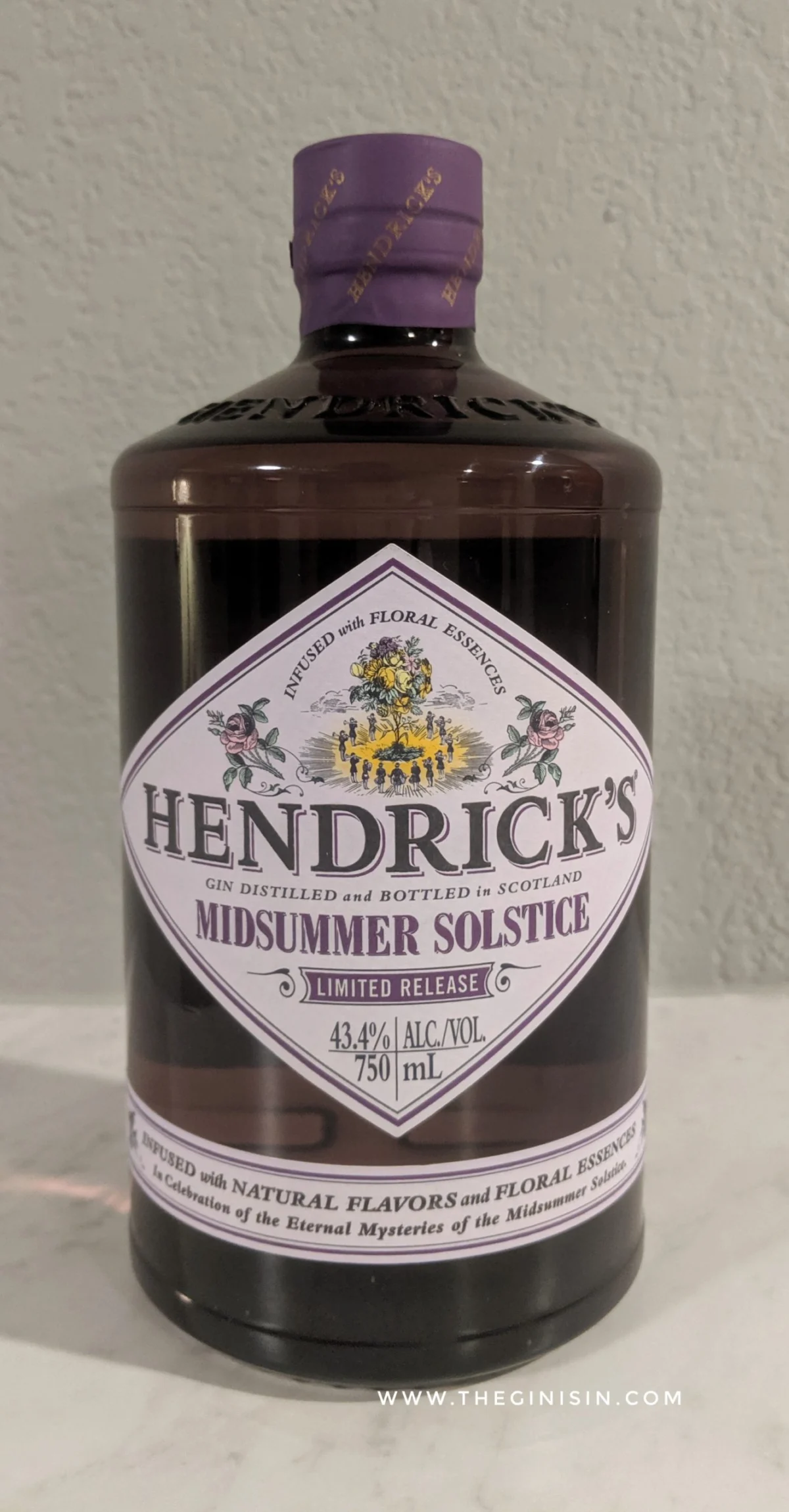
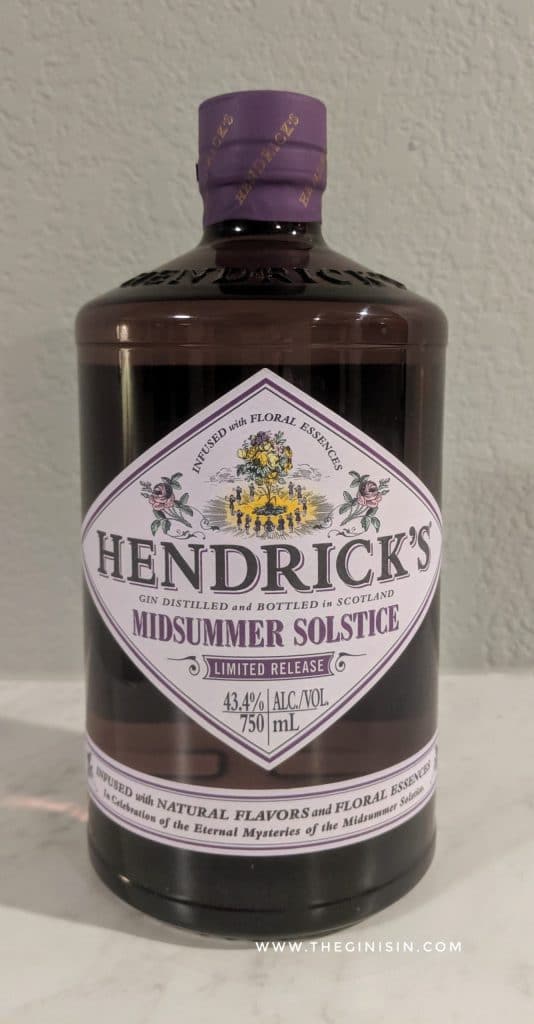
2. Hendrick’s Midsummer Solstice (2019)
As the inaugural release of the Cabinet of Curiosities, Midsummer Solstice set a high bar that many subsequent releases failed to reach. It was designed to be a "pink gin" alternative without the artificial coloring or excessive sugar often found in that category. The infusion of natural floral essences—raspberry, rose, and strawberry—created a bright, zesty gin that remained firmly rooted in the juniper-forward tradition. Its commercial success was significant, and its discontinuation remains a point of contention among the brand’s loyalists.
1. Hendrick’s Flagship (Original)
Despite twenty-five years of competition and internal experimentation, the original Hendrick’s Gin remains the pinnacle of the brand’s output. Its success lies in its revolutionary balance. The use of two different stills—the 1860 Bennett pot still, which produces a heavy, oily spirit, and the 1948 Carter-Head still, which produces a light, floral vapor—creates a complexity that none of the limited editions have quite replicated. The post-distillation infusion of cucumber and rose remains one of the most iconic flavor pairings in modern spirits. It is the definitive "utility" gin, equally at home in a Dirty Martini as it is in a casual Gin and Tonic.
Chronology and Market Context
The timeline of Hendrick’s releases reflects a broader strategic shift in the spirits industry toward "limited-time offerings" (LTOs).
- 1999: Launch of Hendrick’s Gin.
- 2017: Initial limited release of Orbium in select markets.
- 2019: Official launch of the Cabinet of Curiosities with Midsummer Solstice.
- 2020: Release of Amazonia (Global Travel Retail) and Lunar.
- 2022: Release of Neptunia.
- 2023: Release of Flora Adora.
- 2024: Release of Grand Cabaret.
This chronology demonstrates a trend toward annual releases, a pace that industry analysts suggest is necessary to maintain "share of mind" in an increasingly crowded premium gin segment. According to IWSR Drinks Market Analysis, the premium gin category has seen a compound annual growth rate (CAGR) of over 5% in the last decade, driven largely by brand extensions and botanical innovation.
Technical Specifications: The Two-Still Method
The consistency of the Hendrick’s line, even in its more experimental phases, is anchored by its unique distillation hardware. The Bennett Still steeps its botanicals in neutral grain spirit for 24 hours before boiling, resulting in a deep, robust flavor. In contrast, the Carter-Head Still contains the botanicals in a basket within the neck of the still. The alcohol vapors pass through the botanicals, extracting only the lightest, most volatile oils. By blending these two distinct spirits, Lesley Gracie achieves a "house style" that is both weighty and ethereal. All Cabinet of Curiosities releases utilize this base blend before their specific thematic infusions are added.
Broader Impact and Industry Implications
The Hendrick’s Cabinet of Curiosities has had a profound impact on how gin is marketed and consumed. By treating gin releases like "seasonal fashion collections," William Grant & Sons has successfully moved the spirit away from its "stuffy" image into a more dynamic, lifestyle-oriented space.
However, the "flavor-first" approach of releases like Flora Adora and Amazonia highlights a growing tension in the industry. Traditionalists argue that the category risk losing its identity if juniper is sidelined in favor of fruit and flower essences. Conversely, market data suggests that these variations are the primary entry point for younger consumers (Gen Z and Millennials) who find traditional London Dry gins too harsh.
Ultimately, the ranking of the Hendrick’s portfolio reveals a brand that is at its best when it balances its eccentricities with technical precision. While the flagship remains the gold standard, the Cabinet of Curiosities serves as a vital, if occasionally uneven, laboratory for the future of the spirit. As the industry moves into 2025, the challenge for Hendrick’s will be to ensure that future "curiosities" prioritize the structural balance that made the brand a household name in the first place.
