

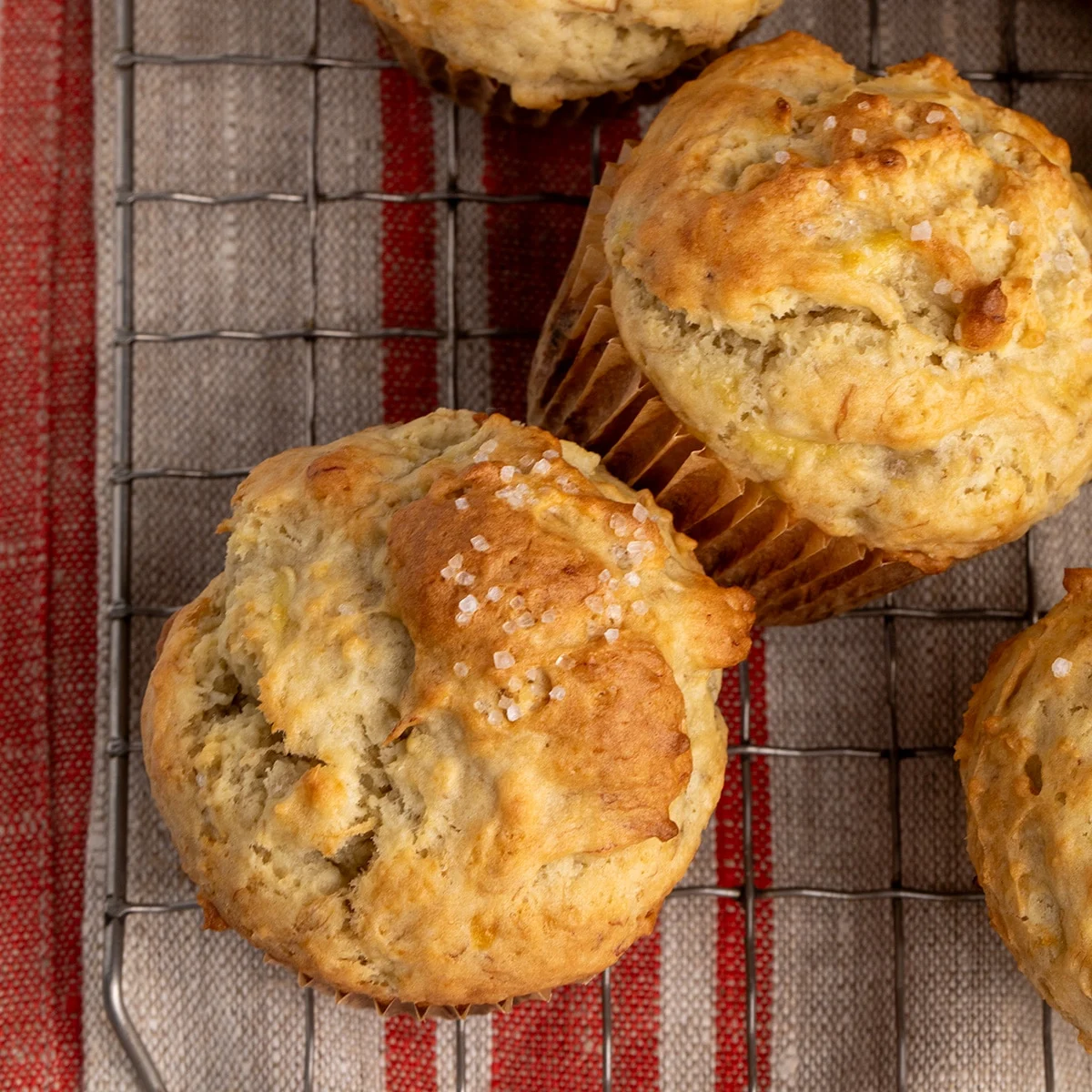
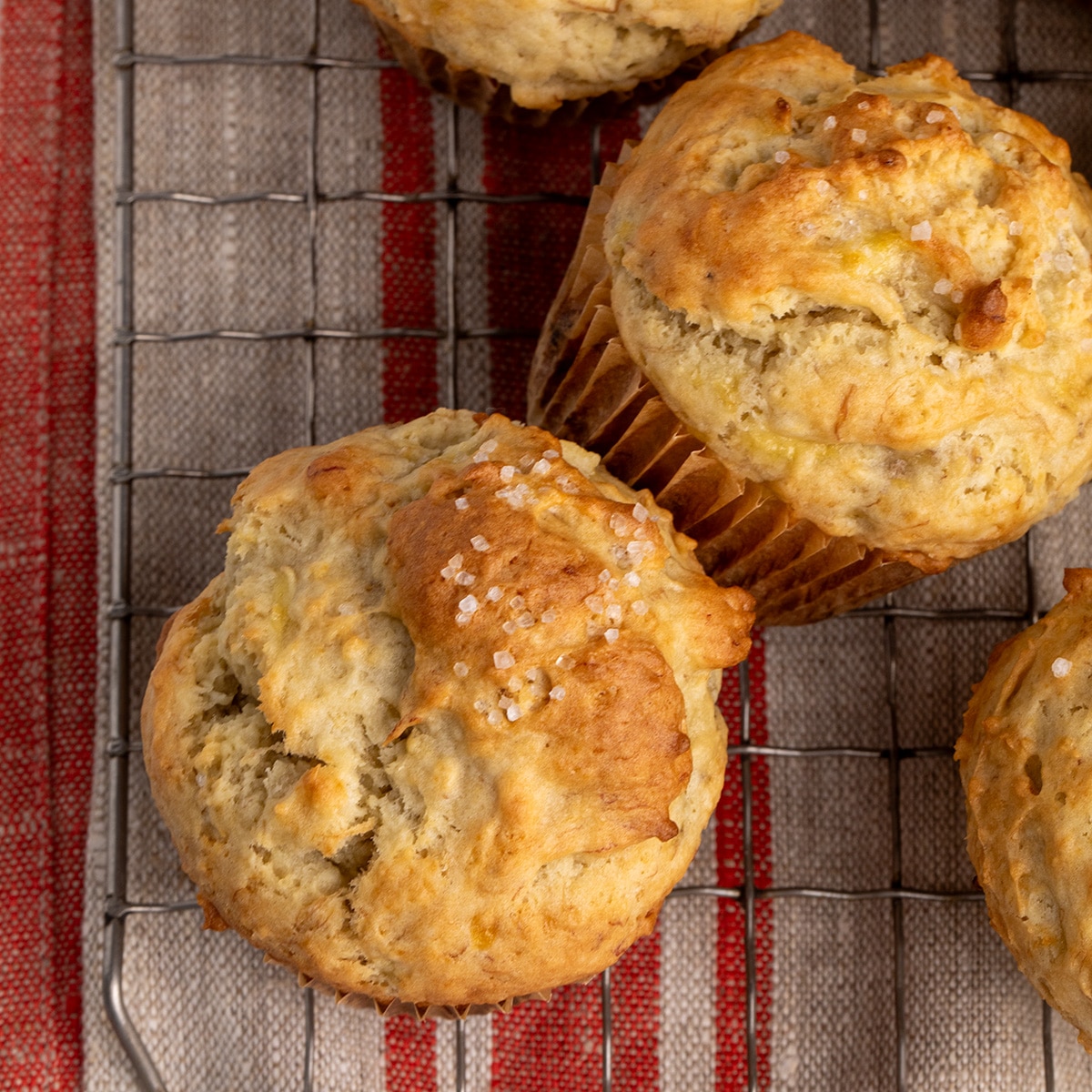
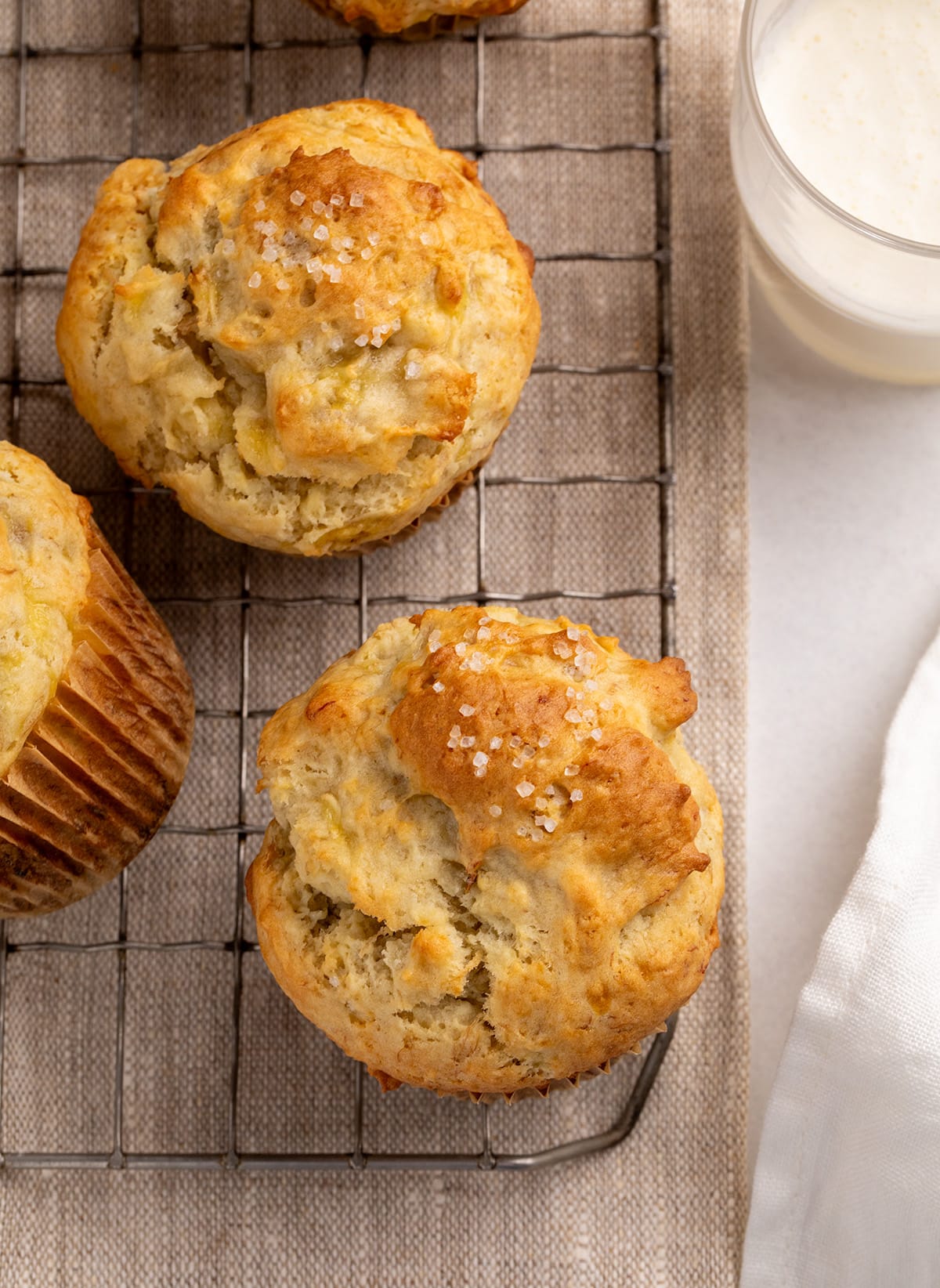
The quest for a truly exceptional gluten-free banana muffin has long been a culinary challenge for many home bakers. Often, recipes fall short, resulting in muffins that are either dense and gummy or lack the robust banana flavor that defines this beloved treat. However, a meticulously developed recipe promises to deliver a consistently delicious outcome, boasting tall, golden-brown muffins with a deep, authentic banana taste and a remarkably soft, fluffy crumb that avoids any heaviness. This recipe stands out by employing a thoughtful approach to ingredient ratios and baking techniques, ensuring that even with a generous amount of mashed banana, the texture remains light and airy.
The Science Behind Superior Gluten-Free Banana Muffins
At the heart of this recipe’s success lies a careful balance of ingredients and a nuanced understanding of how gluten-free flours behave. The use of nearly two cups of mashed ripe bananas is intentional, providing an intense banana flavor profile that is often missing in other gluten-free versions. Crucially, the recipe addresses the common pitfall of gummy texture by incorporating the mashed bananas as a final step, gently folding them into the batter. This technique prevents the over-release of moisture from the bananas, a primary culprit for a heavy or gummy crumb.
The fat component also plays a significant role in achieving both richness and moisture. A combination of melted butter and oil is utilized, offering a depth of flavor from the butter while the oil ensures a consistently moist texture. This dual approach contributes to muffins that remain tender and delicious even after several days.
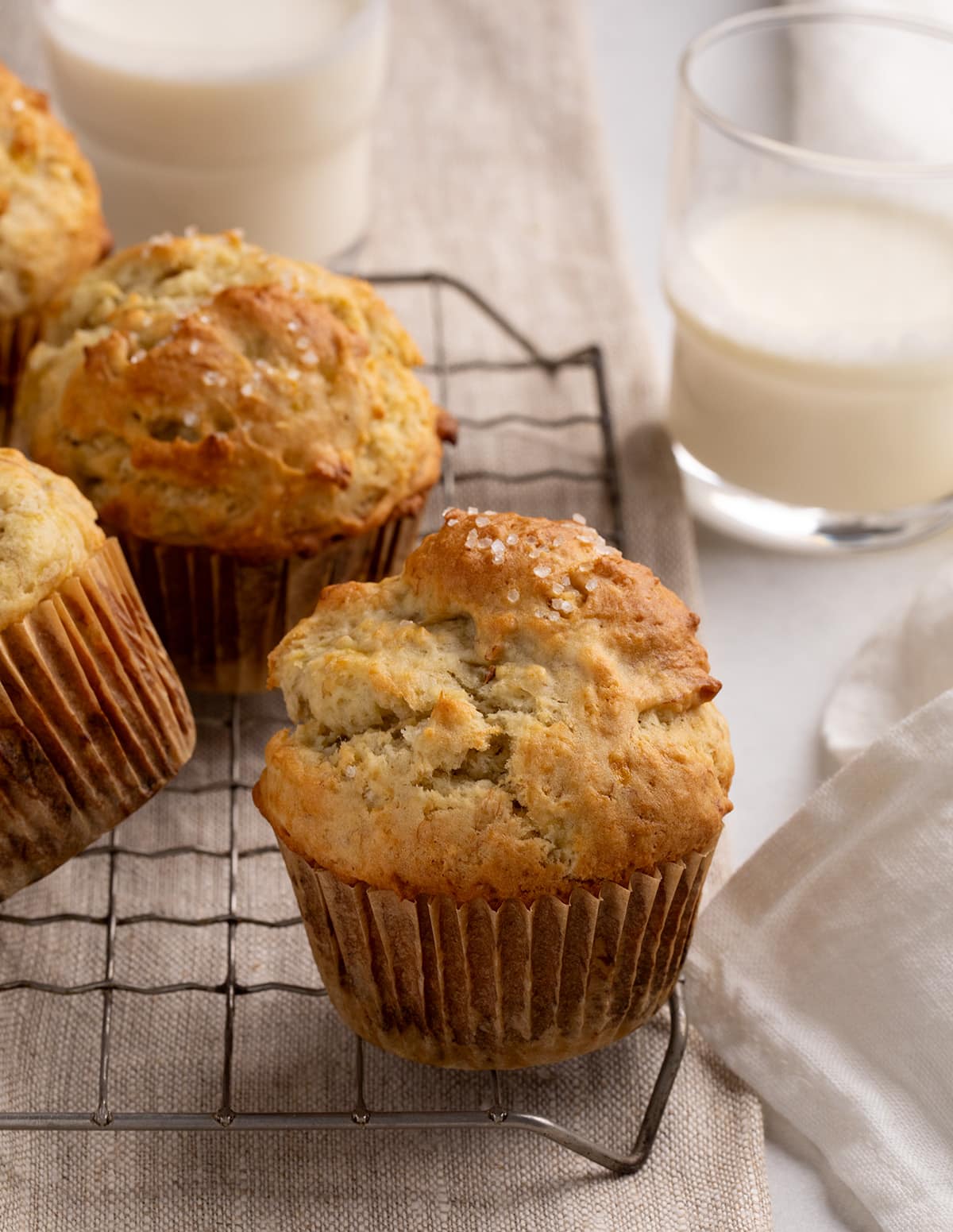
Furthermore, the baking process itself is engineered for optimal results. The muffins are initially baked at a high temperature (425°F) for a brief period. This initial burst of heat encourages rapid leavening, prompting the batter to rise quickly and form those desirable tall, domed tops. Following this, the oven temperature is reduced to 350°F to allow the centers to bake through thoroughly without the risk of burning the exteriors. This two-stage baking method is a key factor in achieving both a beautiful appearance and a perfectly cooked interior.
A Closer Look at the Ingredients
The selection and preparation of each ingredient are vital to the success of these gluten-free banana muffins. While specific measurements are provided in the full recipe, understanding the role of each component offers valuable insight:
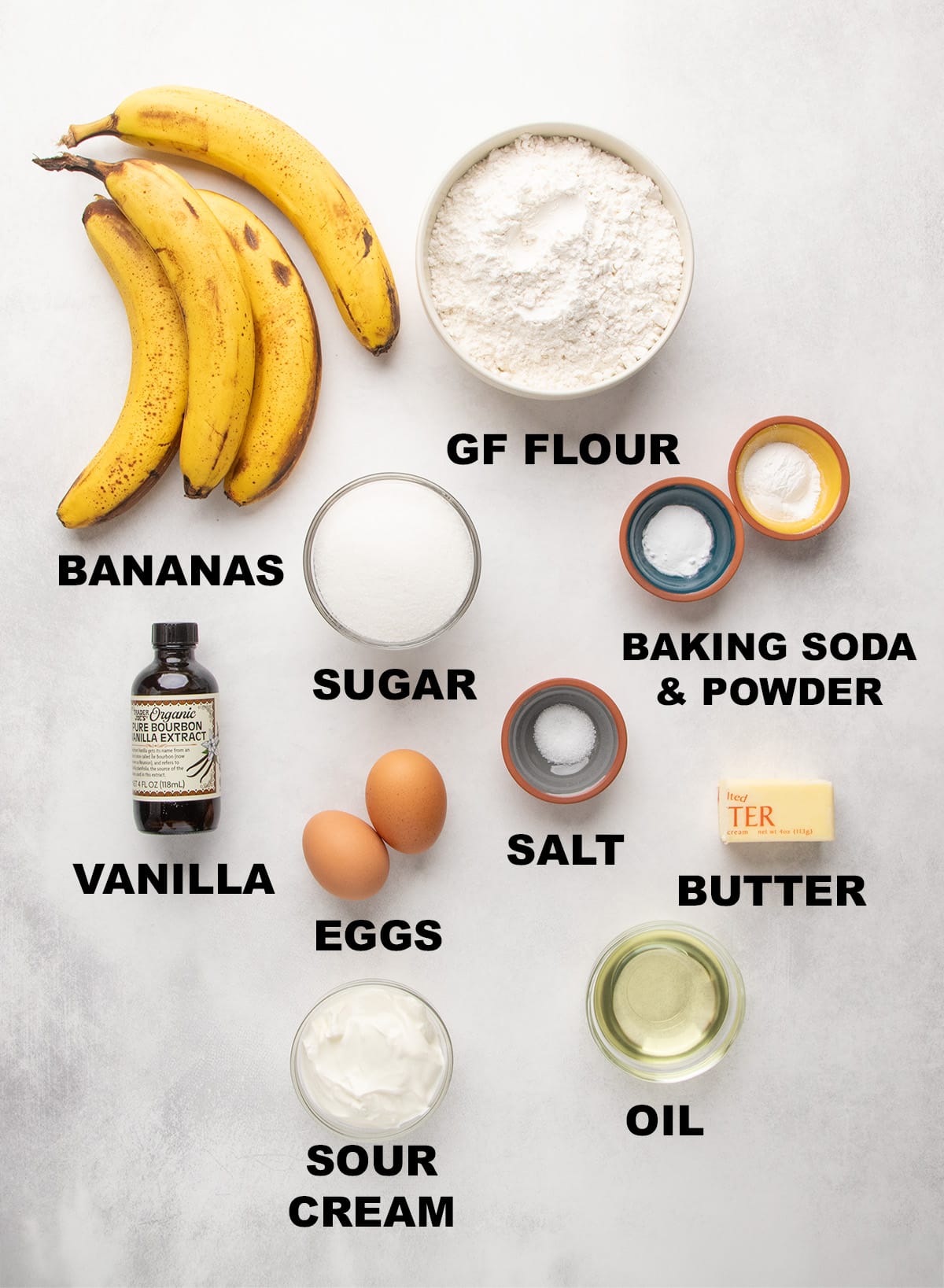
- Ripe Bananas: The star of the show, ripe bananas provide natural sweetness and a concentrated banana flavor. The riper the banana, the more intense the flavor and sweetness. Using approximately 1 ¾ cups of mashed ripe banana is recommended for optimal flavor impact.
- Gluten-Free Flour Blend: The choice of gluten-free flour blend is critical. For best results, a blend designed for baking is recommended. Some popular and reliable options include Better Batter’s original blend, Nicole’s Best multipurpose blend, or Bob’s Red Mill 1-to-1 Gluten Free Baking Flour. If a blend does not already contain xanthan gum, it’s often necessary to add a small amount (typically around 1 to 1 ½ teaspoons per cup of flour) to provide the structure and binding that gluten normally offers. The article notes that specific blends might require slight adjustments to the xanthan gum content to prevent overly crumbly muffins.
- Sugar: Granulated sugar contributes to sweetness and aids in the browning of the muffins.
- Leavening Agents: A combination of baking powder and baking soda is used to ensure a good rise. Baking powder provides a double-acting lift, while baking soda reacts with acidic ingredients to further enhance the rise and texture.
- Salt: Salt enhances the overall flavor of the muffins and balances the sweetness.
- Fats: A blend of melted butter and oil is employed. The butter adds a rich flavor, while the oil contributes to moisture and tenderness.
- Eggs: Eggs act as a binder, provide richness, and contribute to the structure and leavening of the muffins. For those with egg allergies, the recipe offers viable substitutions such as chia eggs, commercial egg replacers, or liquid egg substitutes.
- Sour Cream: Sour cream adds moisture and a subtle tanginess, contributing to a tender crumb. For dairy-free alternatives, dairy-free sour cream or strained dairy-free plain yogurt can be used.
- Vanilla Extract: Pure vanilla extract enhances the overall flavor profile, complementing the banana.
Step-by-Step Guide to Baking Perfection
The process for creating these gluten-free banana muffins is designed to be straightforward, even for novice bakers.
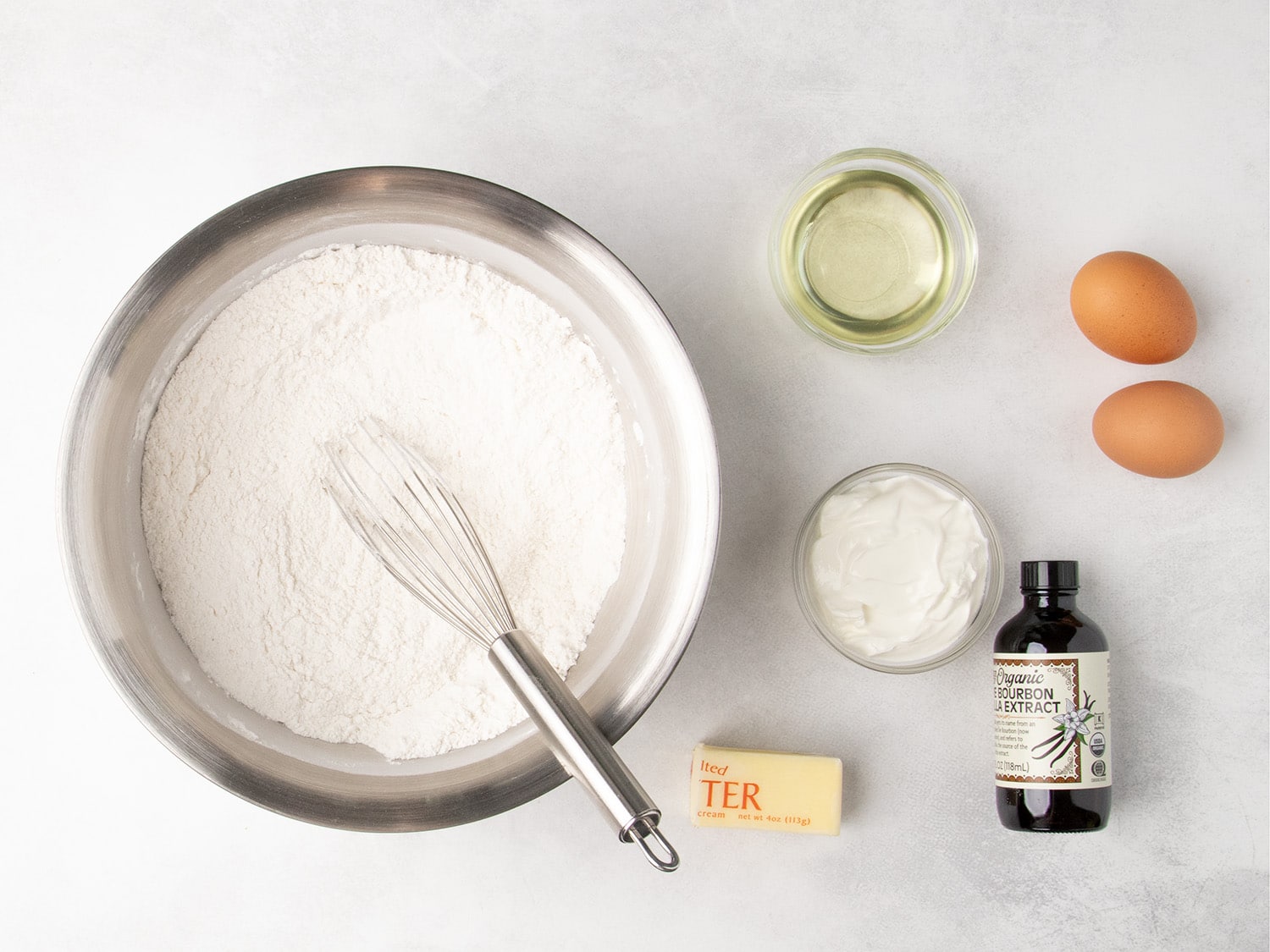
- Combine Dry Ingredients: In a large mixing bowl, whisk together the gluten-free flour blend, xanthan gum (if necessary), baking powder, baking soda, salt, and sugar. Thorough whisking is essential to ensure even distribution of the leavening agents and to break up any potential clumps.
- Incorporate Wet Ingredients: Create a well in the center of the dry ingredients. Add the melted butter, oil, eggs, sour cream, and vanilla extract into this well. Begin by mixing only the wet ingredients in the center before gradually incorporating the dry ingredients. This method simplifies the process by avoiding a separate bowl for wet ingredients.
- Initial Mixing: Continue mixing the wet and dry ingredients together. The mixture will likely be quite thick at this stage and may not be fully incorporated into a smooth batter.
- Folding in Bananas: Add all of the mashed bananas to the batter. Use a spatula to gently fold them into the mixture. This step will loosen the batter considerably. As mentioned, adding bananas last and folding them gently prevents excessive moisture release, which is key to avoiding a gummy texture.
- Portioning the Batter: For optimal muffin height, it is recommended to fill only every other muffin well in the muffin tin. This provides ample space for the muffins to expand without interfering with each other. Fill each liner to the very top with batter.
- Initial High-Heat Bake: Place the muffin tin in a preheated oven set to 425°F. Bake for approximately 5 minutes. This initial high heat rapidly activates the leavening agents, promoting quick upward expansion and setting the outer layer of the muffins into a domed shape.
- Reduced-Heat Baking: Immediately after the initial 5 minutes, reduce the oven temperature to 350°F. Continue baking for an additional 15 minutes, or until the tops of the muffins spring back when gently pressed. The muffins should also be golden brown. This temperature reduction ensures that the muffins bake through to the center without burning the exterior.
- Cooling: Allow the muffins to cool in the tin for just 5 minutes before carefully transferring them to a wire rack to finish cooling completely. This quick transfer prevents the muffins from steaming in the tin, which can lead to a chewy exterior.
Expert Tips for Elevated Baking
Beyond the core recipe, several expert tips can further enhance the muffin-making experience and ensure consistently outstanding results.
- Achieving Maximum Muffin Height: The two-stage baking process, starting at 425°F and then reducing to 350°F, is paramount for significant oven spring. Additionally, baking in every other muffin cup provides the necessary space for upward expansion.
- Prompt Removal from Tin: As highlighted, leaving baked muffins in the tin for more than five minutes can cause them to steam, leading to an undesirable chewy texture. Promptly moving them to a wire rack allows for proper air circulation and cooling.
- Ingredient Substitutions for Dietary Needs:
- Dairy-Free: Replace butter with virgin coconut oil (melted and cooled). Triple-filtered coconut oil is recommended if a coconut flavor is to be avoided. For sour cream, dairy-free sour cream or a thickened dairy-free plain yogurt can be used.
- Egg-Free: For those avoiding eggs, the recipe suggests using one chia egg (1 tablespoon ground chia seeds mixed with 2 tablespoons water, allowed to gel) per egg, a commercial egg replacer like Bob’s Red Mill, or a liquid egg substitute like "Just Egg."
Storage and Refreshing
Proper storage is essential to maintain the quality of these gluten-free banana muffins.
- Room Temperature Storage: Once completely cooled, store the muffins in an airtight container at room temperature for up to 5 days.
- Refreshing Stale Muffins: To revive a slightly dry muffin, briefly run it under cold water and warm it in a toaster oven at 300°F for a couple of minutes.
- Long-Term Storage: For extended storage, freeze the cooled muffins. Arrange them on a baking sheet until solid, then transfer them to a zip-top bag and store for up to 2 months. To thaw, leave them at room temperature or microwave for approximately 25 seconds. Reheating in a low toaster oven is recommended for the best texture.
For those seeking alternative banana-based baked goods, the recipe author also offers an almond flour banana muffin recipe.
Frequently Asked Questions
- Can frozen bananas be used? Yes, frozen bananas can be used, but ensure they are fully thawed before incorporating them into the batter. It’s important to include both the thawed fruit and any released liquid to maintain the correct moisture balance.
- Why did my muffins sink? A sunken muffin typically indicates underbaking. The exterior may appear done, but the interior remains raw. This can be exacerbated by an oven that runs too hot. Using an oven thermometer and baking until the centers spring back are recommended checks.
- Can this recipe be used for mini muffins? Yes, the recipe can be adapted for mini muffins. Use a 24-cup mini muffin tin and fill each well to the top. Begin checking for doneness at around 15 minutes and bake at 350°F from the start. They are ready when the tops spring back when gently pressed.
- Can chocolate chips or nuts be added? Absolutely. Up to ½ cup of chocolate chips or 2 to 3 ounces of chopped nuts, such as walnuts or pecans, can be added. For a spiced variation, 1 teaspoon of ground cinnamon can be stirred in with the dry ingredients.
Nutritional Considerations
The provided nutritional information, calculated automatically, offers an approximate breakdown per muffin serving. This includes calories, carbohydrates, protein, fat content (including saturated, polyunsaturated, and monounsaturated fats), cholesterol, sodium, potassium, fiber, sugar, and key vitamins and minerals. While these figures serve as a helpful guide, they are estimates and may vary based on specific ingredient brands and preparation methods.
This comprehensive guide provides not only a detailed recipe for achieving perfect gluten-free banana muffins but also the underlying principles and expert tips necessary for consistent success, catering to a range of dietary needs and baking preferences.
