

The designation of London Dry Gin remains one of the most frequently misunderstood classifications in the global spirits industry, representing a specific technical methodology rather than a geographical origin or a singular flavor profile. Contrary to popular consumer perception, a bottle labeled as London Dry Gin does not require production within the city limits of London, nor even within the United Kingdom; instead, the term serves as a rigorous hallmark of quality and a specific approach to the distillation process. This distinction is rooted in a centuries-long evolution that transformed gin from a potentially lethal, adulterated substance into a refined, world-class spirit governed by strict international regulatory frameworks.
The Technical Definition and Regulatory Framework
In the modern spirits market, the term "London Dry" is a legally protected category, most notably defined under European Union regulation (specifically Regulation (EC) No 110/2008, succeeded by 2019/787) and similar statutes in other jurisdictions. For a spirit to bear this name, it must adhere to a stringent set of production criteria. First, the base must be a high-quality neutral spirit of agricultural origin, distilled to a minimum of 96% alcohol by volume (ABV). The flavoring must be introduced exclusively through the re-distillation of this neutral spirit in traditional stills in the presence of all the natural plant materials (botanicals) used.
Crucially, the regulation dictates that no artificial flavors or colors may be added after the second distillation. Only a minute amount of sweetening—no more than 0.1 grams of sugar per liter—is permitted in the final product, and the spirit must be bottled at a minimum of 37.5% ABV. This "dry" requirement is what separates the category from older styles like Old Tom Gin, which historically utilized sugar to mask the impurities of poorly distilled base spirits. By mandating that all flavor must come from the distillation of physical botanicals, the London Dry process ensures a level of purity and craftsmanship that served as the industry’s first real attempt at consumer protection.
A Chronology of Innovation: From Adulteration to Refinement
The history of gin is inextricably linked to the socio-economic development of London, yet the "London Dry" moniker did not emerge until long after the spirit had established its dominance in British culture.
The Early 18th Century: The Gin Craze
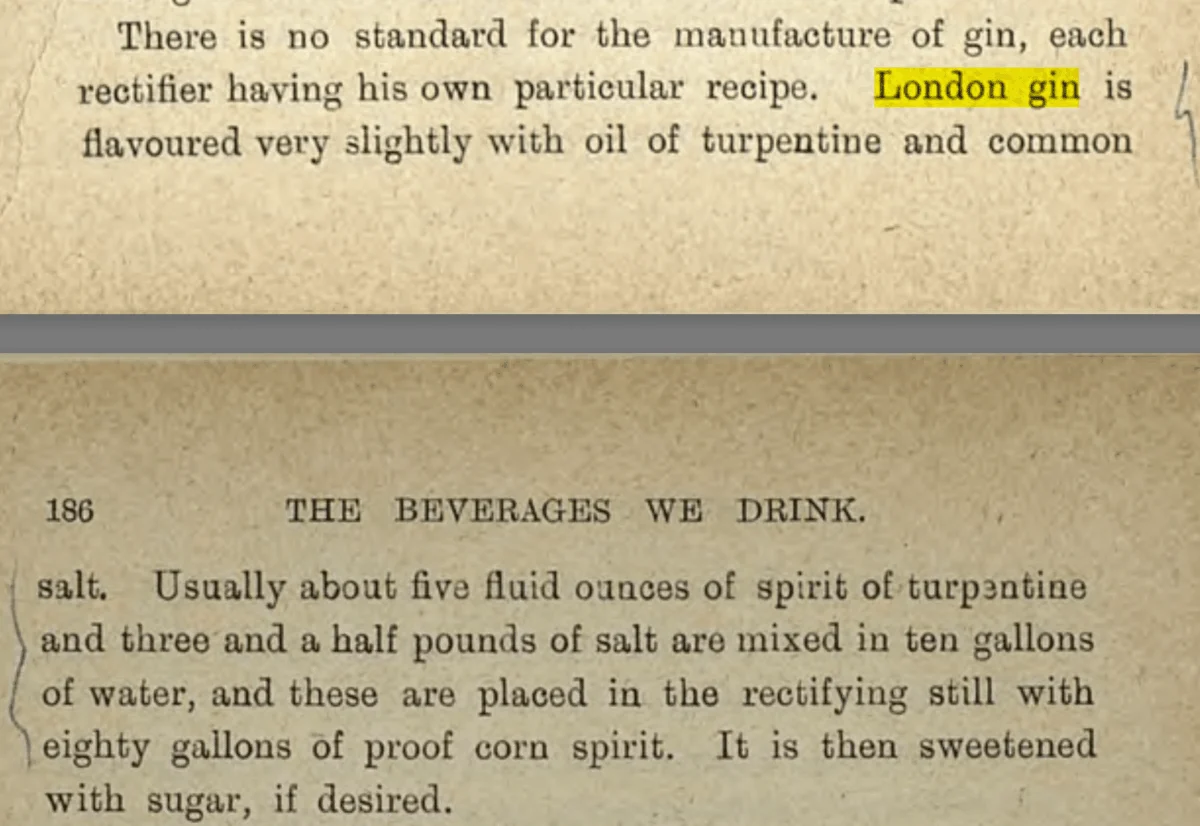
During the early 1700s, London was gripped by the "Gin Craze," a period of extreme overconsumption fueled by unregulated production. At this time, "London Gin" was often a crude, dangerous liquid. Small-scale distillers frequently utilized turpentine, sulfuric acid, or lime oil to mimic the flavor of juniper or to hide the harshness of spirits distilled from low-quality fermented grain. The resulting "Mother’s Ruin" was often sweetened heavily with sugar or honey to make it palatable.
1801–1830: The Quest for Quality
By the turn of the 19th century, the industry began to professionalize. Historical records, such as the 1801 edition of Every Man His Own Brewer and Distiller, indicate that "London Gin" was already a recognized style, though it lacked a formal definition. During this era, "London Gin" referred more to the juniper-forward flavor profile favored by the capital’s large-scale distillers compared to the maltier, heavier "Genever" imported from the Netherlands.
1830: The Aeneas Coffey Revolution
The most significant turning point in the history of the category occurred in 1830 when Irishman Aeneas Coffey patented the "Coffey Still" or column still. Unlike the traditional pot still, which produced spirits with significant congeners and impurities, the column still allowed for continuous distillation and the creation of a nearly pure, neutral spirit. This technological leap eliminated the need for heavy sweetening, allowing distillers to produce a "dry" gin that showcased the delicate aromatics of botanicals rather than the base grain’s harshness.

The Late 19th Century: The Birth of "London Dry"
As global trade expanded, established London-based distilleries began exporting their refined, dry spirits to the British colonies and the United States. It was during this period, specifically the late 1800s, that the term "London Dry" began appearing in international newspaper advertisements and shipping manifests. An 1897 Australian newspaper archive and a 1903 United States publication both highlight "London Dry Gin" as a premium import, distinguishing it from local, often inferior, imitations.
The Decoupling of Place and Process
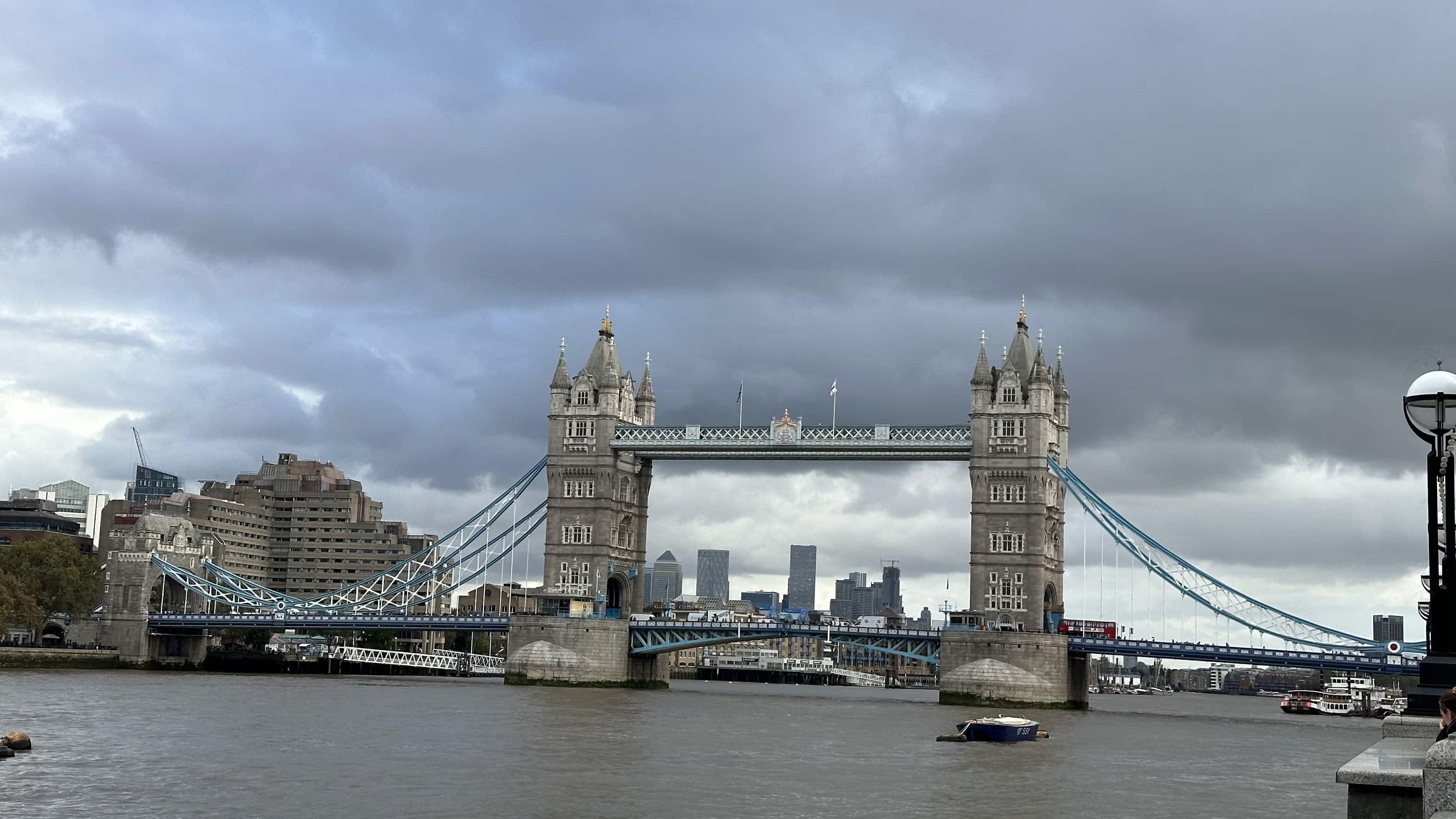
While the term originated in the concentrated distillery districts of London—such as Clerkenwell and Southwark—the name eventually became a victim of its own success. Because "London Dry" signified a superior method of production rather than a protected geographical indication (like Champagne or Cognac), distillers around the world began adopting the process.
The industry eventually reached a consensus: "London Dry" describes how the gin is made, while "London Gin" (without the dry qualifier) can sometimes refer to a broader category. Today, some of the world’s most famous "London Dry" gins are produced far from the River Thames.
For instance, Tanqueray, a brand synonymous with the London style since its founding in Bloomsbury in 1830, moved its primary production to Cameron Bridge, Scotland, in the late 20th century. Despite the change in geography, the product remains a London Dry Gin because it adheres to the traditional distillation methodology. Similarly, No. 3 Gin, though owned by the historic London merchant Berry Bros. & Rudd, is distilled in the Netherlands—the ancestral home of gin—yet proudly bears the London Dry label to signify its technical purity.

Global Market Impact and Contemporary Examples
The flexibility of the London Dry designation has allowed for a global "Gin Renaissance." Distillers from North America to Oceania utilize the London Dry process to create spirits that reflect local "terroir" while maintaining a classic structural integrity.
- Astraea Meadow Gin (United States): Produced in the Pacific Northwest, this gin utilizes the traditional London Dry method to highlight botanicals native to its region, proving that the technique can be adapted to non-European flavor palettes.
- Australian Distilling Co. Gin (Australia): This producer utilizes the strict London Dry process while incorporating Australian aromatics, demonstrating the category’s global reach.
- Belgravia Gin (South Africa): A major player in the African market, Belgravia adheres to the dry standard, competing with traditional British exports.
- Long Table Gin (Canada): Based in Vancouver, this distillery employs the London Dry process to create a spirit that meets international export standards for quality and clarity.
Analysis of Implications: Quality vs. Origin
The decision to keep "London Dry" as a process-based designation rather than a geographical one has had profound implications for the spirits industry. Critics of the current system argue that it dilutes the heritage of London’s remaining urban distillers. They point to "Plymouth Gin" as a counter-example; for decades, Plymouth Gin was a Protected Geographical Indication (PGI), meaning it could only be produced in Plymouth, England. However, even Plymouth Gin saw its PGI status lapse in 2014, signaling a broader industry shift toward brand-led and process-led marketing.
From a commercial perspective, the "London Dry" label serves as a shorthand for "no additives." In an era where consumers are increasingly concerned with ingredient transparency, the London Dry designation provides a guarantee that the flavors in the bottle are the result of distillation rather than post-process compounding or chemical flavoring.
Industry analysts suggest that the "London" in London Dry has evolved into a "hallmark of style." Much like a "Vienna Lager" or a "Pilsner" in the beer world, the name evokes a specific sensory experience—crisp, juniper-heavy, and clean—regardless of the brewery’s location. This has allowed the category to remain relevant in a crowded market where "Craft" and "Western Style" gins often prioritize heavy fruit or floral notes over the traditional juniper core.

Conclusion
The evolution of London Dry Gin from a localized urban product to an international technical standard reflects the broader professionalization of the spirits industry. By prioritizing the purity enabled by the Coffey still and codifying the rejection of post-distillation additives, the London Dry category established a benchmark for quality that has endured for nearly two centuries. While the "fiction" of its geography may persist in the minds of casual consumers, the reality of its process remains the gold standard for distillers worldwide. As the global gin market continues to expand, the London Dry designation stands as a testament to the 19th-century innovations that rescued gin from the depths of the "Gin Craze" and elevated it to its current status as a cornerstone of the modern cocktail culture.
