

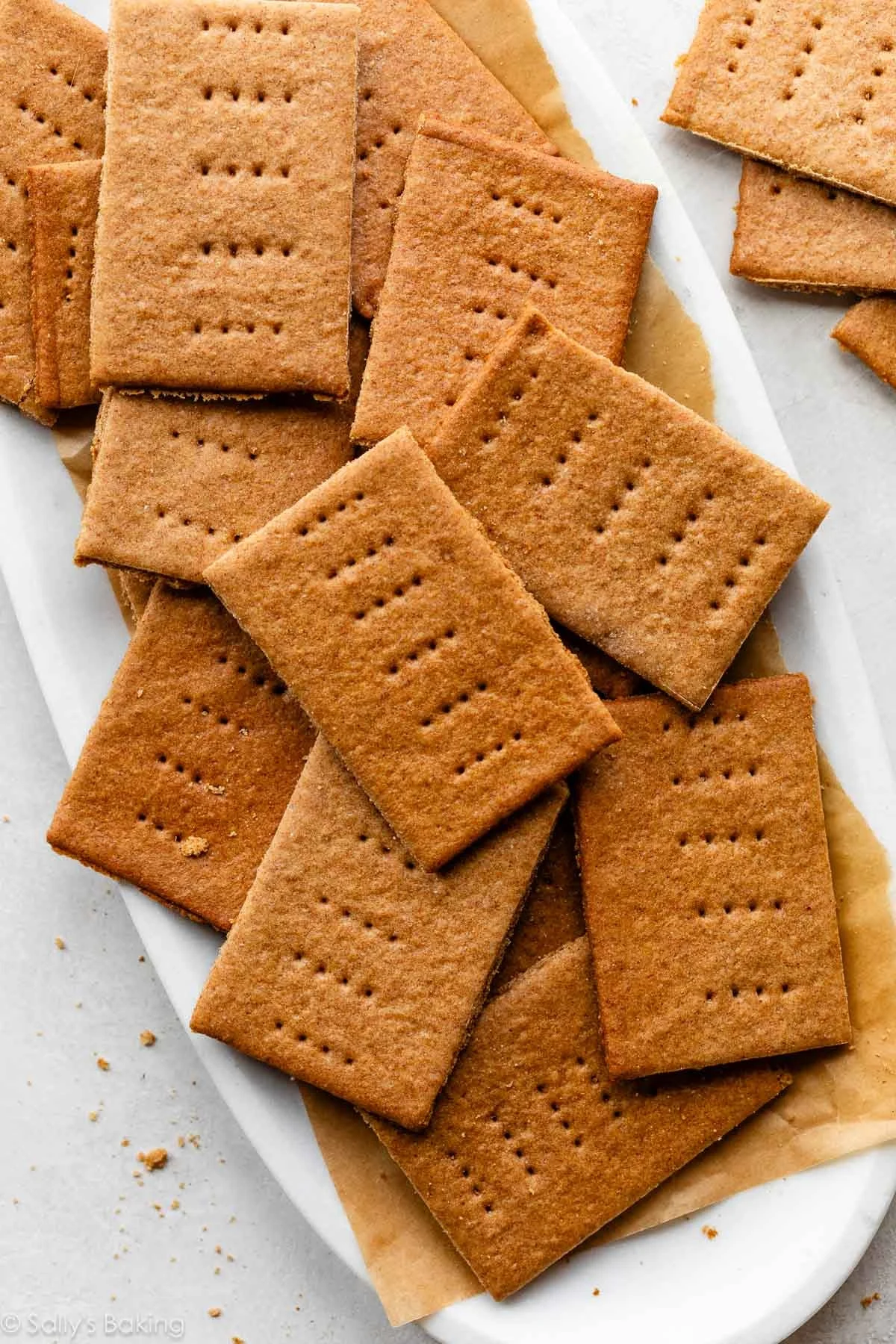
Homemade graham crackers, celebrated for their superior crispness, delicate sweetness, rich buttery notes, and comforting blend of honey and cinnamon, are experiencing a notable resurgence among home bakers and culinary enthusiasts. This handcrafted approach offers a profound departure from mass-produced varieties, delivering a depth of flavor, a more refined texture, and an undeniable freshness that commercial products often lack. These versatile crackers are not merely a standalone delight but serve as foundational components for beloved desserts such as s’mores, icebox cakes, and various pie and cheesecake crusts, underscoring their integral role in both simple pleasures and complex culinary creations.
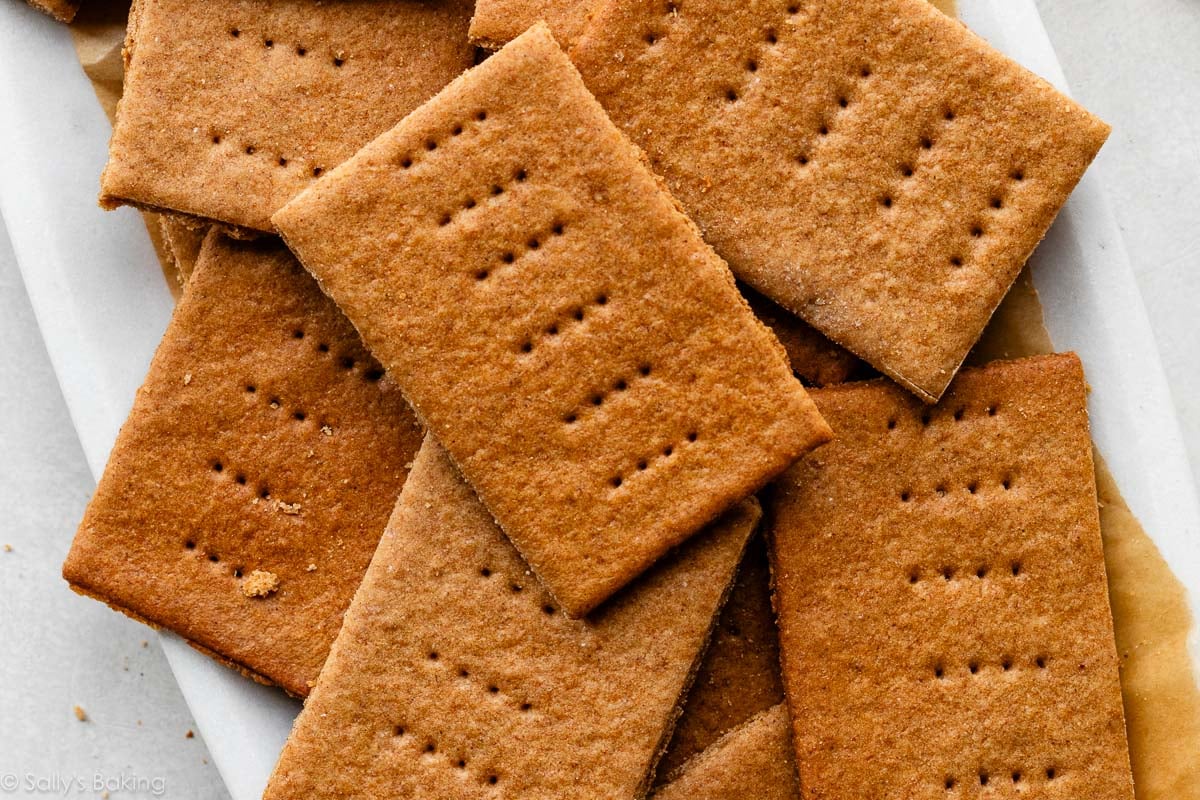
The journey of the graham cracker from a health-food staple to a ubiquitous sweet biscuit is a fascinating one, rooted in 19th-century American dietary reform. Its genesis can be traced back to Sylvester Graham (1794–1851), a Presbyterian minister and dietary reformer who advocated for a vegetarian, whole-grain diet as a path to physical and moral purity. Graham championed the use of coarsely ground, unsifted whole wheat flour – which became known as "graham flour" – believing it retained the vital nutrients lost in the highly refined white flours prevalent at the time. His original graham bread and crackers were intentionally bland, reflecting his austere dietary philosophy which eschewed sugar, spices, and processed foods. The intent was to promote digestive health and temper carnal desires, a stark contrast to the sweet, spiced crackers enjoyed today.
Over time, Graham’s strict dietary principles faded, but his namesake flour and the concept of a whole-grain cracker endured. Industrialization and changing consumer tastes transformed the graham cracker. By the early 20th century, manufacturers began sweetening and flavoring the crackers with honey and cinnamon, making them palatable to a broader audience. The texture also evolved, moving away from the dense, chewy original to the crisp, delicate crackers we recognize. This adaptation allowed the graham cracker to become a beloved snack and a key ingredient in American culinary culture, particularly with the popularization of s’mores in the early to mid-20th century.
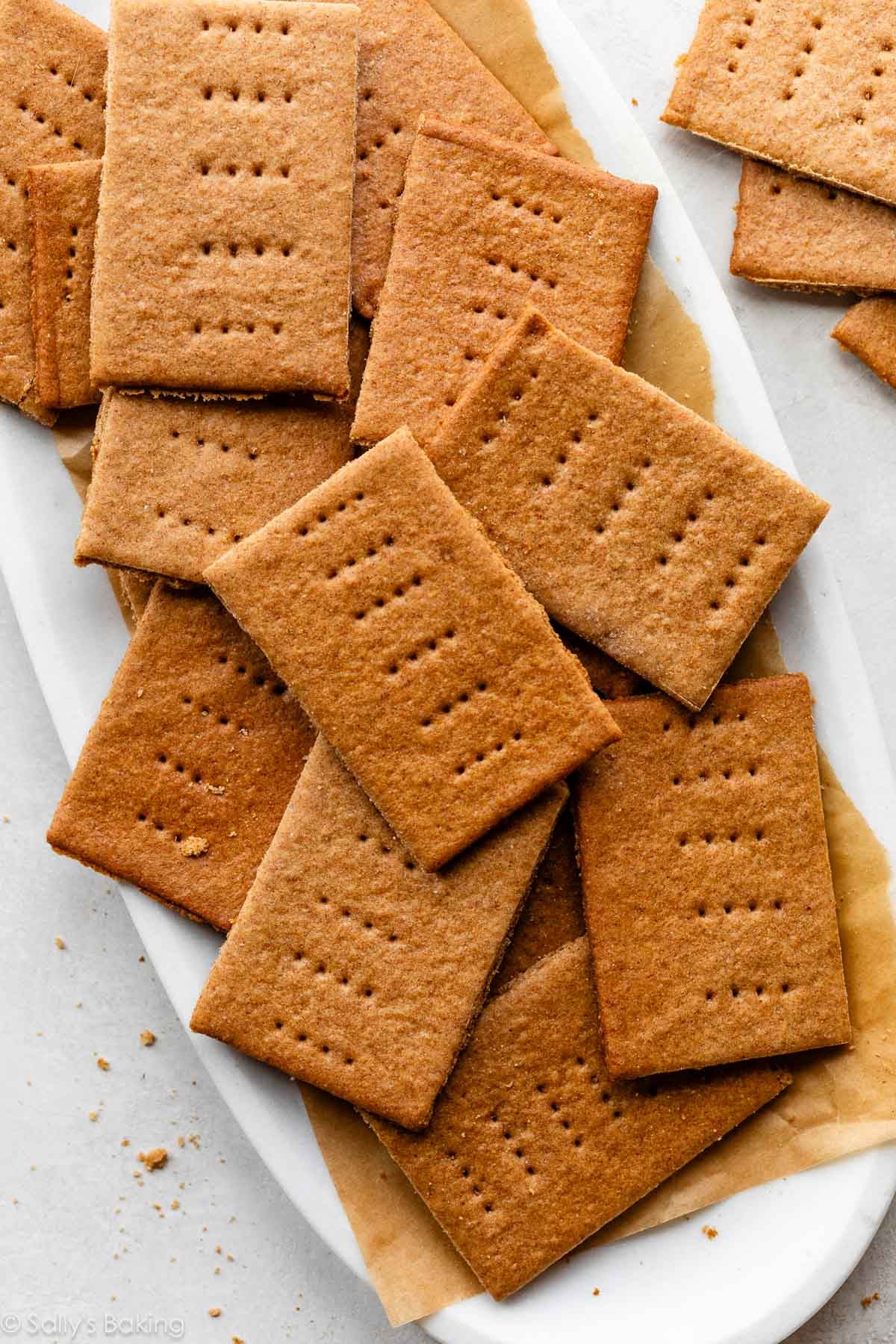
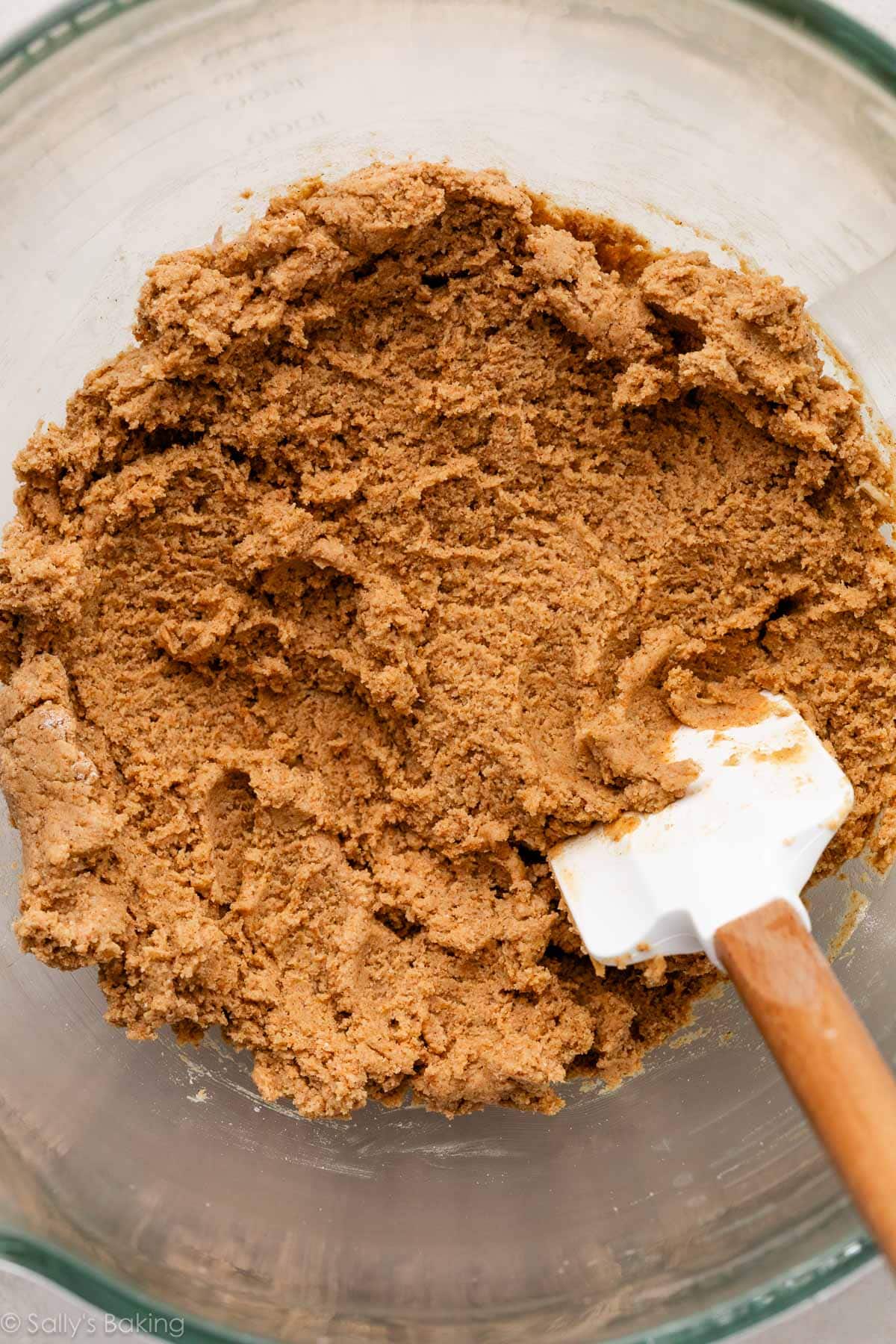
For contemporary bakers, the decision to make graham crackers from scratch is driven by a desire for authenticity, control over ingredients, and an elevated sensory experience. The process, surprisingly straightforward, utilizes common pantry staples, making it accessible to most home kitchens. The dough itself converges quickly, mirroring the ease of preparing cut-out sugar cookies, requiring basic steps of whisking dry ingredients, creaming butter and sugar, and then combining wet and dry components to form a thick, pliable dough.
The critical distinction in crafting superior homemade graham crackers lies in the careful selection and combination of flours. Traditional graham flour, a coarsely ground whole wheat flour, remains the historical benchmark. However, modern commercial graham crackers often blend whole wheat flour with refined all-purpose flour to achieve a lighter, crisper texture while retaining the characteristic nutty flavor of whole wheat. This recipe judiciously adopts this contemporary approach, combining whole wheat flour for its deep, authentic graham flavor with all-purpose flour to ensure a delicate, crisp final product. This intelligent blend eliminates the need for specialized graham flour, making the recipe more practical for the average home baker while perfectly balancing nostalgic taste with optimal texture.
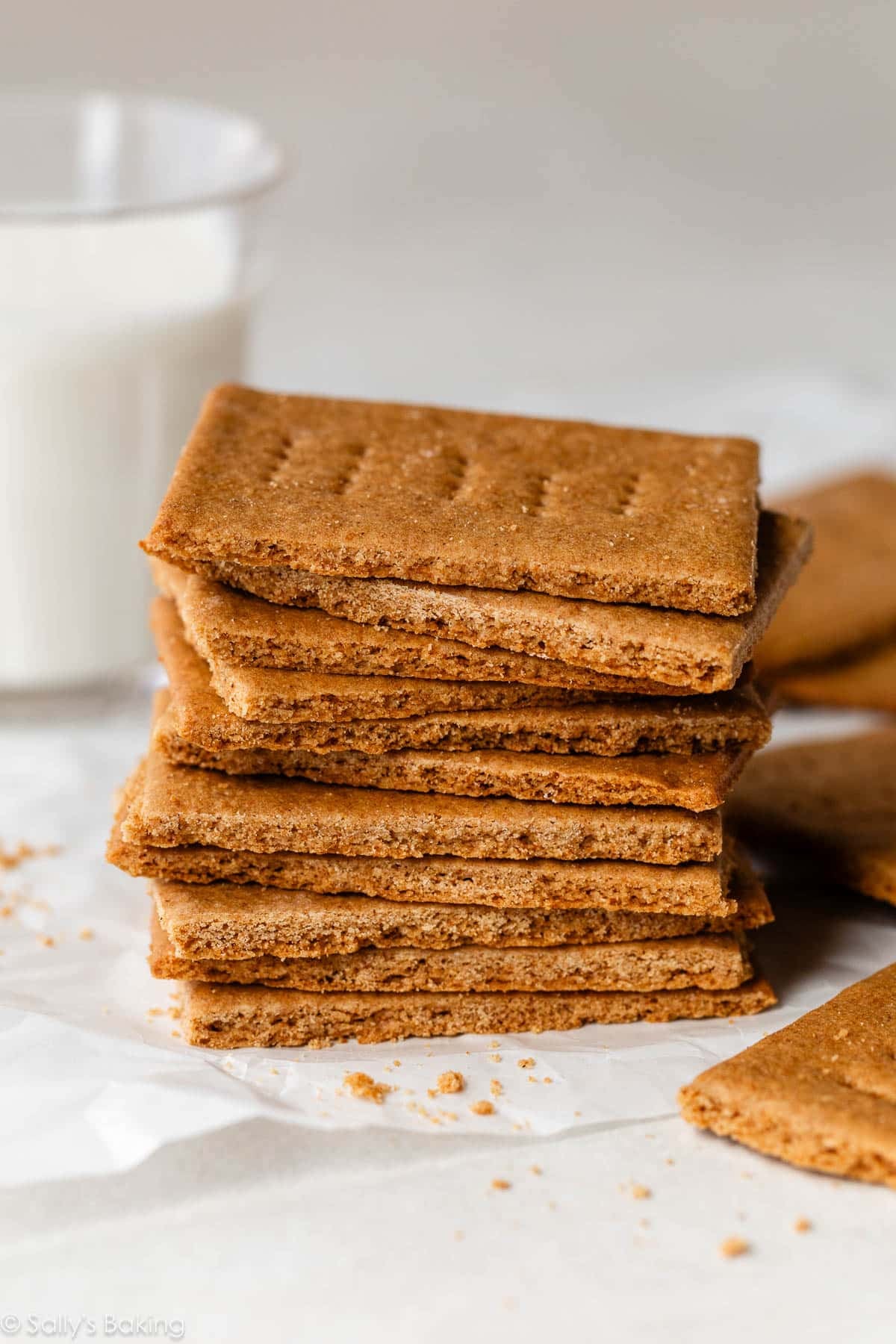
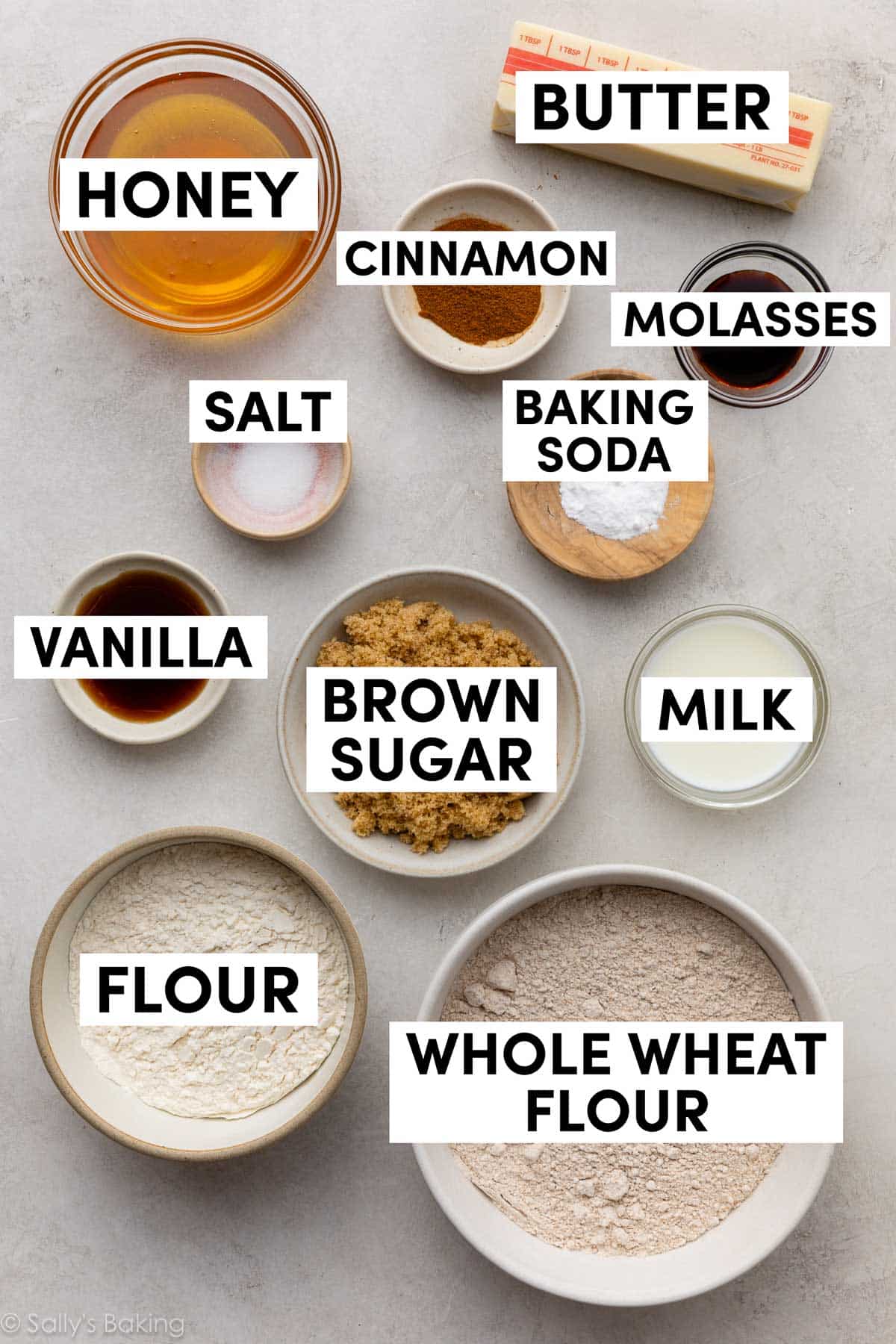
The key ingredients each play a vital role in the cracker’s profile. Whole wheat flour provides the signature earthy, nutty flavor and a portion of the structure. All-purpose flour contributes to the desired crispness and prevents the crackers from becoming overly dense. Dark brown sugar not only adds sweetness but also a subtle molasses note, enriching the flavor complexity and contributing to a tender crumb. Honey, a quintessential ingredient, imparts a distinctive warm sweetness and a delicate aroma that is synonymous with classic graham crackers. Unsalted butter provides richness, tenderness, and a delightful melt-in-your-mouth quality, while also aiding in the crisp texture. Baking soda acts as a leavening agent, contributing to a lighter bite. Fine sea salt balances the sweetness and enhances all other flavors, preventing the crackers from tasting flat. Milk, typically whole milk, provides necessary moisture to bring the dough together, ensuring it is pliable and easy to work with. Ground cinnamon is the aromatic backbone, infusing the crackers with a warm, inviting spice that complements the honey beautifully.
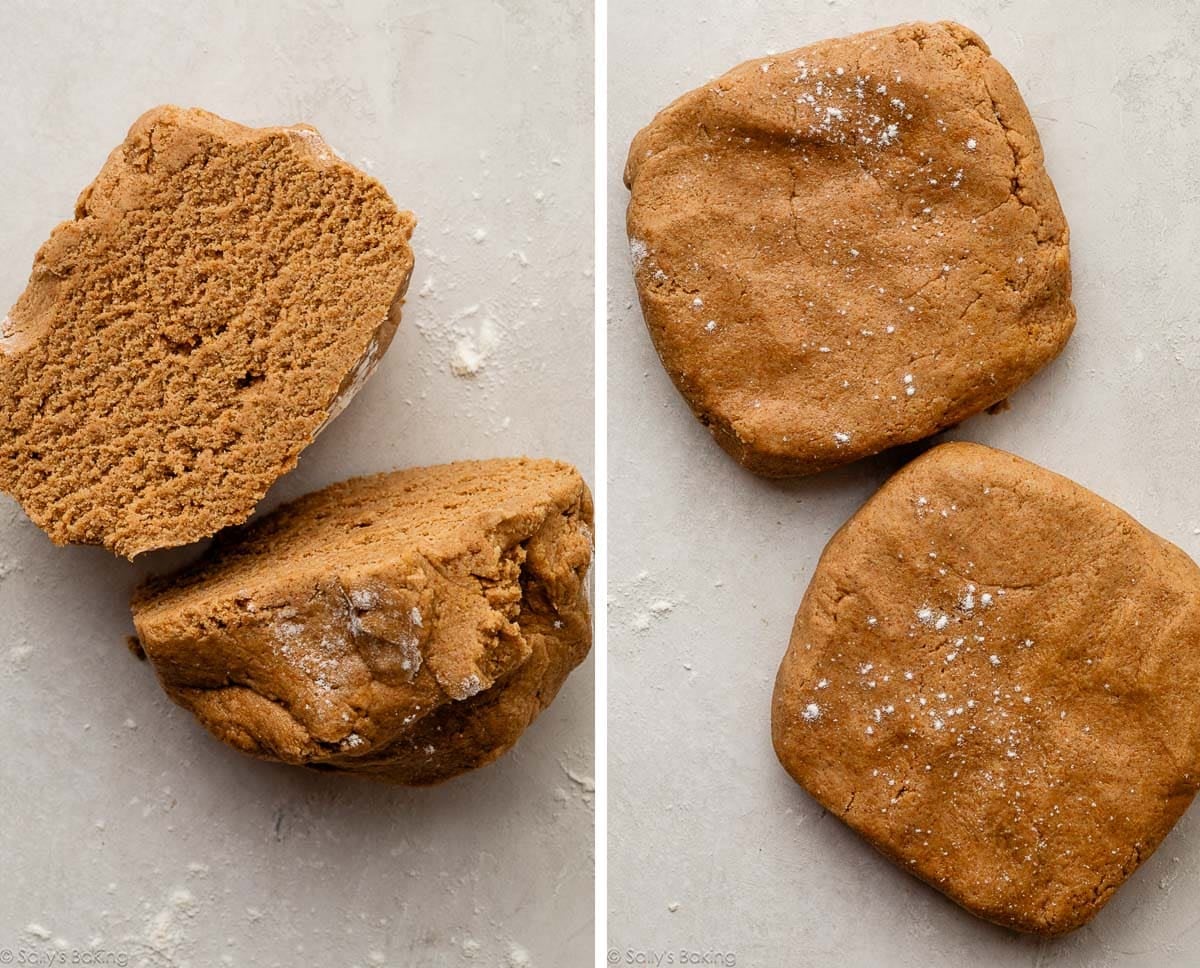
The meticulous process of dough preparation and shaping is paramount to achieving the ideal homemade graham cracker. After the dough is formed, it is divided and shaped into flattened squares, a technique borrowed from pie crust preparation but optimized for rectangular rolling. This initial square shape streamlines the subsequent rolling process, making it easier to achieve a uniform rectangular sheet of dough without excessive re-rolling, which can toughen the crackers. Each square of dough is then tightly wrapped and refrigerated for approximately one hour. This chilling period is crucial; it allows the gluten to relax, making the dough easier to roll thinly without snapping back, and solidifies the butter, which is essential for maintaining crispness and preventing excessive spread during baking.
Success in shaping these crackers hinges on precision and technique. Once chilled, the dough is rolled between two sheets of parchment paper, preferably atop a silicone baking mat to prevent slippage. Light flouring of the parchment and the dough itself ensures smooth rolling without sticking. The goal is an evenly rolled rectangle, precisely 1/8 inch (just over 3mm) thick. This uniform thickness is non-negotiable for consistent crispness. Thinner dough yields crisper crackers, while slightly thicker dough results in a softer bite. Bakers are advised to work slowly and patiently, occasionally peeling back the parchment and re-flouring as needed to prevent sticking. A sturdy ruler can be an invaluable tool for achieving straight edges and consistent dimensions, even serving to score the dough before cutting.
After rolling and trimming the edges, the dough is cut into desired rectangles or squares using a pizza cutter or sharp knife. A crucial step, known as "docking," involves pricking each cracker several times with a fork. This prevents the crackers from puffing up excessively in the oven, ensuring they bake flat and uniformly crisp. The cut, docked dough, still on its parchment paper, is then transferred to a baking sheet and returned to the refrigerator for about 20 minutes. This final chill before baking is critical for preventing the crackers from spreading, preserving their defined shapes, and contributing to their crisp texture. Once chilled and the oven preheated, the crackers are baked until golden. Upon cooling, a sharp knife is used to separate the crackers along their pre-cut seams.
The adaptability of homemade graham crackers extends beyond their classic form. For those desiring crisper crackers, rolling the dough slightly thinner and extending baking time by a minute or two will achieve the desired effect. Conversely, a slightly thicker roll and a reduced baking time will yield a softer cracker. Allowing crackers to cool completely on the baking sheet instead of a wire rack can also contribute to a softer texture. Flavor variations offer an exciting avenue for customization. A touch of cocoa powder can transform them into chocolate graham crackers, ideal for chocolate-centric desserts. Incorporating different spices like nutmeg, cardamom, or ginger, or even a hint of citrus zest from orange or lemon, can introduce novel aromatic dimensions. A sprinkle of flaky sea salt before baking can enhance the overall flavor profile by providing a pleasant counterpoint to the sweetness.
Beyond direct consumption, these homemade crackers elevate numerous culinary applications. They are, of course, indispensable for traditional s’mores, where their robust flavor and sturdy structure perfectly cradle melted chocolate and toasted marshmallows. They form the quintessential base for graham cracker crumb crusts in cheesecakes and pies, offering a superior flavor profile to their store-bought counterparts. However, when using homemade graham crackers for a crumb crust, a minor but important adjustment is necessary: reduce the melted butter in the crust recipe from the standard 6 tablespoons (85g) to 4 tablespoons (56g). This modification accounts for the inherent butter content in homemade crackers, preventing an overly greasy crust that struggles to hold its shape. They can also be crushed for toppings on yogurt, ice cream, or fruit salads, or used as a component in icebox cakes.
Storing homemade graham crackers correctly is key to maintaining their quality. Once completely cooled, they should be stored in an airtight container at room temperature for up to one week. Should they lose some crispness over time or after being frozen and thawed, they can be easily refreshed by baking them in a 300°F (150°C) oven for approximately 5 minutes, followed by complete cooling. Freezing is also an option for longer preservation; the dough can be frozen for up to three months after being shaped into squares and wrapped, requiring an overnight thaw in the refrigerator before rolling. Baked crackers can also be frozen, with a re-crisping step needed post-thawing. A single batch of this recipe typically yields between 24 and 32 graham crackers, depending on the cutting size, with the total dough weighing around 600g.
The growing interest in making classic items like graham crackers from scratch reflects a broader culinary trend towards artisanal quality, natural ingredients, and a return to fundamental baking skills. As noted by leading culinary publications and baking resources like King Arthur Baking and The Kitchn, which often feature similar from-scratch recipes, there is a clear consumer demand for products free from artificial additives and preservatives, offering a richer, more authentic taste experience. This recipe for homemade graham crackers exemplifies this movement, providing a deeply satisfying baking project that culminates in a product far superior to its commercial equivalent. Whether destined for a campfire s’more or a quiet afternoon snack, these honey-sweet, crisp crackers stand as a testament to the enduring appeal and distinct advantages of homemade goodness.
