

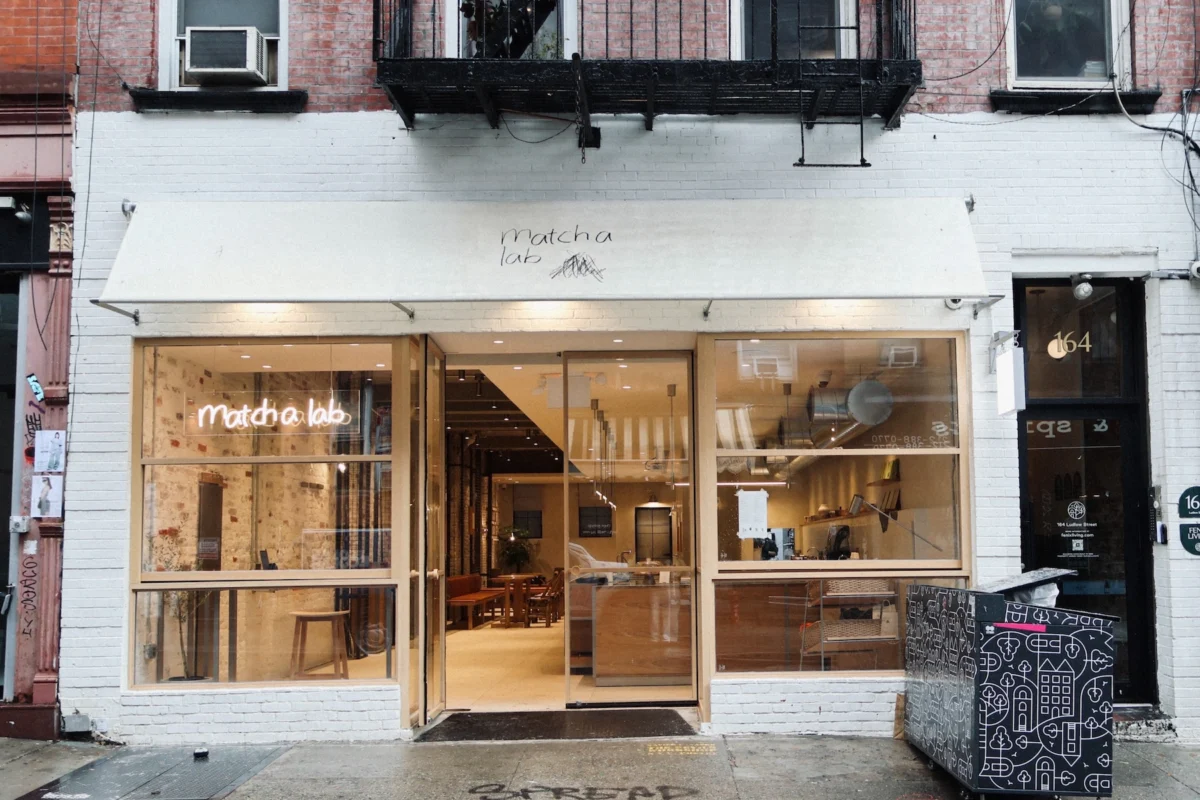
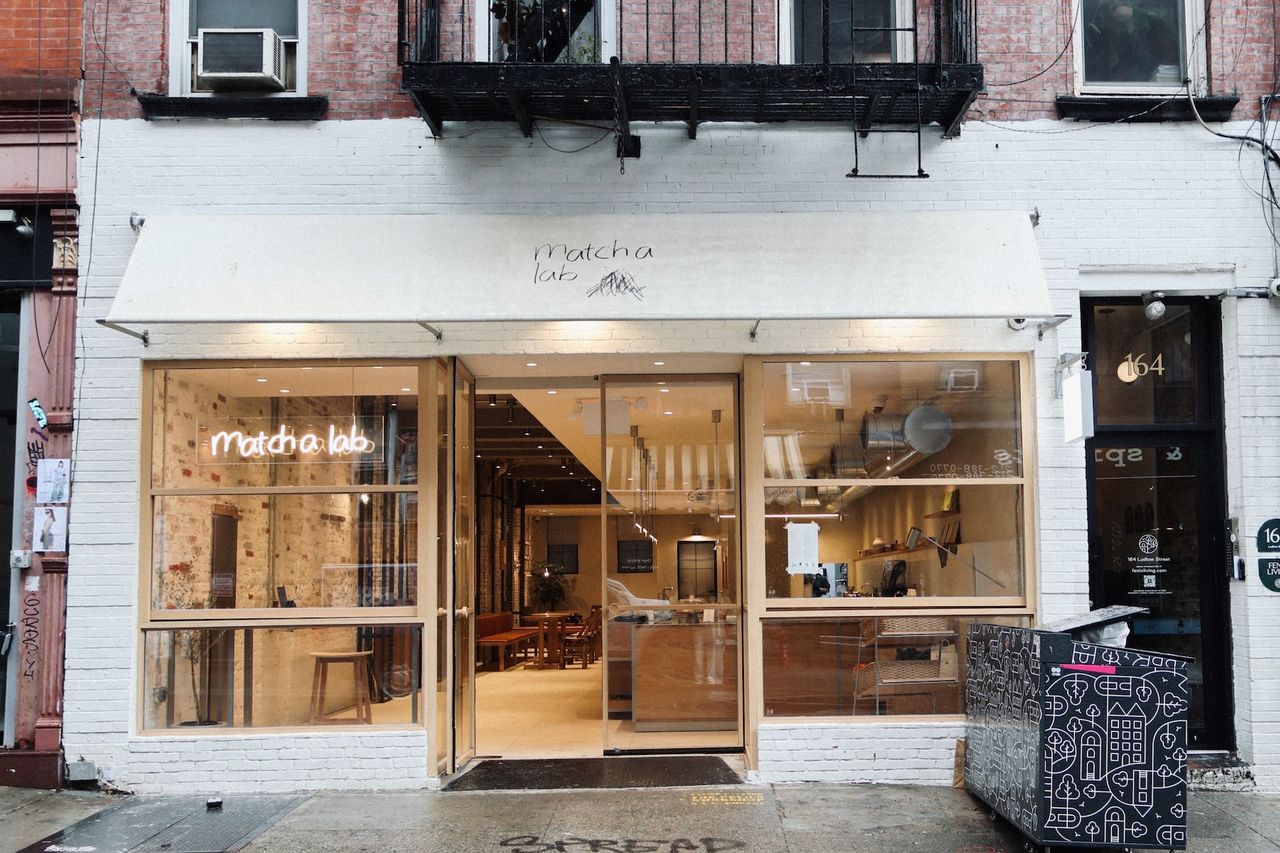
The highly anticipated opening of Heytea’s Matcha Lab in New York City last week marks a significant moment for the China-based beverage chain, signaling a deep commitment to innovation and a desire to explore the multifaceted potential of matcha. This dedicated space is not merely another retail outlet but a hub for experimentation, designed to push the boundaries of how matcha is perceived, prepared, and enjoyed. The initiative underscores matcha’s meteoric rise from a niche traditional beverage to a global phenomenon, influencing not only culinary trends but also consumer perceptions of wellness. Heytea aims to leverage this momentum by offering a unique platform for appreciating matcha in its purest form while simultaneously reimagining its role as a versatile ingredient.
A Strategic Move in a Thriving Market
The launch of the Matcha Lab in the bustling metropolis of New York City is a strategic maneuver by Heytea, tapping into a market known for its discerning palates and receptiveness to novel food and beverage concepts. This expansion into a high-profile international market underscores Heytea’s global ambitions and its confidence in its brand’s ability to resonate with diverse consumer bases. The decision to focus on matcha, a beverage that has seen a substantial surge in popularity, reflects a keen understanding of current market dynamics and consumer preferences.
According to industry analysis firm Technomic, mentions of matcha on restaurant menus have increased by nearly 25% over the past year, highlighting its growing ubiquity and appeal. This trend is not confined to specialty tea shops; matcha is increasingly appearing in everything from lattes and desserts to savory dishes. Heytea’s Matcha Lab is poised to capitalize on this trend, offering a sophisticated and experimental approach that aims to differentiate it from competitors.
The Genesis of Matcha Lab: A Quest for Culinary Edge
Sisi Zhang, Heytea’s senior brand director, articulated the philosophy behind the Matcha Lab, stating, "When something becomes so mainstream, we dare to ask whether it can still have an edge, culinarily or culturally? Matcha Lab takes Heytea’s curiosity and audacity to another level, with a space devoted to playing with matcha and making it unmistakably Heytea." This statement reveals a core tenet of the brand: a willingness to challenge conventional wisdom and to continuously innovate, even within established and popular product categories.
The "mainstream" status of matcha, while indicative of its widespread adoption, also presents a challenge. Heytea’s approach acknowledges this, seeking to retain matcha’s inherent allure while infusing it with the brand’s distinctive creative flair. The "audacity" mentioned by Zhang suggests a bold vision, one that embraces risk-taking and aims to forge new pathways for matcha consumption. This experimental ethos is central to the identity of the Matcha Lab, positioning it as a laboratory of flavor and an incubator of new ideas.
A Journey Through Matcha’s Origins and Intensities
At the heart of the Matcha Lab experience is the meticulous sourcing and presentation of matcha. The establishment offers ceremonial-grade matcha, carefully whisked by hand, sourced from two distinct regions renowned for their tea cultivation: Jingshan, China, and Shizuoka, Japan. This dual sourcing acknowledges the historical and cultural significance of matcha in both countries.
The company highlights the historical roots of powdered matcha tea in China’s Song Dynasty, a period that saw the refinement of tea preparation techniques. Subsequently, the practice journeyed to Japan, where it was further developed into intricate ceremonial rituals. By offering matcha from both Jingshan and Shizuoka, Heytea invites patrons to explore these historical connections and appreciate the nuanced differences in flavor profiles.
The Jingshan matcha is described as possessing an "umami upfront, subtle toasted notes and a mellow finish." This profile suggests a complex flavor that is both savory and comforting, with a delicate sweetness that lingers. In contrast, the Shizuoka matcha is characterized by its "fresh green aroma followed by a creamy texture and lingering sweetness." This description evokes a sense of vibrant freshness, a smooth mouthfeel, and a pleasant, enduring sweetness.
To further personalize the experience, Heytea has introduced a tiered intensity system for its matcha offerings, denoted as M60, M100, and M150. The higher the numerical designation, the richer and more robust the matcha flavor. This allows consumers to select a matcha that aligns with their personal preference, whether they seek a subtle hint of green tea or a more intense, full-bodied experience. This granular approach to flavor customization is a hallmark of Heytea’s customer-centric approach to product development.
Interactive Engagement: The Stone Mill Experience
Adding an interactive and educational dimension to the Matcha Lab, guests are invited to grind tencha—the unprocessed leaf material used to create matcha—by hand. This is accomplished using an antique stone mill, a relic from Japan’s shogun era. This hands-on activity offers a tangible connection to the traditional methods of matcha production.
The act of grinding tencha by hand is a slow and deliberate process, demanding patience and precision. It provides patrons with a deeper understanding of the effort and artistry involved in transforming tea leaves into the fine powder that defines matcha. By engaging with this ancient technique, Heytea aims to foster a greater appreciation for the craftsmanship inherent in high-quality matcha and to highlight the journey from leaf to cup. This immersive experience moves beyond passive consumption, encouraging active participation and a more profound connection with the product.
Innovative Drink Creations: Redefining Matcha’s Role
The Matcha Lab’s menu showcases Heytea’s commitment to creative experimentation, offering a range of innovative beverages that reimagine matcha’s role in contemporary drinks. A key feature is the use of matcha ice cubes for iced beverages. This ensures that as the drink melts, the matcha flavor intensifies rather than dilutes, maintaining the integrity of the beverage’s taste profile.
The menu also introduces "Matcha Dirty" drinks, a playful twist on the classic "dirty chai" or "dirty matcha" concept, which typically involves adding espresso to a matcha base. Heytea elevates this by incorporating unique flavor pairings. For instance, the Pistachio Matcha Dirty combines the earthy notes of matcha with the rich, nutty flavor of pistachio, further enhanced by a topping of crisp Pistachio Kataifi, adding a delightful textural contrast.
Other signature creations include Matcha Latte Floats, featuring a scoop of creamy matcha gelato atop a latte, and a Frozen Yuzu Matcha, which artfully blends the vibrant matcha with the bright, citrusy notes of yuzu-and-apple sorbet. The Matcha Gelato itself is available at varying intensity levels, mirroring the drink menu and allowing for a full spectrum of matcha exploration. The inclusion of baked goods further expands the matcha-infused offerings, providing a comprehensive culinary experience centered around the celebrated green tea.
A Broader Trend: Matcha’s Ascendancy in the Beverage Industry
The emergence of Heytea’s Matcha Lab is symptomatic of a larger trend within the global beverage industry. Matcha’s appeal extends beyond its unique flavor profile; it is increasingly associated with health and wellness. Its high antioxidant content, coupled with its purported benefits for focus and calm, has positioned it as a desirable alternative to other caffeinated beverages.
This growing consumer interest has spurred innovation across the industry. For example, the Kyuramen chain is also expanding its presence with a new matcha concept called Aoko Matcha, which similarly emphasizes matcha intensity and features matcha gelato. This parallel development suggests a shared recognition within the industry of matcha’s untapped potential and its capacity to drive consumer engagement and market growth. Heytea’s proactive approach with the Matcha Lab, however, appears to prioritize a deeper, more experimental engagement with the ingredient, aiming to cultivate a nuanced understanding and appreciation among its patrons.
Heytea’s Global Footprint and Future Outlook
Founded in 2012 in Jiangmen, Guangdong, China, Heytea has experienced remarkable growth, establishing over 3,500 stores worldwide. Its presence in the U.S. has steadily expanded, with approximately 45 locations currently operating. The opening of the Matcha Lab in New York City represents a significant investment in its U.S. market strategy, signaling a commitment to bringing its innovative beverage concepts to a broader international audience.
The success of the Matcha Lab could pave the way for similar experimental concepts in other key markets, further solidifying Heytea’s position as a leader in the global beverage industry. The focus on a single, yet highly versatile, ingredient like matcha allows for a deep dive into its culinary possibilities, a strategy that could inspire future brand initiatives centered on other trending ingredients. Heytea’s venture into matcha experimentation is not just about selling drinks; it’s about fostering a deeper connection between consumers and the ingredients they enjoy, and in doing so, shaping the future of beverage consumption. The Matcha Lab stands as a testament to Heytea’s forward-thinking vision and its dedication to pushing the envelope in the ever-evolving world of culinary arts and beverage innovation.
