

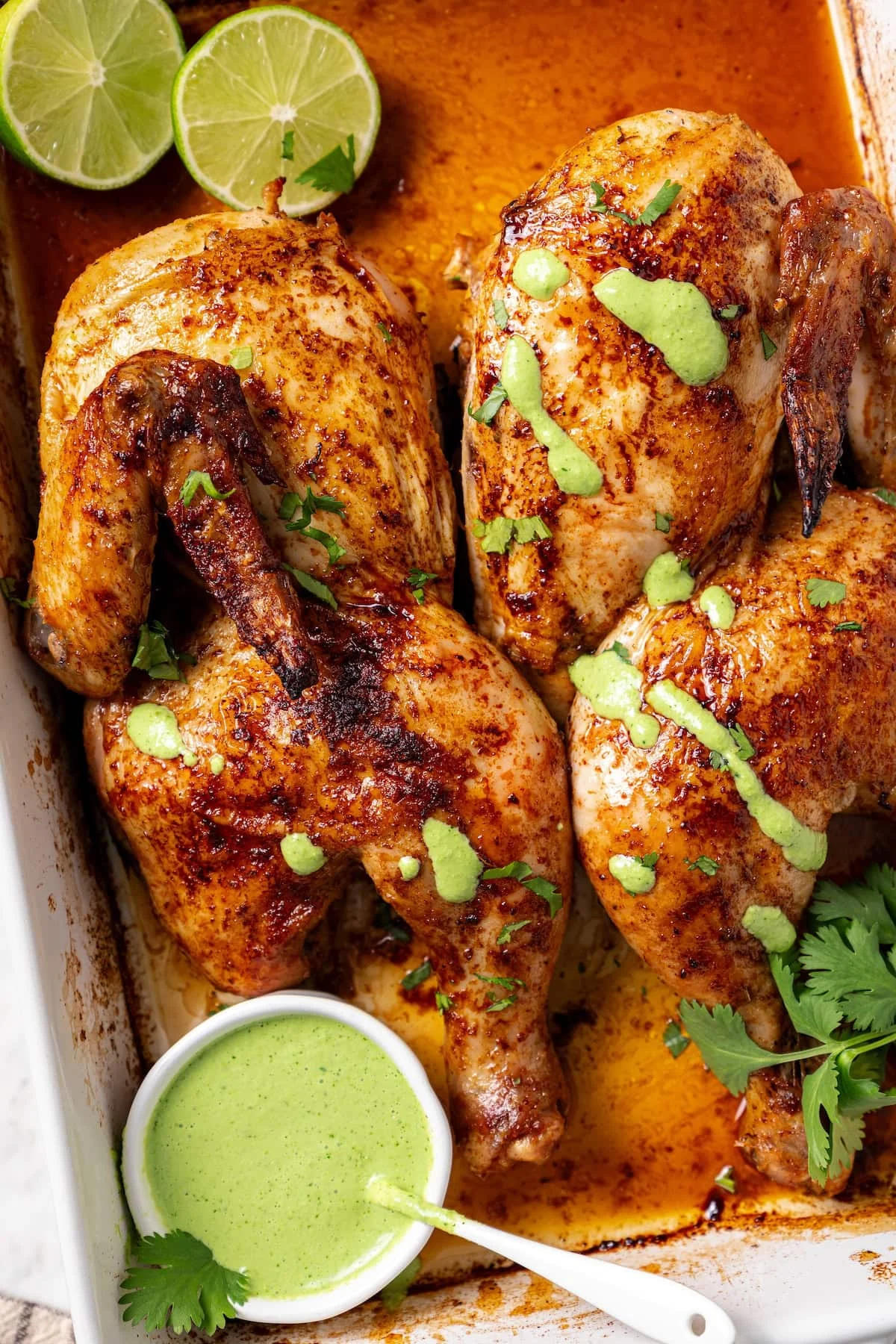
Peruvian Roasted Chicken, known globally as Pollo a la Brasa, stands as a culinary cornerstone of Peru, a dish whose succulent flavors and aromatic spices have captivated palates far beyond its Andean origins. Paired with the vibrant, creamy, and spicy Aji Verde sauce, this dish represents a profound expression of Peruvian gastronomy. Its widespread appeal is evident in bustling urban centers worldwide, where establishments like Pio Pio in New York City have become celebrated destinations for authentic Pollo a la Brasa, inspiring home cooks to replicate its unique taste. This article delves into the cultural significance, culinary techniques, and the global journey of this iconic dish, exploring a home-kitchen adaptation that faithfully captures its essence.
The Enduring Legacy of Pollo a la Brasa: A Peruvian Icon
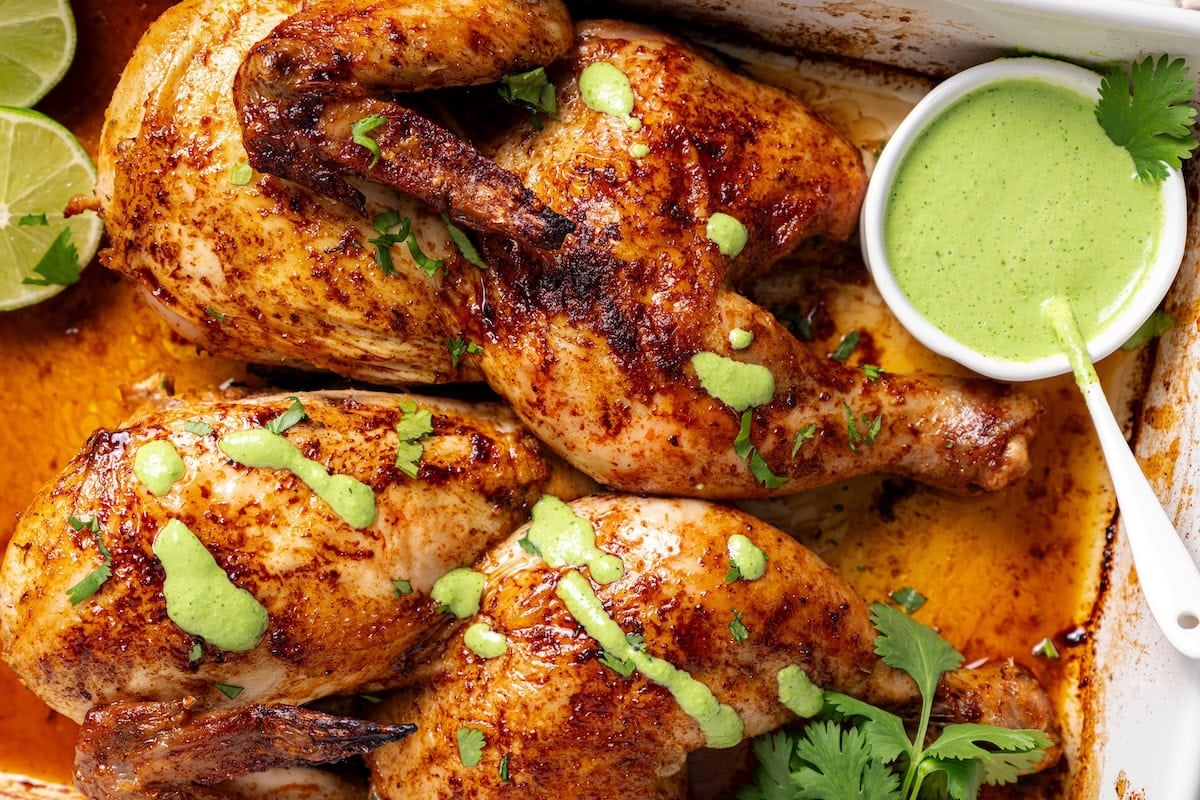
The story of Pollo a la Brasa is one of innovation and cultural integration, firmly embedding itself into the fabric of Peruvian identity. Its origins trace back to the mid-20th century, specifically to the 1950s, when Roger Schuler, a Swiss immigrant residing in Chaclacayo, a district east of Lima, sought a method to roast chickens efficiently for his restaurant. Collaborating with Franz Ulrich, an engineer, they devised a unique rotisserie oven that utilized charcoal, giving birth to the distinctive smoky flavor profile that would become the hallmark of Pollo a la Brasa. This revolutionary cooking method, combined with a meticulously developed marinade, quickly propelled the dish from a local specialty to a national sensation.
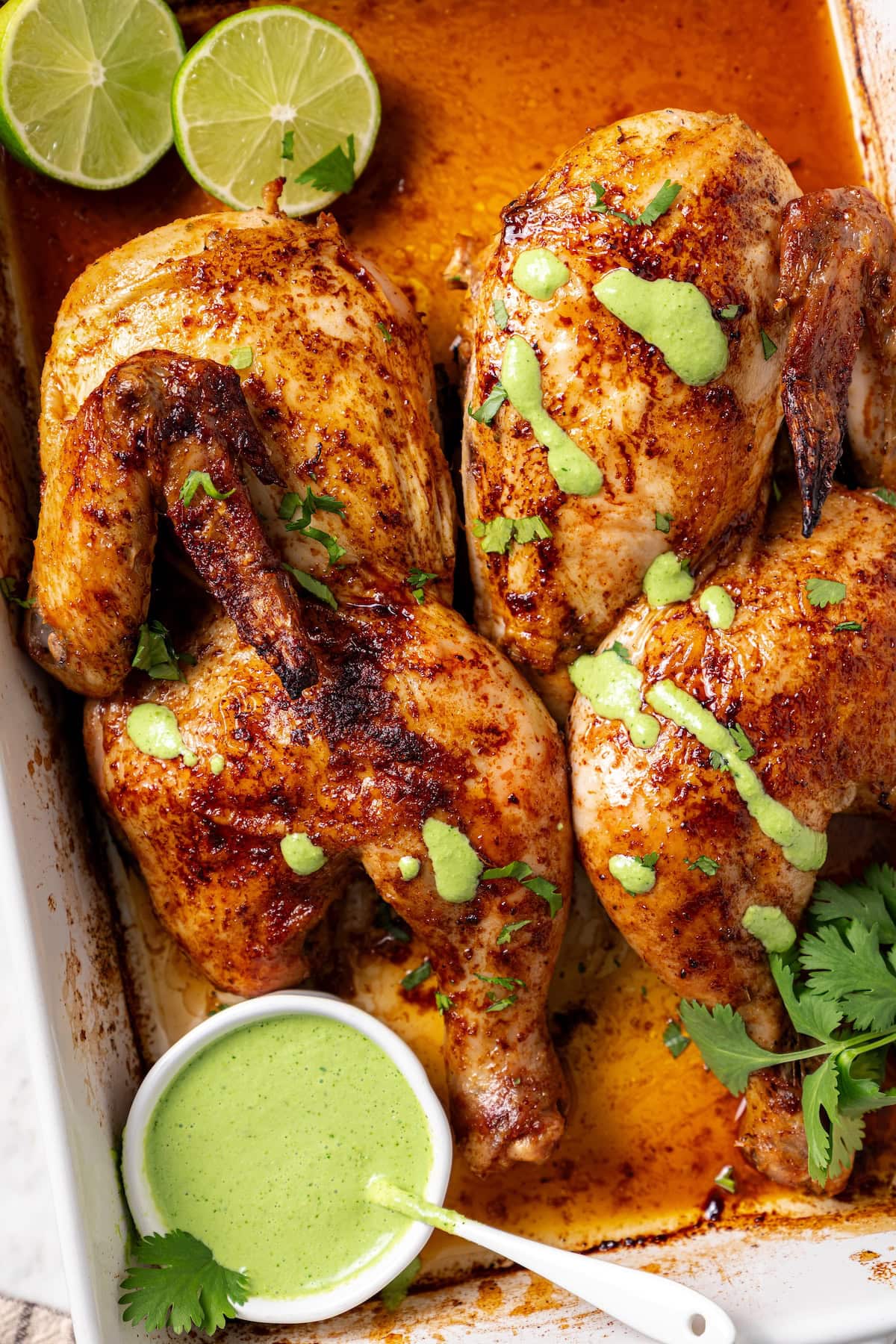
Over the decades, Pollo a la Brasa transcended its restaurant origins to become a staple in Peruvian households and a symbol of national pride. Its popularity is so profound that Peru dedicates a national holiday, "Día del Pollo a la Brasa" (National Pollo a la Brasa Day), celebrated annually on the third Sunday of July. This designation underscores the dish’s integral role in Peruvian family gatherings, celebrations, and everyday dining. Culinary historians suggest that the dish’s accessibility and its ability to feed large families economically contributed significantly to its rapid acceptance and enduring status. The typical preparation involves a whole chicken, marinated for an extended period, then slowly roasted on a rotisserie, resulting in meat that is incredibly tender and juicy beneath a famously crispy, golden-brown skin.
The Art of the Marinade: Infusing Deep Flavor
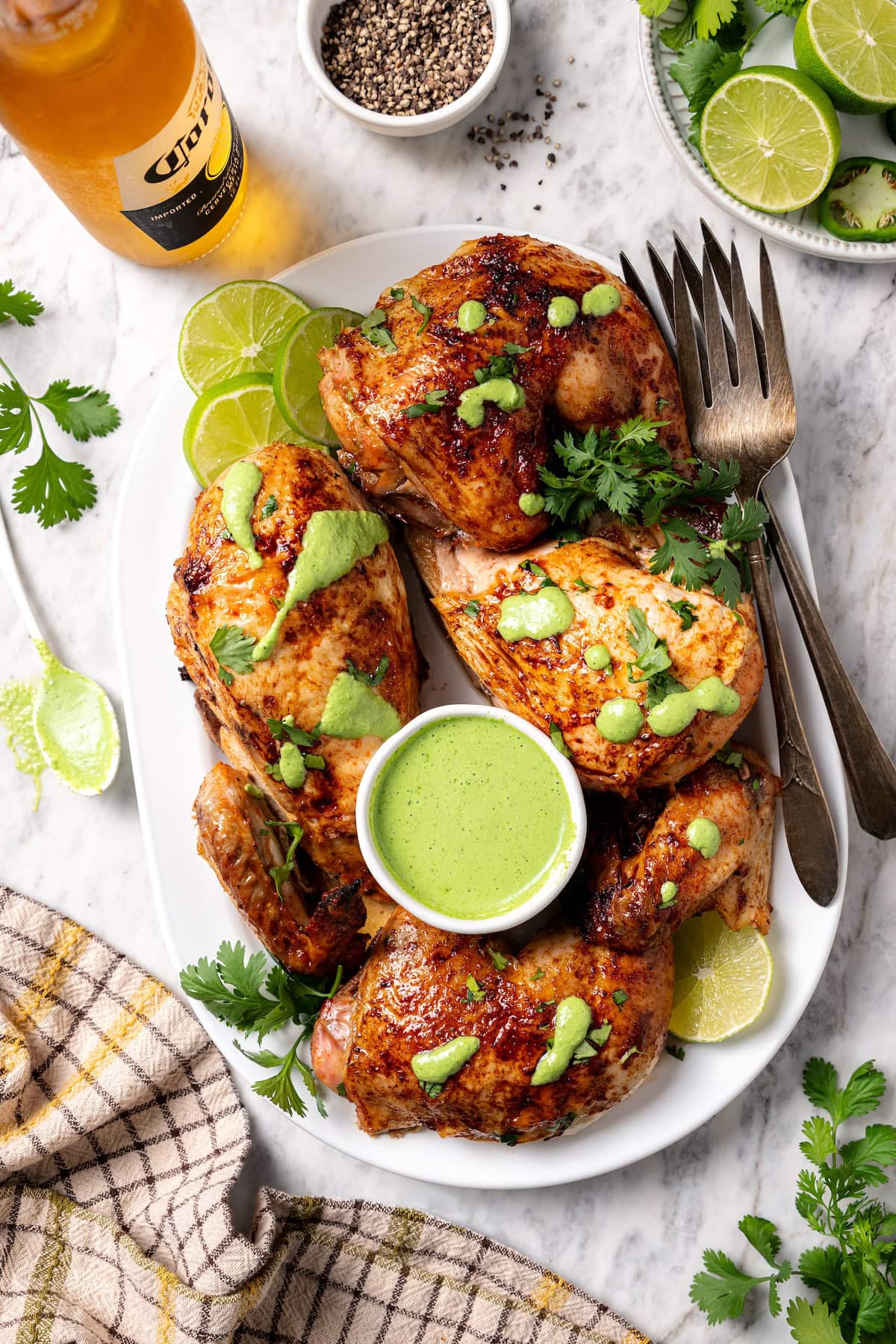
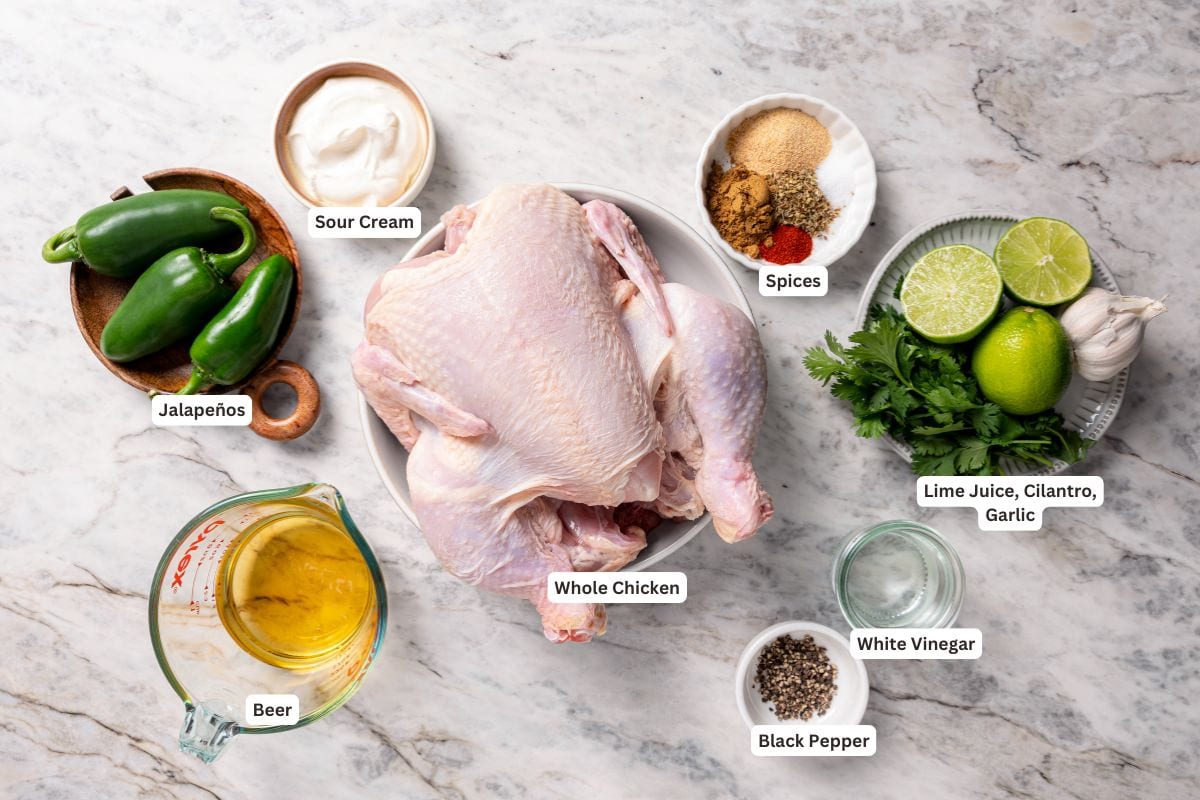
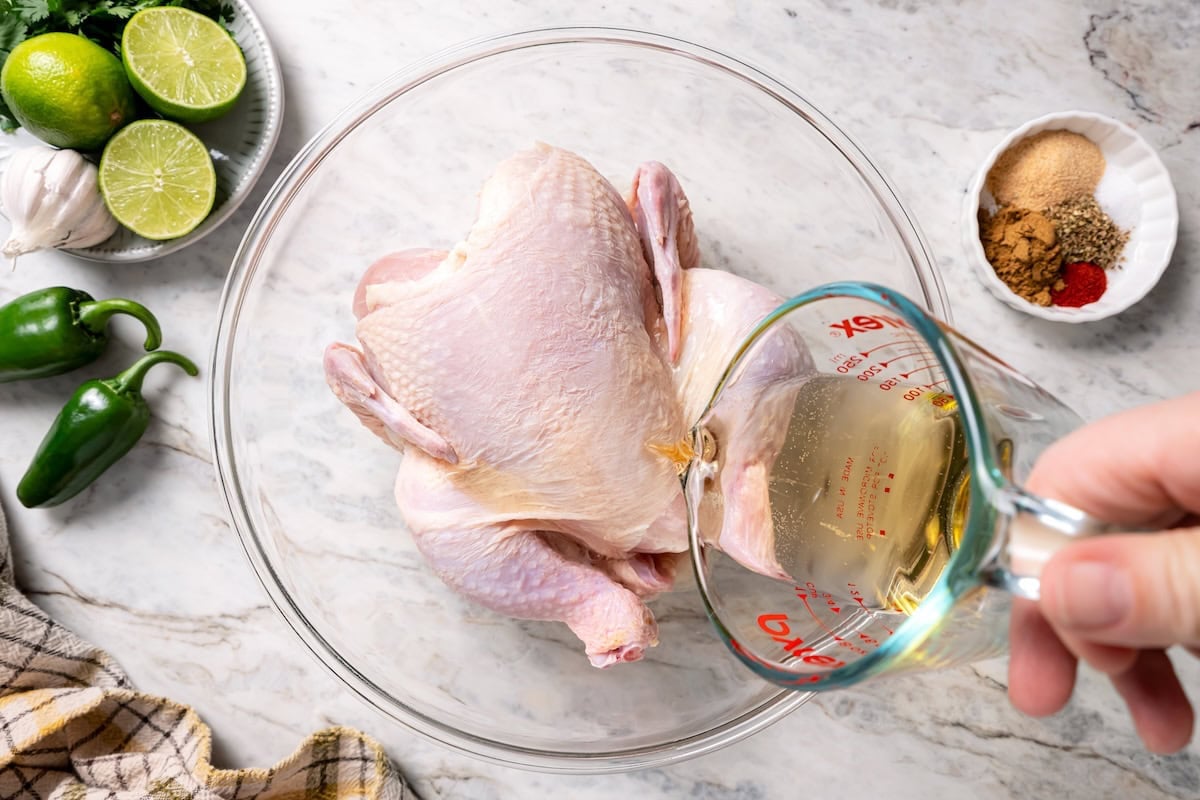
The distinctive flavor profile of Pollo a la Brasa is primarily attributed to its complex marinade, a blend of spices and aromatics designed to penetrate the chicken’s meat, tenderizing it while imparting a rich, savory, and slightly tangy taste. While specific recipes may vary slightly, core ingredients consistently feature a harmonious mix that defines the dish. Common elements include robust spices such as cumin, paprika (often smoked for added depth), and black pepper. Fresh aromatics like minced garlic and ginger are crucial for their pungent and warm notes.
Liquid components play a vital role in the marinade’s efficacy. Vinegar, typically red wine or apple cider vinegar, contributes acidity, which not only helps tenderize the chicken but also brightens the overall flavor. Soy sauce is frequently included for its umami depth and to contribute to the characteristic dark, glossy skin upon roasting. Some recipes also incorporate aji amarillo paste, a staple Peruvian chili that adds a fruity, mild heat and a vibrant yellow hue, although its omission or substitution with other chilies is common in adaptations. Dark beer or a dark soda like Inca Kola (another Peruvian icon) can also be added, with their sugars contributing to caramelization and their complex flavors enriching the marinade.
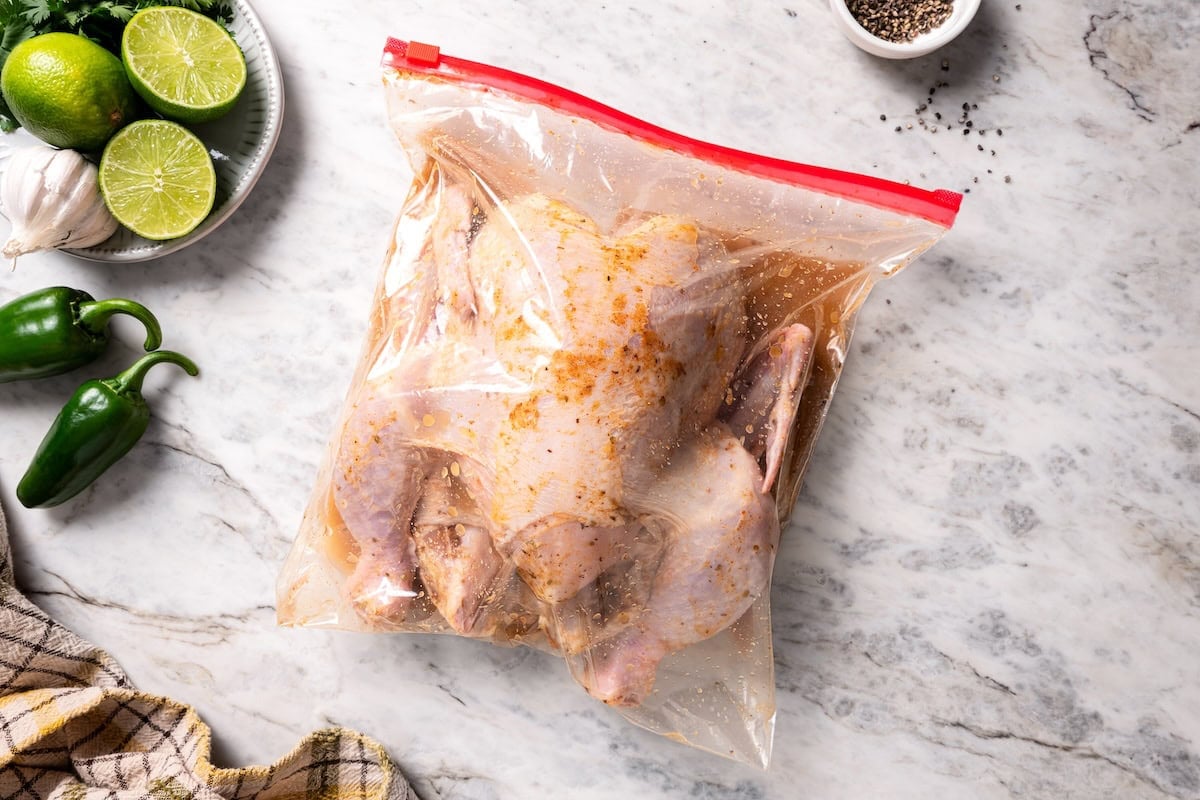
The process of marination is critical for achieving the desired depth of flavor and tender texture. For optimal results, the chicken is often marinated overnight, allowing sufficient time for the spices and liquids to permeate the muscle fibers. This extended period ensures that the flavor is not merely superficial but runs deep into the meat, distinguishing Pollo a la Brasa from simpler roasted chicken preparations. While traditional Pollo a la Brasa relies on a rotisserie, home cooking adaptations, such as oven roasting, aim to mimic the restaurant-style char and crispness. Techniques like spatchcocking (butterflying) the chicken are employed to ensure more even cooking and maximize the surface area for crispy skin, a highly prized attribute of the dish.

Aji Verde: The Essential Spicy Green Counterpart
No Pollo a la Brasa experience is complete without its iconic accompaniment: Aji Verde, the spicy Peruvian green sauce. This vibrant condiment is far more than a simple dipping sauce; it is an integral component that balances the rich, savory chicken with its fresh, piquant, and creamy profile. Patrons of Peruvian cuisine frequently cite Aji Verde as a defining element, often praising its unique blend of flavors.
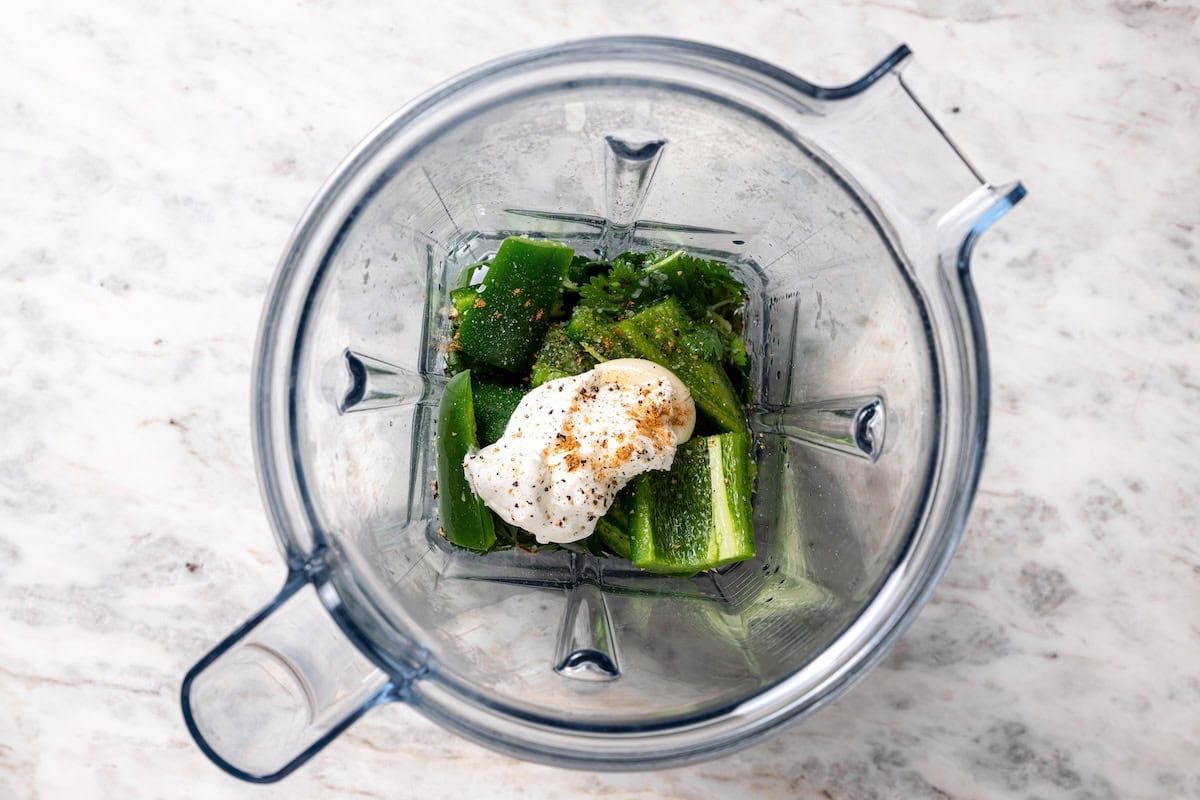
The composition of Aji Verde typically includes several key ingredients that contribute to its distinctive taste and texture. The heat predominantly comes from Peruvian chilies such as Aji Amarillo or Aji Limo, though in regions where these are less accessible, jalapeño or serrano peppers are commonly used as substitutes. These chilies provide a fresh, grassy heat that is distinct from the smokiness of the chicken. Fresh cilantro is indispensable, lending a bright, herbaceous note that cuts through the richness of the other ingredients. Garlic adds a pungent kick, while lime juice provides essential acidity, brightening the sauce and enhancing its flavors. For creaminess, mayonnaise is a common base, often supplemented by a touch of dairy such as queso fresco or cotija cheese, which also adds a subtle saltiness. Some variations might include a few crackers or bread to achieve a thicker consistency.

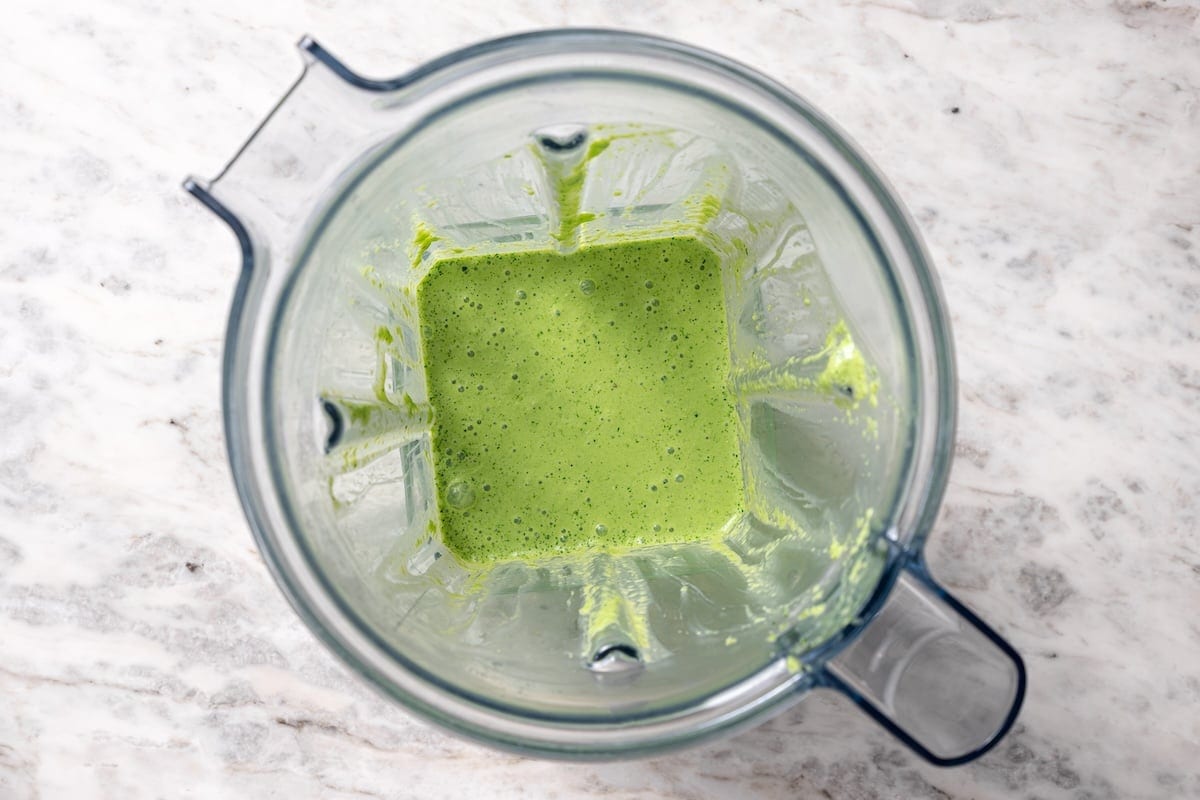
The preparation of Aji Verde is relatively straightforward, typically involving combining all ingredients in a blender or food processor until a smooth, emulsified sauce is achieved. The balance of spicy, tangy, herbaceous, and creamy elements is what makes Aji Verde so addictive. Its "secret sauce" status, particularly in renowned establishments like Pio Pio, is often attributed to subtle variations in ingredient ratios or the specific types of chilies used. Beyond its traditional pairing with Pollo a la Brasa, Aji Verde demonstrates remarkable versatility. It is widely enjoyed as a dip for fried plantains (tostones), a spread for sandwiches, a drizzle over roasted vegetables, tacos, beans, and various grain bowls, showcasing its adaptability in broader culinary contexts. Its ability to elevate diverse dishes highlights its importance not just as a side, but as a standalone flavor enhancer in Peruvian cuisine.
Mastering the Roast: Techniques for Home Kitchen Perfection
Replicating the distinctive char and succulence of rotisserie-cooked Pollo a la Brasa in a conventional home oven requires a thoughtful approach to roasting techniques. While a home oven cannot fully replicate the continuous rotation and charcoal smoke of a commercial rotisserie, several methods can yield a remarkably close result, prioritizing juicy meat and crispy skin.
The most common and effective method for oven roasting involves spatchcocking, or butterflying, the whole chicken. This technique involves removing the backbone and flattening the chicken, allowing it to cook more evenly and expose more skin to direct heat, which is crucial for achieving crispness. Prior to roasting, the marinated chicken is typically brought to room temperature for about 30 minutes, promoting even cooking.
The roasting process often begins with a high initial oven temperature, such as 425°F (220°C), for approximately 20-30 minutes. This high heat helps to quickly crisp the skin and initiate the Maillard reaction, developing deep, savory flavors. Following this initial burst, the temperature is usually reduced to a moderate 375°F (190°C) for the remainder of the cooking time, allowing the chicken to cook through without drying out. The total cooking time can range from 50 to 70 minutes, depending on the size of the chicken and the oven’s calibration.
Crucially, determining doneness is paramount for food safety and optimal texture. Food safety guidelines recommend that chicken reach an internal temperature of 165°F (74°C). This should be verified with an instant-read thermometer inserted into the thickest part of both the breast and thigh, ensuring the probe does not touch bone. Once the chicken reaches this temperature, it is removed from the oven and allowed to rest, loosely tented with foil, for 5 to 10 minutes. This resting period is vital, as it allows the juices within the meat to redistribute, resulting in a more succulent and flavorful final product. Cutting the chicken too soon would cause these precious juices to run out, leading to drier meat.
For those seeking an alternative cooking method that evokes some of the smoky flavors of traditional Pollo a la Brasa, grilling is a popular choice. Many home cooks have reported success grilling this Peruvian chicken, especially when the whole chicken is divided into individual pieces or purchased pre-cut. This modification facilitates more even cooking on a grill, preventing overcooking in some areas while others remain undercooked. Grilling adds a desirable char and a smoky dimension that oven roasting cannot fully replicate, offering another compelling way to enjoy this beloved dish.
Nutritional Profile and Dietary Considerations
Understanding the nutritional aspects of Peruvian Roasted Chicken with Aji Verde Sauce is essential for integrating it into a balanced diet. Based on typical preparation, a serving comprising 4 ounces of cooked chicken breast with skin and approximately one-quarter of the aji verde sauce provides a robust nutritional profile.
A serving generally contains around 335 calories, making it a substantial component of a meal. The protein content is notably high, at approximately 34 grams, which is beneficial for muscle repair, growth, and satiety. This makes Pollo a la Brasa an excellent source of lean protein. Carbohydrate content is relatively low, typically around 5 grams, primarily stemming from ingredients in the marinade and the Aji Verde sauce. Fiber content is modest, about 1 gram, contributed by the herbs and vegetables in the sauce.
Fat content stands at approximately 17 grams, with saturated fat at about 4 grams. Polyunsaturated fat is around 7 grams, and monounsaturated fat is higher at 17 grams. These fat values can vary based on the specific cuts of chicken used, whether the skin is consumed, and the type of oil used in the Aji Verde sauce (e.g., avocado oil versus standard vegetable oil). Cholesterol is around 146 mg, while sodium is approximately 265 mg, and potassium is about 454 mg. Trace amounts of Vitamin A (481 IU), Vitamin C (9 mg), Calcium (57 mg), and Iron (3 mg) are also present.
For individuals monitoring their fat intake, consuming the chicken without the skin can significantly reduce the calorie and fat content while still providing ample protein. The Aji Verde sauce, while delicious, also contributes to the overall fat and calorie count, largely due to mayonnaise. Health organizations often recommend balancing meals with a variety of food groups. Therefore, serving Pollo a la Brasa with traditional sides such as an avocado salad, air-fried plantains (tostones), or a combination of rice and beans, ensures a comprehensive and nutritionally balanced meal. These accompaniments not only enhance the dining experience but also provide additional fiber, vitamins, and minerals.
The Impact of Culinary Recreations: Bridging Cultures
The global proliferation of recipes like Peruvian Roasted Chicken with Aji Verde Sauce underscores a significant trend in contemporary culinary culture: the increasing accessibility of ethnic cuisines through home cooking. Food writers often highlight how detailed and authentic home recipes serve as vital cultural bridges, allowing individuals worldwide to explore and appreciate diverse gastronomic traditions without needing to travel.
The recreation of complex, restaurant-inspired dishes in home kitchens democratizes access to global flavors. For many, a restaurant like Pio Pio might be a distant culinary dream, but a well-crafted recipe empowers them to experience the essence of Peruvian dining within their own homes. This accessibility fosters a deeper understanding and appreciation of different cultures, transforming food into a tangible medium for cultural exchange.
Moreover, the sharing of these recipes, particularly through platforms like food blogs and online communities, cultivates a vibrant ecosystem of culinary enthusiasts. These communities become spaces for learning, experimentation, and connection, where individuals can share tips, adapt recipes to local ingredients, and celebrate shared passions. This collective engagement contributes to the preservation and evolution of traditional dishes, ensuring their longevity and relevance in a globalized world. Culinary institutions emphasize that such widespread adaptation and appreciation help maintain the integrity of authentic recipes while allowing for creative modifications that introduce new audiences to their charms. The inspiration drawn from renowned establishments like Pio Pio is invaluable, as these restaurants set a high standard for authenticity and flavor that home cooks aspire to emulate, further popularizing the cuisine.
Practical Considerations: Storage and Serving
Proper handling and storage are crucial for enjoying leftover Peruvian Roasted Chicken and Aji Verde sauce while maintaining quality and safety. Cooked chicken should be stored promptly in airtight containers in the refrigerator, where it can remain fresh for approximately 3 to 4 days. This ensures that the meat retains its flavor and moisture, and prevents bacterial growth. Similarly, any leftover Aji Verde sauce should be refrigerated in a sealed container, where it will keep for up to 1 week. Due to its fresh ingredients and mayonnaise base, it’s important to consume the sauce within this timeframe to ensure optimal taste and safety.
When reheating the roasted chicken, methods that help preserve moisture and crispness are preferred. Reheating in an oven or air fryer at a moderate temperature (e.g., 300-325°F or 150-160°C) for 15-20 minutes is often recommended. This gentle, indirect heat prevents the chicken from drying out, and the air circulation in an air fryer can help revive the crispy skin. Microwaving is generally less ideal as it can make the chicken rubbery and diminish skin crispness, although it remains a quick option for immediate consumption.
For serving, the traditional accompaniments—such as an avocado salad, crispy tostones (twice-fried plantains), or a comforting plate of rice and beans—perfectly complement the savory chicken and spicy sauce. However, the versatility of both the chicken and the Aji Verde allows for creative pairings. Leftover chicken can be shredded and used in tacos, sandwiches, or salads. The Aji Verde, as previously noted, is an exceptional condiment that can elevate a wide array of dishes, from grilled vegetables to breakfast eggs, making it a valuable staple to keep on hand. Its ability to add a burst of flavor and a creamy texture makes it a favorite for enhancing simple meals.
Conclusion
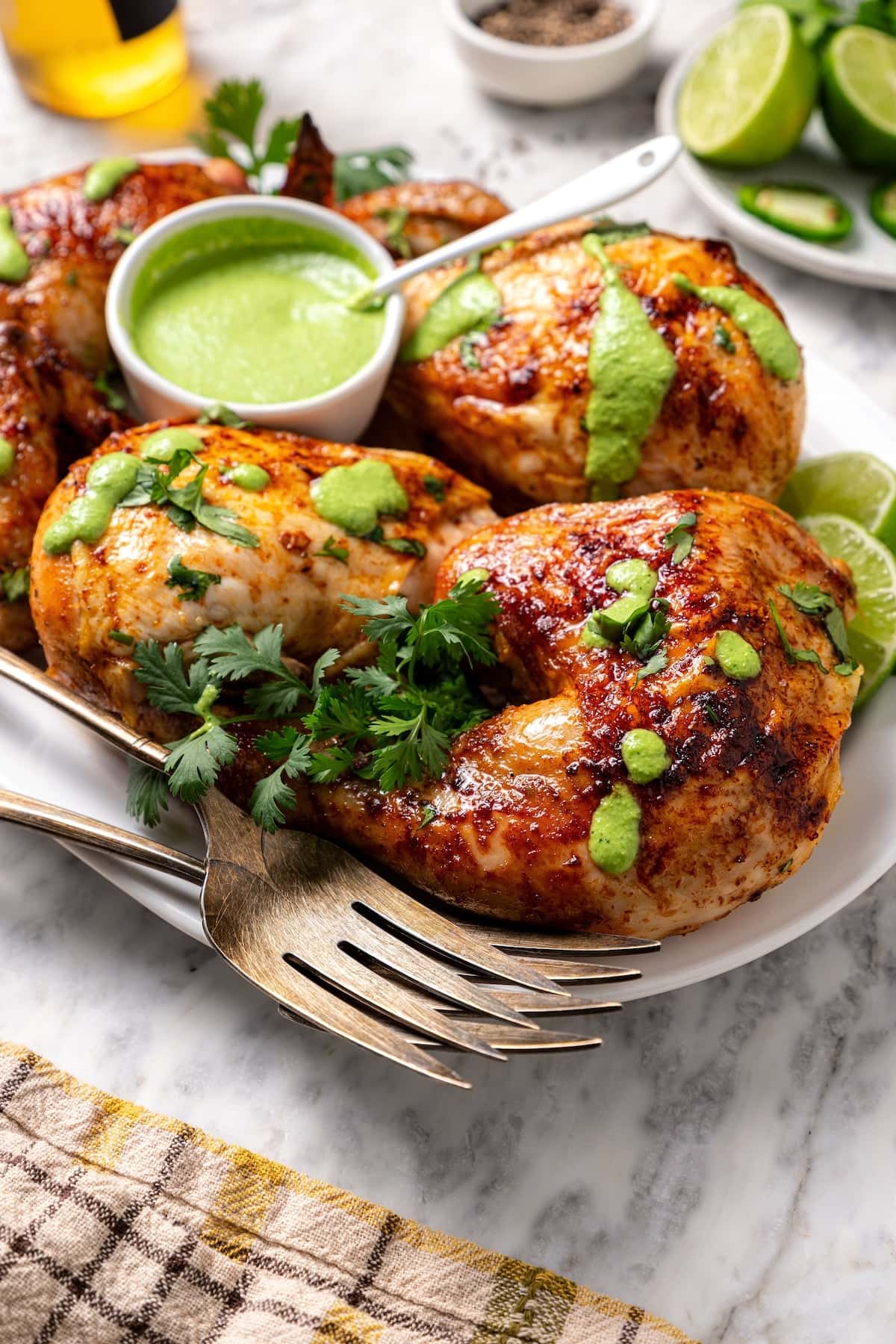
Peruvian Roasted Chicken with Aji Verde Sauce is more than just a meal; it is a culinary experience deeply rooted in Peruvian culture, a testament to the power of flavor to unite and delight. From its humble origins in the mid-20th century to its status as a national dish and a global culinary phenomenon, Pollo a la Brasa has consistently charmed diners with its tender, marinated meat and irresistibly crispy skin. The essential Aji Verde sauce, with its vibrant blend of heat, freshness, and creaminess, serves as the perfect counterpoint, elevating the entire dish. Through dedicated home recipes, inspired by acclaimed establishments like Pio Pio, this beloved classic continues its journey, bringing the rich, complex flavors of Peru into kitchens around the world and fostering a deeper appreciation for its gastronomic heritage. Whether enjoyed in a bustling restaurant or lovingly prepared at home, Pollo a la Brasa remains a celebrated symbol of Peruvian culinary artistry.
