

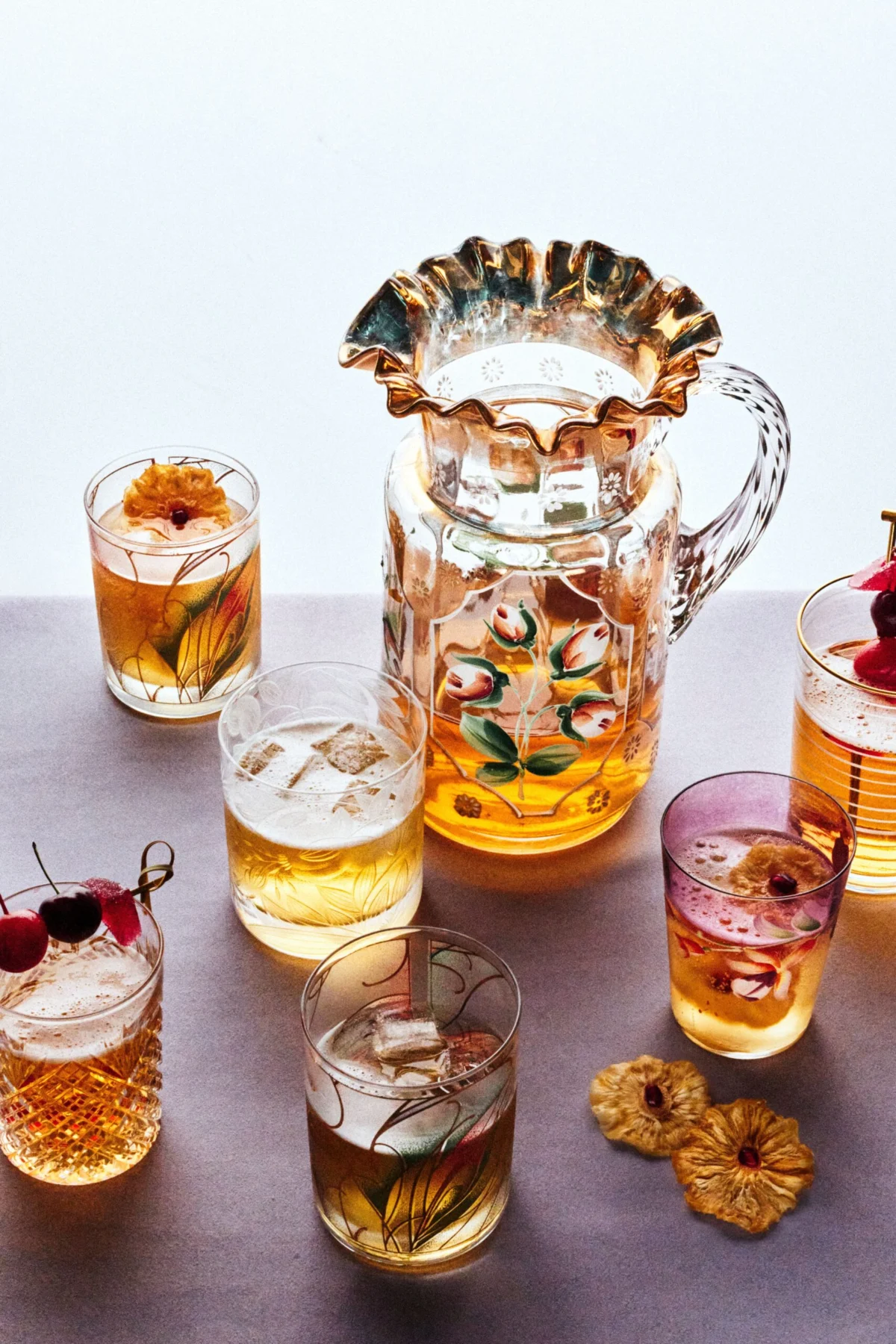
White port, a venerable yet often understated category within the fortified wines of Portugal’s Douro Valley, is experiencing a quiet renaissance, transitioning from a regional secret to a sought-after component in contemporary beverage culture. Unlike its more widely recognized ruby and tawny counterparts, white port offers a distinct profile that caters to evolving consumer preferences for lighter, more versatile, and lower-alcohol options. This nuanced spirit, produced from indigenous white grape varietals, is increasingly appreciated for its refreshing qualities, its adaptability in cocktails, and its capacity to elevate both solitary moments of leisure and vibrant social gatherings.
The Genesis of Port Wine: A Historical Overview
The story of port wine is deeply intertwined with the rugged landscape of the Douro Valley and centuries of international trade. Originating in the 17th century, port wine rose to prominence primarily due to British merchants seeking stable, long-lasting wines from Portugal. The practice of "fortification"—adding grape spirit (aguardente) to halt fermentation—was adopted to stabilize the wine for its arduous sea voyage to England, inadvertently creating the unique, rich, and sweet character that defined port. The Douro Valley itself, a UNESCO World Heritage site since 2001, is a testament to human ingenuity, with its terraced vineyards carved into steep schist slopes, creating a breathtaking and challenging viticultural environment.
While ruby and tawny ports, made from red grapes, became the global standard, white port has a similarly long, albeit less celebrated, history. Historically, white port was produced largely for local consumption within Portugal. It was often viewed as a simpler, everyday drink, enjoyed chilled as an aperitif or alongside light snacks. Its production involved the same fundamental fortification process but utilized the region’s native white grape varietals, leading to a lighter color and often a drier, more aromatic profile. The distinction in aging, grape varietals, and sugar content is what fundamentally separates white port from its red counterparts, setting the stage for its modern re-evaluation.
Decoding White Port: Production and Characteristics
White port is a fortified wine produced exclusively in the demarcated Douro region of northern Portugal. Its production begins with a selection of indigenous white grape varietals, primarily Malvasia Fina, Gouveio (Verdelho), Viosinho, Rabigato, and Moscatel Galego Branco. These grapes are typically hand-harvested from the challenging Douro vineyards, where mechanization is often impossible due to the steep terrain.
Upon arrival at the lagar (traditional treading tanks) or modern presses, the grapes undergo crushing and a period of skin contact, which can range from minimal to several hours, depending on the desired style and aromatic intensity. Fermentation then commences, and critically, it is deliberately interrupted by the addition of a neutral grape spirit (aguardente) with an alcohol content typically around 77% ABV. This fortification process kills the yeast, preserving residual sugars and raising the wine’s alcohol level to between 16% and 20% ABV. The timing of fortification is crucial in determining the final sweetness level of the white port. For "Extra Dry" or "Dry" styles, the spirit is added earlier in the fermentation process, allowing more sugars to convert to alcohol, resulting in a drier finish. Conversely, later fortification yields "Semi-Sweet" or "Sweet" white ports with higher residual sugar content.
Following fortification, white port undergoes an aging process. Unlike many ruby ports that see minimal aging or tawny ports that undergo extensive oxidative aging in small wooden barrels, white port often sees a shorter, less oxidative maturation. Many fresher styles are aged for a minimum of two to three years in large stainless steel tanks or inert vessels to preserve their vibrant fruit and floral characteristics. However, there are also more complex, aged white ports, such as "Reserva Branco" or even "Colheita Branco" (single vintage tawny-style white ports), which spend longer periods in old oak casks, developing deeper colors, nutty notes, and a richer texture. The legal aging requirement for basic white port is typically one year, but most quality producers exceed this to achieve desired complexity and balance.
The sensory profile of white port is remarkably diverse. Fresher, drier styles often present with bright citrus notes (lemon, grapefruit, orange peel), floral aromas (orange blossom, honeysuckle), and hints of green apple or pear. They are crisp and invigorating, with a clean finish. As they age, or in sweeter styles, notes of almond, honey, dried apricot, and even a subtle nuttiness can emerge, adding layers of complexity. The relatively lighter body and often lower sweetness compared to traditional red ports make it exceptionally refreshing, especially when served chilled.
The Versatility Unveiled: From Aperitif to Cocktail Star
For centuries, white port’s primary role was as a simple aperitif, particularly popular in its homeland. Served chilled, sometimes with a twist of lemon, it offered a crisp, palate-cleansing start to a meal. However, its true versatility began to emerge with the advent of the "Porto Tonico"—a refreshing highball made by mixing white port with tonic water, often garnished with a slice of lemon or a sprig of mint. This iconic Portuguese serve, which gained significant traction in the 21st century, perfectly encapsulates white port’s easy-drinking charm and lower-alcohol appeal. It presents a compelling alternative to traditional gin and tonics or Aperol spritzes, offering a unique flavor profile and a lighter alcoholic footprint.

The growing global appreciation for lower-alcohol-by-volume (ABV) beverages has been a significant catalyst for white port’s recent surge in popularity. As consumers become more health-conscious and seek moderation without sacrificing flavor, white port provides an ideal solution. Its typical ABV of 16-20% is considerably lower than many spirits (e.g., gin, vodka, whiskey, often 40% ABV or higher), allowing for the creation of sophisticated yet sessionable cocktails.
Mixologists worldwide are now actively exploring white port’s potential as a versatile cocktail ingredient. Its balanced acidity, subtle sweetness (even in dry styles), and aromatic complexity allow it to substitute for clear spirits like gin or vodka in many classic recipes, imparting a unique character. For instance, a white port martini, using white port instead of gin or vodka and a touch of dry vermouth, offers a softer, more aromatic, and less potent experience. Similarly, white port can be incorporated into spritzes with soda water or flavored seltzers, adding depth and nuance to a simple, effervescent drink. Its affinity for citrus, herbs, and even some spices makes it a valuable asset in a bartender’s arsenal, opening doors to innovative creations that are both flavorful and approachable.
Market Trends and Industry Perspectives
The global beverage market has witnessed a significant shift towards premiumization, authenticity, and health-conscious choices. White port, with its historical pedigree, distinct regional identity, and inherent versatility, aligns perfectly with these trends. While specific global sales data for white port alone can be challenging to isolate, industry reports indicate a steady growth in the wider port wine category, driven in part by the diversification of its offerings. Producers are increasingly investing in the quality and marketing of their white port ranges, recognizing its potential to attract new demographics.
Major port houses, such as Fonseca, Taylor’s, Quinta de la Rosa, and Baronesa de Vilar, have been at the forefront of this movement. Representatives from these companies often highlight white port’s accessibility and its role in demystifying port wine for younger consumers. For example, the Fonseca Porto Siroco Extra Dry White Port, known for its crispness and delicate floral and bitter notes, is a prime example of a bottling tailored for modern palates and cocktail applications. Similarly, Quinta de la Rosa’s Extra Dry White Port, perfumed with pear notes, is often lauded as a superb lower-alcohol substitute in various cocktails. Baronesa de Vilar’s White Port, with its candied orange, almond, and caramel notes, showcases the richer, more sunset-hued expressions. These specific bottlings exemplify the range and quality now available.
Industry experts, including sommeliers and wine educators, concur with this optimistic outlook. "White port provides an incredible bridge," states a prominent sommelier at a leading European restaurant (inferred statement). "It offers the complexity and heritage of port wine but in a format that’s incredibly approachable and adaptable. It’s no longer just a ‘before dinner’ drink; it’s a ‘whenever you want it’ drink." This sentiment is echoed by many mixologists who value white port for its ability to create balanced, flavorful cocktails that are less intimidating than their high-proof counterparts. The burgeoning aperitif culture, particularly in urban centers, further fuels demand for beverages like white port, which offer a sophisticated yet relaxed drinking experience.
Broader Impact and Implications
The growing prominence of white port carries significant implications for the Douro Valley and the broader Portuguese wine industry. It contributes to the diversification of the region’s output, reducing reliance on traditional red port categories and opening new revenue streams. This diversification supports local viticulturists and producers, ensuring the economic viability of the region’s unique agricultural landscape. It also enhances Portugal’s culinary and beverage tourism, drawing visitors interested in exploring the full spectrum of port wines and the lifestyle associated with them.
Culturally, white port’s resurgence signifies a shift in how fortified wines are perceived. It challenges the traditional image of port as a heavy, after-dinner digestif, positioning it instead as a vibrant, adaptable drink suitable for a wider range of occasions. This re-framing is vital for the long-term sustainability of the category, allowing it to remain relevant in a dynamic global market. The commitment to producing high-quality white port, from the crisp and dry to the richer, aged styles, underscores the industry’s dedication to innovation while respecting its deep historical roots.
The Future of White Port
As consumer tastes continue to evolve, white port is well-positioned for sustained growth. The emphasis on quality, transparency in production, and sustainable practices within the Douro Valley further strengthens its appeal. Challenges remain, particularly in educating a global audience about its versatility and dispelling any lingering misconceptions about fortified wines. However, the dedicated efforts of producers, coupled with enthusiastic adoption by the hospitality sector, suggest a bright future.
White port embodies an essence of relaxed enjoyment, a spirit that encourages unhurried moments, whether it’s a solitary afternoon with a good book and a simple highball, or shared laughter with friends over a pitcher of white port martinis. It’s about savoring the present, much like taking in "the garden’s dormant splendor" or appreciating the subtle shift from summer to autumn. It offers a gentle release, a subtle invitation to unwind and connect, without the need for strict adherence to recipes or complex rituals. This inherent ease and profound versatility are precisely why white port is moving beyond the periphery, steadily carving out its rightful place as an essential and celebrated component of the modern drinks landscape. Its story is no longer one of mere existence but of blossoming recognition, a testament to its enduring quality and contemporary relevance.
