

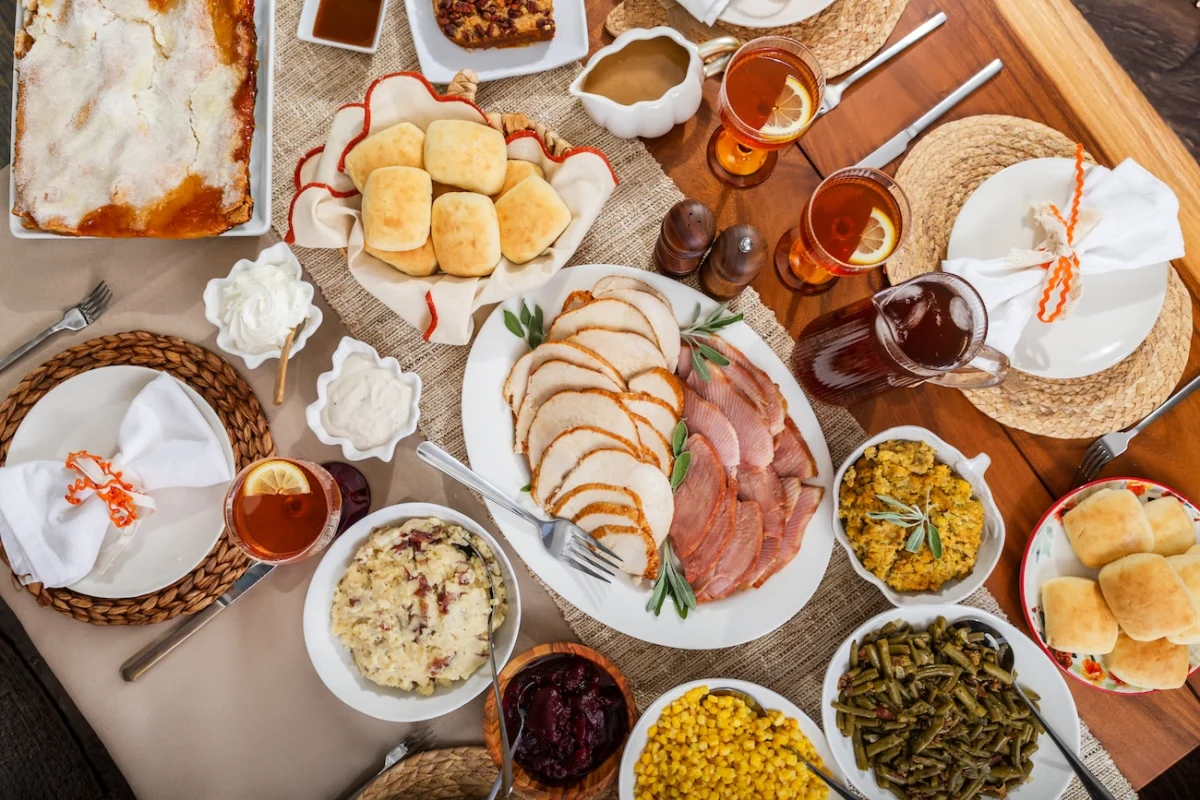
The traditional image of a home-cooked Thanksgiving feast, while cherished, is increasingly becoming a luxury many households are rethinking. With the average expected cost of a home-cooked Thanksgiving dinner for a family of 6-10 guests soaring to approximately $200, a significant majority of consumers—86%—are finding the expense of celebrating at home to be "out of control." This financial strain is directly fueling a notable shift in holiday dining habits, with more Americans than ever before choosing to delegate the culinary and cleanup burdens to restaurants.
A comprehensive nationwide survey conducted by Popmenu, a restaurant technology firm serving over 12,000 establishments, reveals that 52% of consumers are planning to order in or dine out for Thanksgiving this year. This substantial portion of the population indicates a growing sentiment that restaurant-provided meals offer a more palatable and potentially cost-effective alternative to the escalating expenses associated with traditional home-based celebrations. The survey, which polled 1,000 consumers earlier this month, underscores a palpable frustration with the rising cost of ingredients, preparation, and the sheer labor involved in creating a Thanksgiving banquet from scratch.
The Shifting Landscape of Thanksgiving Dining
The data from Popmenu is further corroborated by insights from OpenTable, the renowned reservation platform. OpenTable’s analysis shows Thanksgiving dining is pacing 12% ahead of last year, a significant uptick in a holiday traditionally dominated by home gatherings. Even more striking is the surge in reservations for larger parties; bookings for groups of six or more have seen an impressive 21% year-over-year increase. This trend suggests that families are increasingly opting to pool their resources and headcount to leverage the convenience and perceived value offered by dining establishments. With larger groups now accounting for nearly one-third of all Thanksgiving diners who have made reservations, the data paints a clear picture: the "skip the cooking and cleanup" mantra is gaining considerable traction. OpenTable’s analysis involved a comparative study of U.S. online reservations made at least eight days in advance for Thanksgiving in the current year versus the preceding year.
While fine-dining and upscale casual restaurants are indeed offering prix fixe Thanksgiving menus, these options can quickly become an expensive proposition, often starting at $59 per person before beverages. This price point, when multiplied by a family of six or more, can easily surpass the perceived cost of a home-cooked meal. However, the true boon for budget-conscious consumers lies within the family-dining segment. A growing number of chain restaurants are stepping in with attractive deals and bundled offerings for both dine-in and take-home options, presenting a compelling value proposition, particularly for larger family gatherings.
Family Dining Chains Step Up with Affordable Thanksgiving Solutions
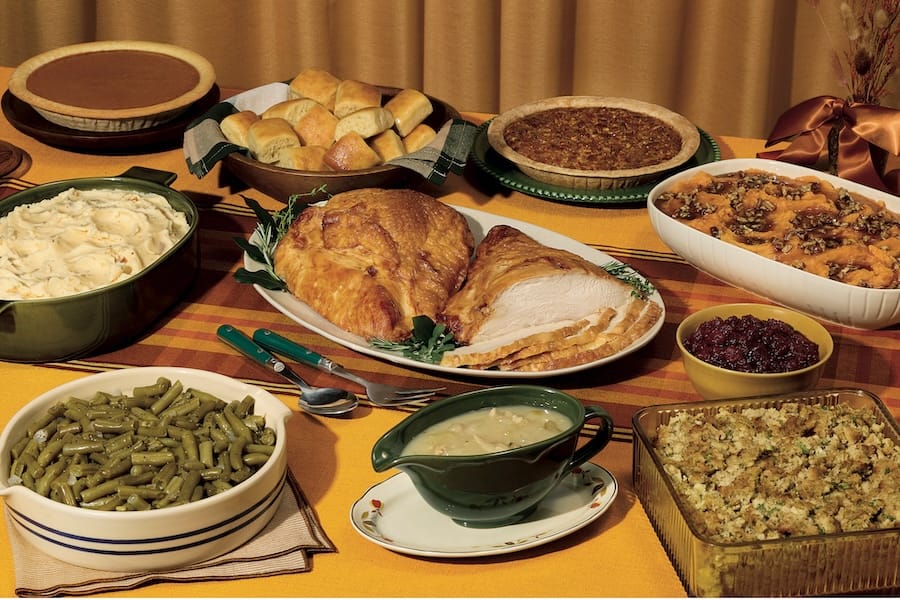
Several well-established family dining chains are actively catering to the demand for convenient and affordable Thanksgiving meals. Cracker Barrel, a popular choice for comfort food, is offering a heat-and-serve Turkey Family Dinner designed for 4-6 diners at approximately $119.99. For larger gatherings, their Turkey Feast, serving 8-10 people, is priced at $189.99. Both packages are comprehensive, including essential Thanksgiving staples such as roast turkey breast, cornbread dressing, gravy, cranberry relish, sweet potato casserole, mashed potatoes, green beans, and rolls. To round out the festive experience, holiday pies like Pumpkin, Pecan, and Cinnamon Roll Pie are available for an additional $14.49 each, providing a sweet finish without the need for any home baking. The significant advantage here is the complete elimination of post-meal cleanup, a major draw for many households.
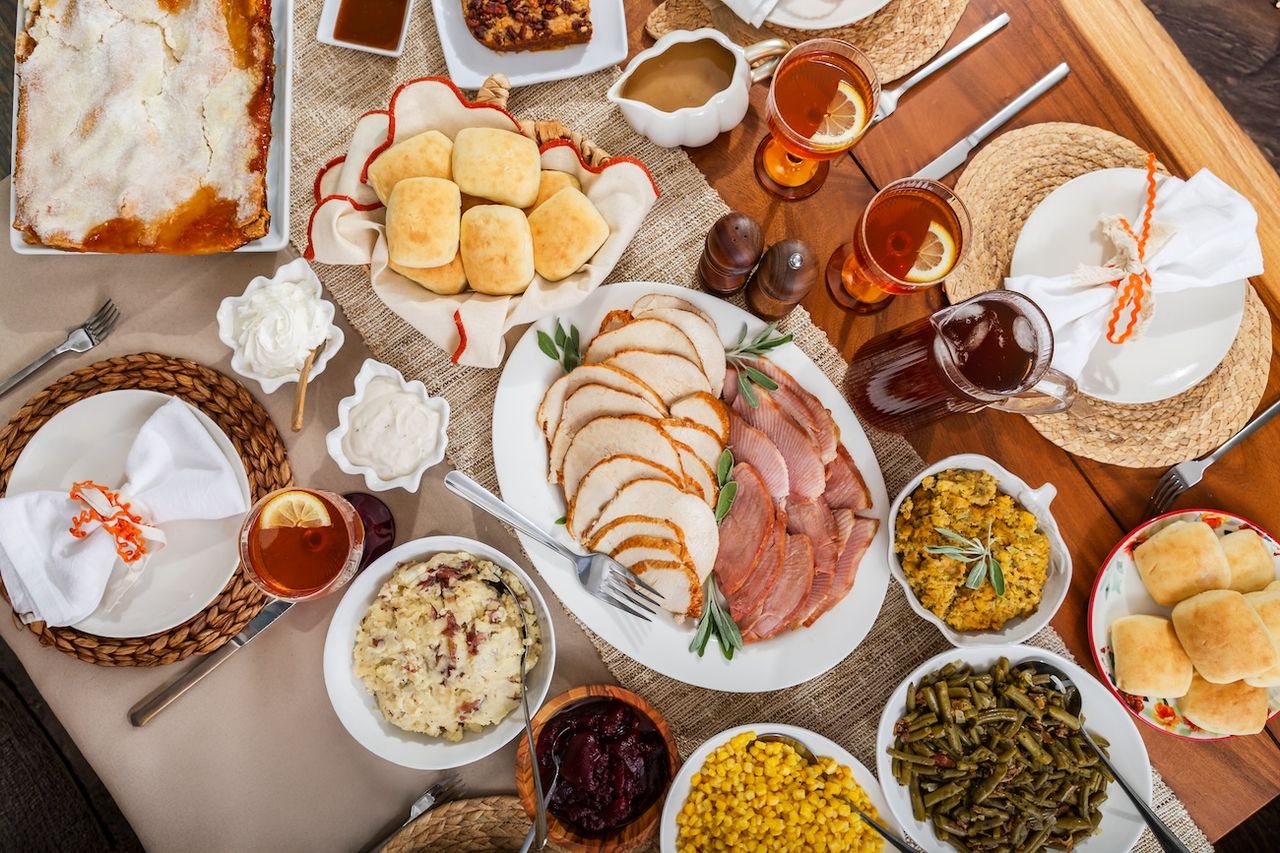
Bob Evans, another prominent player in the family-dining sector, presents two distinct options for those seeking to simplify their Thanksgiving preparations. Their Farmhouse Feasts are delivered cold and require minimal preparation, with most items ready to heat and serve in under two hours. These feasts offer a choice of slow-roasted turkey, hickory-smoked ham, or pot roast, accompanied by an array of homestyle sides such as mashed potatoes and mac ‘n’ cheese, cranberry relish, rolls, and pumpkin pie. These meals can feed between 4-10 people and start at $94.99. For those desiring a fully prepared hot meal, Bob Evans also offers the Holiday Celebration Hot Family Meal, which serves up to six people for $114.99.
Other notable establishments that are providing Thanksgiving meal solutions for group dining include Golden Corral, Denny’s, Maggiano’s, and Cotton Patch Café. These restaurants recognize the evolving consumer priorities and are adapting their offerings to meet the demand for convenience, affordability, and a stress-free holiday experience. The availability of these bundled meals signifies a strategic pivot by these chains to capture a larger share of the holiday dining market, capitalizing on the widespread financial anxieties surrounding traditional home celebrations.
The Economic Rationale Behind the Shift
The sentiment that restaurant Thanksgiving meals are more economical or comparable in cost to home-cooked alternatives is a significant driver of this trend. According to Popmenu’s survey, 32% of consumers explicitly cite cost savings as a primary reason for relying on restaurants for their Thanksgiving dinner. Brendan Sweeney, CEO and co-founder of Popmenu, articulated this evolving consumer behavior, stating, "Trading in aprons for quality time with guests is fast becoming a modern Thanksgiving tradition." He further elaborated on the financial impact for restaurants, noting, "Restaurants we work with have already earned $20,000, $50,000 or even $150,000 in Thanksgiving pre-orders."
This indicates a substantial economic opportunity for the restaurant industry, particularly for establishments that can offer well-packaged, convenient, and value-driven Thanksgiving meal solutions. The data suggests that consumers are not only seeking to save money but also to reclaim their time and reduce the stress associated with holiday meal preparation. This strategic outsourcing of Thanksgiving dinner preparation allows families to focus on what truly matters: spending quality time with loved ones.
However, Sweeney also pointed to broader economic pressures influencing Thanksgiving celebrations, noting, "At the same time, you’ll notice cost-cutting at the Thanksgiving table with consumers opting to downsize guest lists or skip some holiday staples." This dual trend of seeking external help for the main meal while also trimming other aspects of the celebration highlights the pervasive impact of inflation on household budgets. Consumers are making calculated decisions to optimize their spending, and for many, the cost and effort of a full home-cooked Thanksgiving meal no longer align with their financial realities or priorities.
Background and Historical Context
The tradition of Thanksgiving, rooted in harvest festivals and a historical narrative of communal feasting, has always been about bringing people together. For generations, the centerpiece of this holiday has been the elaborate home-cooked meal, a symbol of abundance, family unity, and culinary tradition. The preparation often begins days in advance, involving extensive shopping, extensive cooking, and a significant amount of cleanup. This labor-intensive process, while often imbued with sentimental value, represents a considerable time commitment and financial outlay.
In recent decades, the rise of the dual-income household and increasing demands on individuals’ time have gradually paved the way for alternative solutions. The advent of pre-packaged Thanksgiving meals, initially a niche offering, has steadily gained popularity as a convenient alternative for busy families. However, the current economic climate, marked by persistent inflation across food staples, energy costs, and general consumer goods, has amplified this trend exponentially. The rising cost of ingredients like turkeys, cranberries, sweet potatoes, and baking supplies has made the traditional home-cooked meal a significant financial undertaking.
The COVID-19 pandemic also played a role in shifting consumer behavior, normalizing the idea of ordering meals from restaurants for special occasions. Many families discovered the convenience and quality of restaurant-prepared holiday meals during periods of lockdown and social distancing. This experience, coupled with the ongoing economic pressures, has created a fertile ground for the continued growth of the restaurant-provided Thanksgiving meal market.
Broader Implications and Future Outlook
The shift towards restaurant-provided Thanksgiving meals has several implications for both consumers and the foodservice industry. For consumers, it offers a viable solution to manage holiday costs and reduce stress, allowing for a more relaxed and enjoyable celebration. It democratizes the ability to celebrate Thanksgiving without the prohibitive financial and logistical barriers that have emerged.
For restaurants, this trend represents a significant revenue opportunity, particularly during a traditionally busy holiday period. Establishments that can effectively market and deliver high-quality, value-for-money Thanksgiving meals are well-positioned to capitalize on this growing demand. This could lead to increased investment in catering and take-out infrastructure, as well as innovative menu development tailored to holiday offerings.
However, this trend also raises questions about the future of traditional home cooking and its role in cultural celebrations. As more families opt for external solutions, there is a potential for a gradual erosion of certain culinary traditions and the associated intergenerational knowledge transfer. Yet, it can also be argued that this evolution is a natural adaptation to changing societal needs and economic realities, allowing the spirit of Thanksgiving – gratitude, togetherness, and shared celebration – to endure in new and accessible ways.
The data from Popmenu and OpenTable strongly suggests that the practice of outsourcing Thanksgiving dinner is not a fleeting trend but a significant and growing phenomenon. As economic pressures continue to shape consumer choices, restaurants that offer convenient, affordable, and high-quality Thanksgiving meal solutions are likely to see continued success in the years to come, transforming how families approach this beloved American holiday. The focus for many is shifting from the labor of preparation to the value of shared experience, a sentiment that restaurants are increasingly adept at facilitating.
