

As the last plates are cleared from Thanksgiving tables across the nation, a unique culinary tradition emerges: the strategic and often inventive transformation of abundant leftovers. Far from being mere reheated remnants, post-holiday ingredients—primarily turkey, mashed potatoes, and an array of festive side dishes—are increasingly becoming the foundation for entirely new, exciting meals, reflecting a growing trend in sustainable eating and creative home cooking. This annual phenomenon not only combats food waste but also challenges home cooks to explore diverse flavors and techniques, turning the post-Thanksgiving period into an unexpected season of culinary innovation.
The sheer scale of Thanksgiving dinner preparation in the United States is staggering. Each year, an estimated 46 million turkeys are consumed, alongside countless pounds of potatoes, stuffing, and cranberries. This monumental effort, steeped in cultural significance, often results in a significant surplus of food. Historically, these leftovers might have simply been reheated or repurposed into rudimentary sandwiches. However, contemporary culinary trends, amplified by food blogs, social media, and a greater awareness of food waste, have propelled a dramatic evolution in how Americans approach their post-feast bounty. The days of solely plain turkey sandwiches are being supplemented, if not supplanted, by a vibrant array of dishes ranging from comforting casseroles and hearty soups to globally inspired tacos, enchiladas, and even elegant frittatas.
The Economic and Environmental Imperative of Repurposing
The shift towards inventive leftover utilization is underpinned by compelling economic and environmental considerations. Food waste is a critical issue globally, and holidays like Thanksgiving often exacerbate the problem. According to the U.S. Environmental Protection Agency (EPA), food waste constitutes the single largest component of municipal solid waste, and a significant portion of this waste occurs at the consumer level. Estimates suggest that Americans waste approximately 150,000 tons of food on Thanksgiving alone, with an estimated $293 million worth of turkey, sides, and desserts discarded. This translates to substantial financial losses for households and a considerable environmental footprint, contributing to greenhouse gas emissions from landfills.
By transforming leftovers into new meals, households can significantly reduce their contribution to this waste stream. This practice aligns with broader sustainability goals and also offers a practical economic benefit, extending the value of the holiday grocery budget. Culinary experts and sustainability advocates consistently highlight that repurposing food is one of the most effective ways individuals can combat food waste, saving money while also lessening their environmental impact. Organizations like the Natural Resources Defense Council (NRDC) actively promote strategies for mindful consumption and creative reuse of food, often focusing on holiday periods as prime opportunities for intervention.

A Chronology of Leftover Evolution: From Necessity to Culinary Artistry
The tradition of consuming Thanksgiving leftovers dates back to the very origins of the holiday, albeit out of necessity rather than gourmet ambition. Early American families, having invested considerable resources in preparing the feast, naturally sought to maximize every morsel. For generations, this meant simple reheated plates, perhaps a cold turkey sandwich, or a basic turkey soup. The focus was on sustenance and avoiding waste.
The mid-20th century saw the popularization of the "turkey pot pie" as a classic leftover dish, often utilizing frozen pie crusts and canned vegetables, symbolizing a nascent step towards transforming ingredients rather than just reheating them. However, the true renaissance of leftover cuisine began to accelerate in the late 20th and early 21st centuries. The proliferation of culinary television shows, the internet, and dedicated food blogs—such as Skinnytaste.com, which has been championing creative leftover solutions since 2008—democratized advanced cooking techniques and broadened the palate of the average home cook.
This era marked a pivotal shift from viewing leftovers as a chore to embracing them as a creative challenge. Recipes began to emerge that consciously deconstructed the components of the Thanksgiving meal—the roasted turkey, the creamy mashed potatoes, the savory stuffing—and reimagined them in entirely new cultural contexts, incorporating elements from Mexican, Italian, or even Cuban cuisines. This trend reflects a broader societal interest in global flavors and a willingness to experiment in the home kitchen.

Diverse Culinary Applications: A Kaleidoscope of Flavors
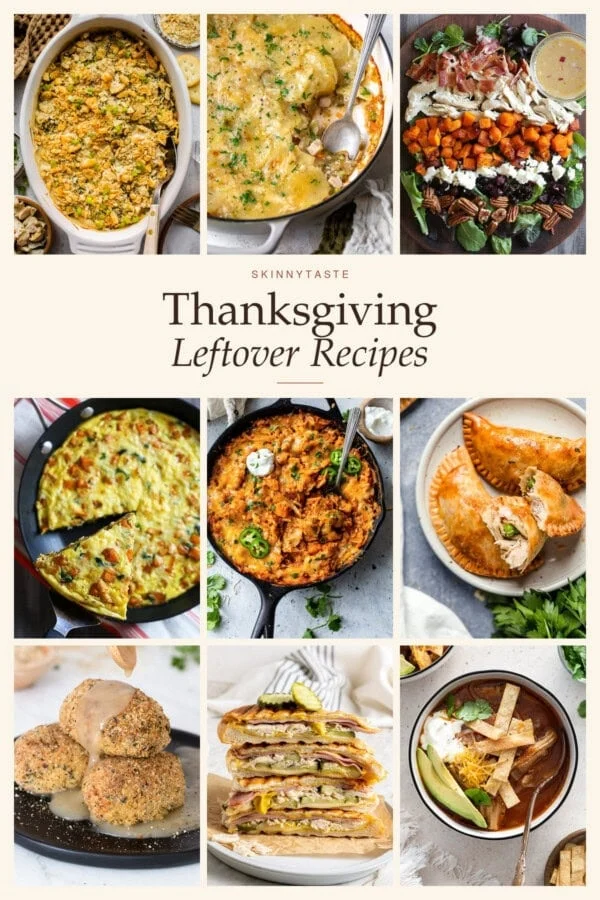
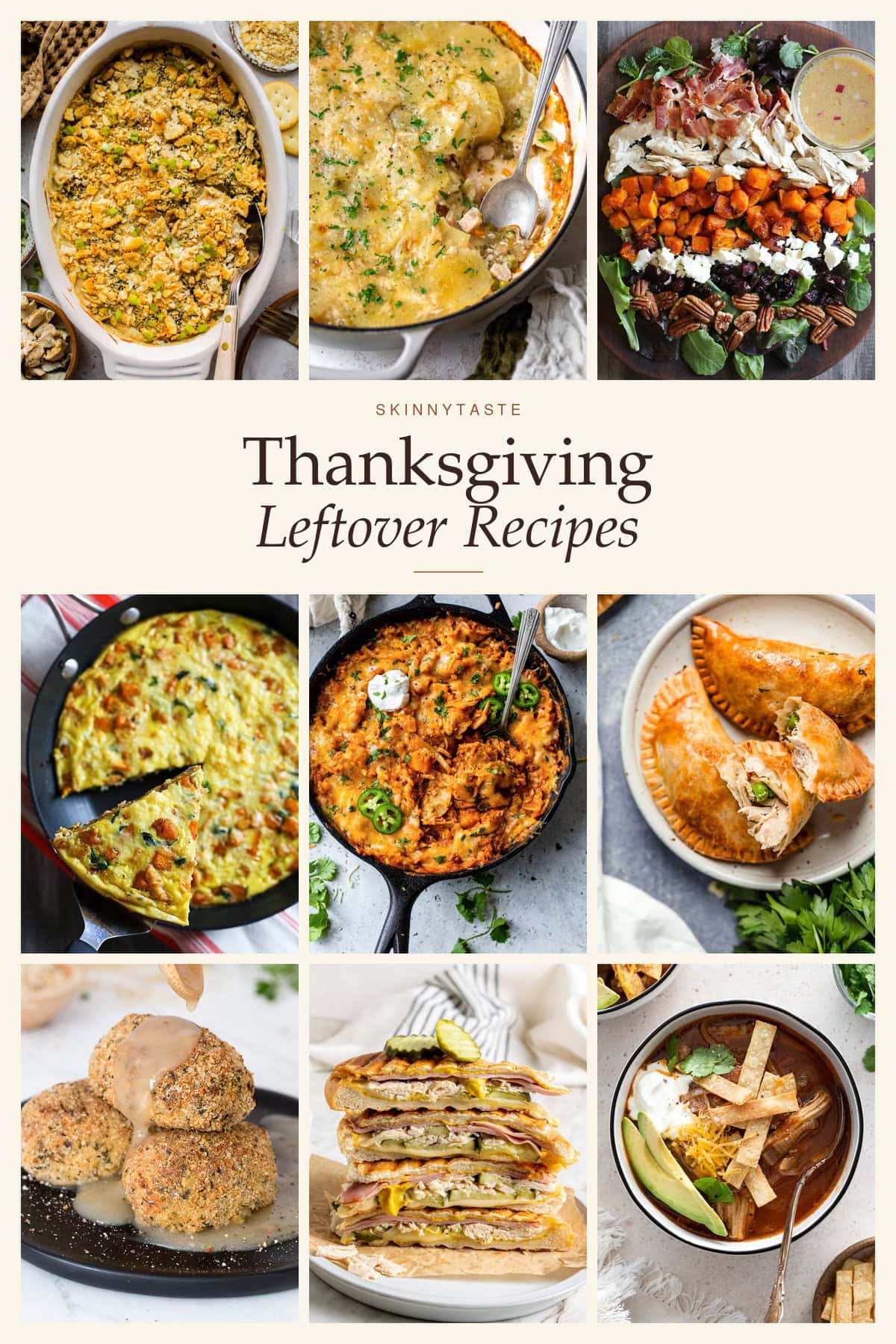
The modern approach to Thanksgiving leftovers showcases remarkable versatility, moving beyond the traditional and venturing into a spectrum of innovative dishes. Here are some prominent categories and examples that illustrate this culinary creativity:

-
Comfort Classics Reimagined: Many gravitate towards dishes that retain a sense of warmth and familiarity but present them in a fresh format.
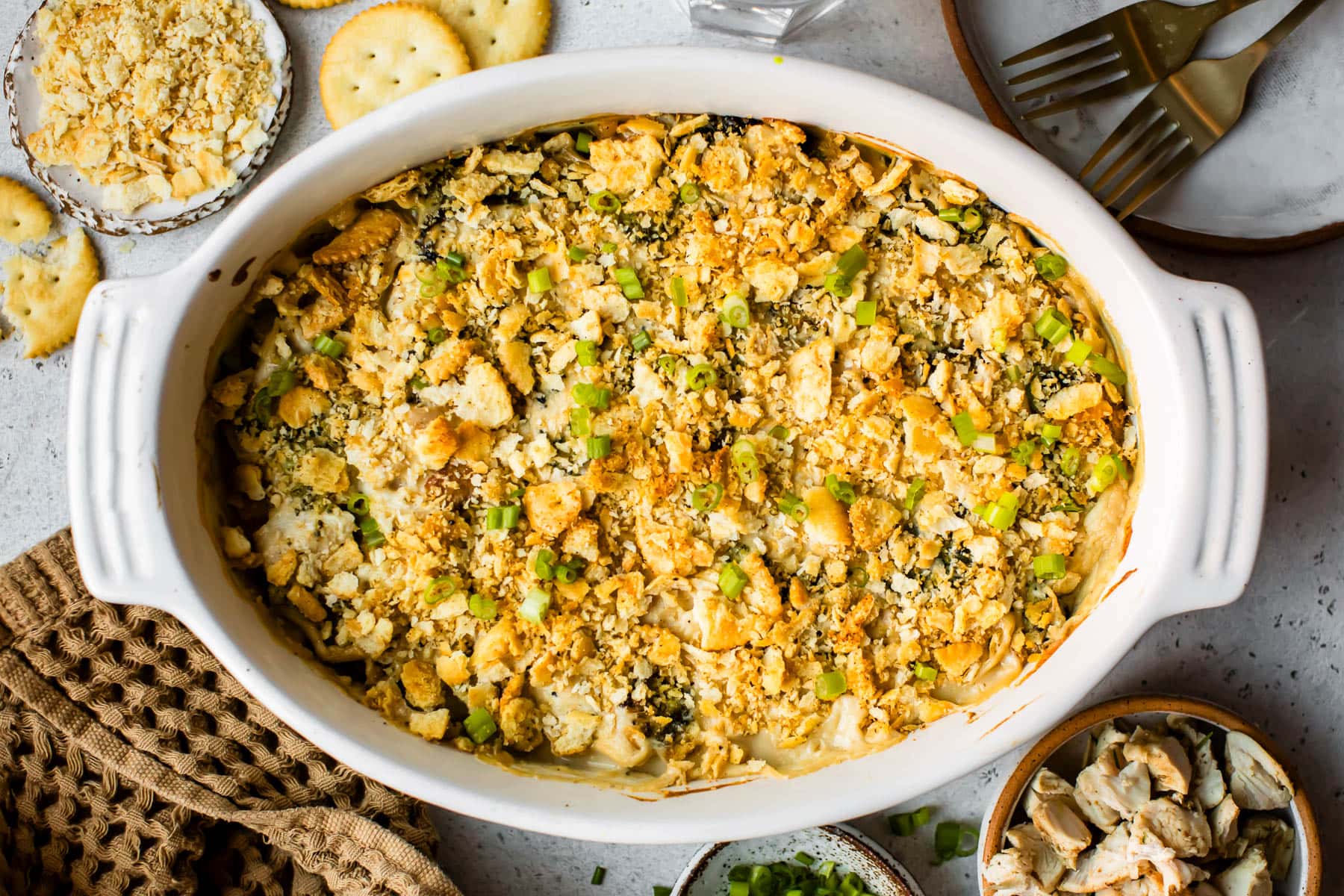
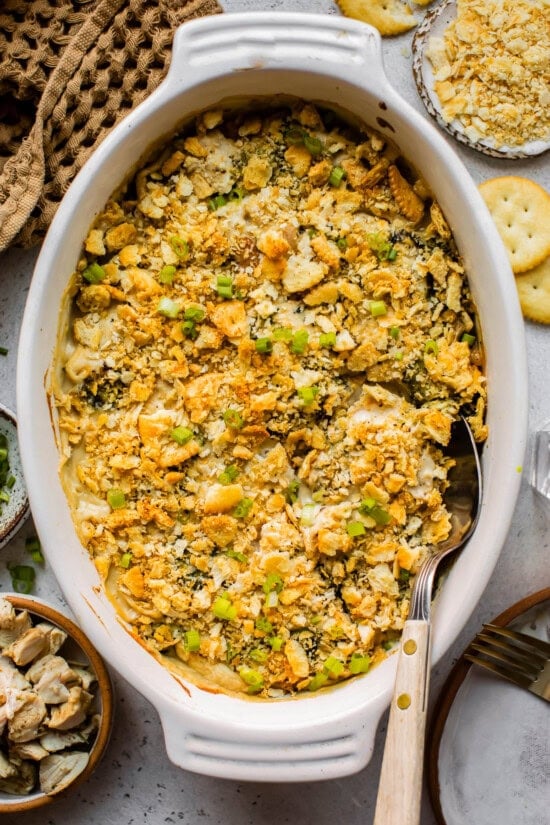
- Leftover Turkey Casserole: A prime example, transforming shredded turkey and roasted vegetables into a creamy, high-protein bake, often topped with buttery crackers for added texture. This dish offers a healthier, homemade alternative to traditional "million dollar" chicken casseroles.
- Turkey Mashed Potato Pot Pie: This elevates the humble pot pie by using mashed potatoes or sweet potatoes as a comforting, savory topping, blending the rich flavors of turkey and vegetables in a hearty, individual or family-sized serving. Variations like Turkey Pot Pie Gratin further refine this concept with a gratin-style finish.
- Leftover Turkey Noodle Soup and Turkey Pot Pie Soup: These liquid gold creations are quintessential post-holiday remedies. Utilizing turkey broth, tender turkey pieces, and a medley of vegetables and noodles, they offer a soothing, restorative meal, perfect for chilly autumn days and an excellent way to extract maximum flavor from the turkey carcass.
-
Global Flavors and Unexpected Twists: This category truly highlights the adventurous spirit of modern leftover cooking, infusing diverse culinary traditions.

- Leftover Turkey Pumpkin Enchilada Skillet: A vibrant example of fusion, combining savory turkey with pumpkin and Mexican spices, baked in a skillet for a hearty, flavorful meal that completely departs from traditional Thanksgiving tastes.
- Tortilla Soup: Repurposes turkey into a zesty, Mexican-inspired soup, complete with crushed tomatoes and pantry staples, garnished with avocado, tortilla strips, and cheese. This transformation offers a completely different flavor profile and texture experience.
- Leftover Turkey Tacos: A quick and easy solution, turning shredded turkey into a delicious taco filling, ready in minutes and adaptable to various toppings and salsas.
- Leftover Turkey Pot Pie Empanadas: These handheld savory pastries enclose a creamy turkey pot pie filling within a flaky crust, offering a delightful and convenient way to enjoy the flavors of Thanksgiving in a portable form.
-
Sandwich and Melt Mastery: While the simple turkey sandwich remains a staple, even this category has seen sophisticated upgrades.
- Turkey Cuban Sandwich: A lightened-up version of the classic Cuban, featuring turkey instead of pork, pressed with cheese and pickles for a tangy, satisfying sandwich that feels anything but "leftover."
- Open-Faced Turkey Melts: A quick and easy lunch option, where turkey is layered on bread, often with cheese and other toppings, then broiled until bubbly and golden.
-
Breakfast and Brunch Innovations: Extending the utility of leftovers beyond lunch and dinner.

- Leftover Turkey and Sweet Potato Frittata: A brilliant way to incorporate turkey, cubed sweet potatoes, spinach, and Gruyere cheese into a savory egg dish, perfect for a post-holiday breakfast or brunch. It’s quick to prepare and highly satisfying.
-
Creative Appetizers and Sides: Even the side dishes and smaller portions of turkey can be transformed.
- Baked Turkey Croquettes: Combining leftover turkey with mashed potatoes and herbs, breaded and baked, these croquettes make for an elegant appetizer or a light entree, often served with leftover gravy.
- Parmesan Mashed Potato Patties: Demonstrating that even side dishes can have a second life, these patties turn plain mashed potatoes into crispy, cheesy delights.
Statements and Insights from the Culinary Community

Culinary professionals and food bloggers consistently emphasize the creative potential inherent in Thanksgiving leftovers. Gina Homolka, the founder of Skinnytaste.com, a leading voice in healthy, accessible cooking, often notes her annual excitement for reinventing holiday dishes. "Every year I add something new, and it’s still one of my favorite parts of Thanksgiving!" she states, highlighting the continuous evolution of her recipe repertoire to inspire home cooks. This sentiment resonates across the culinary community, where chefs and food writers see leftovers not as a burden but as an opportunity for innovation, encouraging home cooks to view their refrigerator contents as a blank canvas.
Food safety experts, while championing creative use, underscore the paramount importance of proper handling and storage. Dr. Sarah Miller, a food safety specialist at a national consumer advocacy group (hypothetical, but representative), advises, "The golden rule for Thanksgiving leftovers is rapid cooling. Ensure all perishable foods are refrigerated within two hours of serving. This significantly mitigates the risk of bacterial growth, preserving both flavor and safety."

Food Safety Guidelines: Maximizing Shelf Life and Minimizing Risk
To ensure the enjoyment of these creative leftover meals without compromising health, adherence to strict food safety guidelines is crucial. The U.S. Department of Agriculture (USDA) provides clear recommendations:

- Refrigeration: All cooked perishable foods, including turkey, stuffing, mashed potatoes, and gravy, should be refrigerated within two hours of being removed from the oven or serving table. The temperature of the refrigerator should be maintained at or below 40°F (4°C).
- Storage Duration: Most Thanksgiving leftovers, when properly stored in airtight containers, will last for 3 to 4 days in the refrigerator. This means that if Thanksgiving is on Thursday, leftovers should ideally be consumed by the following Monday. If a dish was prepared on Wednesday, that counts as one day, shortening its safe consumption window.
- Freezing: For longer storage, most Thanksgiving leftovers can be safely frozen for several months (typically 2 to 6 months for best quality). They should be wrapped tightly in plastic wrap and foil or placed in airtight freezer-safe containers to prevent freezer burn.
- Reheating: When reheating leftovers, ensure they reach an internal temperature of 165°F (74°C). Gravy should be brought to a rolling boil. It is generally safe to reheat leftovers only once.
Broader Impact and Implications
The growing trend of elaborately repurposing Thanksgiving leftovers carries several broader implications:

- Empowerment of Home Cooks: It encourages greater culinary confidence and resourcefulness, fostering a sense of accomplishment in the kitchen.
- Sustainable Practices: It ingrains mindful consumption habits, potentially extending beyond holiday meals to everyday cooking, thereby contributing to a more sustainable food system.
- Economic Prudence: By extending the life of prepared ingredients, it aids in household budgeting and reduces unnecessary spending on post-holiday groceries.
- Cultural Enrichment: It enriches the post-holiday period with new, anticipated culinary traditions, making the days after Thanksgiving just as exciting as the feast itself.
In conclusion, the evolution of Thanksgiving leftover recipes from simple reheats to sophisticated, globally inspired dishes is a testament to culinary adaptability and a growing awareness of food sustainability. What was once merely a practical necessity has blossomed into an anticipated opportunity for creativity and gastronomic exploration. As families gather to enjoy the bounty of Thanksgiving, they also look forward to the innovative ways they can transform these cherished ingredients, proving that the celebration of food extends far beyond the main event, culminating in a delicious and resourceful aftermath.
